School of Health Sciences, Cardiff Metropolitan University, Western Avenue, Cardiff CF5 2YB, UK.
Cardiovasc Res. 2013 Mar 1;97(3):571-9. doi: 10.1093/cvr/cvs352. Epub 2012 Dec 1.
Although endothelial cell senescence is known to play an important role in the development of cardiovascular pathologies, mechanisms that attenuate this process have not been extensively investigated. The aim of this study was to investigate whether SIRT6, a member of the sirtuin family of NAD(+)-dependent protein deacetylases/ADP-ribosyltransferases, protects endothelial cells from premature senescence and dysfunction, and if so which is its mode of action.
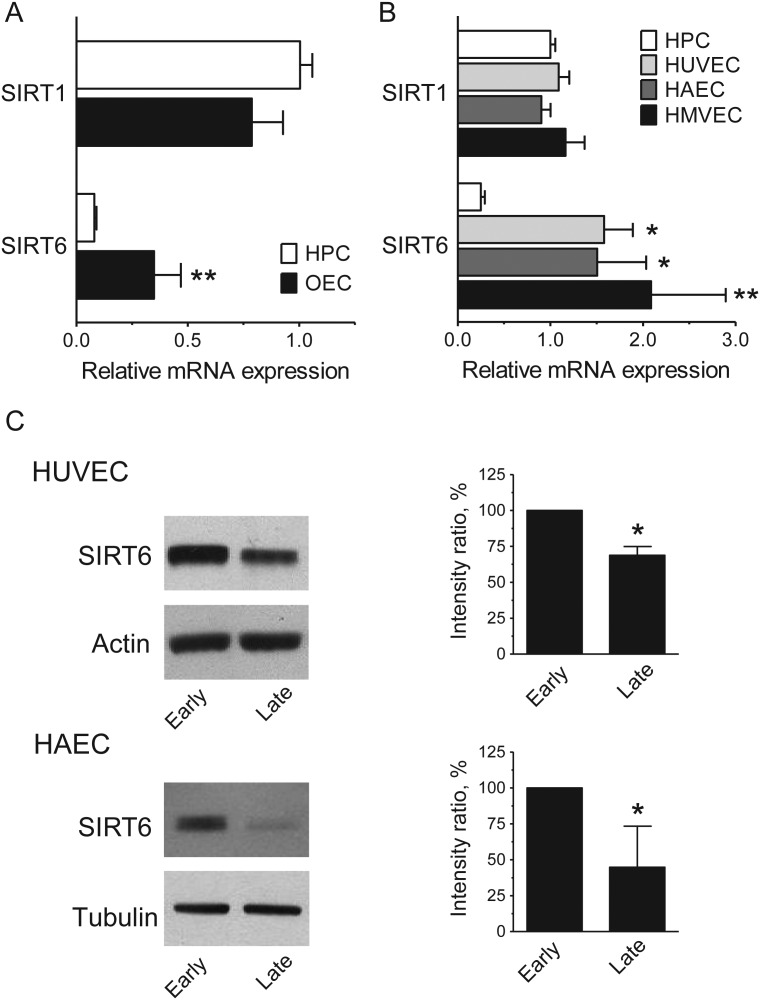
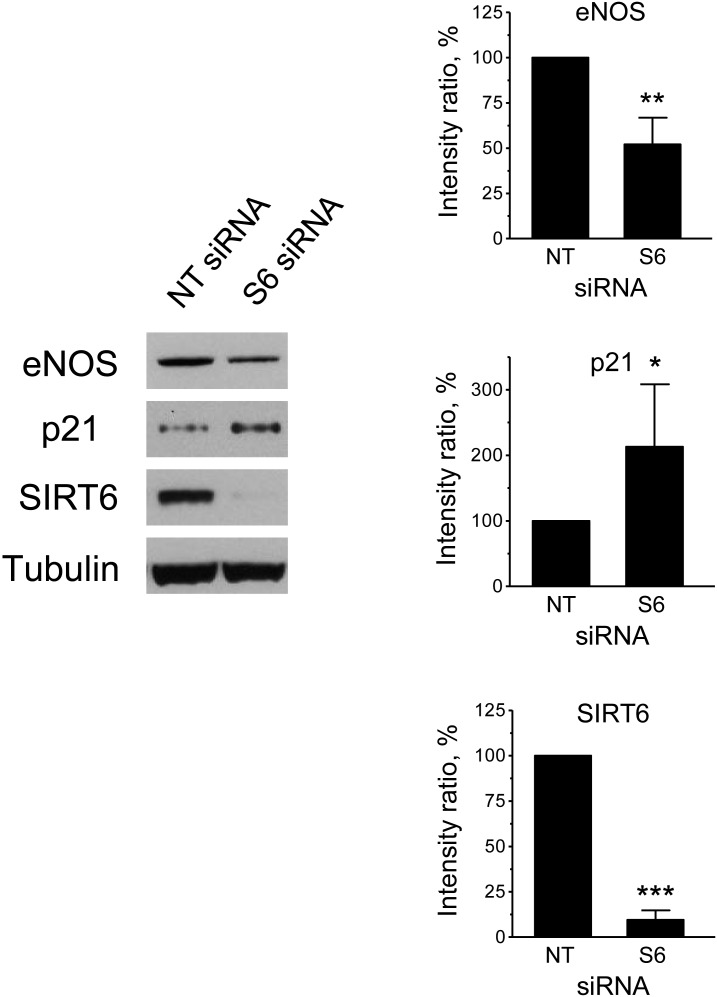
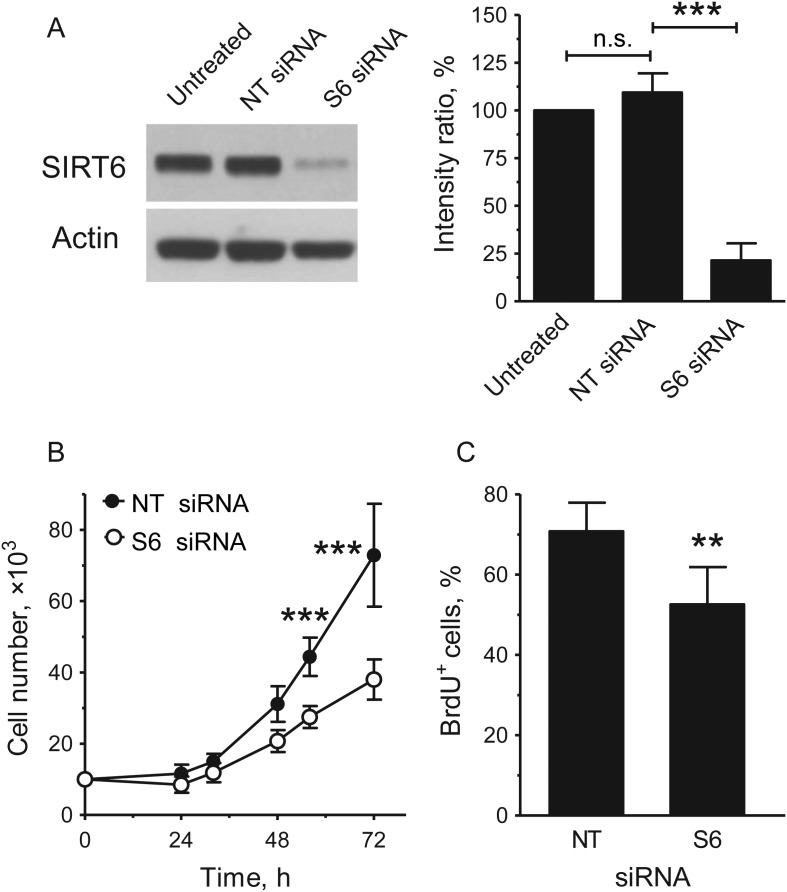
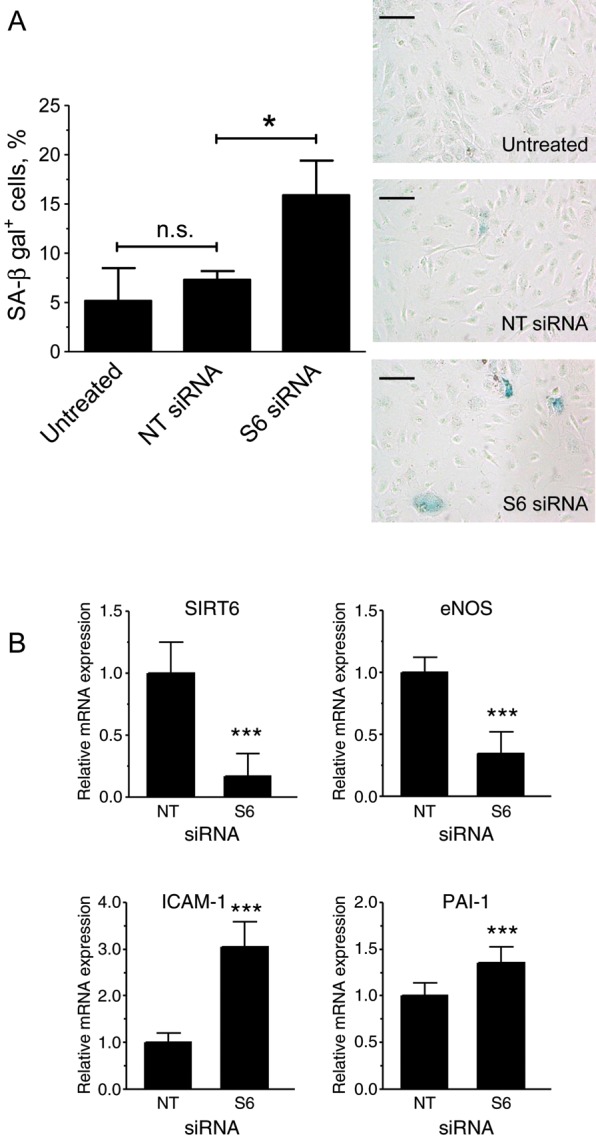
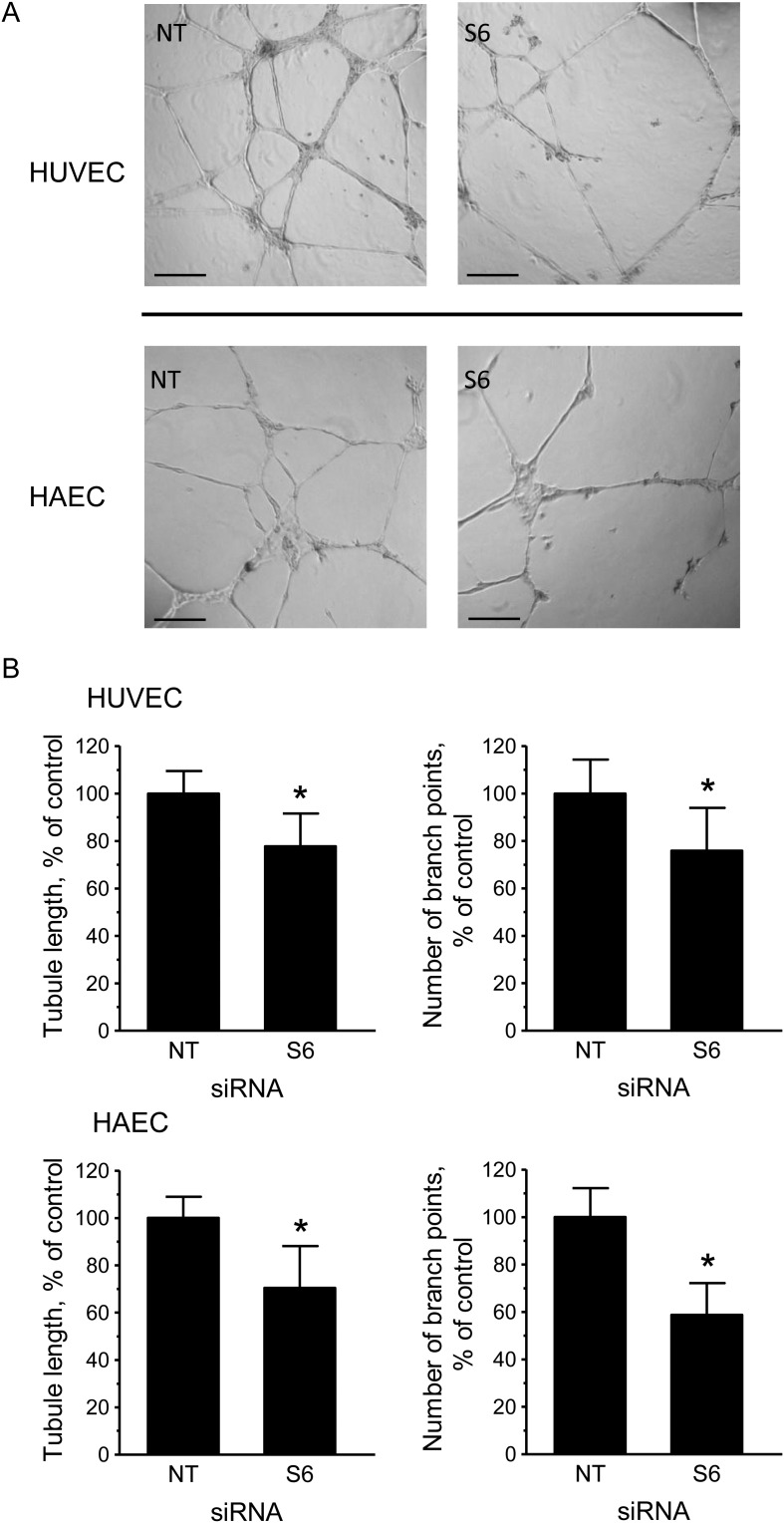
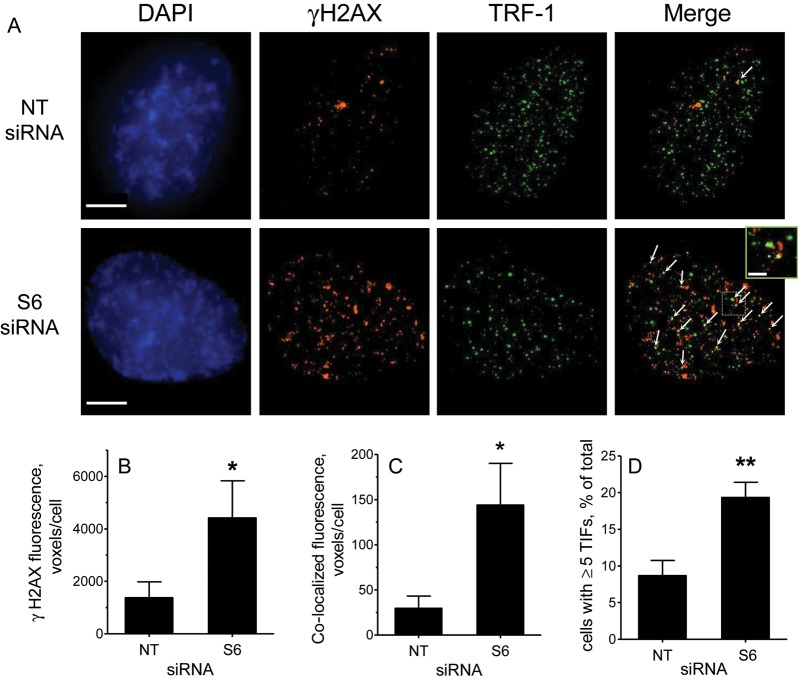
mRNA expression analysis demonstrated comparable levels of SIRT1 and SIRT6 transcripts in endothelial cells derived from different vascular beds and significantly higher levels of SIRT6 in these cells relative to those in haematopoietic progenitor cells. SIRT6 depletion by RNA interference in human umbilical vein endothelial cells (HUVEC) and aortic endothelial cells reduced cell proliferation, increased the fraction of senescence-associated-β-galactosidase-positive cells, and diminished the ability of the cells to form tubule networks on Matrigel. Further examination of SIRT6-depleted HUVEC demonstrated higher intercellular-adhesion molecule-1 (ICAM-1) and plasminogen-activator inhibitor-1 mRNA, lower levels of endothelial nitric oxide synthase mRNA and protein, higher ICAM-1 surface expression, and up-regulation of p21. Fluorescence microscopy of SIRT6-depleted HUVEC stained with anti-phospho-histone H2A.X and anti-telomere-repeat-binding-factor-1 antibodies showed evidence of increased nuclear DNA damage and the formation of telomere dysfunction-induced foci.
This work demonstrates that the presence of SIRT6 in endothelial cells confers protection from telomere and genomic DNA damage, thus preventing a decrease in replicative capacity and the onset of premature senescence. These findings suggest that SIRT6 may be important to maintain endothelial homeostatic functions and delay vascular ageing.
尽管已知内皮细胞衰老在心血管病变的发展中起着重要作用,但减轻这一过程的机制尚未得到广泛研究。本研究旨在探讨 SIRT6(NAD(+)依赖性蛋白去乙酰化酶/ADP-核糖基转移酶家族的一员)是否能保护内皮细胞免于过早衰老和功能障碍,如果是,其作用机制是什么。
mRNA 表达分析表明,来自不同血管床的内皮细胞中 SIRT1 和 SIRT6 转录本的水平相当,而这些细胞中 SIRT6 的水平明显高于造血祖细胞。RNA 干扰 SIRT6 在人脐静脉内皮细胞(HUVEC)和主动脉内皮细胞中的耗竭减少了细胞增殖,增加了衰老相关-β-半乳糖苷酶阳性细胞的比例,并降低了细胞在 Matrigel 上形成管状网络的能力。对 SIRT6 耗竭的 HUVEC 的进一步研究表明,细胞间黏附分子-1(ICAM-1)和纤溶酶原激活物抑制剂-1 mRNA 水平升高,内皮型一氧化氮合酶 mRNA 和蛋白水平降低,ICAM-1 表面表达上调,p21 上调。用抗磷酸组蛋白 H2A.X 和抗端粒重复结合因子-1 抗体染色的 SIRT6 耗竭的 HUVEC 的荧光显微镜显示出核 DNA 损伤增加和端粒功能障碍诱导焦点形成的证据。
本工作表明,内皮细胞中 SIRT6 的存在赋予了其免受端粒和基因组 DNA 损伤的保护,从而防止了复制能力的下降和过早衰老的发生。这些发现表明,SIRT6 可能对维持内皮细胞的稳态功能和延缓血管衰老很重要。