Kulkarni Ranganath R, Melkundi Sateesh
Department of Psychiatry, SDM College of Medical Sciences and Hospital, Karnataka, Dharwad 580009, India.
Case Rep Psychiatry. 2012;2012:585303. doi: 10.1155/2012/585303. Epub 2012 Nov 14.
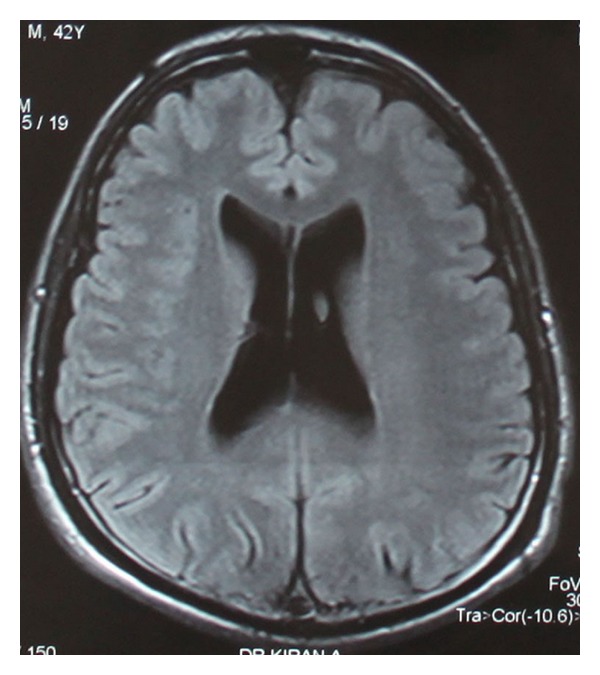
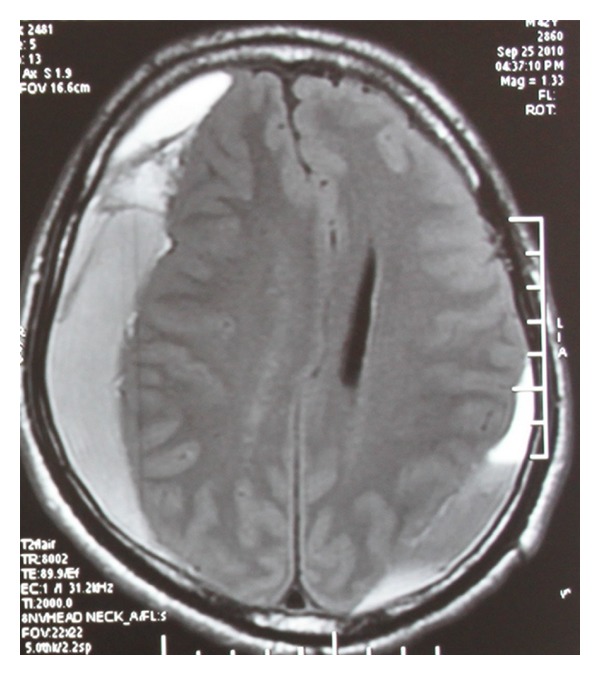
Electroconvulsive therapy (ECT) is commonly used in the management of medication nonresponsive depressive disorder, with proven efficacy in psychiatric practice since many decades. A rare complication of intracranial bleed following this therapeutic procedure has been reported in sporadic case reports in the English literature. We report a case of such a complication in a 42-year-old male, a known case of nonorganic medication nonresponsive depressive disorder for the last two years who required ECT application. Presenting symptoms included altered mental state, urinary incontinence, and repeated episodes of vomiting; following ECT procedure with magnetic resonance imaging (MRI) of the brain suggestive of bilateral acute subdural hematoma. Despite the view that it may be used in neurological conditions without raised intracranial tension, it will be worthwhile to be vigilant during post-ECT recovery for any emergent complications.
电休克疗法(ECT)常用于治疗药物难治性抑郁症,数十年来在精神病学实践中已证实其有效性。英文文献中的散发病例报告曾报道过该治疗程序后发生颅内出血这一罕见并发症。我们报告一例42岁男性出现这种并发症的病例,该男性在过去两年一直是已知的非器质性药物难治性抑郁症患者,需要接受ECT治疗。其呈现的症状包括精神状态改变、尿失禁和反复呕吐;ECT治疗后脑部磁共振成像(MRI)提示双侧急性硬膜下血肿。尽管有人认为ECT可用于颅内压未升高的神经疾病,但在ECT治疗后的恢复过程中警惕任何紧急并发症是很有必要的。