College of Nanoscale science and Engineering, University at Albany-State University of New York, 257 Fuller Road, Albany, New York 12203, United States.
Beilstein J Nanotechnol. 2012;3:712-21. doi: 10.3762/bjnano.3.81. Epub 2012 Oct 31.
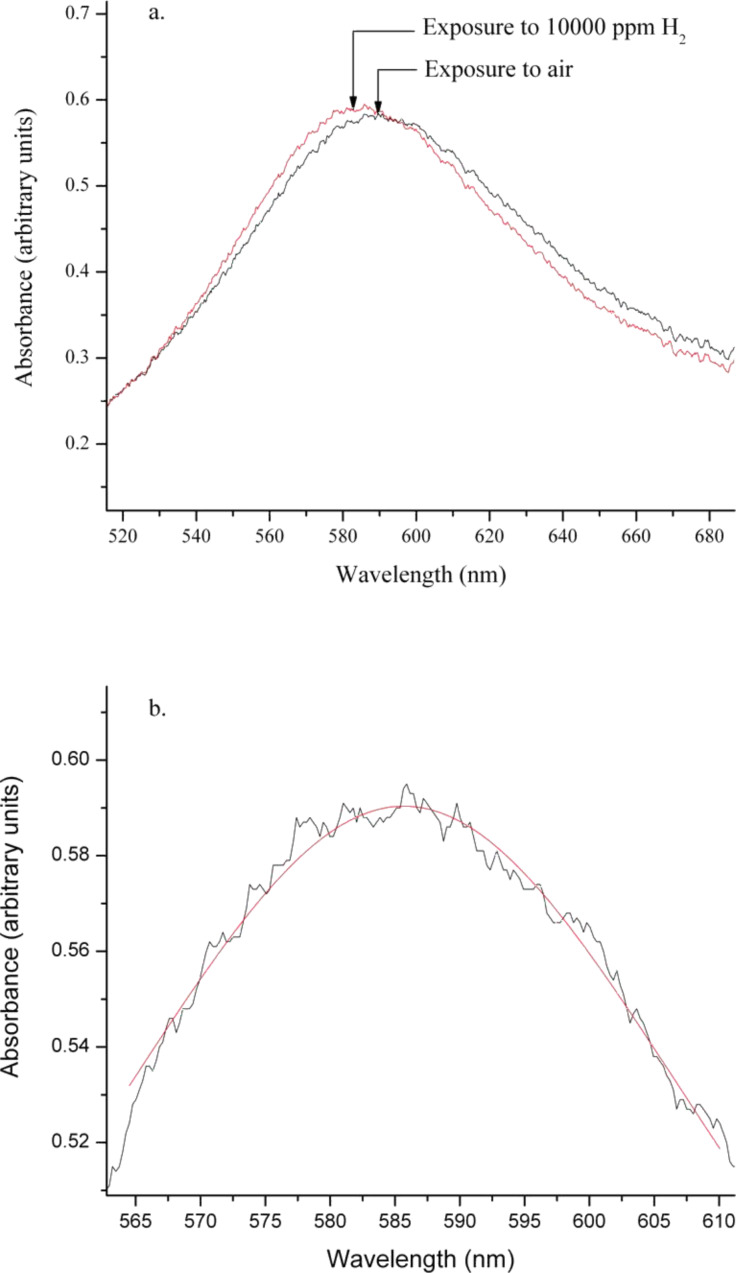
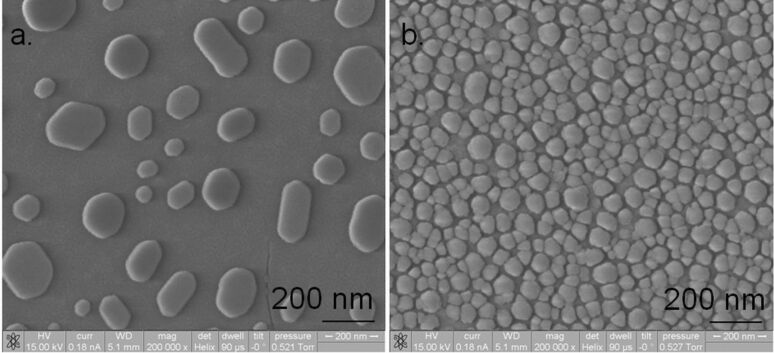
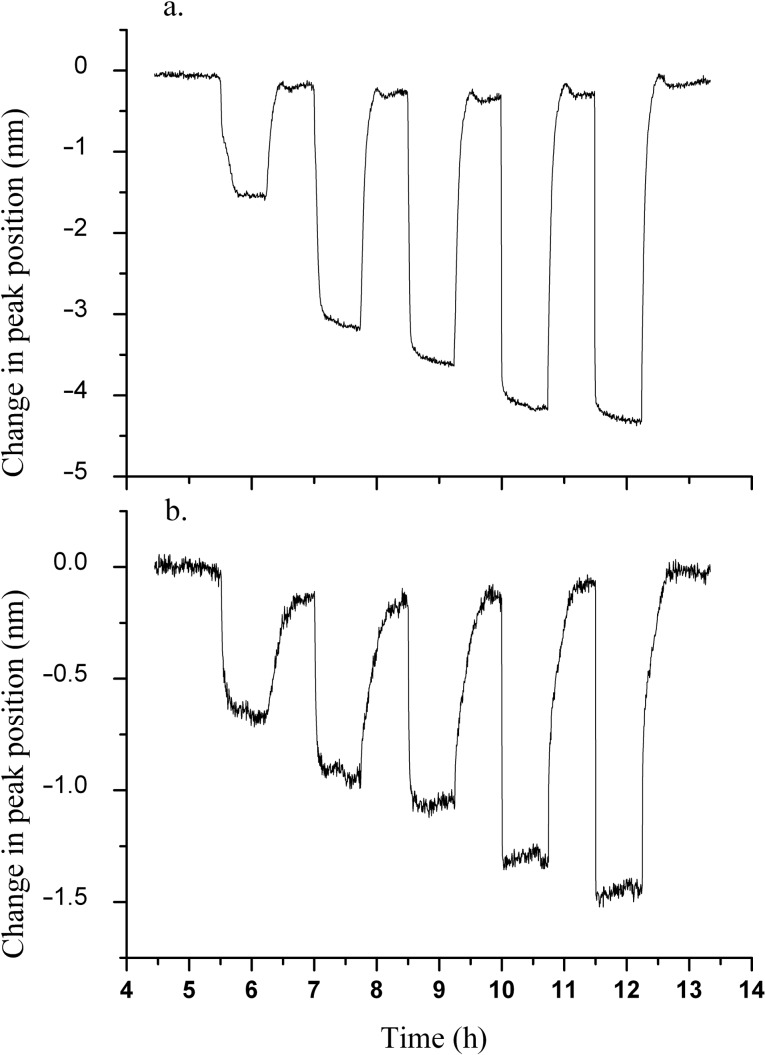
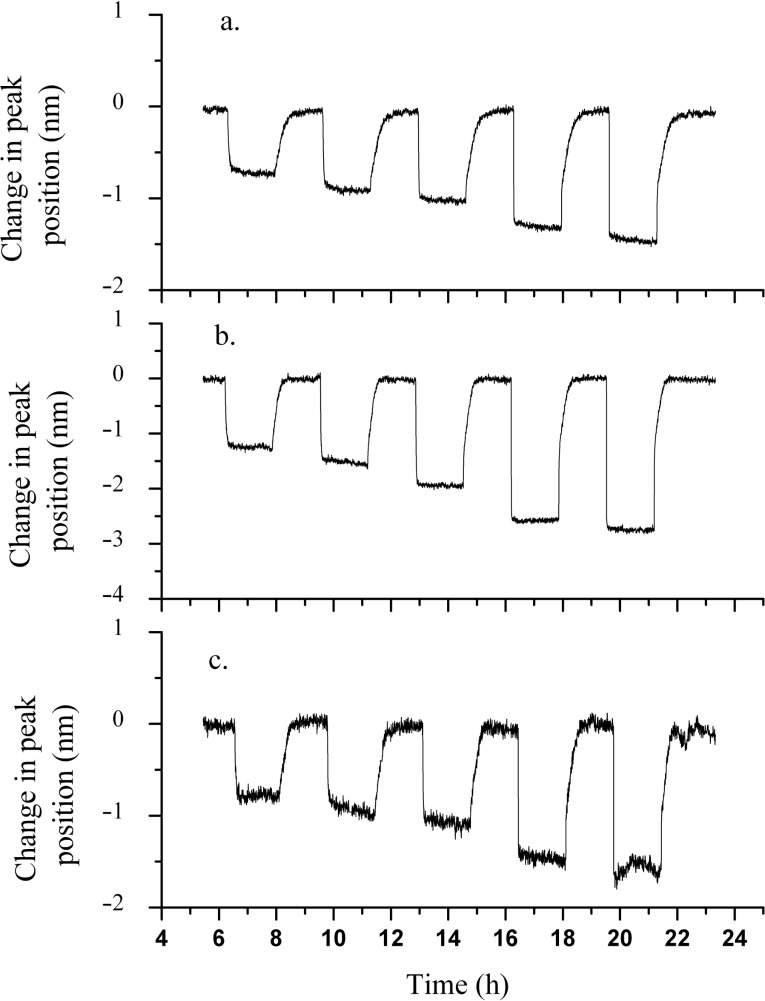
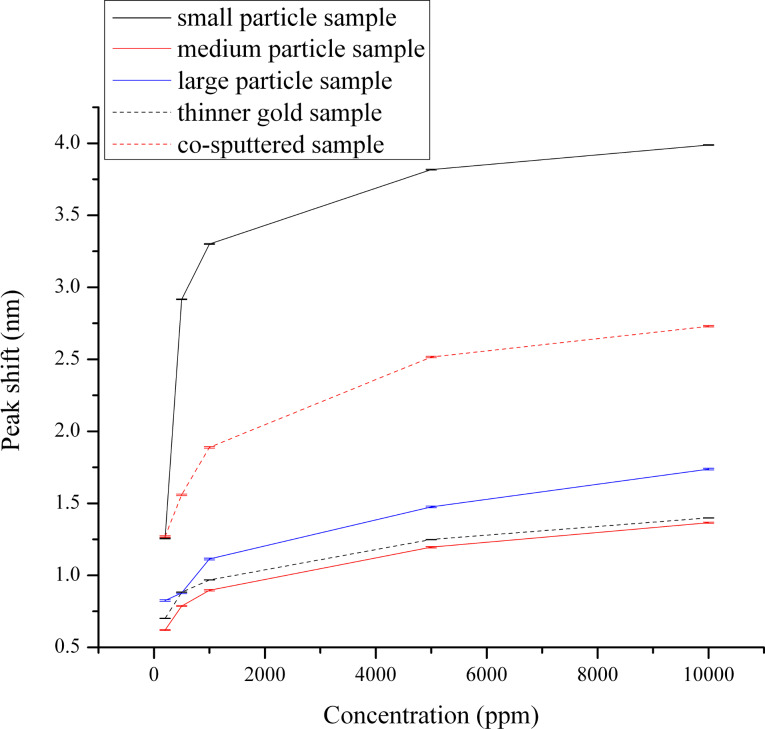
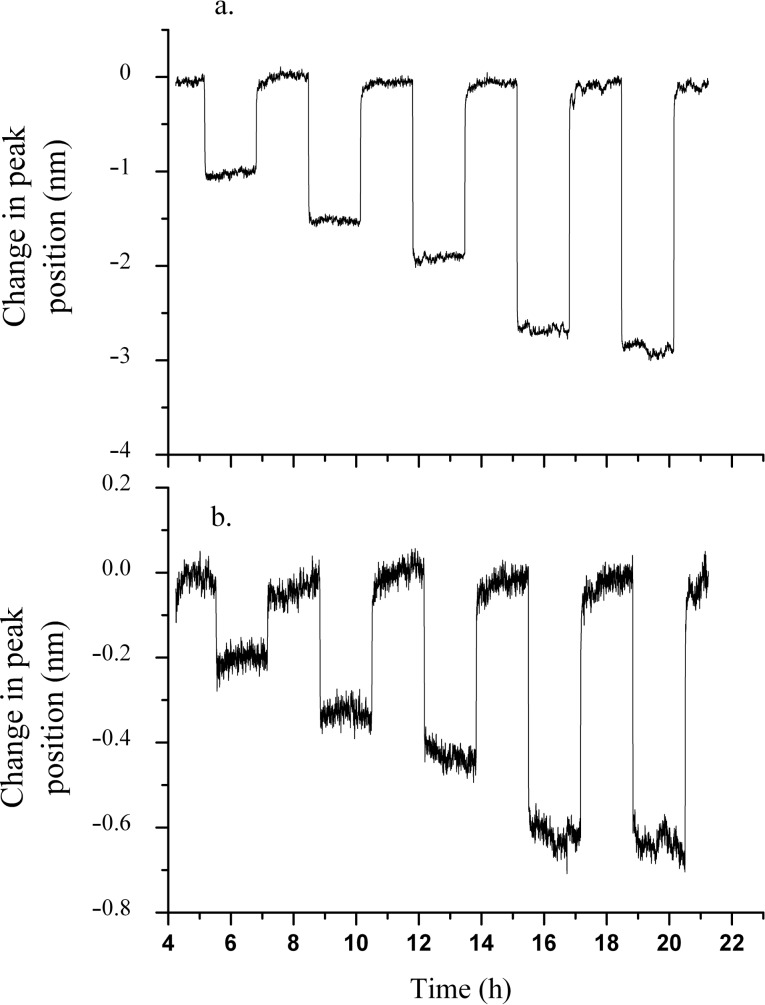
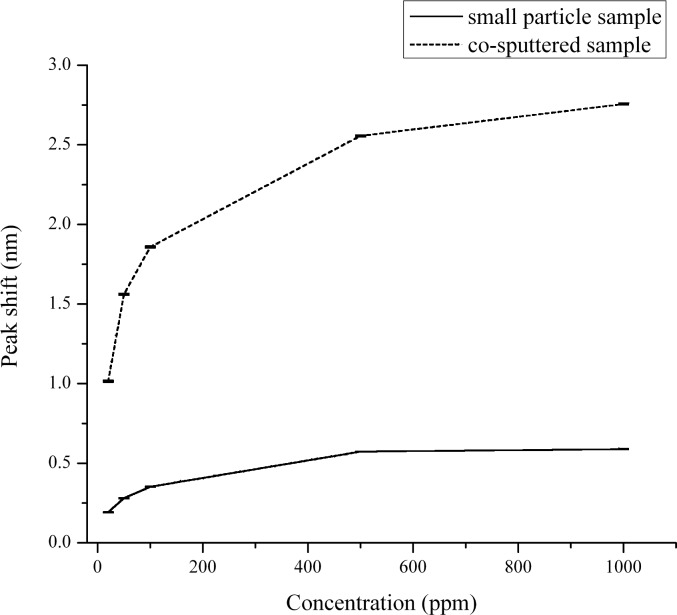
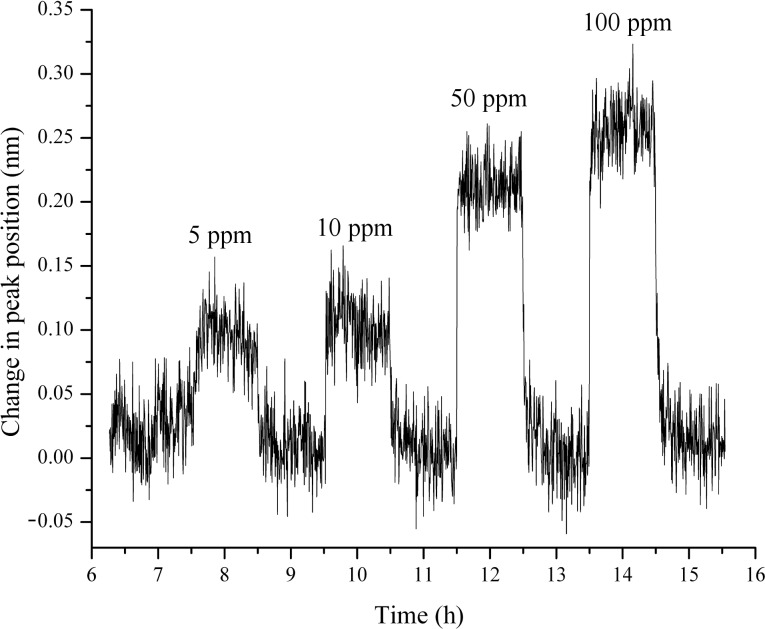
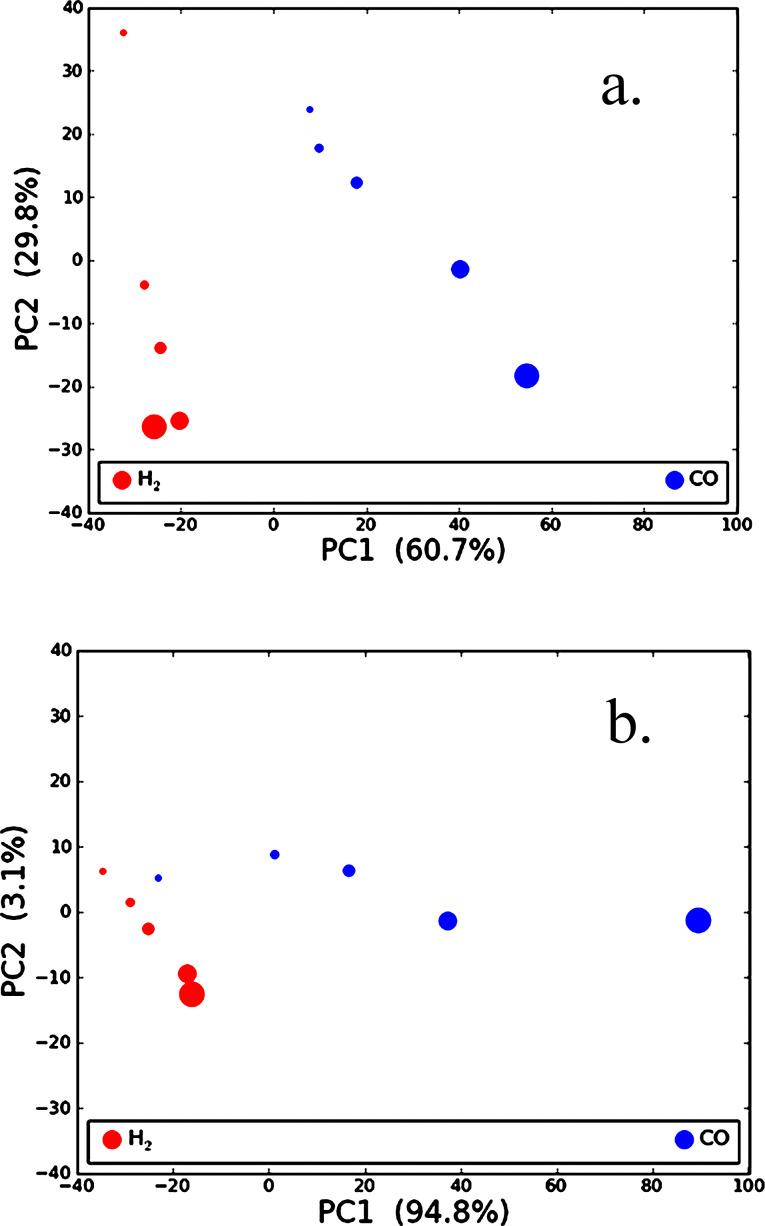
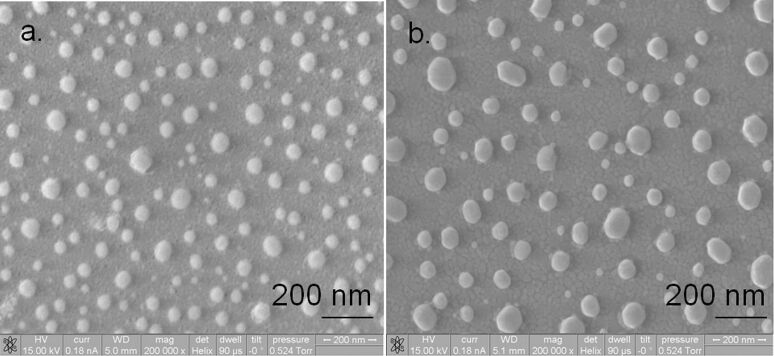
Monitoring emissions in high-temperature-combustion applications is very important for regulating the discharge of gases such as NO(2) and CO as well as unburnt fuel into the environment. This work reports the detection of H(2) and CO gases by employing a metal-metal oxide nanocomposite (gold-yttria stabilized zirconia (Au-YSZ)) film fabricated through layer-by-layer physical vapor deposition (PVD). The change in the peak position of the localized surface plasmon resonance (LSPR) was monitored as a function of time and gas concentration. The responses of the films were preferential towards H(2), as observed from the results of exposing the films to the gases at temperatures of 500 °C in a background of dry air. Characterization of the samples by XRD and SEM enabled the correlation of material properties with the differences in the CO- and H(2)-induced LSPR peak shifts, including the relative desensitization towards NO(2). Sensing characteristics of films with varying support thicknesses and metal-particle diameters have been studied, and the results are presented. A comparison has been made to films fabricated through co-sputtered PVD, and the calibration curves of the sensing response show a preferential response towards H(2). The distinction between H(2) and CO responses is also seen through the use of principal-component analysis (PCA). Such material arrangements, which can be tuned for their selectivity by changing certain parameters such as particle size, support thickness, etc., have direct applications within optical chemical sensors for turbine engines, solid-oxide fuel cells, and other high-temperature applications.
监测高温燃烧应用中的排放物对于控制气体(如 NO(2)和 CO)以及未燃烧燃料排放到环境中的情况非常重要。本工作通过采用通过层层物理气相沉积(PVD)制造的金属-金属氧化物纳米复合材料(金-氧化钇稳定氧化锆(Au-YSZ))薄膜,报告了对 H(2)和 CO 气体的检测。监测了局域表面等离子体共振(LSPR)的峰值位置随时间和气体浓度的变化。从将薄膜暴露于在干燥空气中的背景下在 500°C 温度下的气体的结果来看,薄膜对 H(2)的响应是优先的。通过 XRD 和 SEM 对样品进行的表征使材料特性与 CO 和 H(2)诱导的 LSPR 峰位移的差异相关联,包括对 NO(2)的相对脱敏。已经研究了具有不同支撑厚度和金属颗粒直径的薄膜的传感特性,并呈现了结果。已经对通过共溅射 PVD 制造的薄膜进行了比较,并且传感响应的校准曲线显示出对 H(2)的优先响应。通过使用主成分分析(PCA)也可以看到 H(2)和 CO 响应之间的区别。通过改变粒径、支撑厚度等某些参数来调整这些材料的选择性,可以将这种材料排列直接应用于涡轮发动机、固体氧化物燃料电池和其他高温应用的光学化学传感器中。