Department of Microbiology and Immunobiology, Harvard Medical School, Boston, MA 02115, USA.
Virology. 2013 Jan 5;435(1):57-69. doi: 10.1016/j.virol.2012.09.046.
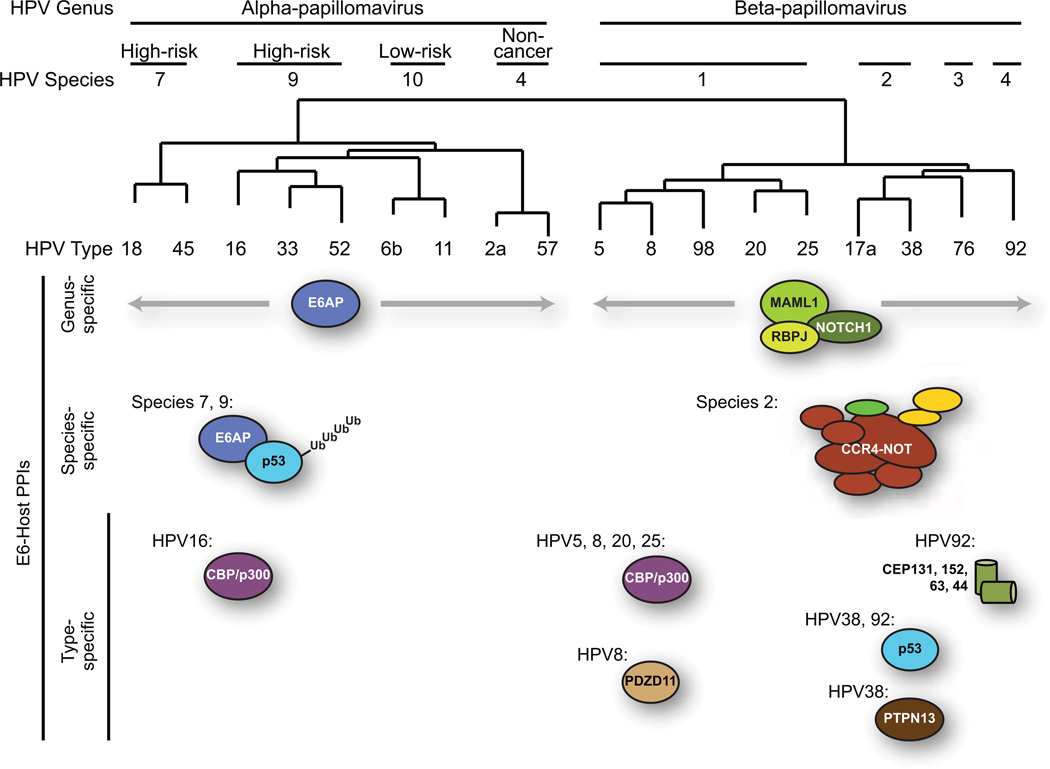
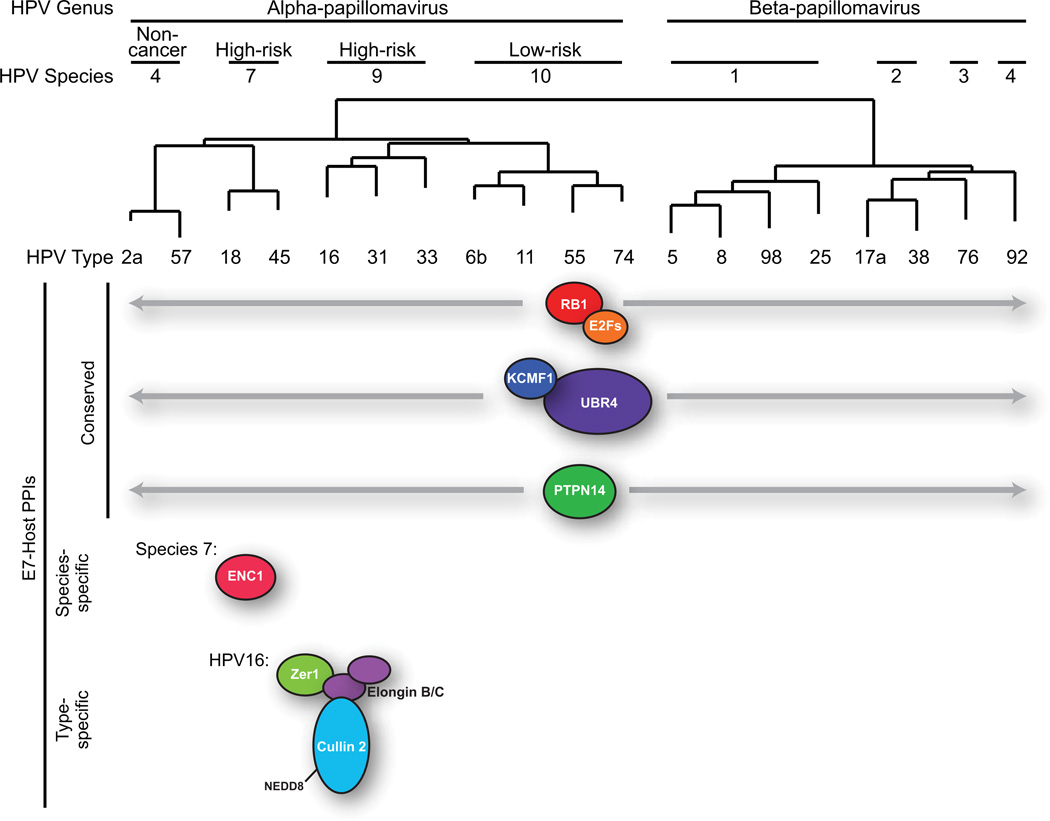
The identification of interactions between viral and host cellular proteins has provided major insights into papillomavirus research, and these interactions are especially relevant to the role of papillomaviruses in the cancers with which they are associated. Recent advances in mass spectrometry technology and data processing now allow the systematic identification of such interactions. This has led to an improved understanding of the different pathologies associated with the many papillomavirus types, and the diverse nature of these viruses is reflected in the spectrum of interactions with host proteins. Here we review a history of proteomic approaches, particularly as applied to the papillomaviruses, and summarize current techniques. Current proteomic studies on the papillomaviruses use yeast-two-hybrid or affinity purification-mass spectrometry approaches. We detail the advantages and disadvantages of each and describe current examples of papillomavirus proteomic studies, with a particular focus on the HPV E6 and E7 oncoproteins.
病毒和宿主细胞蛋白之间相互作用的鉴定为乳头瘤病毒研究提供了重要的见解,这些相互作用尤其与乳头瘤病毒在与其相关的癌症中的作用有关。近年来,质谱技术和数据处理的进步使得系统地鉴定这些相互作用成为可能。这使得人们对与多种乳头瘤病毒类型相关的不同病理有了更好的理解,而这些病毒的多样性也反映在与宿主蛋白的相互作用谱上。在这里,我们回顾了蛋白质组学方法的历史,特别是应用于乳头瘤病毒的方法,并总结了当前的技术。目前关于乳头瘤病毒的蛋白质组学研究使用酵母双杂交或亲和纯化-质谱分析方法。我们详细描述了每种方法的优缺点,并描述了当前乳头瘤病毒蛋白质组学研究的实例,特别关注 HPV E6 和 E7 致癌蛋白。