Department of Molecular Medicine, Cornell University, Ithaca, NY 14853-6401, USA.
Trends Mol Med. 2013 Feb;19(2):74-82. doi: 10.1016/j.molmed.2012.10.011. Epub 2012 Dec 5.
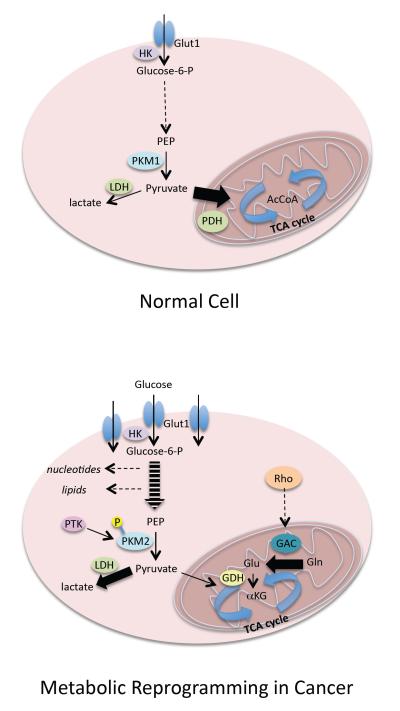
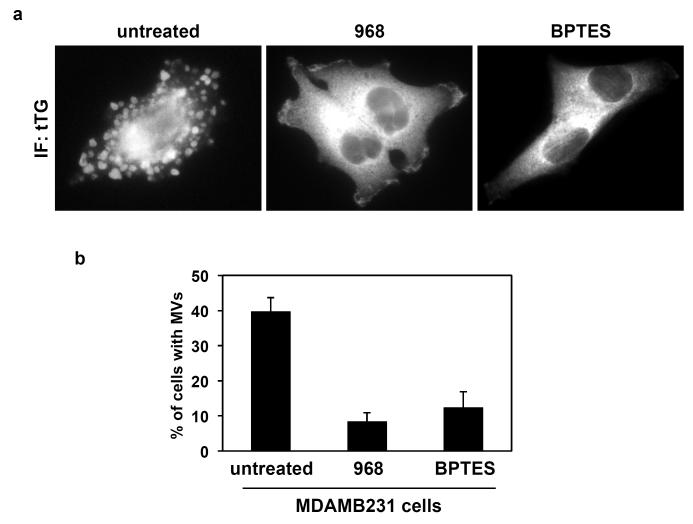
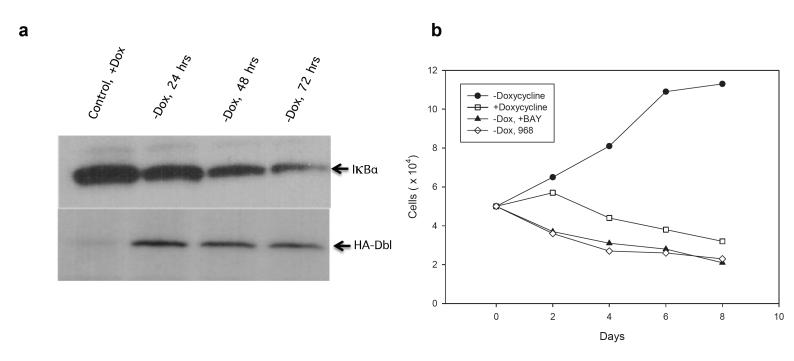
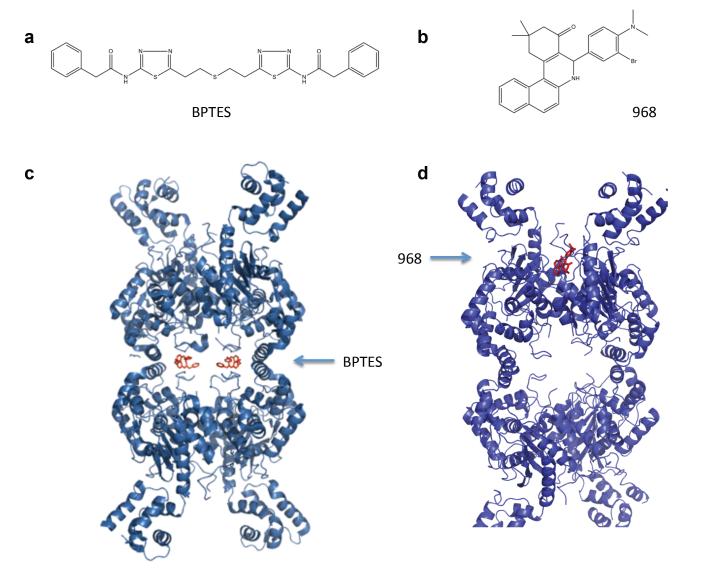
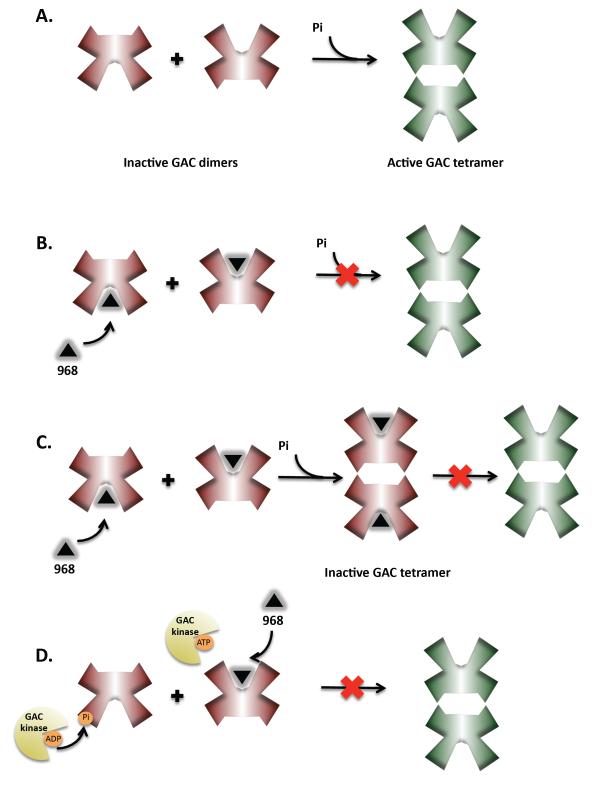
Recently, the small molecule 968 was found to block the Rho GTPase-dependent growth of cancer cells in cell culture and mouse xenografts, and when the target of 968 was found to be the mitochondrial enzyme glutaminase (GLS1), it revealed a surprising link between Rho GTPases and mitochondrial glutamine metabolism. Signal transduction via the Rho GTPases, together with NF-κB, appears to elevate mitochondrial glutaminase activity in cancer cells, thereby helping cancer cells satisfy their altered metabolic demands. Here, we review what is known about the mechanism of glutaminase activation in cancer cells, compare the properties of two distinct glutaminase inhibitors, and discuss recent findings that shed new light on how glutamine metabolism might affect cancer progression.
最近,小分子 968 被发现可阻止细胞培养和小鼠异种移植物中 Rho GTPase 依赖性癌细胞的生长,当发现 968 的靶标是线粒体酶谷氨酰胺酶(GLS1)时,它揭示了 Rho GTPases 与线粒体谷氨酰胺代谢之间的惊人联系。Rho GTPases 通过信号转导与 NF-κB 一起,似乎可提高癌细胞中的线粒体谷氨酰胺酶活性,从而帮助癌细胞满足其改变的代谢需求。在这里,我们回顾了已知的癌细胞中谷氨酰胺酶激活的机制,比较了两种不同的谷氨酰胺酶抑制剂的特性,并讨论了最近的发现,这些发现阐明了谷氨酰胺代谢如何影响癌症进展。