Pescosolido Matthew F, Yang Unikora, Sabbagh Mark, Morrow Eric M
Department of Molecular Biology, Cell Biology and Biochemistry, Brown University, Providence, RI 02912, USA.
Dialogues Clin Neurosci. 2012 Sep;14(3):239-52.
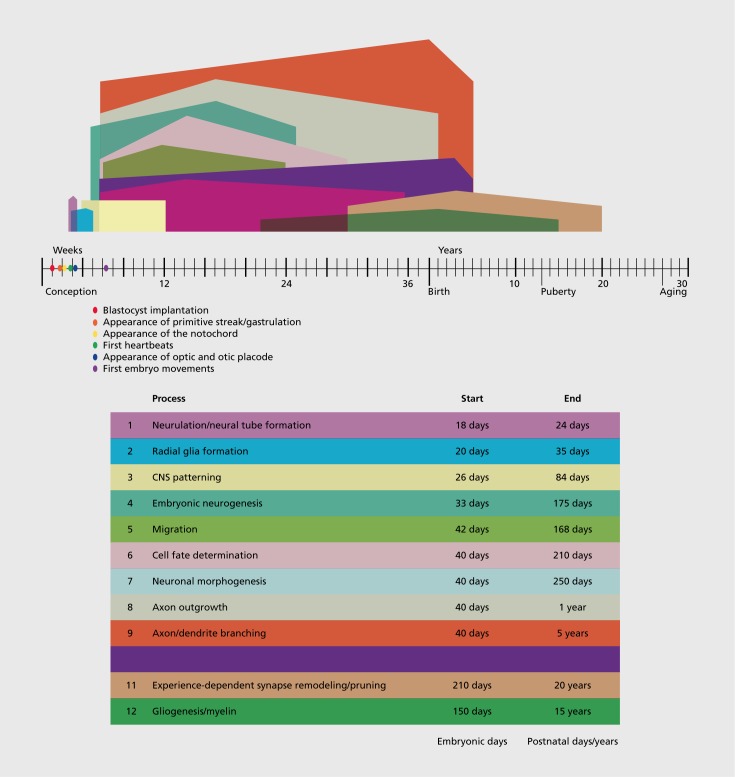
In this review, we outline critical molecular processes that have been implicated by discovery of genetic mutations in autism. These mechanisms need to be mapped onto the neurodevelopment step(s) gone awry that may be associated with cause in autism. Molecular mechanisms include: (i) regulation of gene expression; (ii) pre-mRNA splicing; (iii) protein localization, translation, and turnover; (iv) synaptic transmission; (v) cell signaling; (vi) the functions of cytoskeletal and scaffolding proteins; and (vii) the function of neuronal cell adhesion molecules. While the molecular mechanisms appear broad, they may converge on only one of a few steps during neurodevelopment that perturbs the structure, function, and/or plasticity of neuronal circuitry. While there are many genetic mutations involved, novel treatments may need to target only one of few developmental mechanisms.
在本综述中,我们概述了因自闭症基因突变的发现而涉及的关键分子过程。这些机制需要对应到可能与自闭症病因相关的出错的神经发育步骤上。分子机制包括:(i)基因表达调控;(ii)前体mRNA剪接;(iii)蛋白质定位、翻译和周转;(iv)突触传递;(v)细胞信号传导;(vi)细胞骨架和支架蛋白的功能;以及(vii)神经元细胞粘附分子的功能。虽然分子机制看似广泛,但它们可能仅在神经发育过程中少数几个扰乱神经元回路结构、功能和/或可塑性的步骤之一上汇聚。虽然涉及许多基因突变,但新的治疗方法可能只需要针对少数几个发育机制之一。