Tong Xia-Jing, Hu Zhitao, Liu Yu, Anderson Dorian, Kaplan Joshua M
Department of Molecular Biology, Massachusetts General Hospital, Harvard Medical School, Boston, United States.
Department of Neurobiology, Harvard Medical School, Boston, United States.
Elife. 2015 Nov 17;4:e09648. doi: 10.7554/eLife.09648.
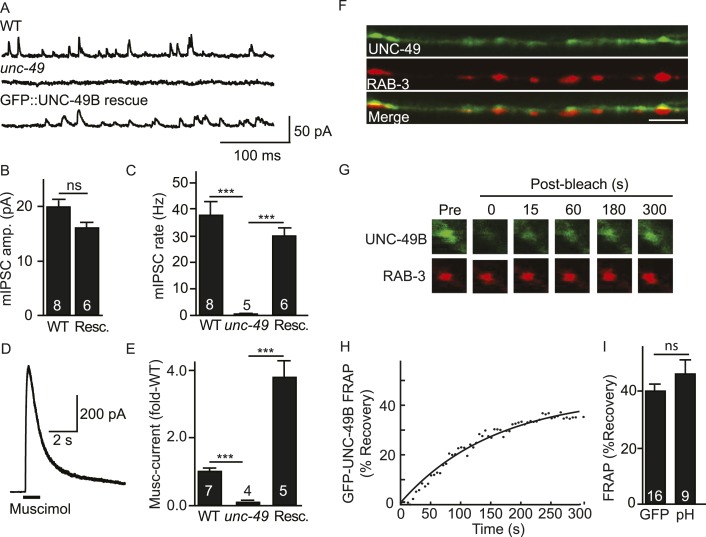
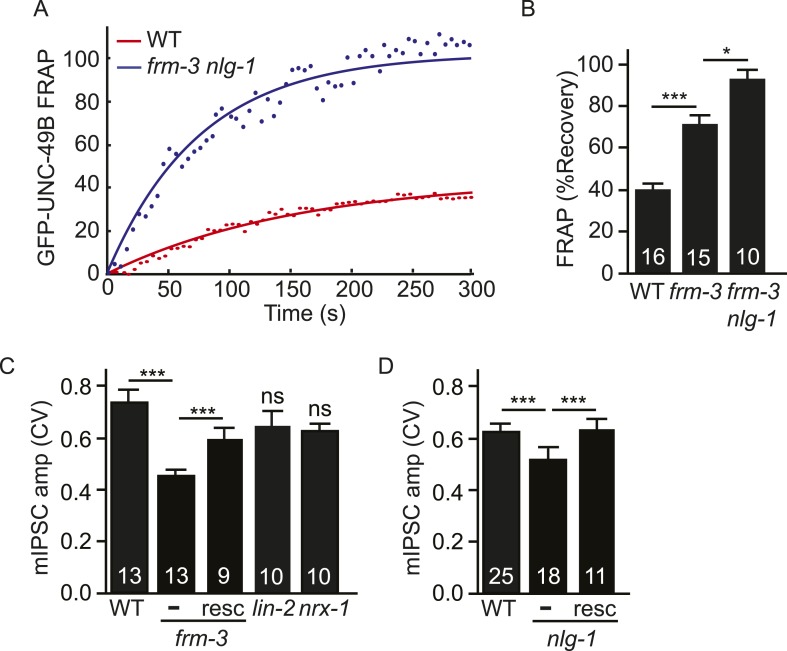
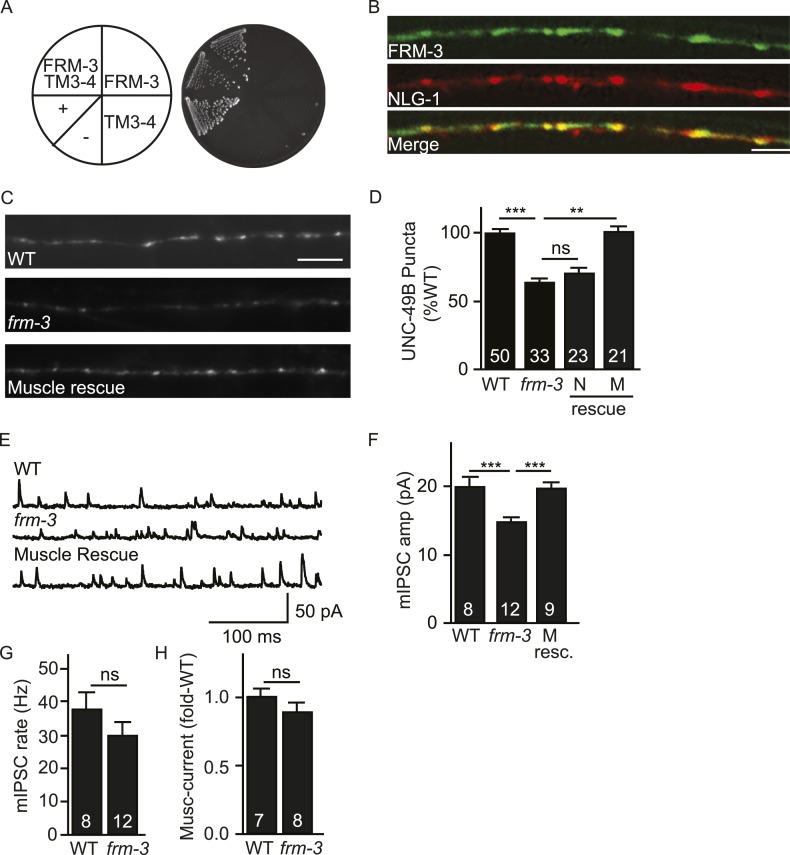
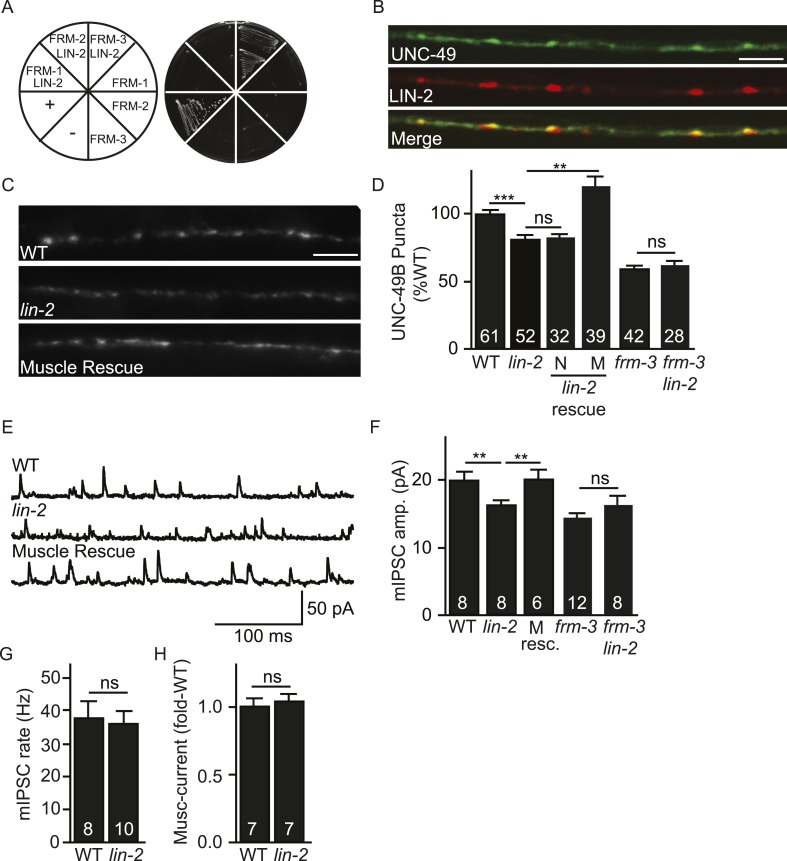
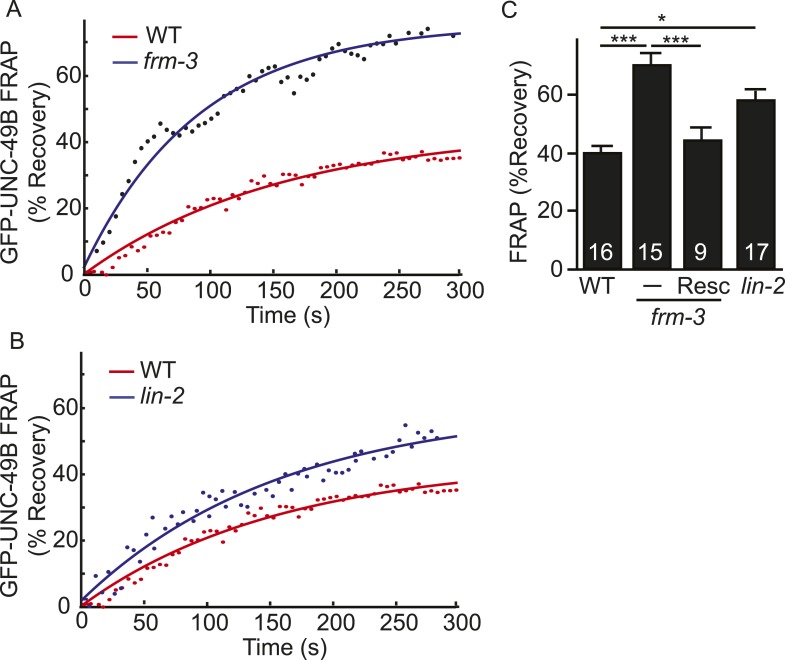
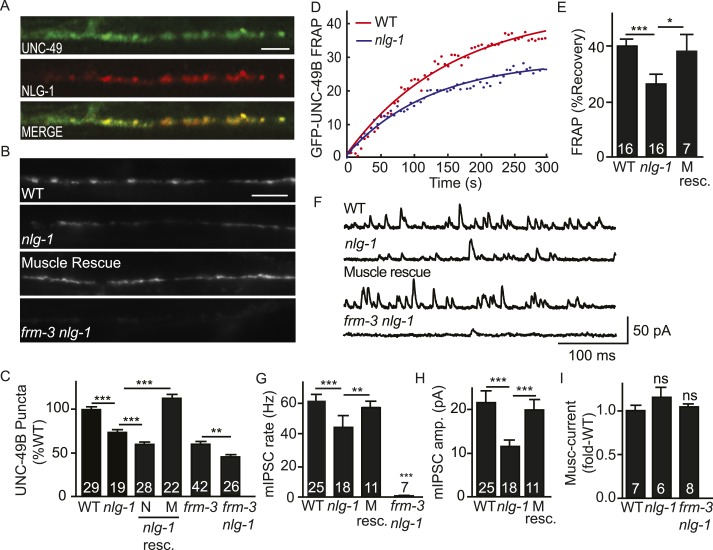
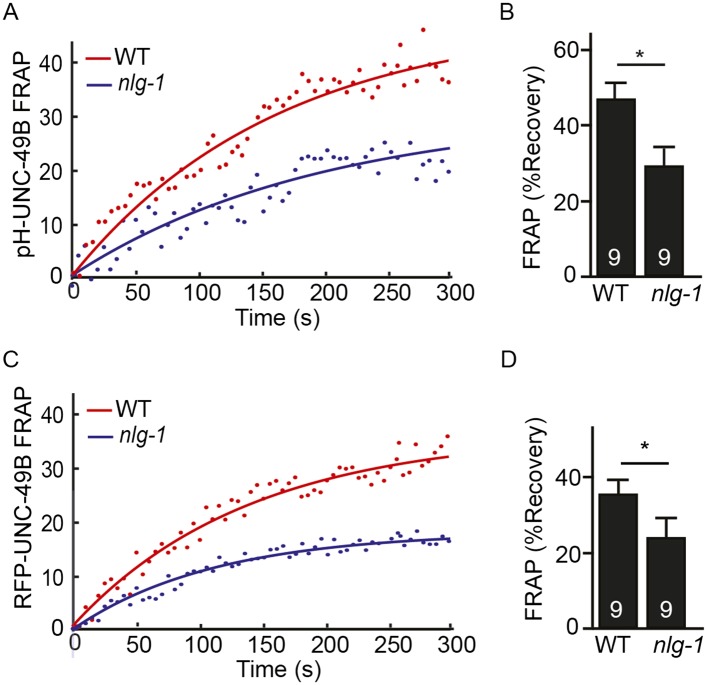
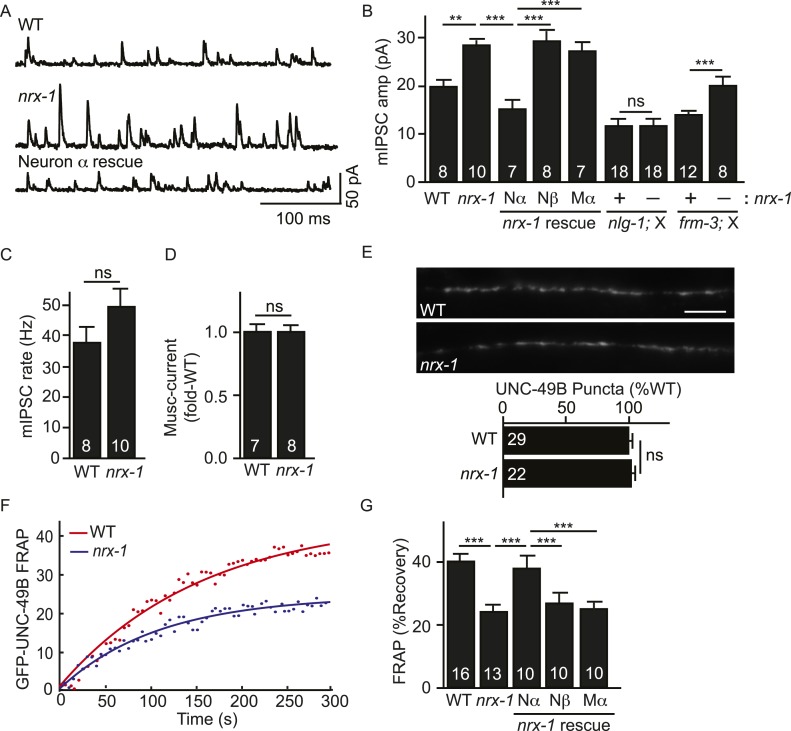
Changing receptor abundance at synapses is an important mechanism for regulating synaptic strength. Synapses contain two pools of receptors, immobilized and diffusing receptors, both of which are confined to post-synaptic elements. Here we show that immobile and diffusing GABA(A) receptors are stabilized by distinct synaptic scaffolds at C. elegans neuromuscular junctions. Immobilized GABA(A) receptors are stabilized by binding to FRM-3/EPB4.1 and LIN-2A/CASK. Diffusing GABA(A) receptors are stabilized by the synaptic adhesion molecules Neurexin and Neuroligin. Inhibitory post-synaptic currents are eliminated in double mutants lacking both scaffolds. Neurexin, Neuroligin, and CASK mutations are all linked to Autism Spectrum Disorders (ASD). Our results suggest that these mutations may directly alter inhibitory transmission, which could contribute to the developmental and cognitive deficits observed in ASD.
改变突触处受体的丰度是调节突触强度的重要机制。突触包含两类受体池,即固定受体和扩散受体,二者均局限于突触后成分。我们在此表明,在秀丽隐杆线虫神经肌肉接头处,固定型和扩散型GABA(A)受体由不同的突触支架稳定。固定型GABA(A)受体通过与FRM-3/EPB4.1和LIN-2A/CASK结合而稳定。扩散型GABA(A)受体由突触粘附分子Neurexin和Neuroligin稳定。在缺乏这两种支架的双突变体中,抑制性突触后电流消失。Neurexin、Neuroligin和CASK突变均与自闭症谱系障碍(ASD)相关。我们的结果表明,这些突变可能直接改变抑制性传递,这可能导致ASD中观察到的发育和认知缺陷。