Department of Neurosurgery, Southwest Hospital, Third Military Medical University, Chongqing, People's Republic of China.
PLoS One. 2012;7(12):e50764. doi: 10.1371/journal.pone.0050764. Epub 2012 Dec 11.
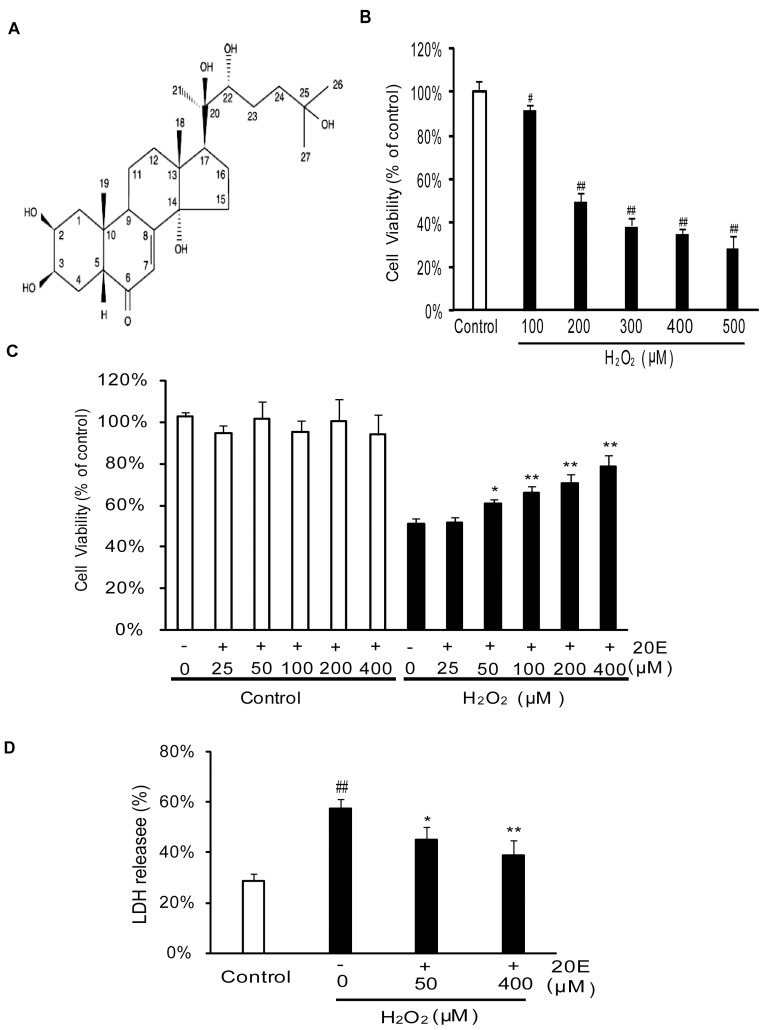
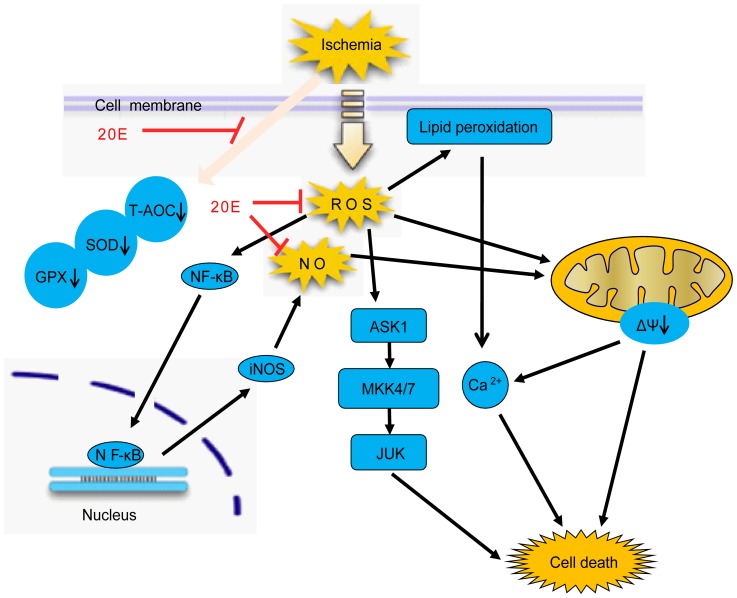
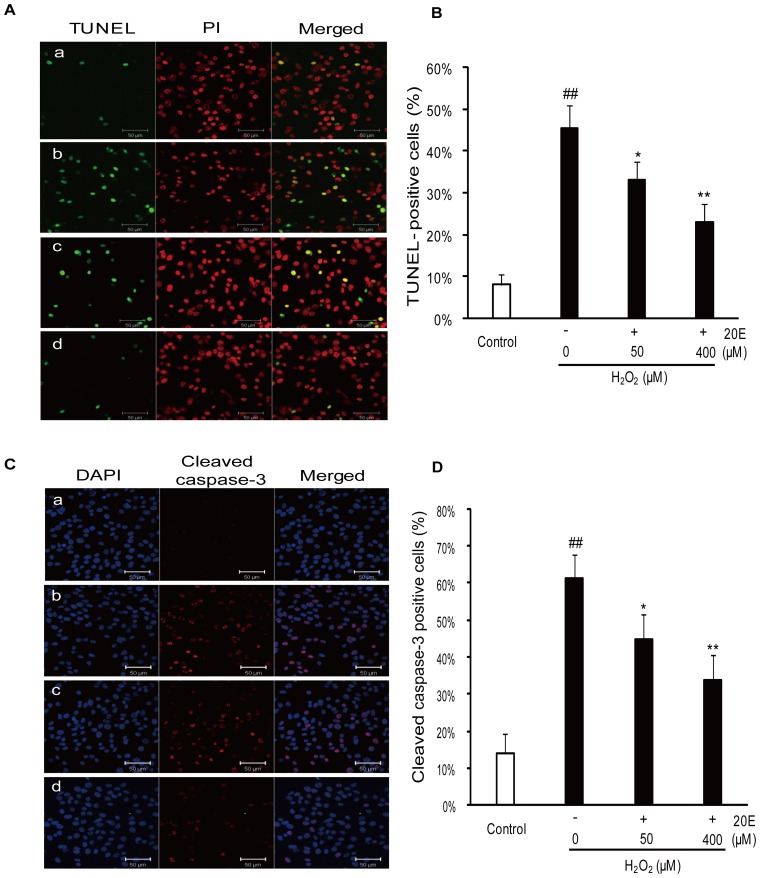
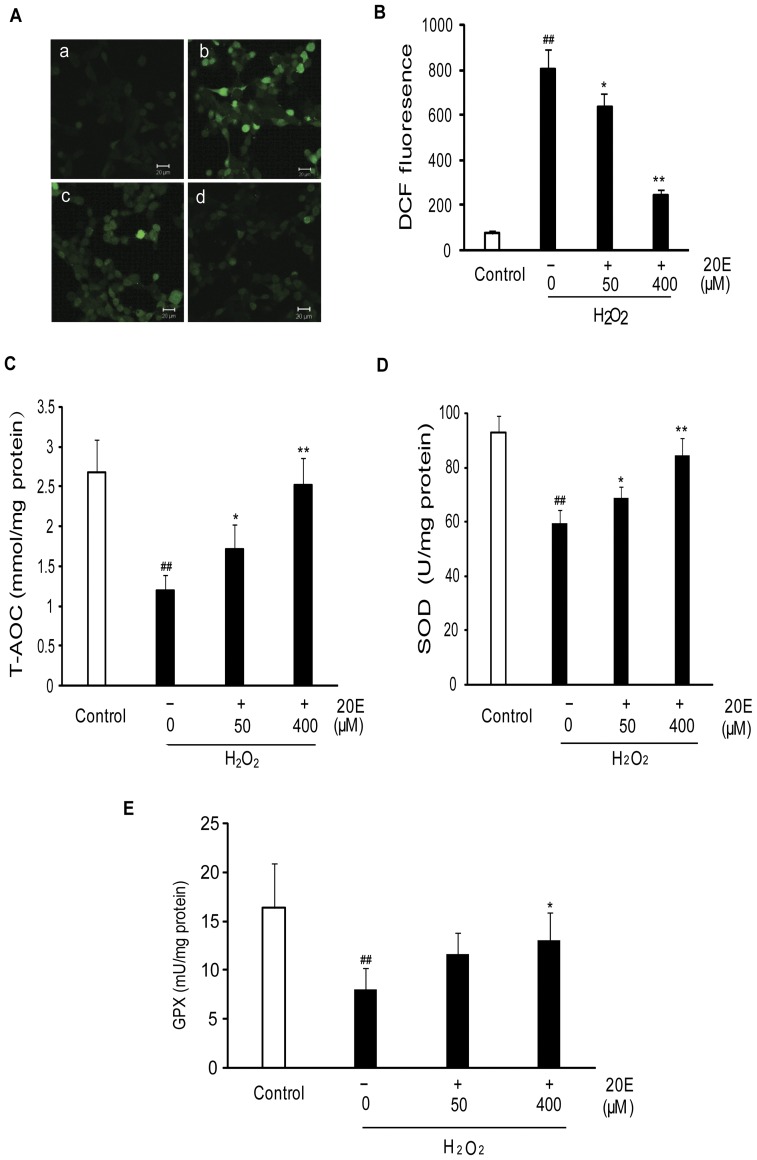
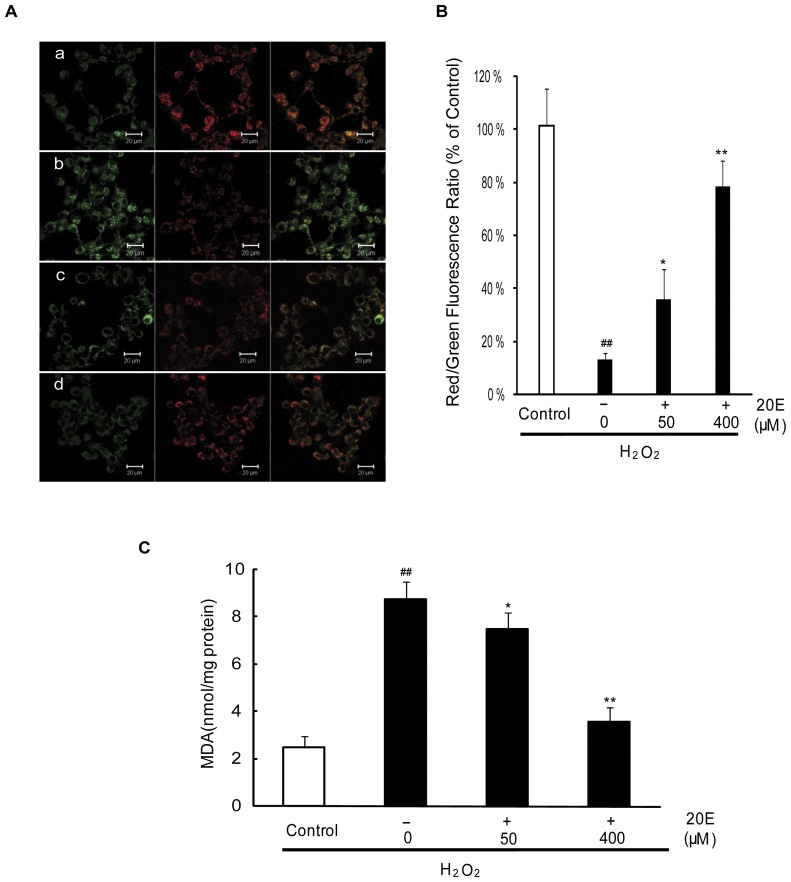
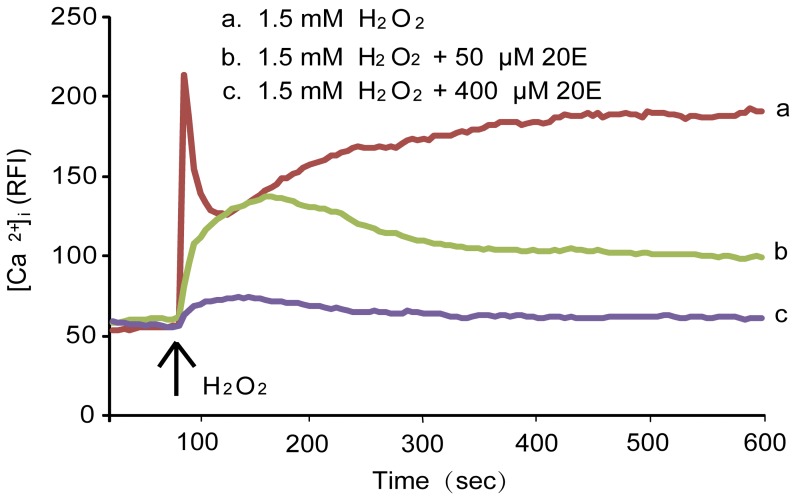
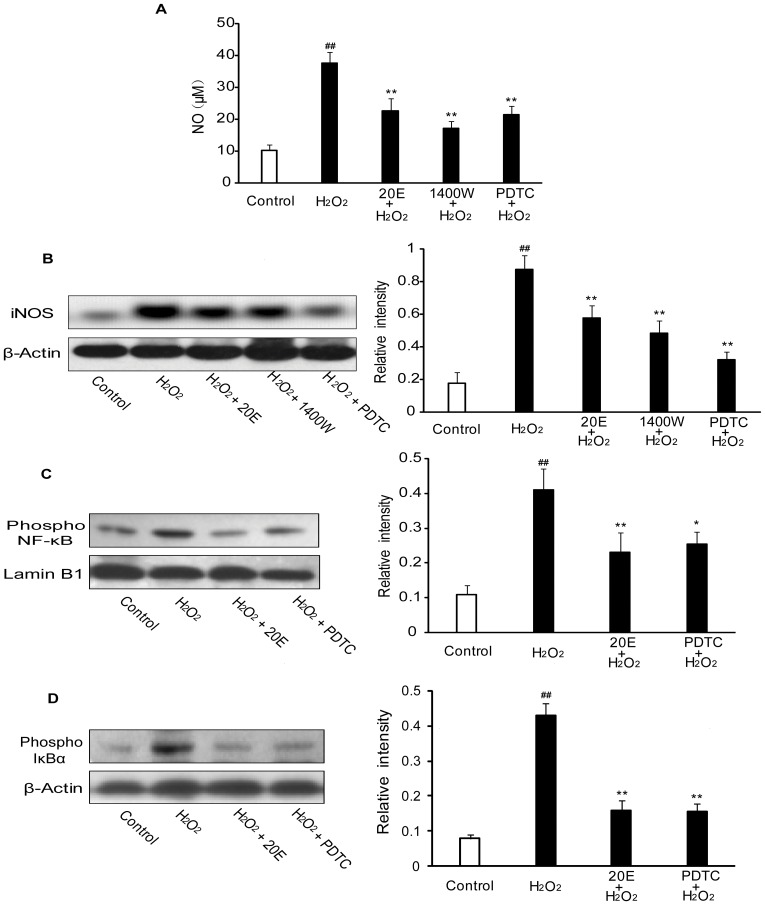
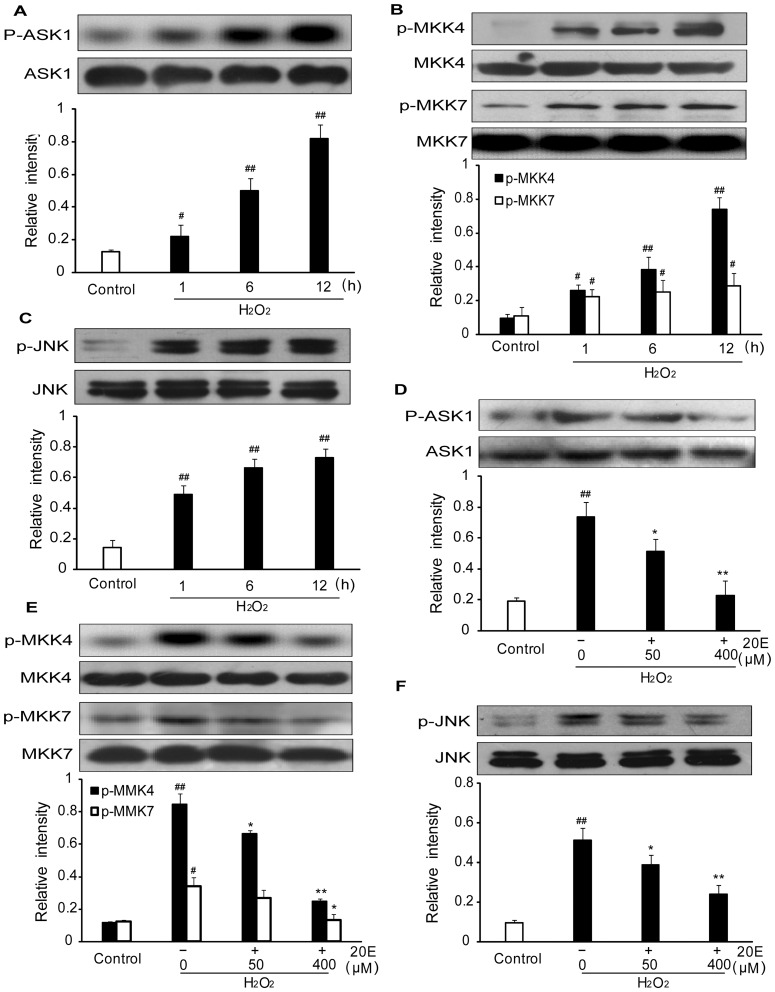
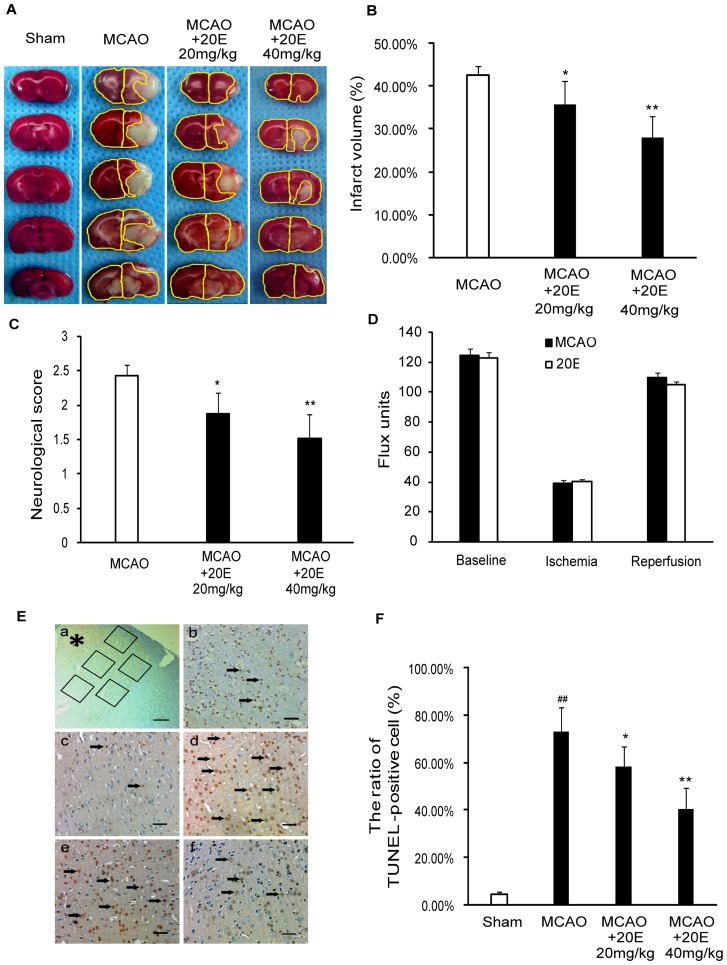
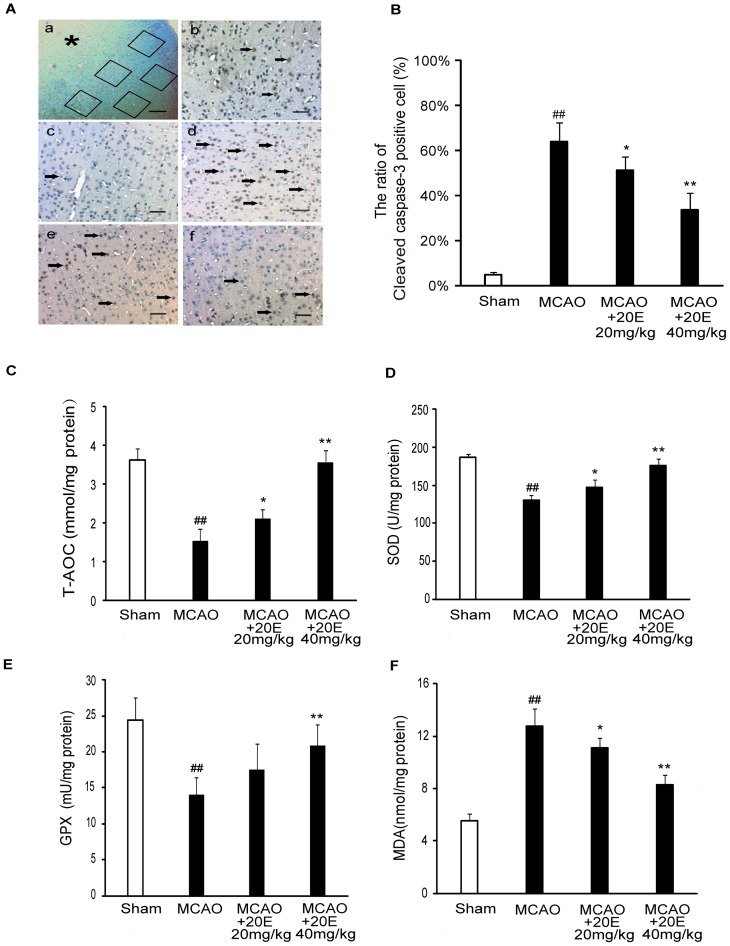
Oxidative stress plays an important role in the pathological processes of ischemic brain damage. Many antioxidants have been shown to protect against cerebral ischemia injury by inhibiting oxidative stress both in vitro and in vivo. 20-Hydroxyecdysone (20E), an ecdysteroid hormone, exhibits antioxidative effects. For the work described in this paper, we used an in vitro oxidative damage model and an in vivo ischemic model of middle cerebral artery occlusion (MCAO) to investigate the neuroprotective effects of 20E and the mechanisms related to these effects. Treatment of cells with H(2)O(2) led to neuronal injury, intracellular ROS/RNS generation, mitochondrial membrane potential dissipation, cellular antioxidant potential descent, an increase in malondialdehyde (MDA) and an elevation of intracellular [Ca(2+)], all of which were markedly attenuated by 20E. Inhibition of the activation of the ASK1-MKK4/7-JNK stress signaling pathway and cleaved caspase-3 induced by oxidative stress were involved in the neuroprotection afforded by 20E. In addition, 20E reduced the expression of iNOS protein by inhibition of NF-κB activation. The neuroprotective effect of 20E was also confirmed in vivo. 20E significantly decreased infarct volume and the neurological deficit score, restored antioxidant potential and inhibited the increase in MDA and TUNEL-positive and cleaved caspase-3-positive cells in the cerebral cortex in MCAO rats. Together, these results support that 20E protects against cerebral ischemia injury by inhibiting ROS/RNS production and modulating oxidative stress-induced signal transduction pathways.
氧化应激在缺血性脑损伤的病理过程中起着重要作用。许多抗氧化剂已被证明通过抑制体外和体内的氧化应激来保护大脑免受缺血性损伤。20-羟基蜕皮甾酮(20E)是一种蜕皮甾酮激素,具有抗氧化作用。在本文所述的工作中,我们使用体外氧化损伤模型和大脑中动脉闭塞(MCAO)的体内缺血模型来研究 20E 的神经保护作用及其与这些作用相关的机制。用 H 2 O 2 处理细胞会导致神经元损伤、细胞内 ROS/RNS 生成、线粒体膜电位耗散、细胞抗氧化能力下降、丙二醛(MDA)增加和细胞内 [Ca 2+] 升高,所有这些都被 20E 明显减弱。ASK1-MKK4/7-JNK 应激信号通路的激活和氧化应激诱导的半胱天冬酶-3 的切割被认为是 20E 提供的神经保护作用的一部分。此外,20E 通过抑制 NF-κB 激活来减少 iNOS 蛋白的表达。20E 在体内也证实了其神经保护作用。20E 显著降低了脑梗死体积和神经功能缺损评分,恢复了抗氧化能力,并抑制了 MCAO 大鼠大脑皮质中 MDA 和 TUNEL 阳性及切割 caspase-3 阳性细胞的增加。综上所述,这些结果支持 20E 通过抑制 ROS/RNS 的产生和调节氧化应激诱导的信号转导通路来保护大脑免受缺血性损伤。