Section of Rheumatology, Department of Medicine, Gwen Knapp Center for Lupus and Immunology Research, University of Chicago, Chicago, IL 60637, USA.
J Exp Med. 2013 Jan 14;210(1):125-42. doi: 10.1084/jem.20120525. Epub 2012 Dec 24.
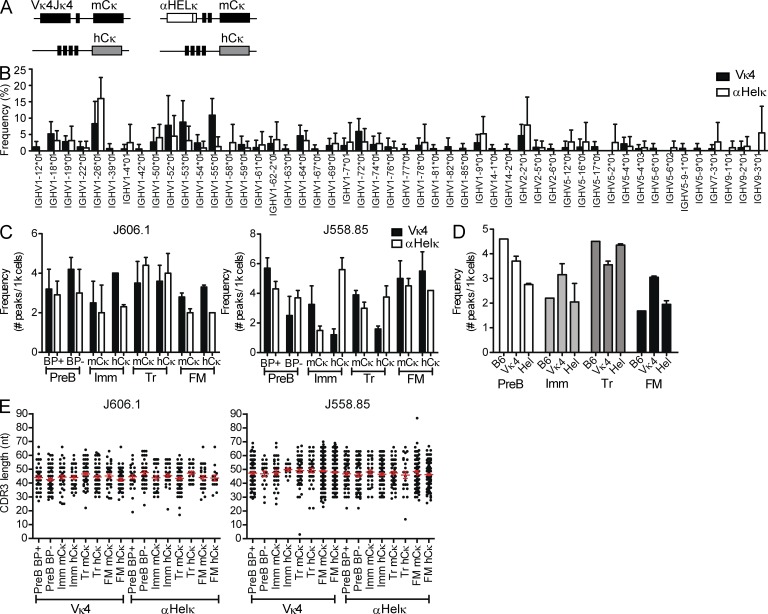
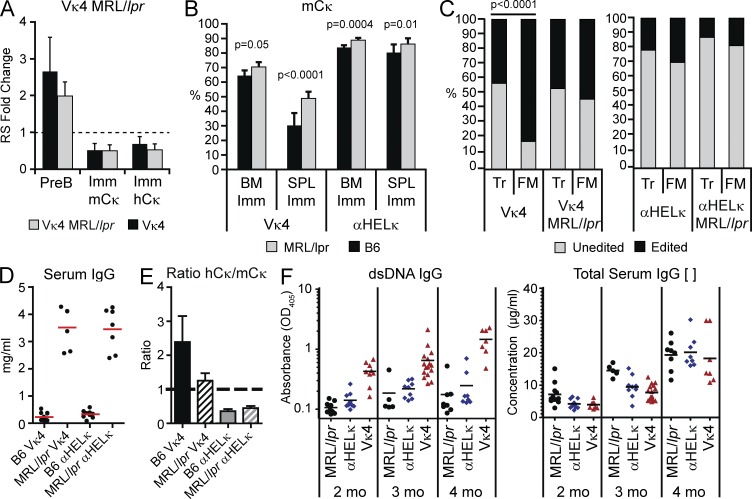
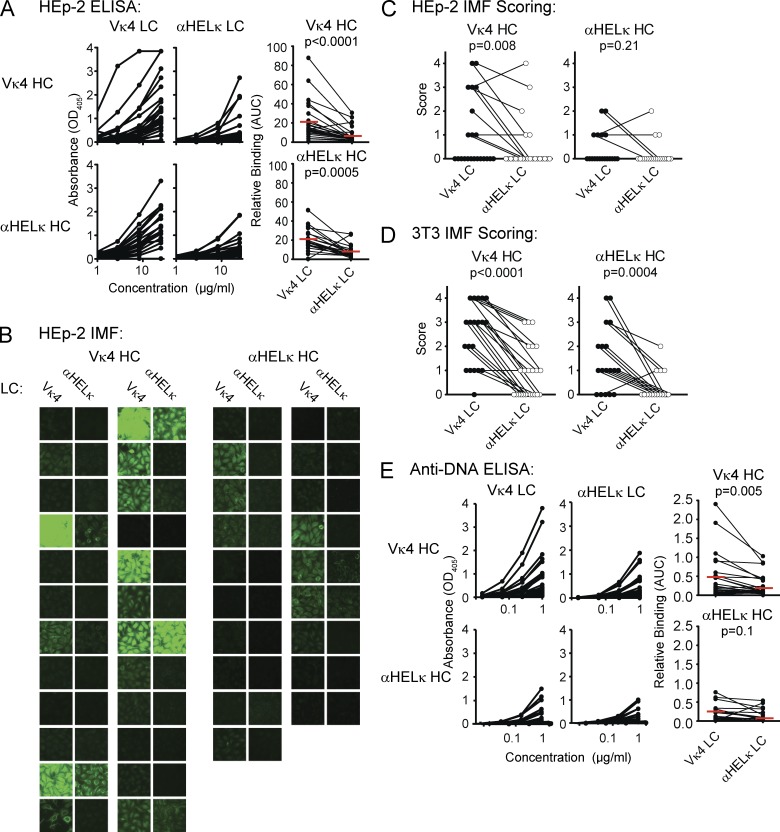
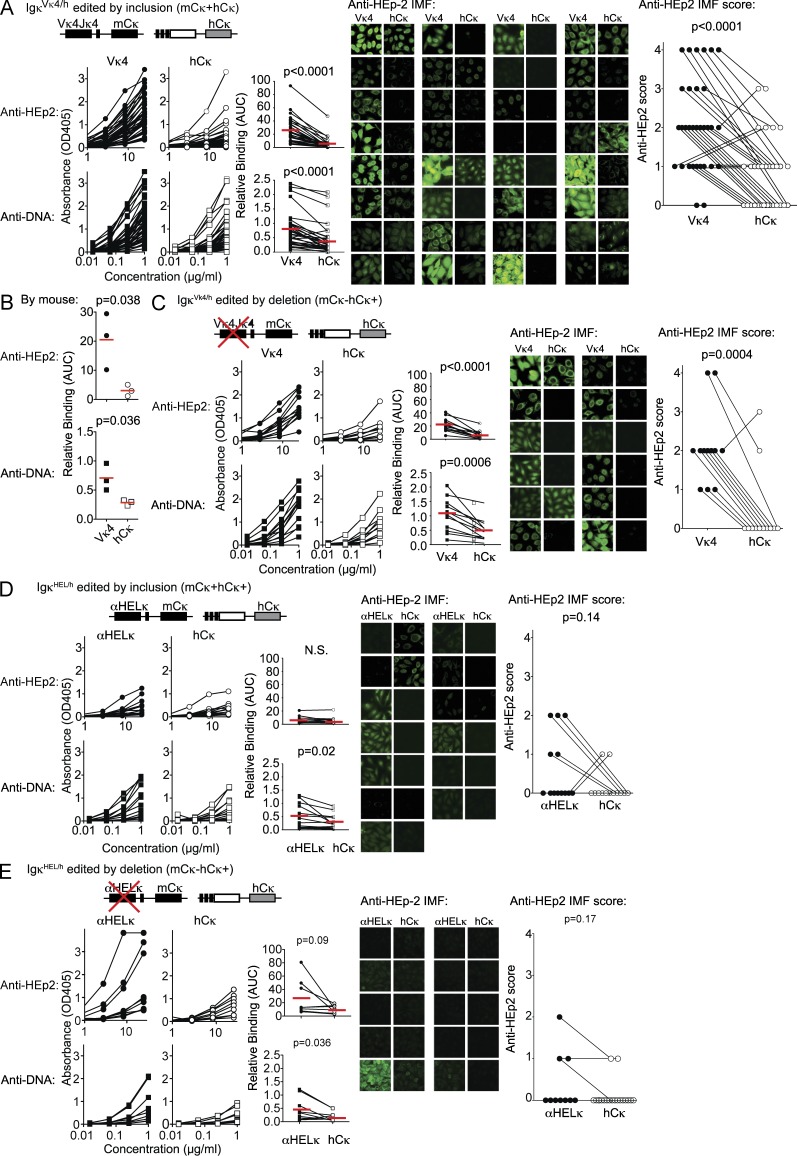
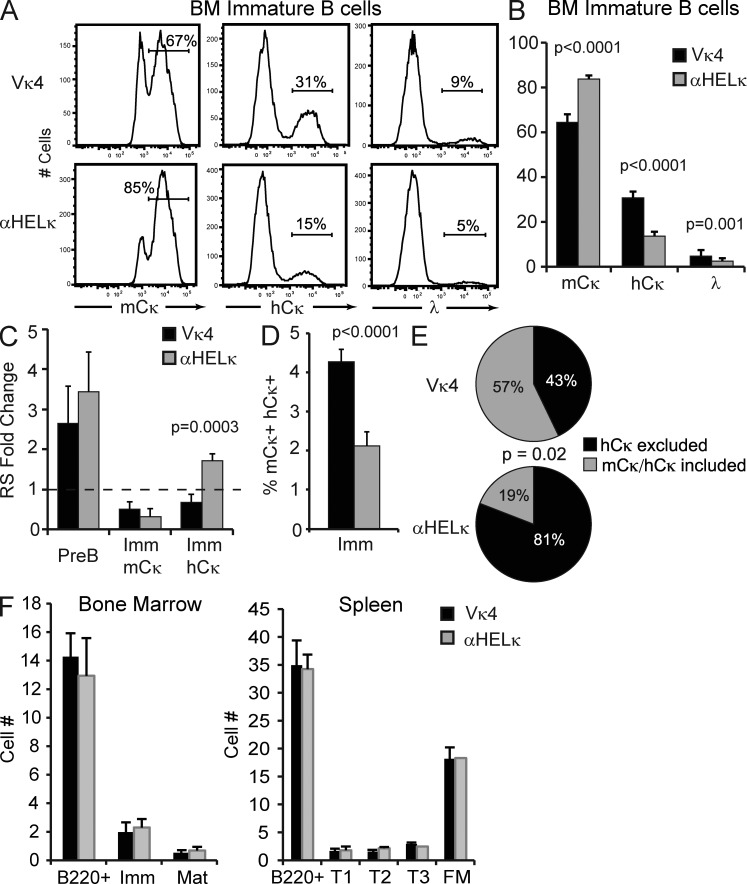
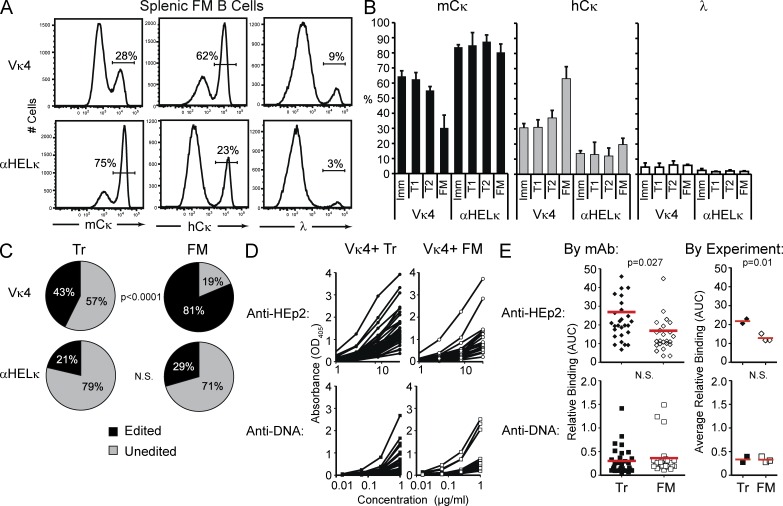
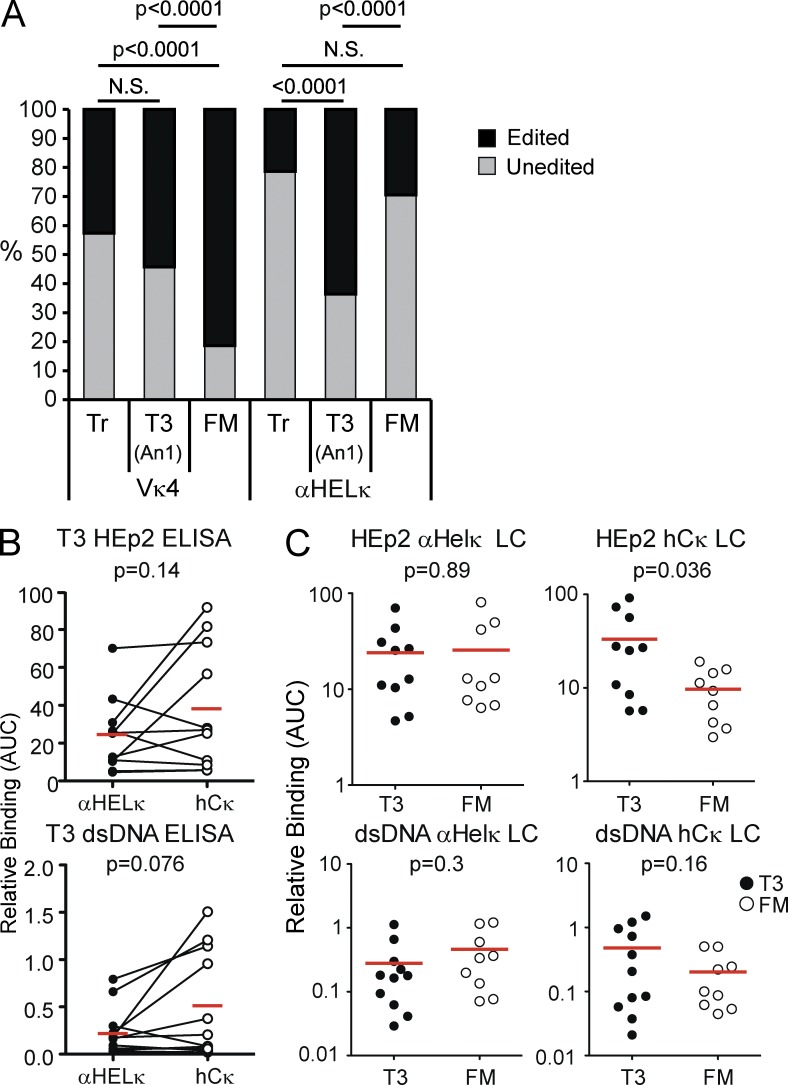
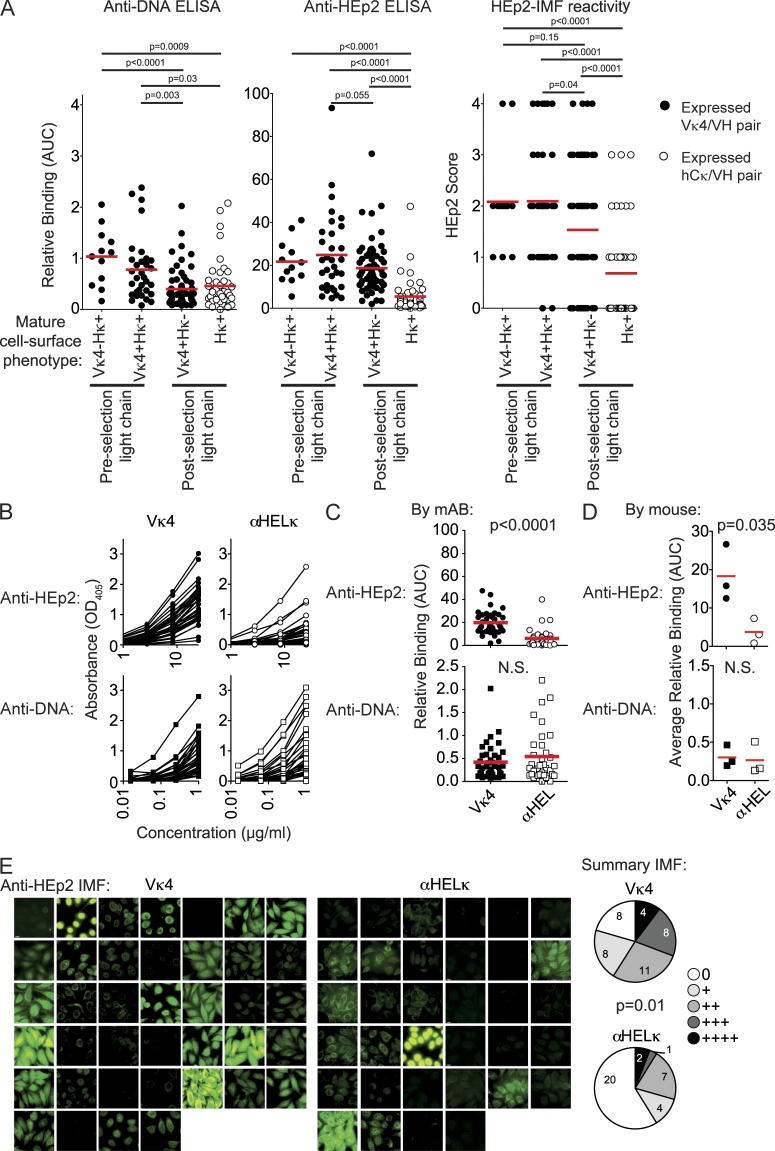
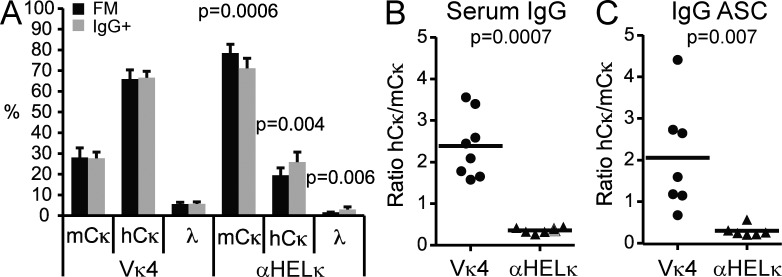
The important subtleties of B cell tolerance are best understood in a diverse immunoglobulin (Ig) repertoire context encoding a full spectrum of autoreactivity. To achieve this, we used mice expressing Igκ transgenes that confer varying degrees of autoreactivity within a diverse heavy chain (HC) repertoire. These transgenes, coupled with a biomarker to identify receptor-edited cells and combined with expression cloning of B cell receptors, allowed us to analyze tolerance throughout B cell development. We found that both the nature of the autoantigen and the Ig HC versus light chain (LC) contribution to autoreactivity dictate the developmental stage and mechanism of tolerance. Furthermore, although selection begins in the bone marrow, over one third of primary tolerance occurs in the periphery at the late transitional developmental stage. Notably, we demonstrate that the LC has profound effects on tolerance and can lead to exacerbated autoantibody production.
B 细胞耐受的重要细微差别在编码全谱自身反应性的多样化免疫球蛋白 (Ig) repertoire 背景下得到了最好的理解。为了实现这一目标,我们使用了表达 Igκ 转基因的小鼠,这些转基因在多样化的重链 (HC) repertoire 中赋予了不同程度的自身反应性。这些转基因与一种生物标志物相结合,用于识别受体编辑细胞,并结合 B 细胞受体的表达克隆,使我们能够在 B 细胞发育的各个阶段分析耐受。我们发现,自身抗原的性质和 Ig HC 与轻链 (LC) 对自身反应性的贡献决定了耐受的发育阶段和机制。此外,尽管选择始于骨髓,但超过三分之一的原发性耐受发生在外周的晚期过渡发育阶段。值得注意的是,我们证明 LC 对耐受有深远的影响,并可能导致自身抗体产生加剧。