National Institute for Viral Disease Control & Prevention, Chinese Center for Disease Control and Prevention, China CDC, Beijing, People's Republic of China.
PLoS One. 2012;7(12):e52488. doi: 10.1371/journal.pone.0052488. Epub 2012 Dec 21.
The 23-amino acid extracellular domain of matrix 2 protein (M2e) and the internal nucleoprotein (NP) of influenza are highly conserved among viruses and thus are promising candidate antigens for the development of a universal influenza vaccine. Various M2e- or NP-based DNA or viral vector vaccines have been shown to have high immunogenicity; however, high cost, complicated immunization procedures, and vector-specific antibody responses have restricted their applications. Immunization with an NP-M2e fusion protein expressed in Escherichia coli may represent an alternative strategy for the development of a universal influenza vaccine.
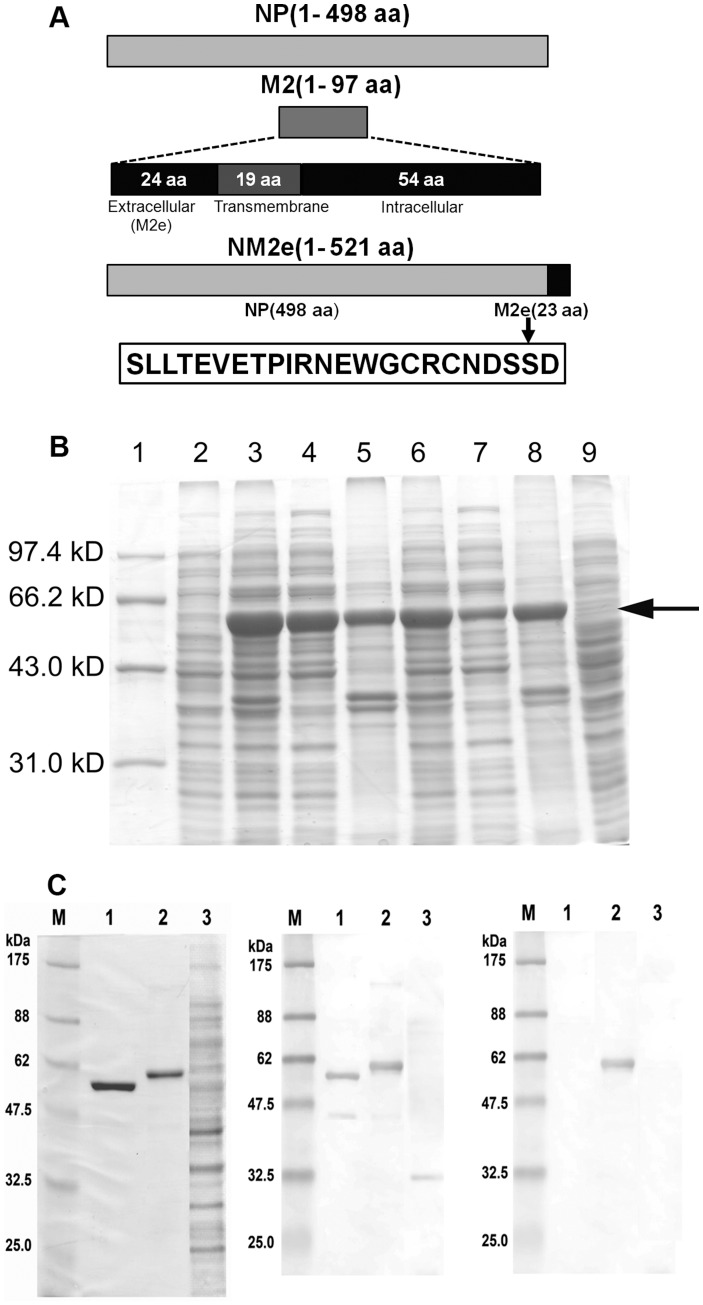
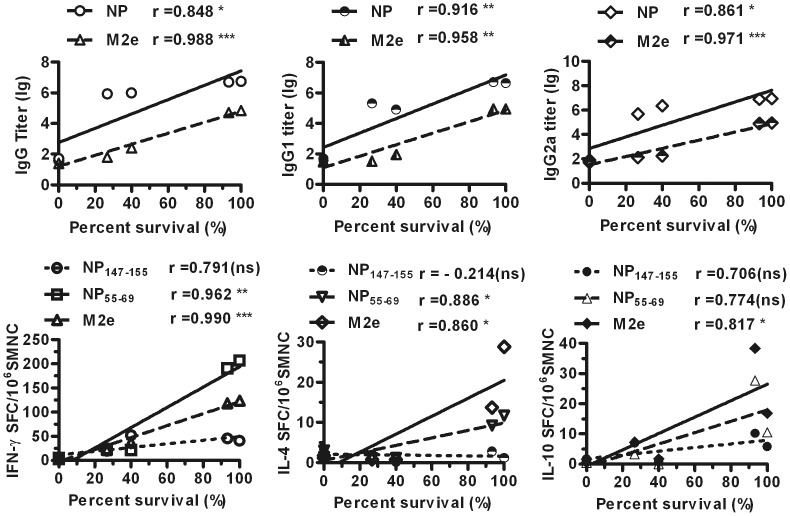
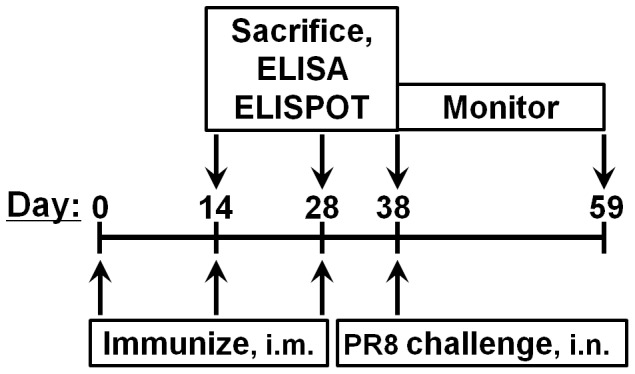
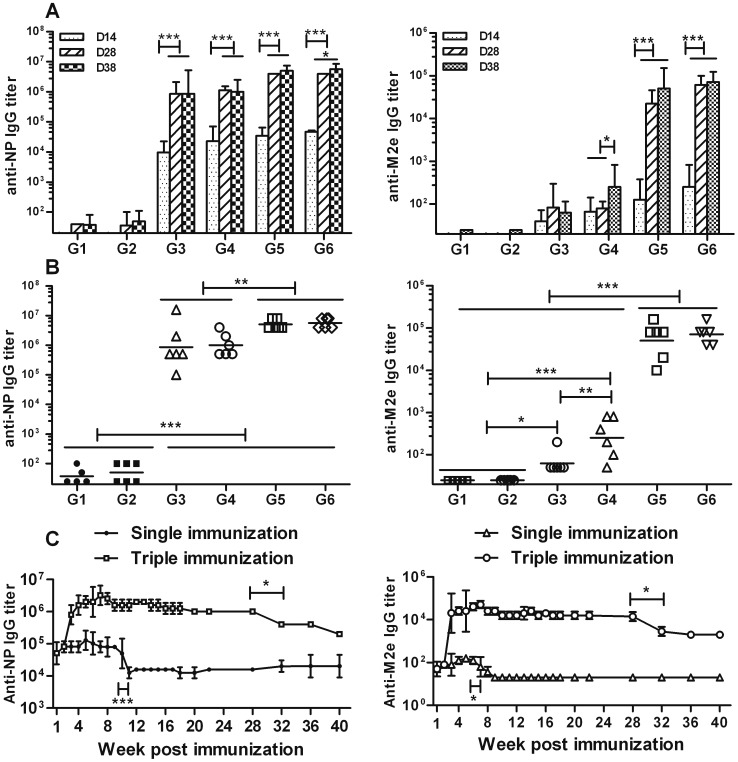
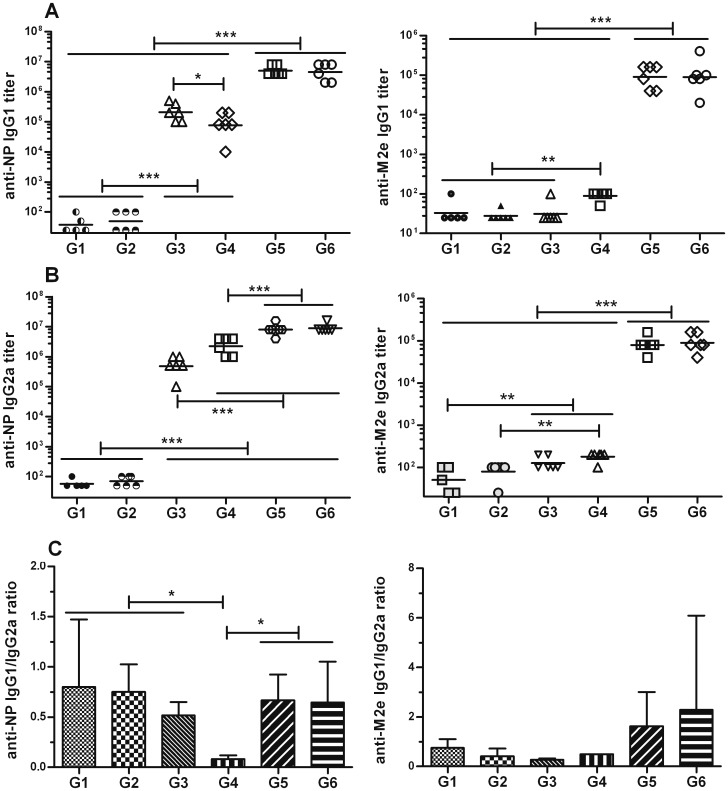
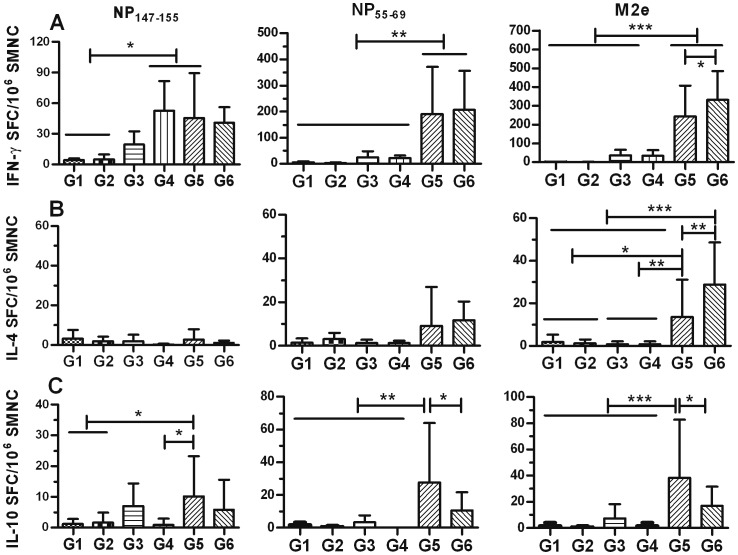
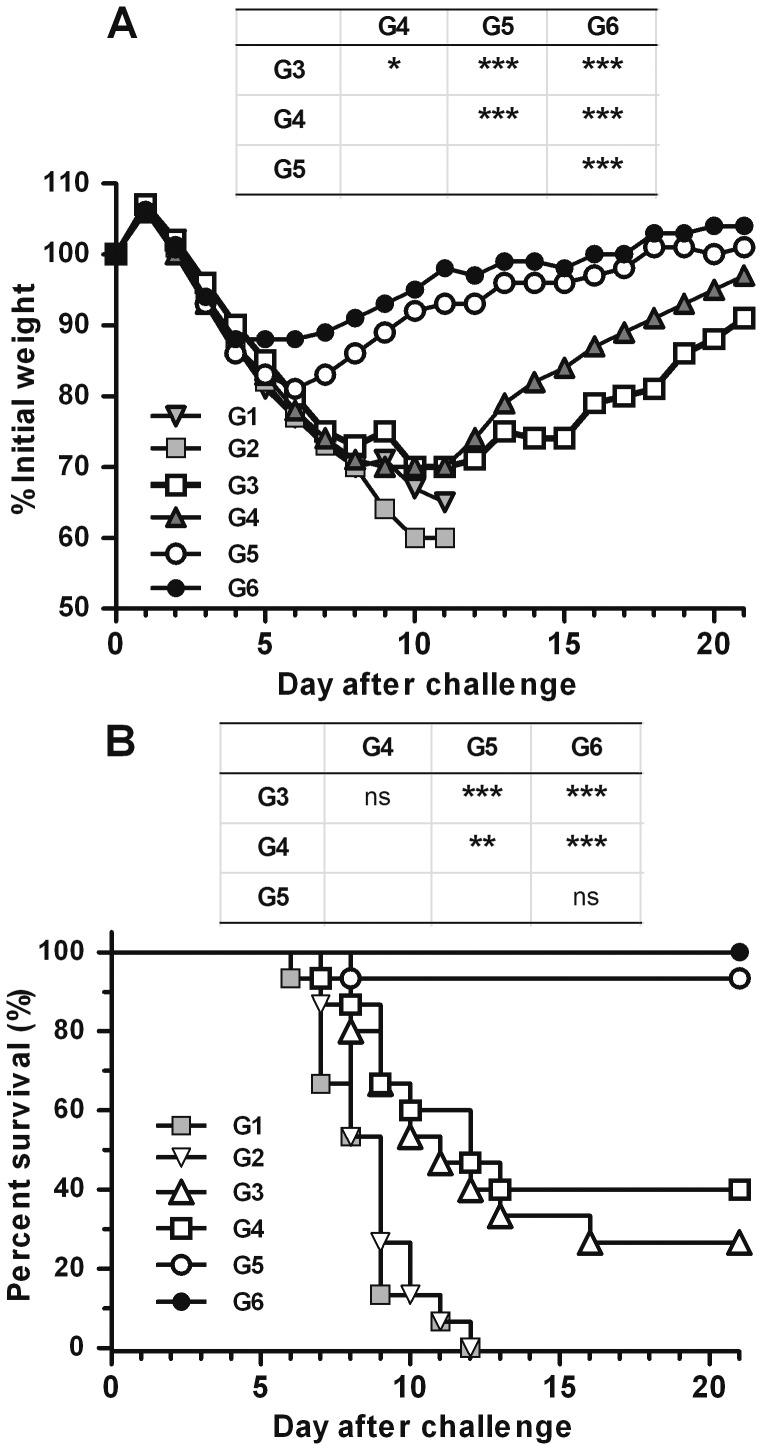
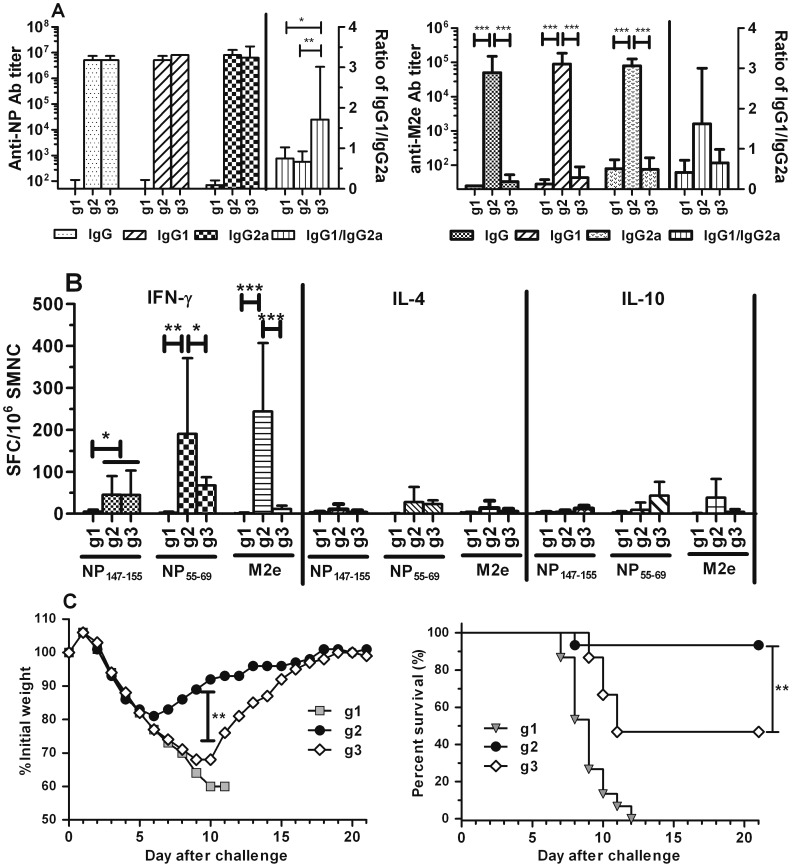
METHODOLOGY/PRINCIPAL FINDINGS: cDNA encoding M2e was fused to the 3' end of NP cDNA from influenza virus A/Beijing/30/95 (H3N2). The fusion protein (NM2e) was expressed in E. coli and isolated with 90% purity. Mice were immunized with recombinant NM2e protein along with aluminum hydroxide gel and/or CpG as adjuvant. NM2e plus aluminum hydroxide gel almost completely protected the mice against a lethal (20 LD(50)) challenge of heterologous influenza virus A/PR/8/34.
CONCLUSIONS/SIGNIFICANCE: The NM2e fusion protein expressed in E. coli was highly immunogenic in mice. Immunization with NM2e formulated with aluminum hydroxide gel protected mice against a lethal dose of a heterologous influenza virus. Vaccination with recombinant NM2e fusion protein is a promising strategy for the development of a universal influenza vaccine.
基质 2 蛋白(M2e)的 23 个氨基酸的细胞外结构域和流感病毒的内部核蛋白(NP)在病毒之间高度保守,因此是开发通用流感疫苗的有前途的候选抗原。各种基于 M2e 或 NP 的 DNA 或病毒载体疫苗已显示出高度的免疫原性;然而,高成本、复杂的免疫程序和载体特异性抗体反应限制了它们的应用。用在大肠杆菌中表达的 NP-M2e 融合蛋白进行免疫接种可能代表开发通用流感疫苗的替代策略。
方法/主要发现:将编码 M2e 的 cDNA 融合到来自流感病毒 A/Beijing/30/95(H3N2)的 NP cDNA 的 3' 末端。融合蛋白(NM2e)在大肠杆菌中表达并分离出纯度为 90%。用重组 NM2e 蛋白与氢氧化铝凝胶和/或 CpG 佐剂免疫小鼠。NM2e 加氢氧化铝凝胶几乎完全保护小鼠免受异源流感病毒 A/PR/8/34 的致死(20LD50)攻击。
结论/意义:在大肠杆菌中表达的 NM2e 融合蛋白在小鼠中具有高度的免疫原性。用 NM2e 与氢氧化铝凝胶配制的疫苗可保护小鼠免受异源流感病毒致死剂量的侵害。用重组 NM2e 融合蛋白进行疫苗接种是开发通用流感疫苗的有前途的策略。