Department of Pathology, Duke University Medical Center, Durham, North Carolina, USA.
PLoS One. 2012;7(12):e52693. doi: 10.1371/journal.pone.0052693. Epub 2012 Dec 20.
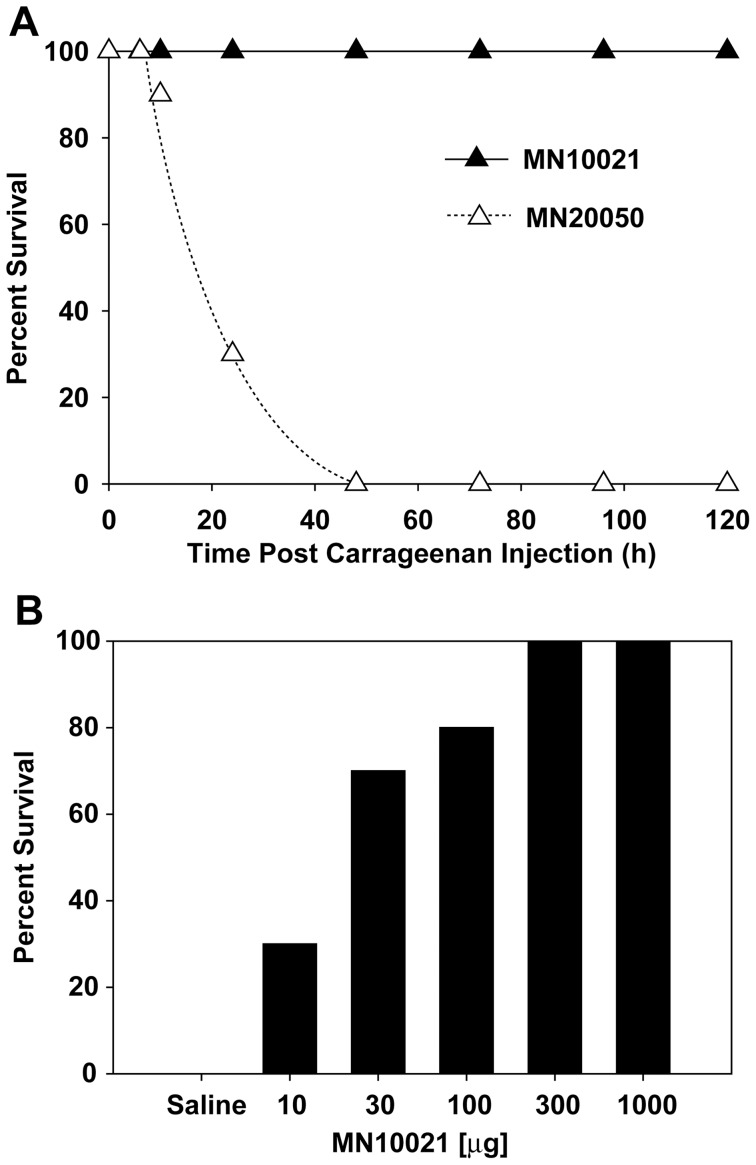
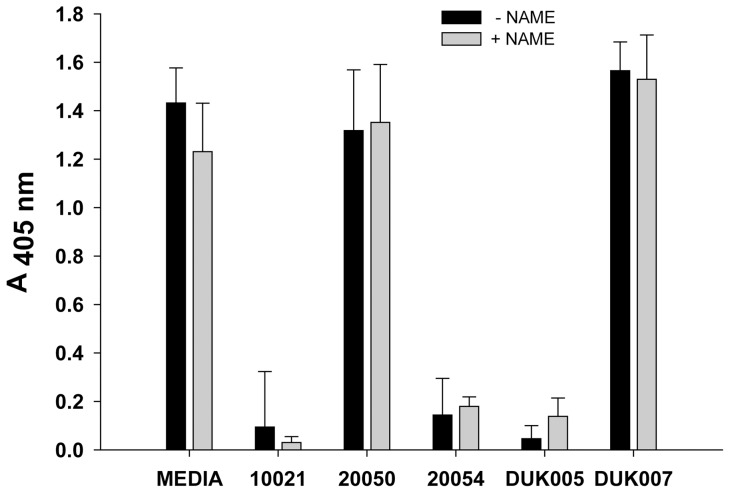
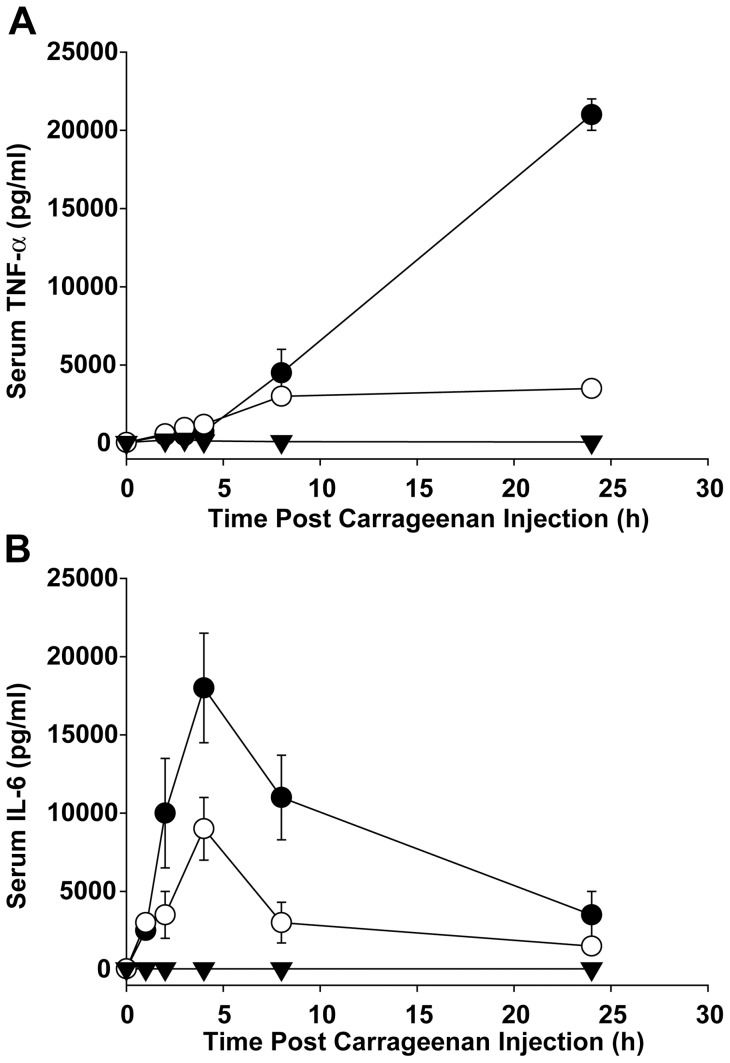
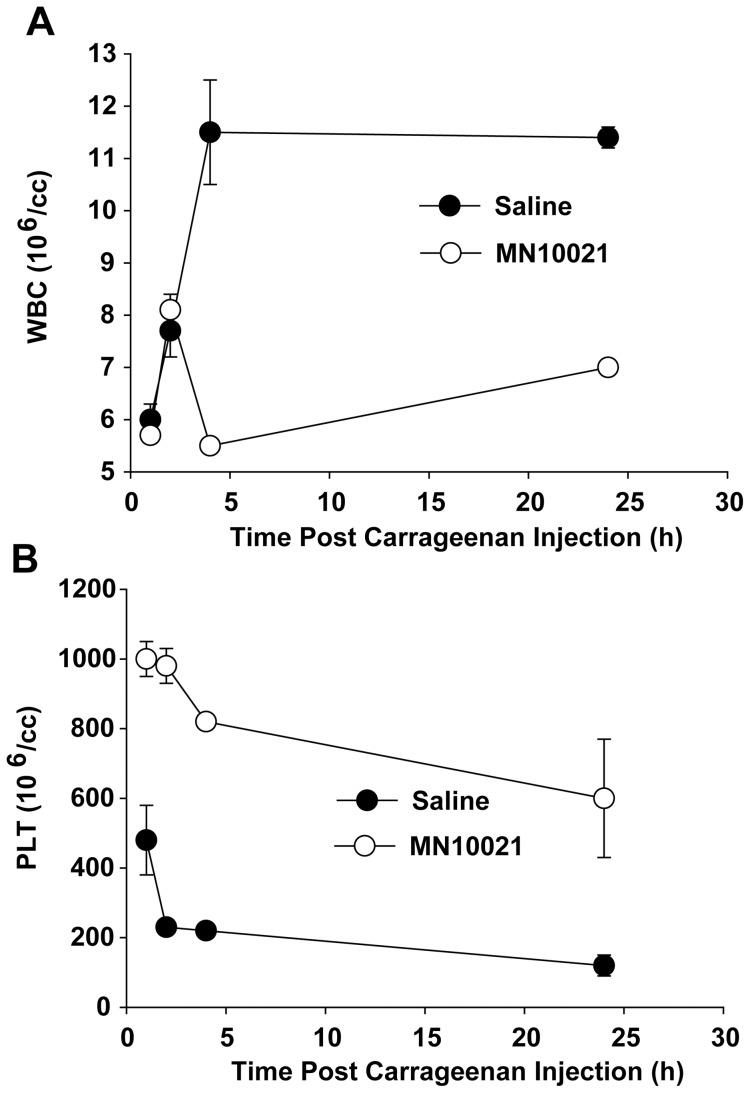
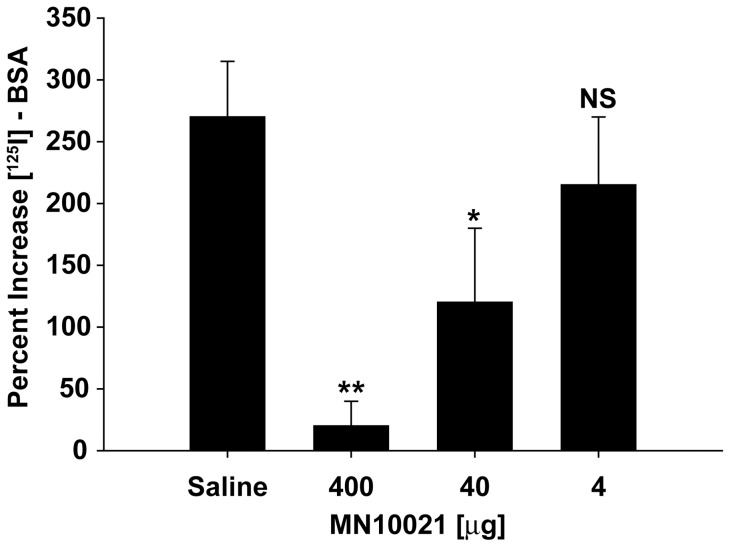
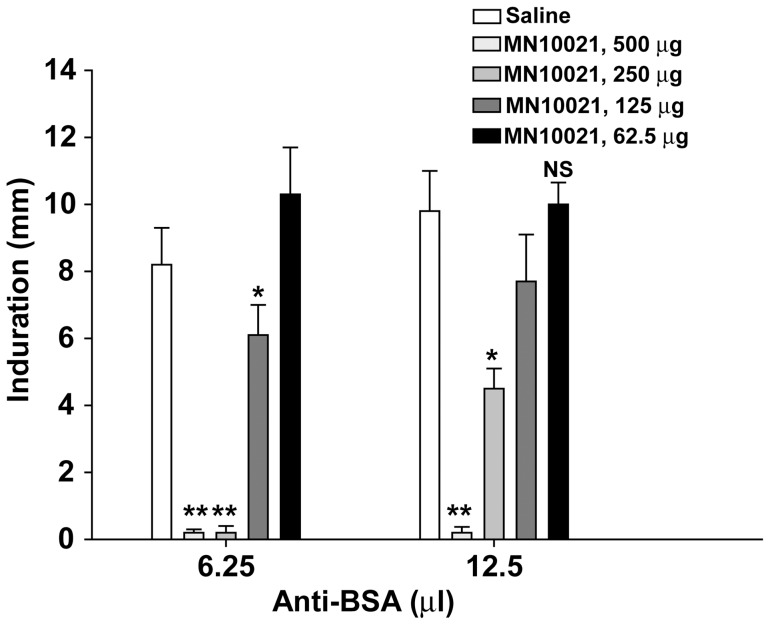
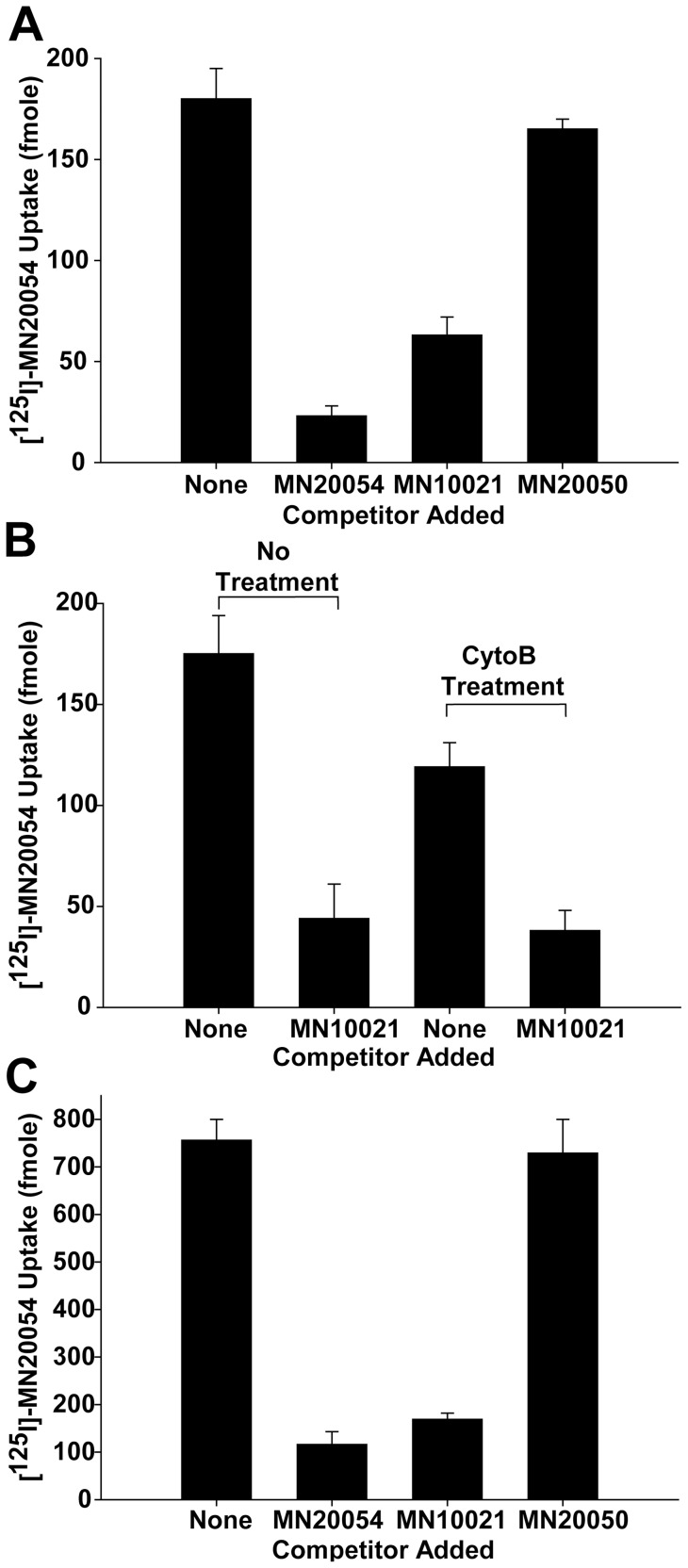
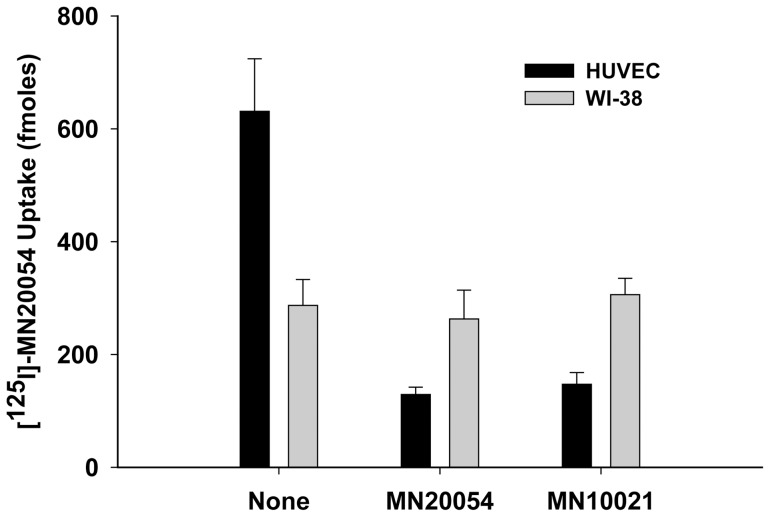
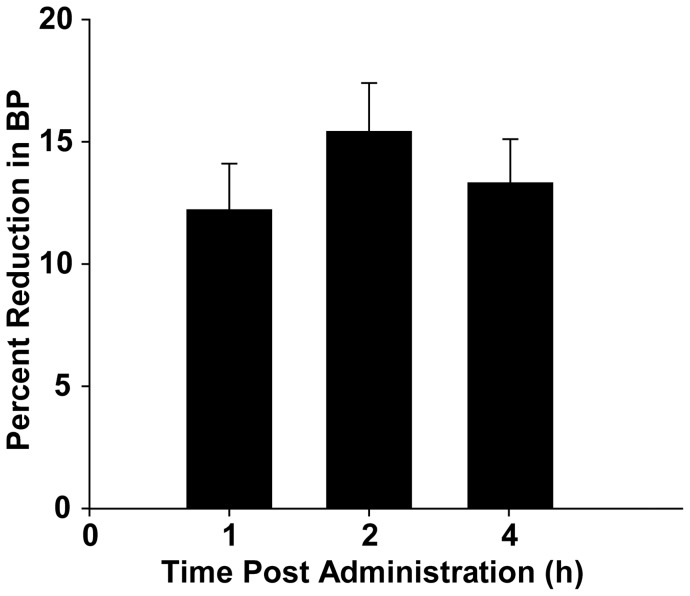
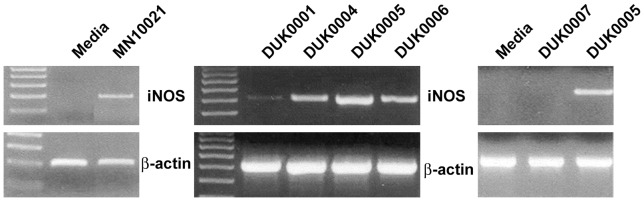
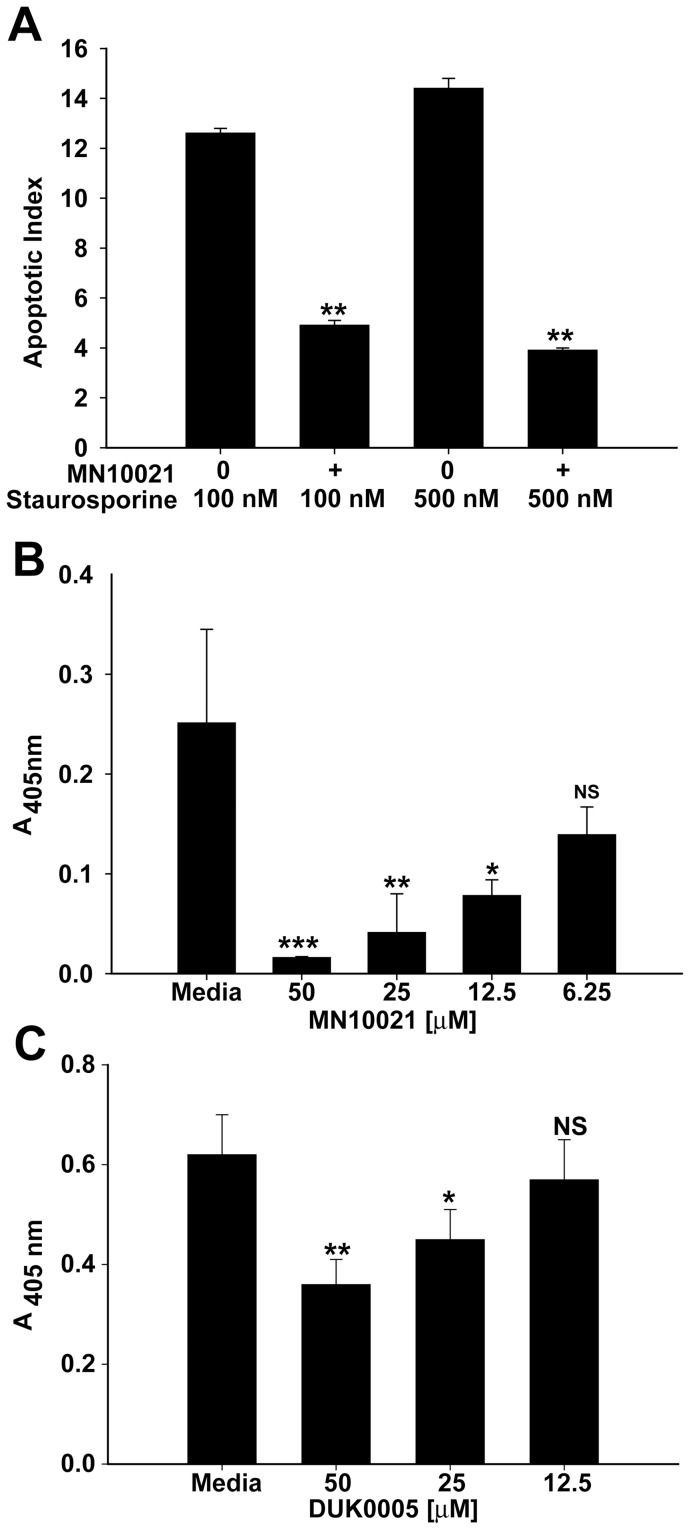
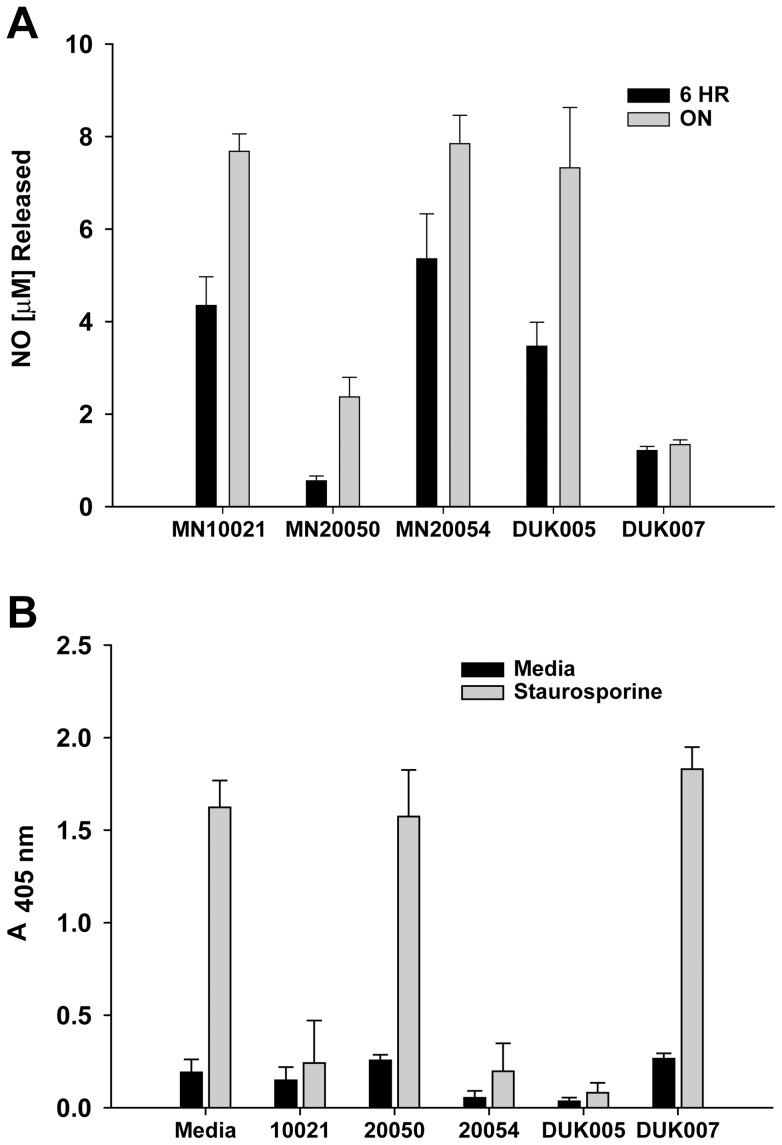
Malignant and inflammatory tissues sometimes express endogenous retroviruses or their proteins. A highly-conserved sequence from retroviral transmembrane (TM) proteins, termed the "immunosuppressive domain (ID)", is associated with inhibition of immune and inflammatory functions. An octadecapeptide (MN10021) from the ID of retroviral TM protein p15E inhibits in vitro release of pro-inflammatory cytokines and increases synthesis of anti-inflammatory IL-10. We sought to determine if MN10021 has significant in vivo effects. MN10021, prepared by solid-phase synthesis, was dimerized through a naturally-occurring, carboxy-terminal cysteine. In vivo anti-inflammatory activity was determined using a murine model of sodium periodate (NaIO(4))-induced peritonitis. In vivo vasoprotective effects were determined using: (1) a carrageenan-induced model of disseminated intravascular coagulation (DIC) in mice; (2) a reverse passive Arthus model in guinea pigs; and (3) vasoregulatory effects in spontaneously hypertensive rats (SHR). In vitro studies included: (1) binding/uptake of MN10021 using human monocytes, cultured fibroblasts, and vascular endothelial cells (VEC); (2) gene expression by RT-PCR of MN10021-treated VEC; and (3) apoptosis of MN10021-treated VEC exposed to staurosporine or TNF-α. One-tenth nmol MN10021 inhibits 50 percent of the inflammatory response in the mouse peritonitis model. Furthermore, 73 nmol MN10021 completely protects mice in a lethal model of carrageenan-induced DIC and inhibits vascular leak in both the mouse DIC model and a guinea pig reverse passive Arthus reaction. MN10021 binds to and is taken up in a specific manner by both human monocytes and VEC but not by cultured human fibroblasts. Surprisingly, orally-administered MN10021 lowers blood pressure in SHR rats by 10-15% within 1 h suggesting a direct or indirect effect on the vascular endothelium. MN10021 and derived octapeptides induce iNOS (inducible nitric oxide synthase) mRNA in VEC and nitrate in VEC cell culture supernatants and protect VEC from induced apoptosis or necrosis. However, pretreatment of VEC with nitro-L-arginine methyl ester (L-NAME), while inhibiting the release of nitrate, does not block the anti-apoptotic effect of MN10021 and derived octapeptides suggesting that their potent vasoprotective and anti-inflammatory activity is not nitric oxide dependent.
恶性和炎症组织有时会表达内源性逆转录病毒或其蛋白。逆转录病毒跨膜 (TM) 蛋白的一个高度保守序列,称为“免疫抑制域 (ID)”,与抑制免疫和炎症功能有关。来自逆转录病毒 TM 蛋白 p15E 的 ID 的十八肽 (MN10021) 抑制体外促炎细胞因子的释放,并增加抗炎 IL-10 的合成。我们试图确定 MN10021 是否具有显著的体内作用。MN10021 通过固相合成制备,并通过天然存在的羧基末端半胱氨酸二聚化。使用过碘酸钠 (NaIO(4)) 诱导的腹膜炎的小鼠模型来确定体内抗炎活性。使用以下方法确定体内血管保护作用:(1) 用角叉菜胶诱导的小鼠弥散性血管内凝血 (DIC) 模型;(2) 在豚鼠中的反向被动 Arthus 模型;和 (3) 自发性高血压大鼠 (SHR) 的血管调节作用。体外研究包括:(1) 使用人单核细胞、培养的成纤维细胞和血管内皮细胞 (VEC) 对 MN10021 的结合/摄取;(2) MN10021 处理的 VEC 的 RT-PCR 基因表达;和 (3) 暴露于司他丁或 TNF-α的 MN10021 处理的 VEC 的凋亡。十分之一纳摩尔 MN10021 抑制小鼠腹膜炎模型中 50%的炎症反应。此外,73 纳摩尔 MN10021 完全保护在致命的角叉菜胶诱导的 DIC 模型中的小鼠,并抑制在小鼠 DIC 模型和豚鼠反向被动 Arthus 反应中的血管渗漏。MN10021 以特异性方式结合并摄取人单核细胞和 VEC,但不摄取培养的人成纤维细胞。令人惊讶的是,口服 MN10021 在 1 小时内使 SHR 大鼠的血压降低 10-15%,表明对血管内皮有直接或间接作用。MN10021 和衍生的八肽在 VEC 中诱导 iNOS(诱导型一氧化氮合酶)mRNA,并在 VEC 细胞培养上清液中诱导硝酸盐,保护 VEC 免受诱导的凋亡或坏死。然而,在用硝基-L-精氨酸甲酯 (L-NAME) 预处理 VEC 时,虽然抑制了硝酸盐的释放,但不会阻断 MN10021 和衍生的八肽的抗凋亡作用,这表明它们的强大的血管保护和抗炎活性不是依赖于一氧化氮。