Pediatric Neuro-Oncology Section, Pediatric Oncology Branch, National Cancer Institute, National Institutes of Health Bethesda, MD, USA.
Front Oncol. 2012 Dec 28;2:205. doi: 10.3389/fonc.2012.00205. eCollection 2012.
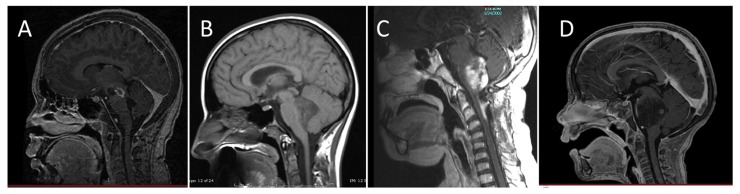
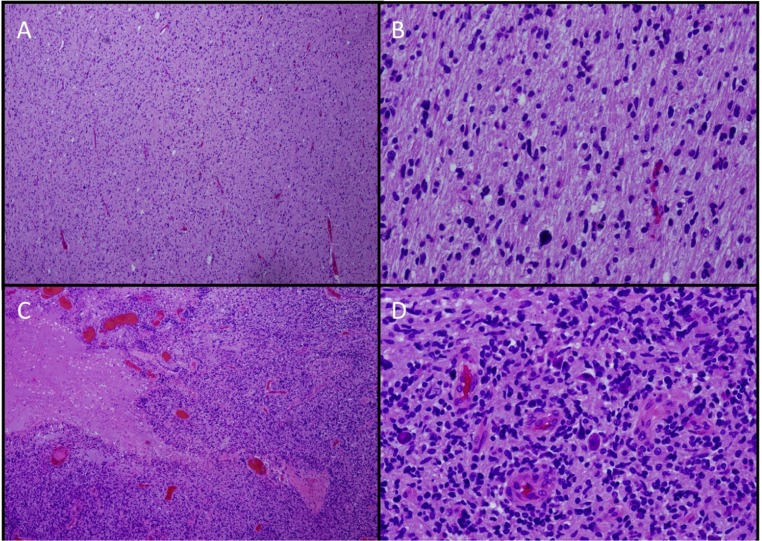
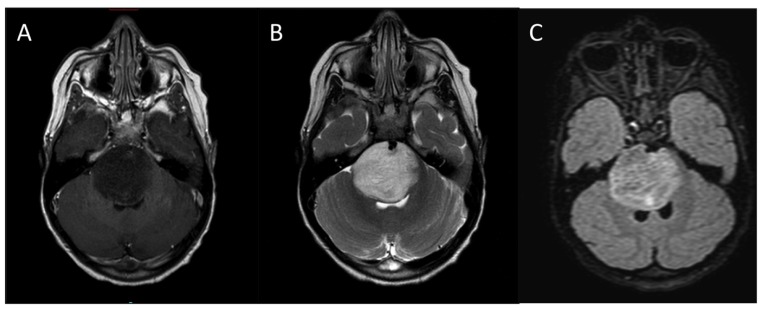
Diffuse intrinsic pontine gliomas (DIPGs) are amongst the most challenging tumors to treat. Surgery is not an option, the effects of radiation therapy are temporary, and no chemotherapeutic agent has demonstrated significant efficacy. Numerous clinical trials of new agents and novel therapeutic approaches have been performed over the course of several decades in efforts to improve the outcome of children with DIPG, yet without success. The diagnosis of DIPG is based on radiographic findings in the setting of a typical clinical presentation, and tissue is not routinely obtained as the standard of care. The paradigm for treating children with these tumors has been based on that for supratentorial high-grade gliomas in adults as the biology of these lesions were presumed to be similar. However, recent pivotal studies demonstrate that DIPGs appear to be their own entity. Simply identifying this fact releases a number of constraints and opens opportunities for biologic investigation of these lesions, setting the stage to move forward in identifying DIPG-specific treatments. This review will summarize the current state of knowledge of DIPG, discuss obstacles to therapy, and summarize results of recent biologic studies.
弥漫性内在脑桥胶质瘤(DIPG)是最难治疗的肿瘤之一。手术不是一种选择,放射治疗的效果是暂时的,没有化疗药物显示出显著的疗效。几十年来,为了改善 DIPG 患儿的预后,已经进行了许多新药物和新治疗方法的临床试验,但均未成功。DIPG 的诊断基于典型临床表现中的影像学发现,并且由于护理标准,通常不常规获取组织。治疗这些肿瘤的范例是基于成人幕上高级别胶质瘤的范例,因为这些病变的生物学被认为是相似的。然而,最近的关键研究表明,DIPG 似乎是它们自己的实体。仅仅确定这一事实就会释放出许多限制,并为这些病变的生物学研究提供机会,为确定 DIPG 特异性治疗方法奠定基础。本文将总结 DIPG 的现有知识状态,讨论治疗障碍,并总结最近的生物学研究结果。