State Key Laboratory of Heavy Oil Processing, College of Chemical Engineering, China University of Petroleum, Changping District, Beijing 102249, China.
Sensors (Basel). 2013 Jan 15;13(1):966-74. doi: 10.3390/s130100966.
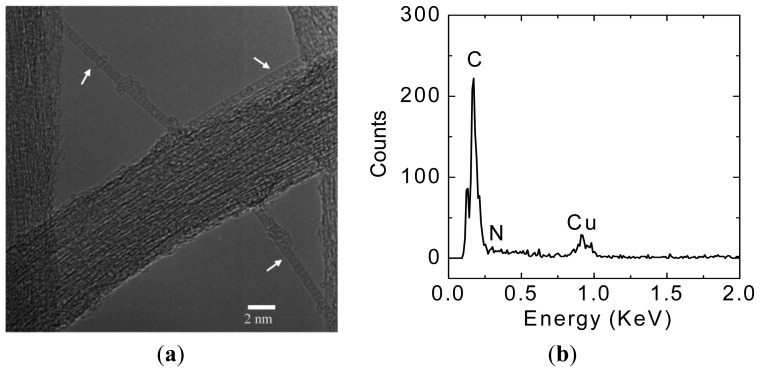
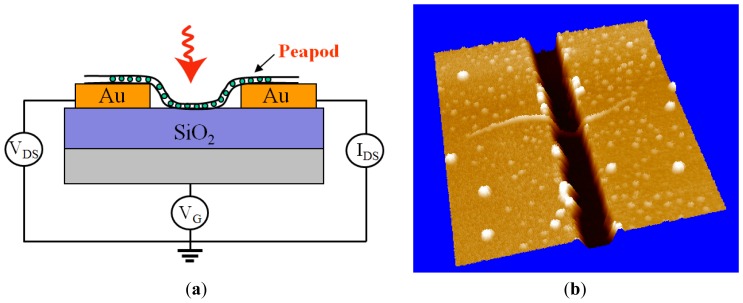
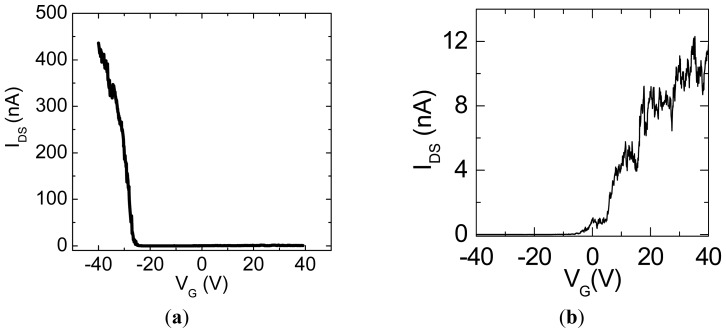
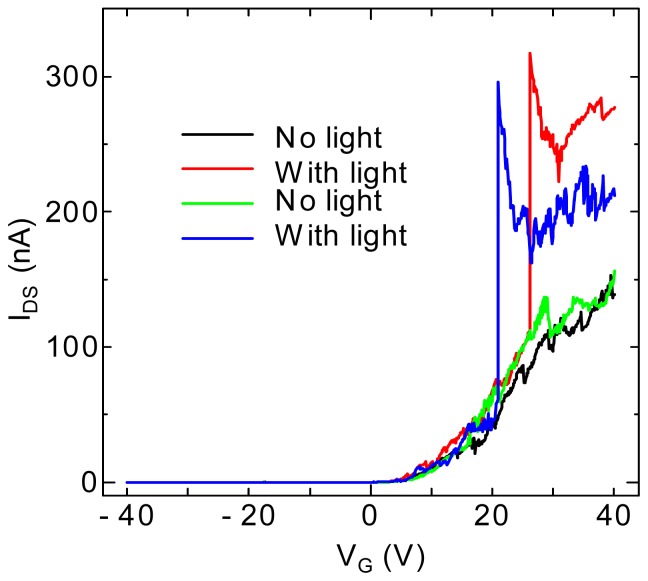
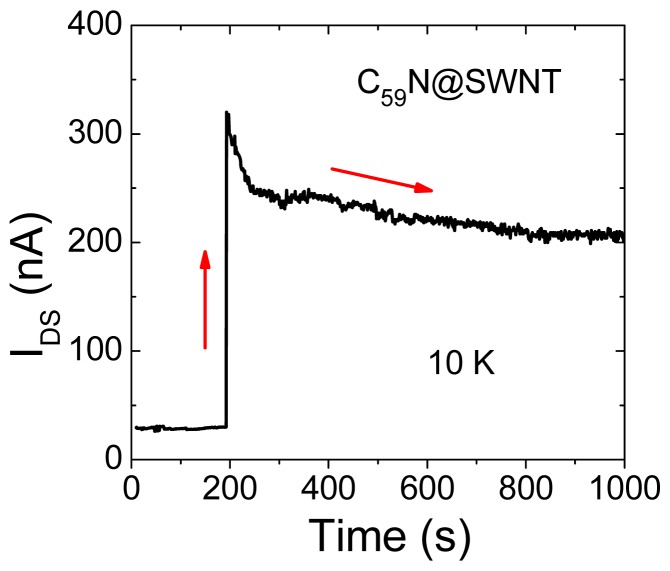
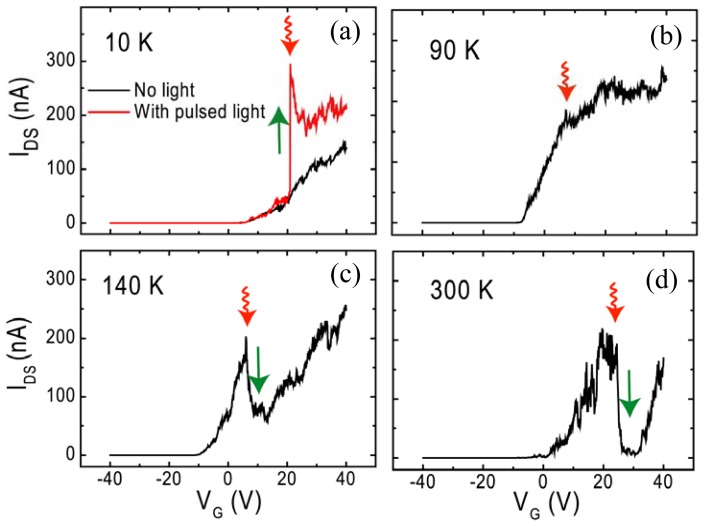
We report the novel photoresponse of nanodevices made from azafullerene (C(59)N)-encapsulated single-walled carbon nanotubes (C(59)N@SWNTs), so called peapods. The photoconducting properties of a C(59)N@SWNT are measured over a temperature range of 10 to 300 K under a field-effect transistor configuration. It is found that the photosensitivity of C(59)N@SWNTs depends very sensitively on the temperature, making them an attractive candidate as a component of nanothermometers covering a wide temperature range. Our results indicate that it is possible to read the temperature by monitoring the optoelectronics signal of C(59)N@SWNTs. In particular, sensing low temperatures would become more convenient and easy by giving a simple light pulse.
我们报告了由氮杂富勒烯(C(59)N)封装的单壁碳纳米管(C(59)N@SWNTs)制成的纳米器件的新型光响应特性,这些纳米器件也被称为“豌豆荚”。在场效应晶体管结构下,我们在 10 到 300 K 的温度范围内测量了 C(59)N@SWNT 的光电导特性。结果发现,C(59)N@SWNTs 的光敏性对温度非常敏感,这使得它们成为一种有吸引力的纳米温度计组件的候选材料,可以覆盖很宽的温度范围。我们的结果表明,通过监测 C(59)N@SWNTs 的光电信号,有可能读取温度。特别是,通过简单的光脉冲,低温传感将变得更加方便和容易。