School of Pharmaceutical Science, Jiangnan University, Wuxi 214122, Jiangsu, China.
Molecules. 2013 Jan 16;18(1):1150-61. doi: 10.3390/molecules18011150.
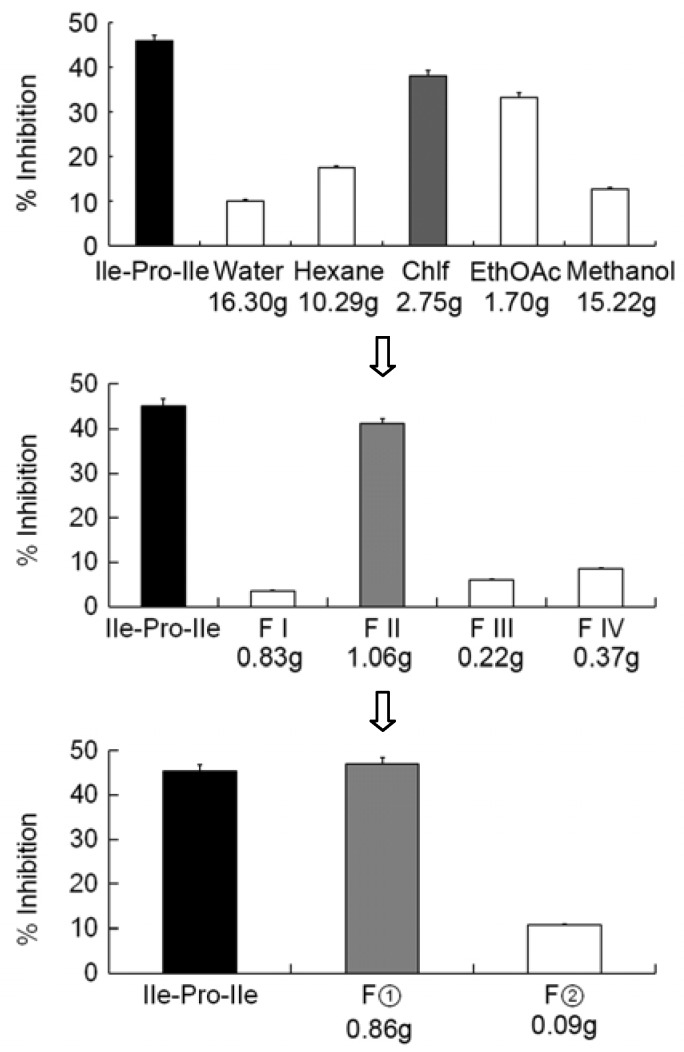
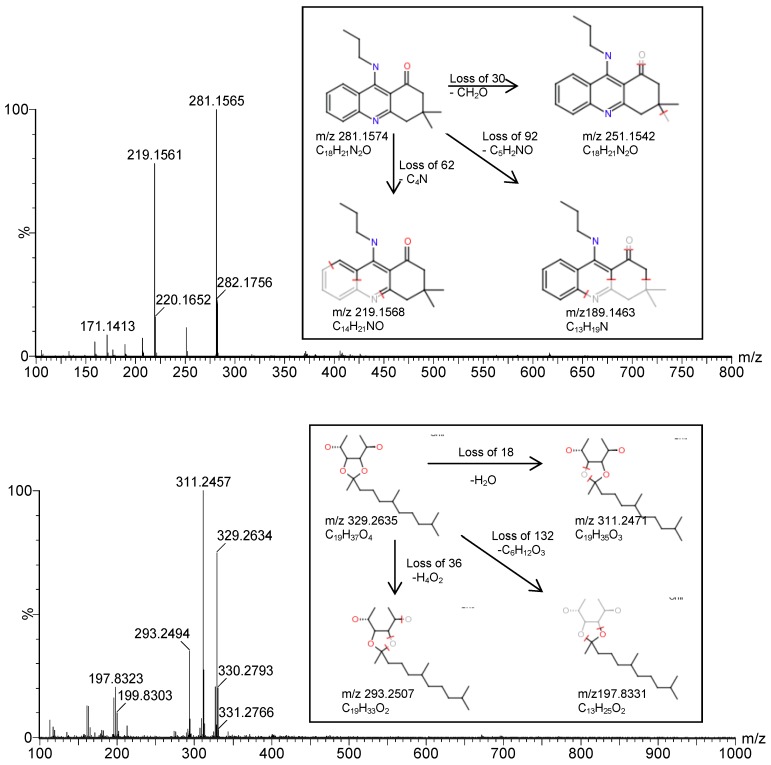
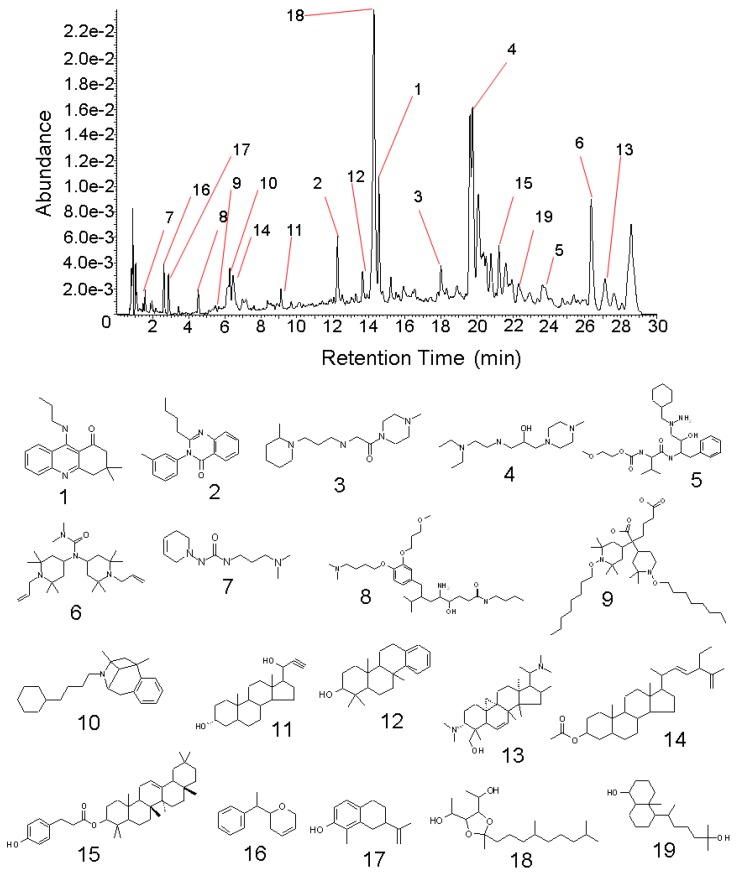
Inonotus obliquus is a medicinal mushroom used in Russian and Eastern European folk medicine for the treatment of gastrointestinal cancer, cardiovascular disease and diabetes. Previous studies in our laboratory have demonstrated that the mycelium powders of I. obliquus possess significant antihyperglycemic effects in a mouse model of diabetic disease induced by alloxan. However, the active ingredients of mycelium powders responsible for the diabetes activity have not been identified. This study aims to identify the active ingredients of I. obliquus mycelium powders by a bioassay-guided fractionation approach and explore the mechanism of action of these active ingredients by using a well-established DPP-4 (an important enzyme as a new therapeutic target for diabetes) inhibitory assay model. The results showed the chloroform extract of mycelium was potential inhibitory against DPP-4. Bioactivity guided fractionation led to the identification of 19 compounds using UPLC-Q-TOF-MS. Molecular docking between the compounds and DPP-4 revealed that compounds 5, 8, 9, 14, 15 may be the active components responsible for the DPP-4 inhibitory activity.
桦褐孔菌是一种药用蘑菇,在俄罗斯和东欧民间医学中用于治疗胃肠道癌、心血管疾病和糖尿病。我们实验室之前的研究表明,桦褐孔菌菌丝体粉末对用四氧嘧啶诱导的糖尿病小鼠模型具有显著的降血糖作用。然而,负责糖尿病活性的菌丝体粉末的活性成分尚未确定。本研究旨在通过生物活性导向的分离方法鉴定桦褐孔菌菌丝体粉末的活性成分,并通过建立的 DPP-4(糖尿病的一个新的治疗靶点的重要酶)抑制测定模型探索这些活性成分的作用机制。结果表明,菌丝体的氯仿提取物对 DPP-4 具有潜在的抑制作用。生物活性导向的分离导致使用 UPLC-Q-TOF-MS 鉴定出 19 种化合物。化合物与 DPP-4 之间的分子对接表明,化合物 5、8、9、14、15 可能是负责 DPP-4 抑制活性的活性成分。