Department of Cell Biology, Emory University School of Medicine, Atlanta, GA 30322, USA.
Mol Biol Cell. 2013 Mar;24(6):704-14. doi: 10.1091/mbc.E12-06-0471. Epub 2013 Jan 16.
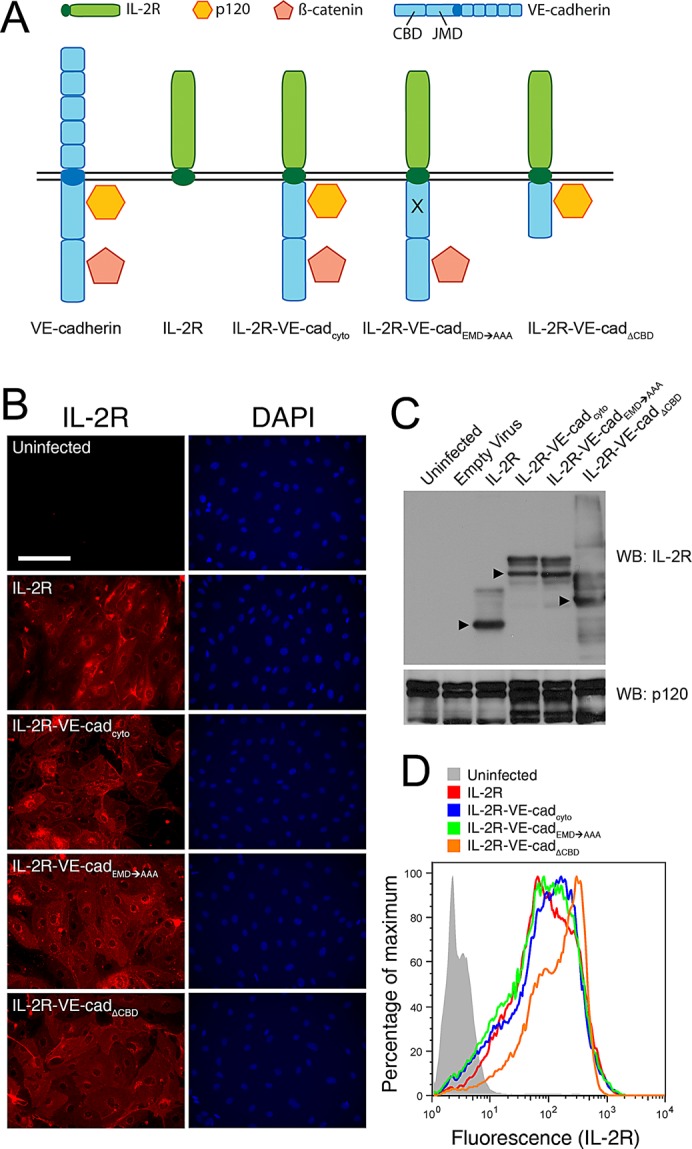
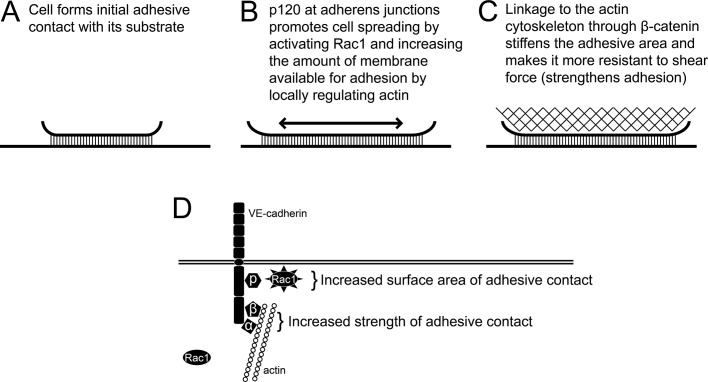
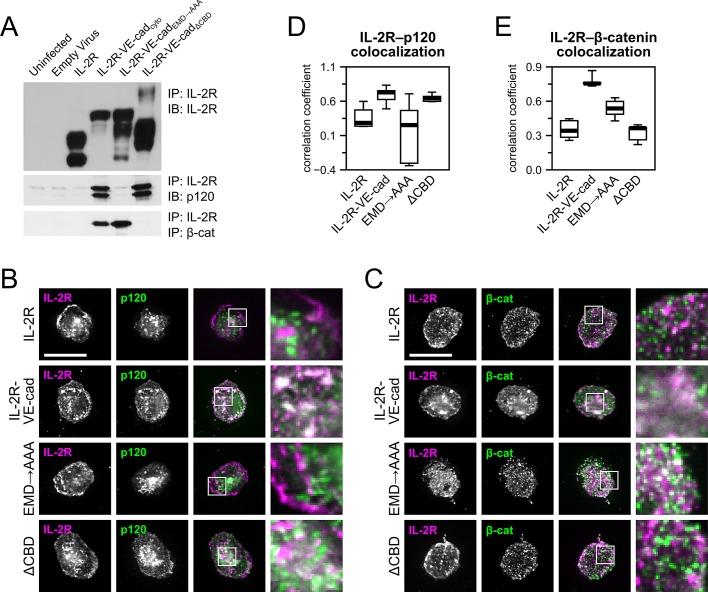
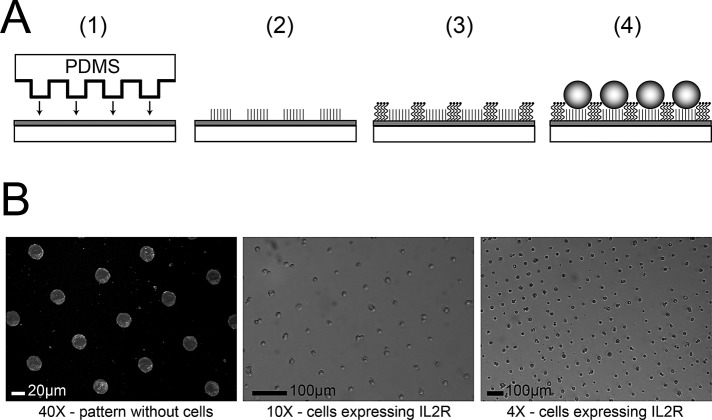
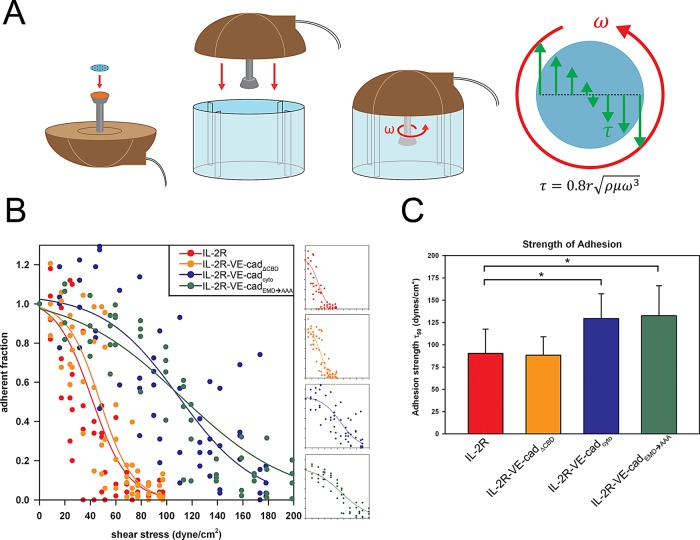
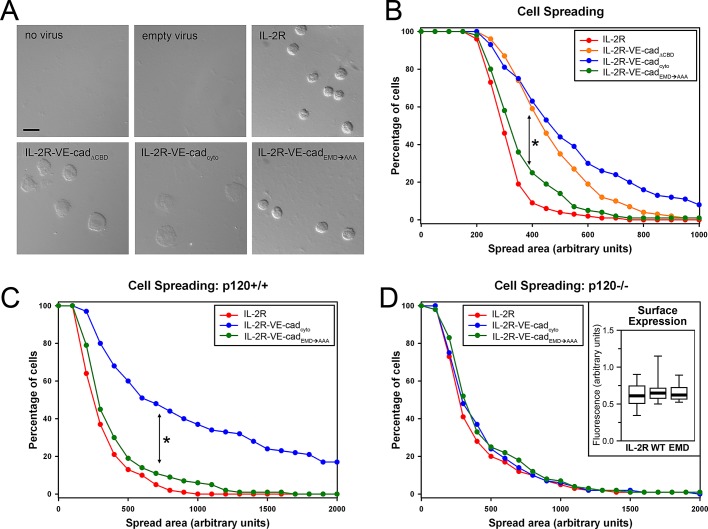
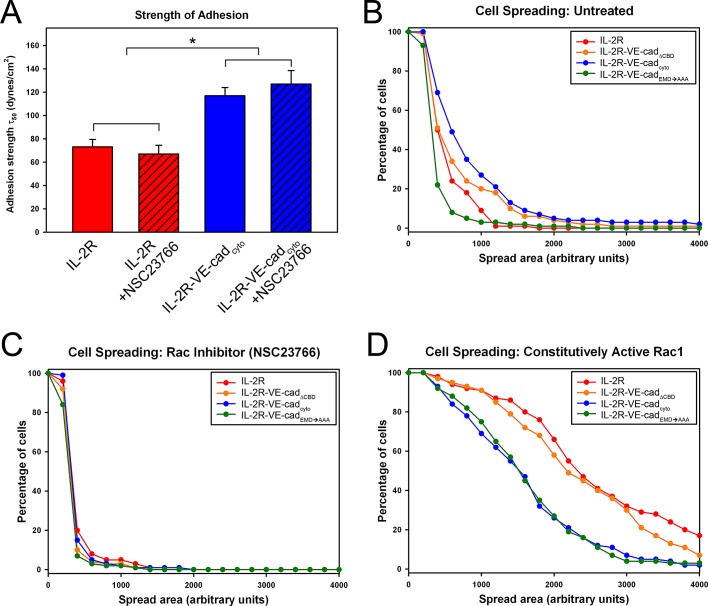
Vascular endothelial (VE)-cadherin, the major adherens junction adhesion molecule in endothelial cells, interacts with p120-catenin and β-catenin through its cytoplasmic tail. However, the specific functional contributions of the catenins to the establishment of strong adhesion are not fully understood. Here we use bioengineering approaches to identify the roles of cadherin-catenin interactions in promoting strong cellular adhesion and the ability of the cells to spread on an adhesive surface. Our results demonstrate that the domain of VE-cadherin that binds to β-catenin is required for the establishment of strong steady-state adhesion strength. Surprisingly, p120 binding to the cadherin tail had no effect on the strength of adhesion when the available adhesive area was limited. Instead, the binding of VE-cadherin to p120 regulates adhesive contact area in a Rac1-dependent manner. These findings reveal that p120 and β-catenin have distinct but complementary roles in strengthening cadherin-mediated adhesion.
血管内皮(VE)-钙黏蛋白是内皮细胞中主要的黏附连接黏附分子,通过其胞质尾部与 p120-连环蛋白和β-连环蛋白相互作用。然而,连环蛋白对建立牢固黏附的具体功能贡献尚不完全清楚。在这里,我们使用生物工程方法来确定钙黏蛋白-连环蛋白相互作用在促进细胞牢固黏附和细胞在黏附表面扩散的能力方面的作用。我们的结果表明,β-连环蛋白结合域对于建立牢固的稳态黏附强度是必需的。令人惊讶的是,当可用的黏附面积有限时,p120 与钙黏蛋白尾部的结合对黏附强度没有影响。相反,VE-钙黏蛋白与 p120 的结合以 Rac1 依赖的方式调节黏附接触面积。这些发现揭示了 p120 和β-连环蛋白在增强钙黏蛋白介导的黏附中具有不同但互补的作用。