Department of Zoology, University of Oxford, Oxford OX1 3PS, UK.
Philos Trans R Soc Lond B Biol Sci. 2013 Jan 21;368(1613):20120048. doi: 10.1098/rstb.2012.0048. Print 2013 Mar 5.
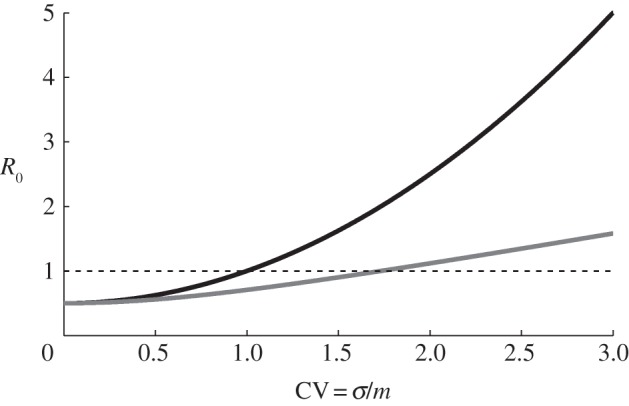
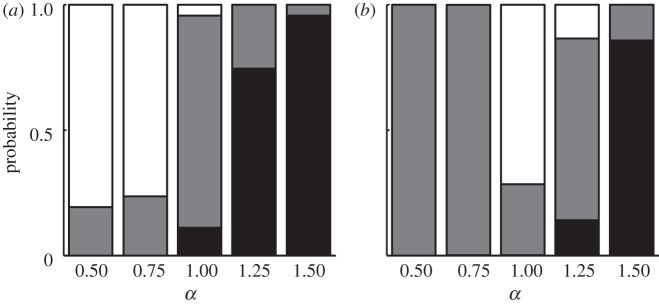
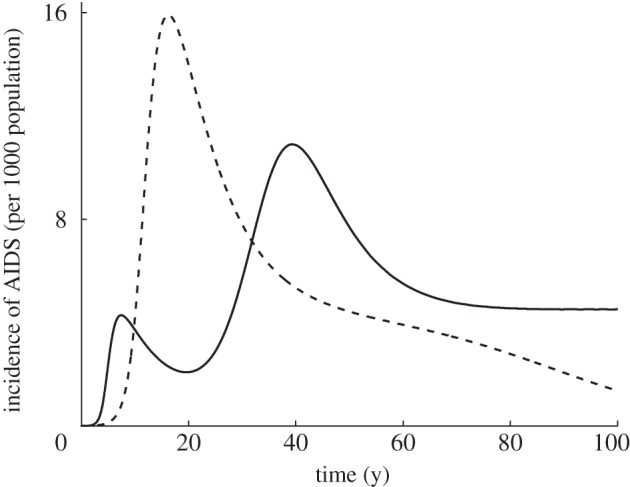
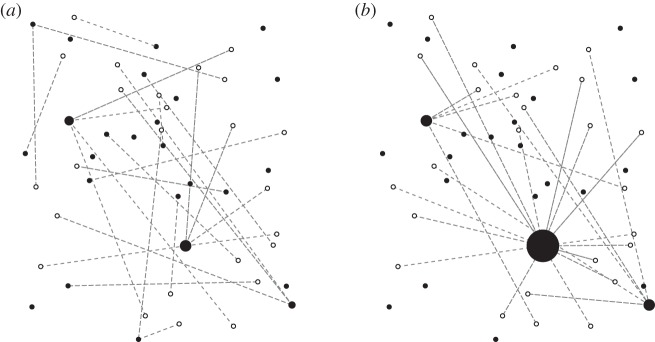
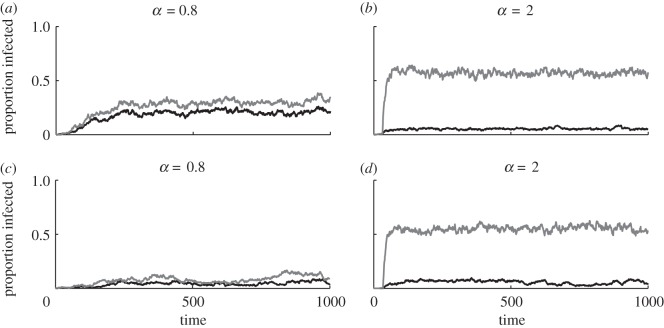
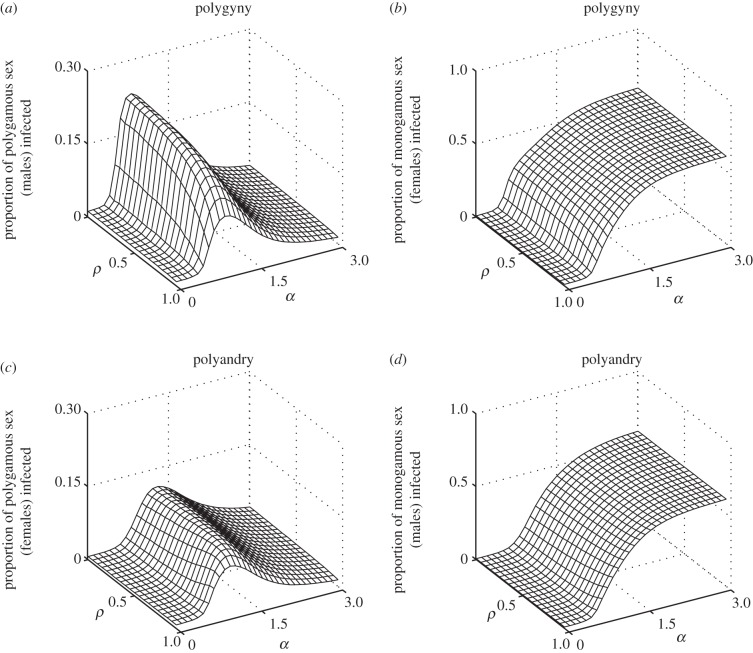
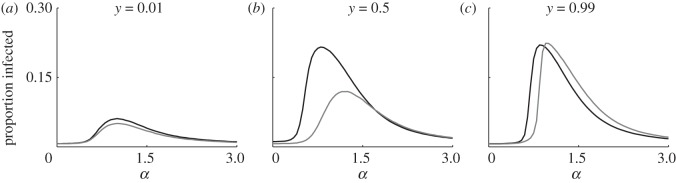
Sexually transmitted infections (STIs) are often associated with chronic diseases and can have severe impacts on host reproductive success. For airborne or socially transmitted pathogens, patterns of contact by which the infection spreads tend to be dispersed and each contact may be of very short duration. By contrast, the transmission pathways for STIs are usually characterized by repeated contacts with a small subset of the population. Here we review how heterogeneity in sexual contact patterns can influence epidemiological dynamics, and present a simple model of polygyny/polyandry to illustrate the impact of biased mating systems on disease incidence and pathogen virulence.
性传播感染(STIs)通常与慢性疾病有关,并可能对宿主的生殖成功产生严重影响。对于空气传播或社会传播的病原体,感染传播的接触模式往往是分散的,每次接触的持续时间可能非常短。相比之下,性传播感染的传播途径通常以与人群中的一小部分人反复接触为特征。在这里,我们回顾了性接触模式的异质性如何影响流行病学动态,并提出了一个简单的多配偶制模型,以说明偏态交配系统对疾病发病率和病原体毒力的影响。