The Pharmacy of GuangDong Medical College, DongGuan, GuangDong, China.
PLoS One. 2013;8(1):e53662. doi: 10.1371/journal.pone.0053662. Epub 2013 Jan 14.
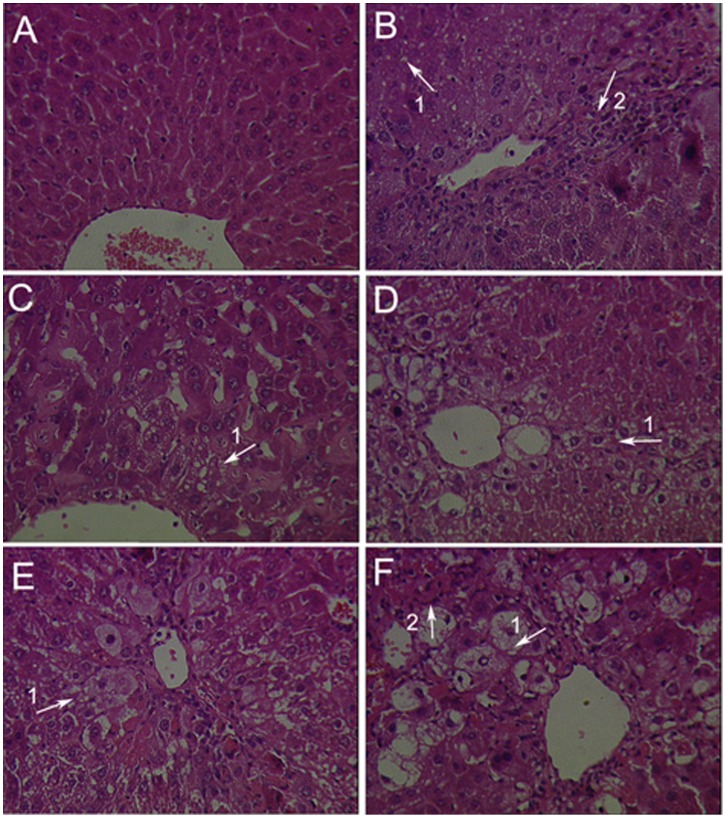
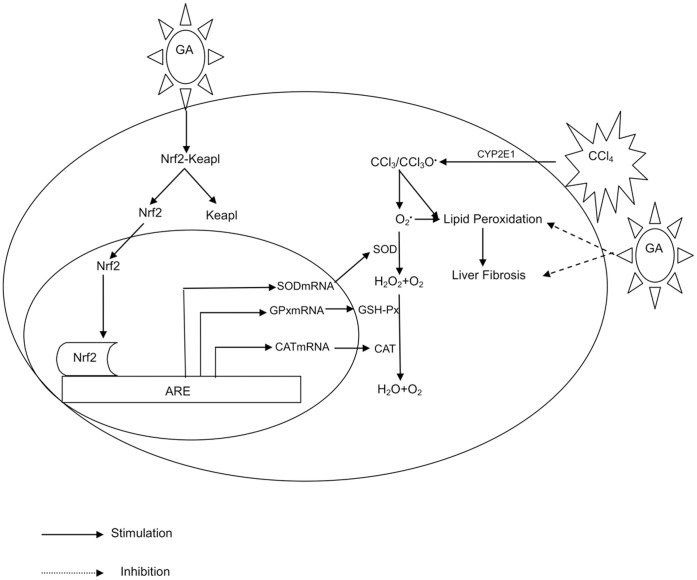
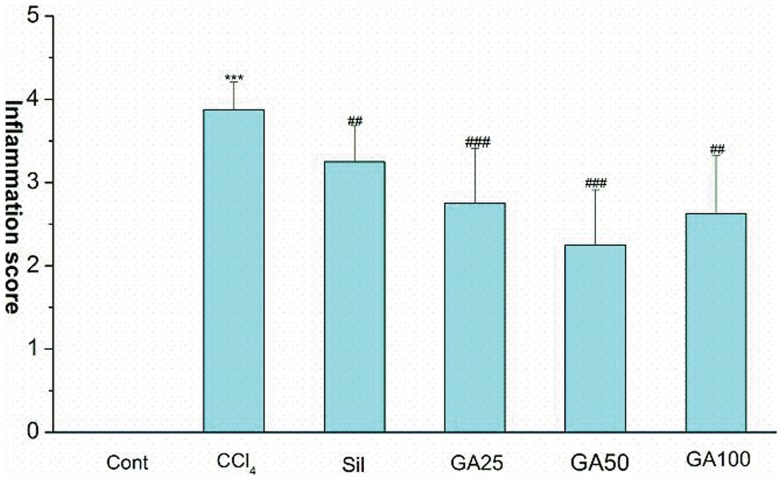
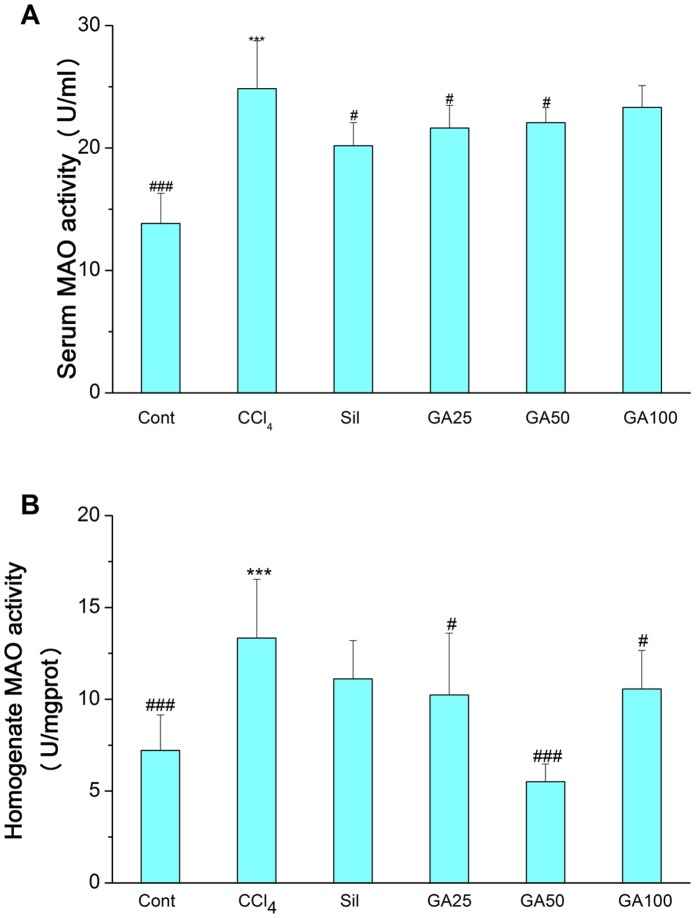
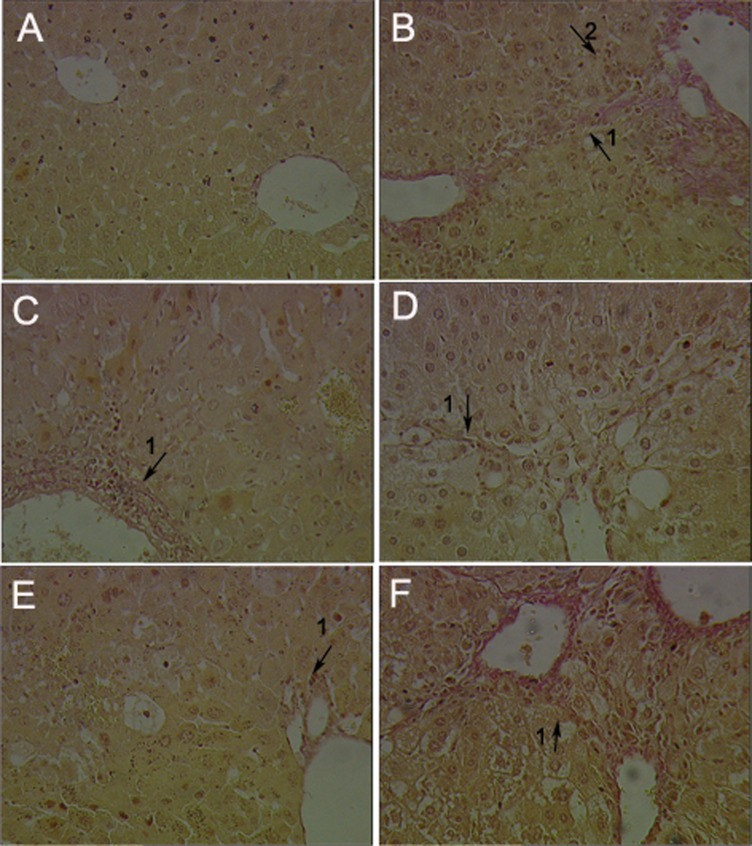
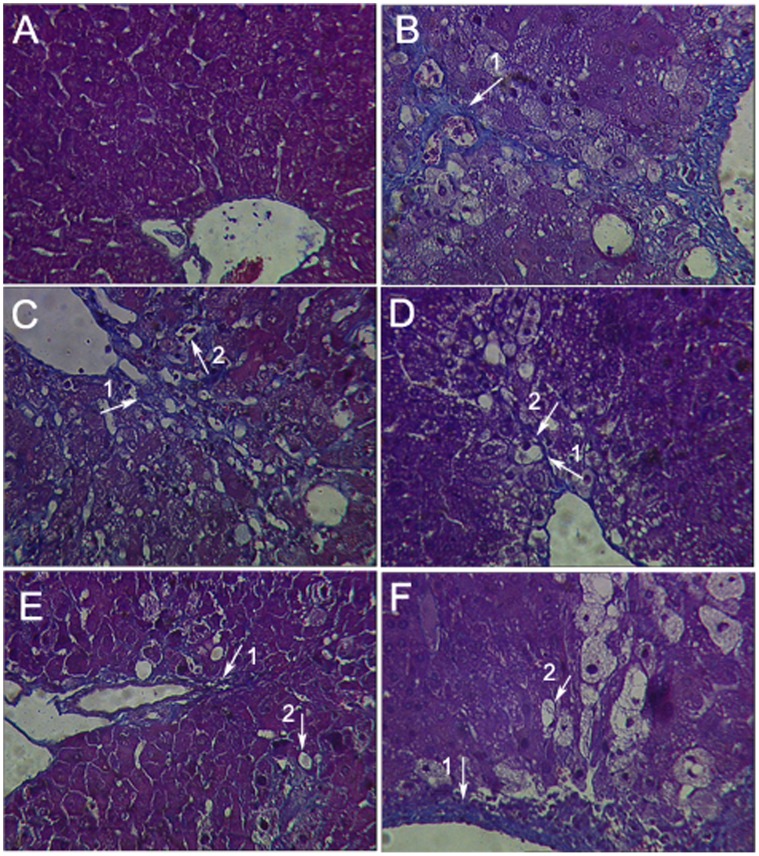
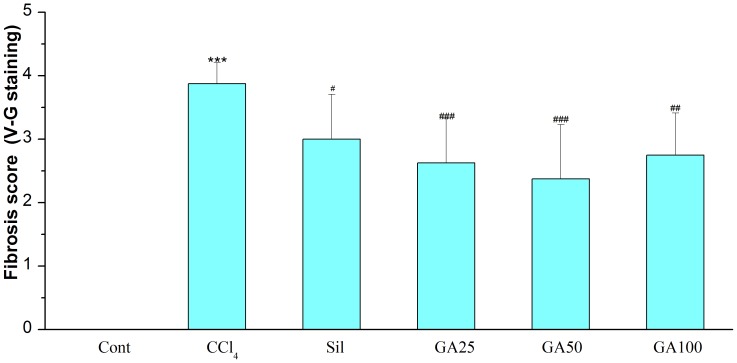
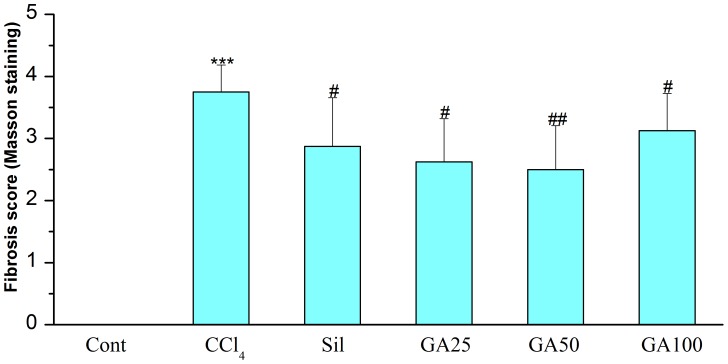
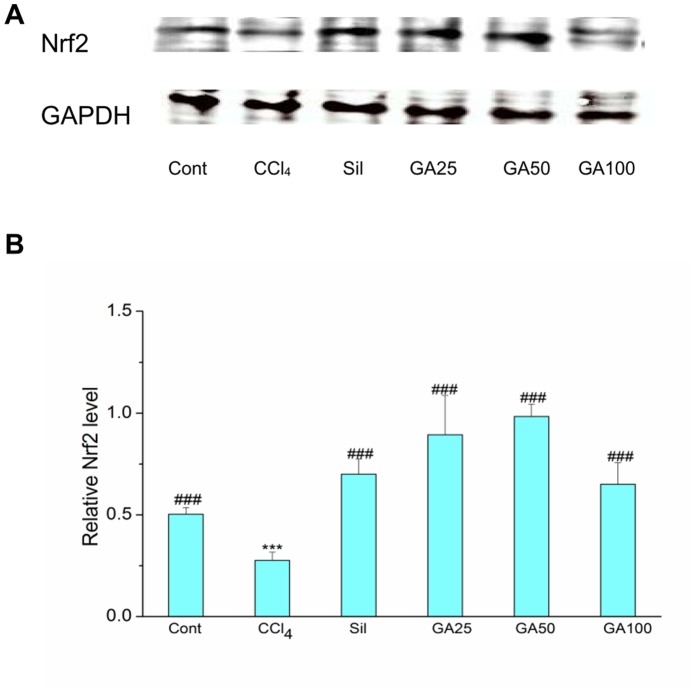
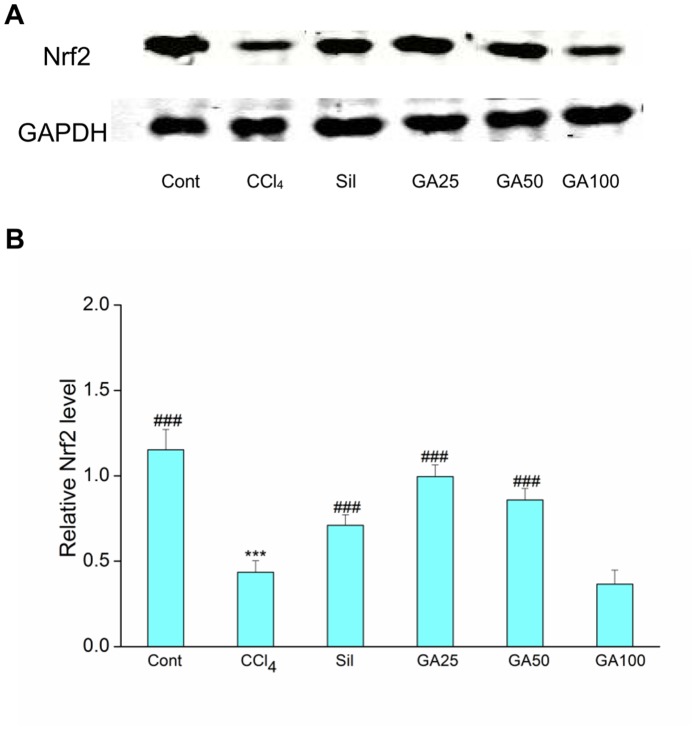
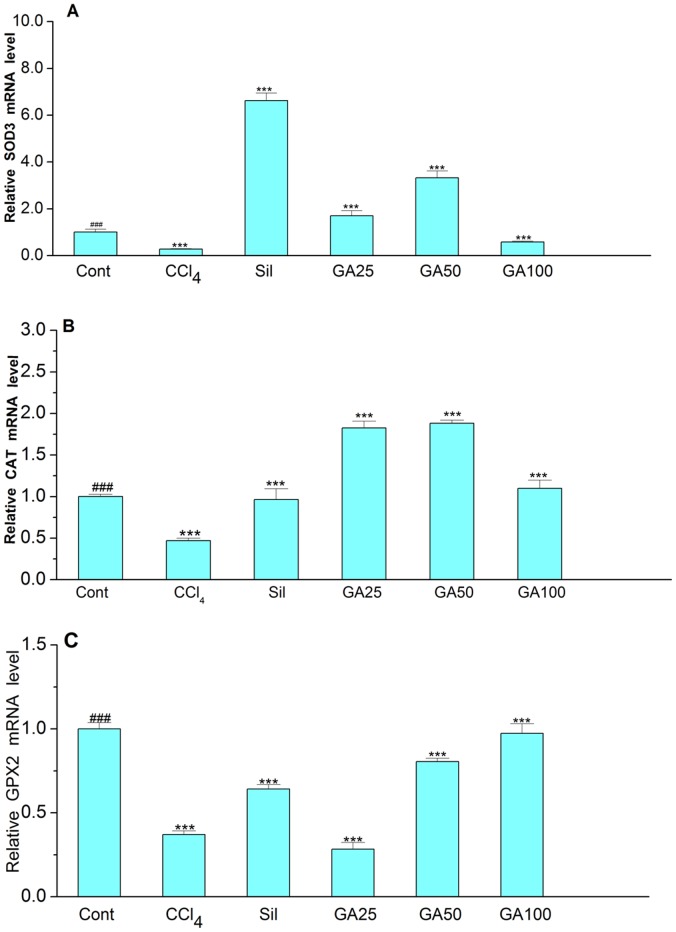
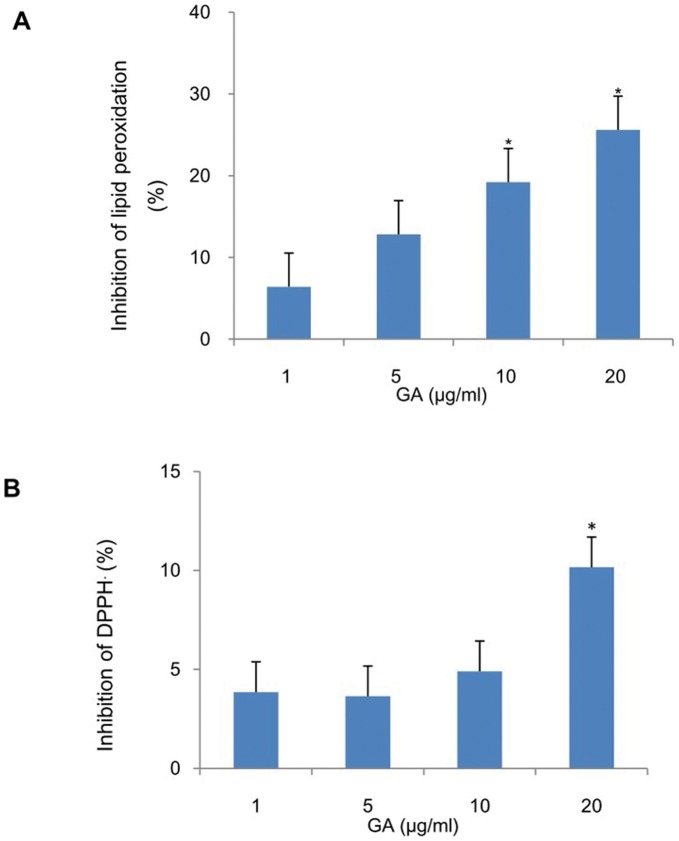
This study was designed to investigate the potentially protective effects of glycyrrhetinic acid (GA) and the role of transcription factor nuclear factor-erythroid 2(NF-E2)-related factor 2 (Nrf2) signaling in the regulation of Carbon Tetrachloride (CCl(4))-induced chronic liver fibrosis in mice. The potentially protective effects of GA on CCl(4)-induced chronic liver fibrosis in mice were depicted histologically and biochemically. Firstly, histopathological changes including regenerative nodules, inflammatory cell infiltration and fibrosis were induced by CCl(4).Then, CCl(4) administration caused a marked increase in the levels of serum aminotransferases (GOT, GPT), serum monoamine oxidase (MAO) and lipid peroxidation (MDA) as well as MAO in the mice liver homogenates. Also, decreased nuclear Nrf2 expression, mRNA levels of its target genes such as superoxide dismutase 3 (SOD3), catalase (CAT), glutathione peroxidase 2 (GPX2), and activity of cellular antioxidant enzymes were found after CCl(4) exposure. All of these phenotypes were markedly reversed by the treatment of the mice with GA. In addition, GA exhibited the antioxidant effects in vitro by on FeCl(2)-ascorbate induced lipid peroxidation in mouse liver homogenates, and on DPPH scavenging activity. Taken together, these results suggested that GA can protect the liver from oxidative stress in mice, presumably through activating the nuclear translocation of Nrf2, enhancing the expression of its target genes and increasing the activity of the antioxidant enzymes. Therefore, GA may be an effective hepatoprotective agent and viable candidate for treating liver fibrosis and other oxidative stress-related diseases.
本研究旨在探讨甘草次酸(GA)的潜在保护作用,以及转录因子核因子-红细胞 2(NF-E2)相关因子 2(Nrf2)信号通路在调节四氯化碳(CCl4)诱导的小鼠慢性肝纤维化中的作用。GA 对 CCl4 诱导的小鼠慢性肝纤维化的潜在保护作用通过组织学和生化方法进行描述。首先,CCl4 引起肝组织再生结节、炎症细胞浸润和纤维化等组织病理学改变。然后,CCl4 给药导致血清转氨酶(GOT、GPT)、血清单胺氧化酶(MAO)和脂质过氧化(MDA)以及肝匀浆 MAO 水平显著升高。此外,CCl4 暴露后,核 Nrf2 表达、其靶基因如超氧化物歧化酶 3(SOD3)、过氧化氢酶(CAT)、谷胱甘肽过氧化物酶 2(GPX2)的 mRNA 水平以及细胞抗氧化酶活性降低。所有这些表型均被 GA 治疗的小鼠显著逆转。此外,GA 在体外通过 FeCl2-抗坏血酸诱导的肝匀浆脂质过氧化和 DPPH 清除活性表现出抗氧化作用。综上所述,这些结果表明,GA 可以保护小鼠肝脏免受氧化应激,可能通过激活 Nrf2 的核转位,增强其靶基因的表达,增加抗氧化酶的活性。因此,GA 可能是一种有效的肝保护剂,可用于治疗肝纤维化和其他氧化应激相关疾病。