Department of Biological Sciences, National University of Singapore, Singapore, Singapore.
PLoS One. 2013;8(1):e53562. doi: 10.1371/journal.pone.0053562. Epub 2013 Jan 17.
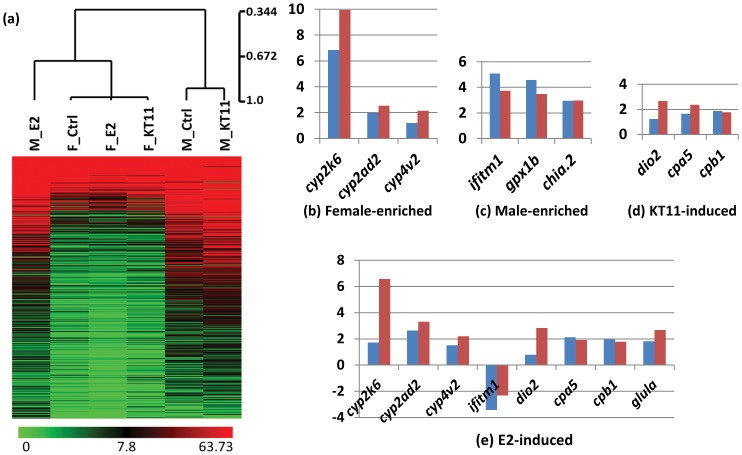
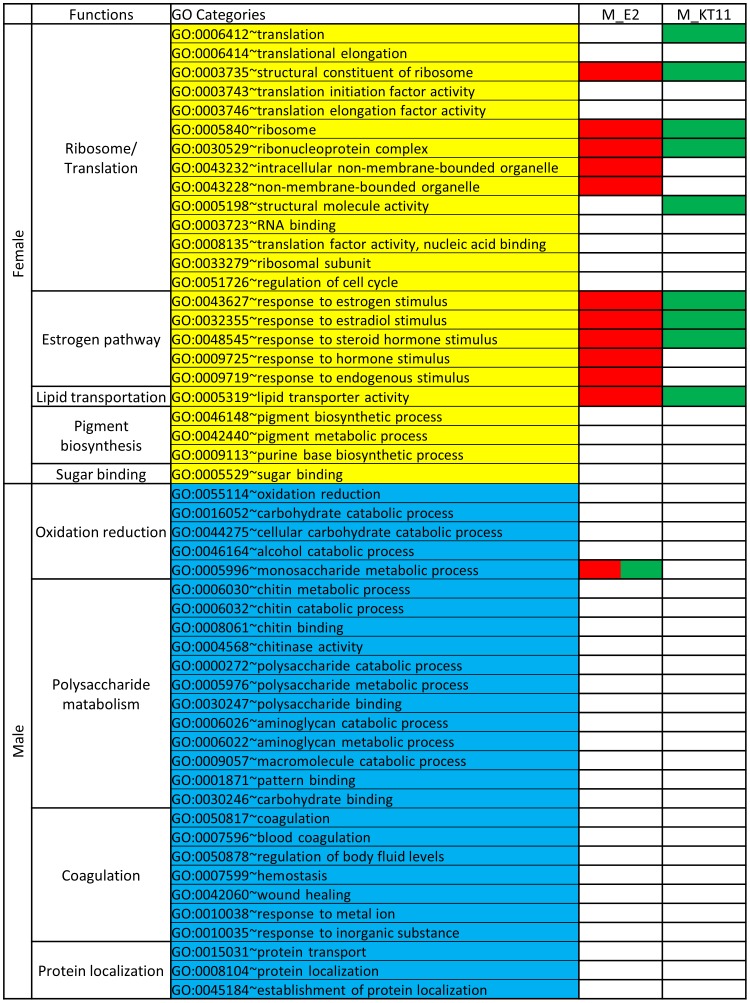
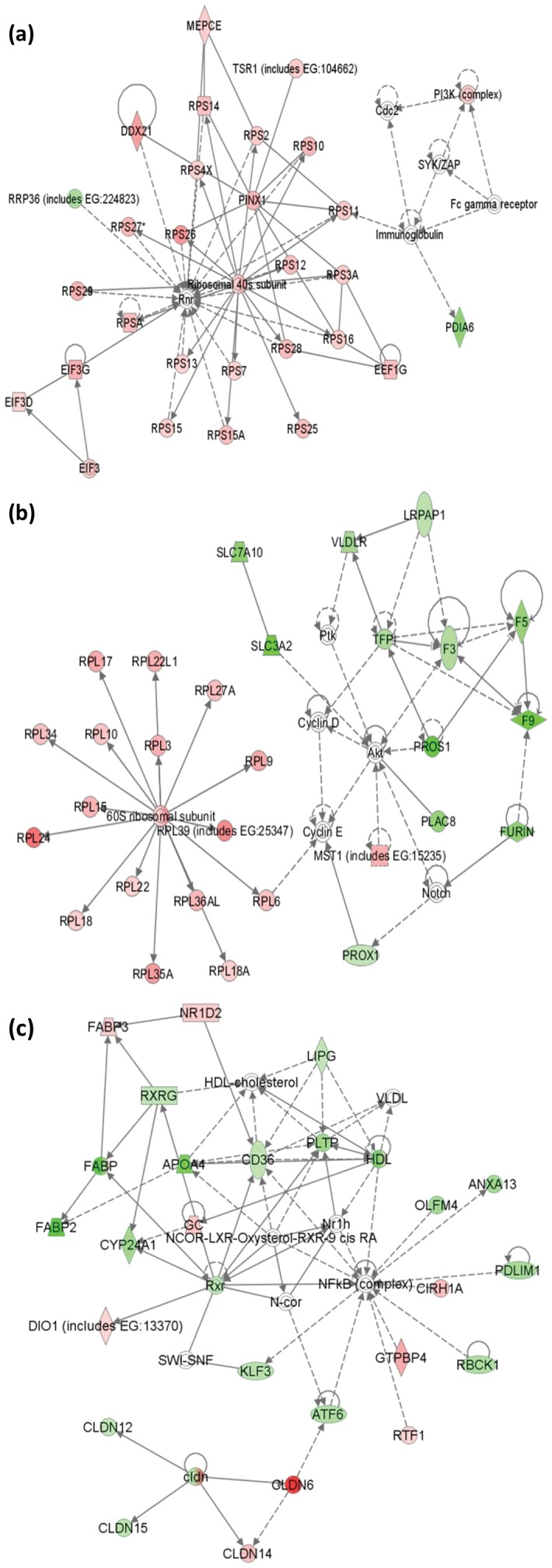
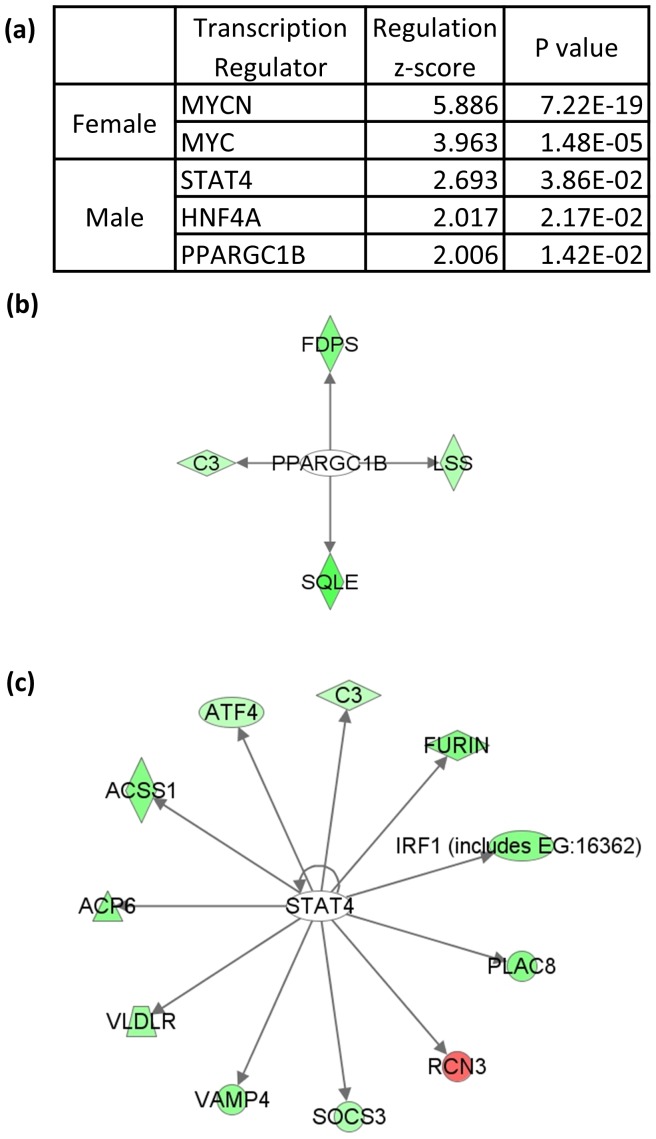
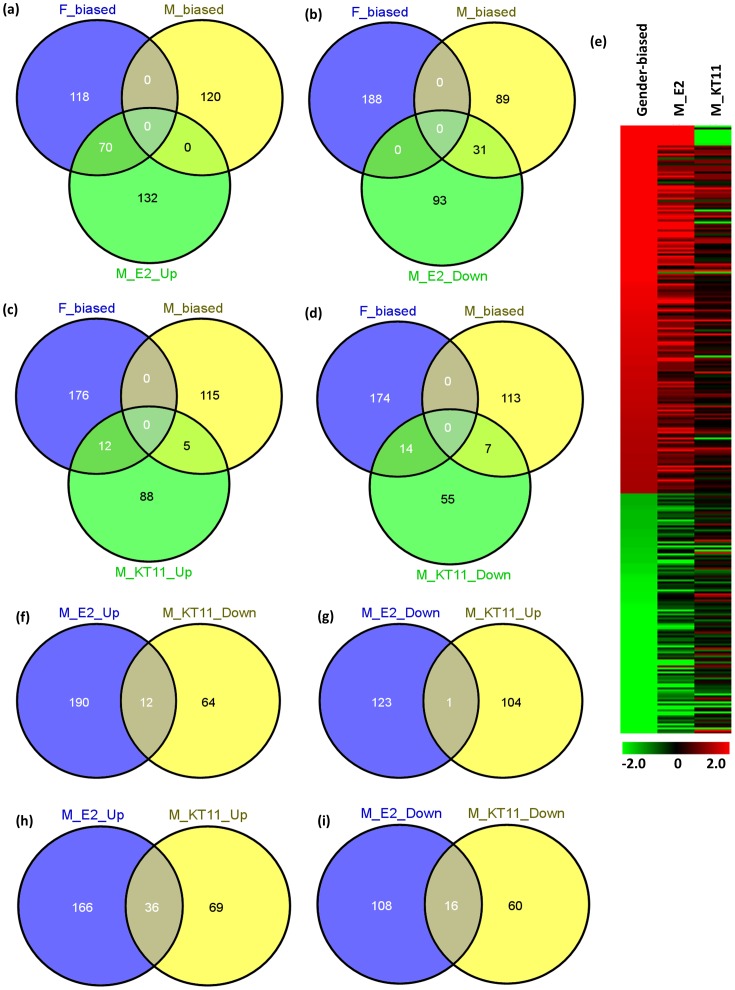
The liver is one of the most sex-dimorphic organs in both oviparous and viviparous animals. In order to understand the molecular basis of the difference between male and female livers, high-throughput RNA-SAGE (serial analysis of gene expression) sequencing was performed for zebrafish livers of both sexes and their transcriptomes were compared. Both sexes had abundantly expressed genes involved in translation, coagulation and lipid metabolism, consistent with the general function of the liver. For sex-biased transcripts, from in addition to the high enrichment of vitellogenin transcripts in spawning female livers, which constituted nearly 80% of total mRNA, it is apparent that the female-biased genes were mostly involved in ribosome/translation, estrogen pathway, lipid transport, etc, while the male-biased genes were enriched for oxidation reduction, carbohydrate metabolism, coagulation, protein transport and localization, etc. Sexual dimorphism on xenobiotic metabolism and anti-oxidation was also noted and it is likely that retinol x receptor (RXR) and liver x receptor (LXR) play central roles in regulating the sexual differences of lipid and cholesterol metabolisms. Consistent with high ribosomal/translational activities in the female liver, female-biased genes were significantly regulated by two important transcription factors, Myc and Mycn. In contrast, Male livers showed activation of transcription factors Ppargc1b, Hnf4a, and Stat4, which regulate lipid and glucose metabolisms and various cellular activities. The transcriptomic responses to sex hormones, 17β-estradiol (E2) or 11-keto testosterone (KT11), were also investigated in both male and female livers and we found that female livers were relatively insensitive to sex hormone disturbance, while the male livers were readily affected. E2 feminized male liver by up-regulating female-biased transcripts and down-regulating male-biased transcripts. The information obtained in this study provides comprehensive insights into the sexual dimorphism of zebrafish liver transcriptome and will facilitate further development of the zebrafish as a human liver disease model.
肝脏是卵生动物和胎生动物中性别差异最大的器官之一。为了了解雌雄肝脏差异的分子基础,我们对斑马鱼雌雄肝脏进行了高通量 RNA-SAGE(基因表达系列分析)测序,并比较了它们的转录组。两性都有丰富的参与翻译、凝血和脂质代谢的基因表达,这与肝脏的一般功能一致。对于性别偏向的转录本,除了产卵雌鱼肝脏中高丰度的卵黄蛋白原转录本(占总 mRNA 的近 80%)外,显然雌性偏向的基因主要涉及核糖体/翻译、雌激素途径、脂质转运等,而雄性偏向的基因则富集于氧化还原、碳水化合物代谢、凝血、蛋白质转运和定位等。还注意到了对外来化合物代谢和抗氧化的性别二态性,视黄醇 X 受体 (RXR) 和肝 X 受体 (LXR) 可能在调节脂质和胆固醇代谢的性别差异中发挥核心作用。与雌性肝脏中高核糖体/翻译活性一致,雌性偏向的基因受到两个重要转录因子 Myc 和 Mycn 的显著调控。相比之下,雄性肝脏显示出转录因子 Ppargc1b、Hnf4a 和 Stat4 的激活,这些转录因子调节脂质和葡萄糖代谢以及各种细胞活动。还研究了 17β-雌二醇 (E2) 或 11-酮睾酮 (KT11) 对雌雄肝脏转录组的影响,发现雌性肝脏对性激素干扰相对不敏感,而雄性肝脏则很容易受到影响。E2 通过上调雌性偏向的转录本和下调雄性偏向的转录本来雌性化雄性肝脏。本研究获得的信息提供了对斑马鱼肝脏转录组性别二态性的全面了解,将有助于进一步将斑马鱼发展为人类肝脏疾病模型。