Department of Cardiology, Xijing Hospital, Fourth Military Medical University, Xi'an, Shaanxi, China.
Diabetes. 2013 May;62(5):1697-708. doi: 10.2337/db12-1025. Epub 2013 Jan 30.
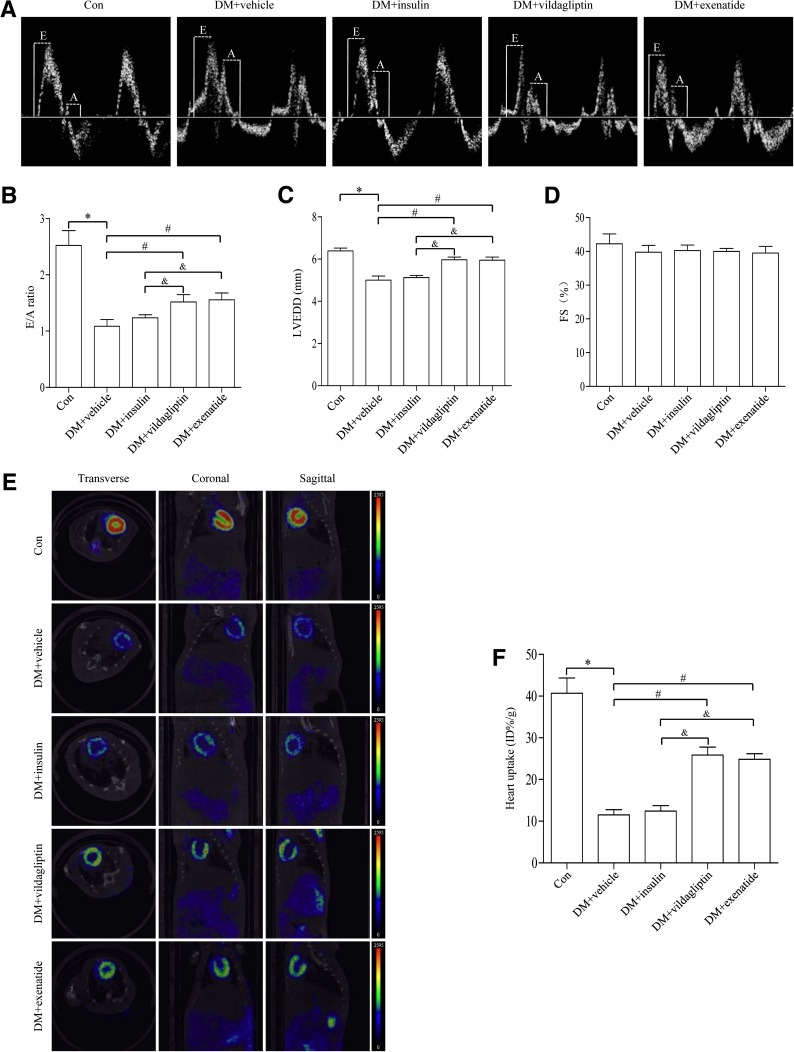
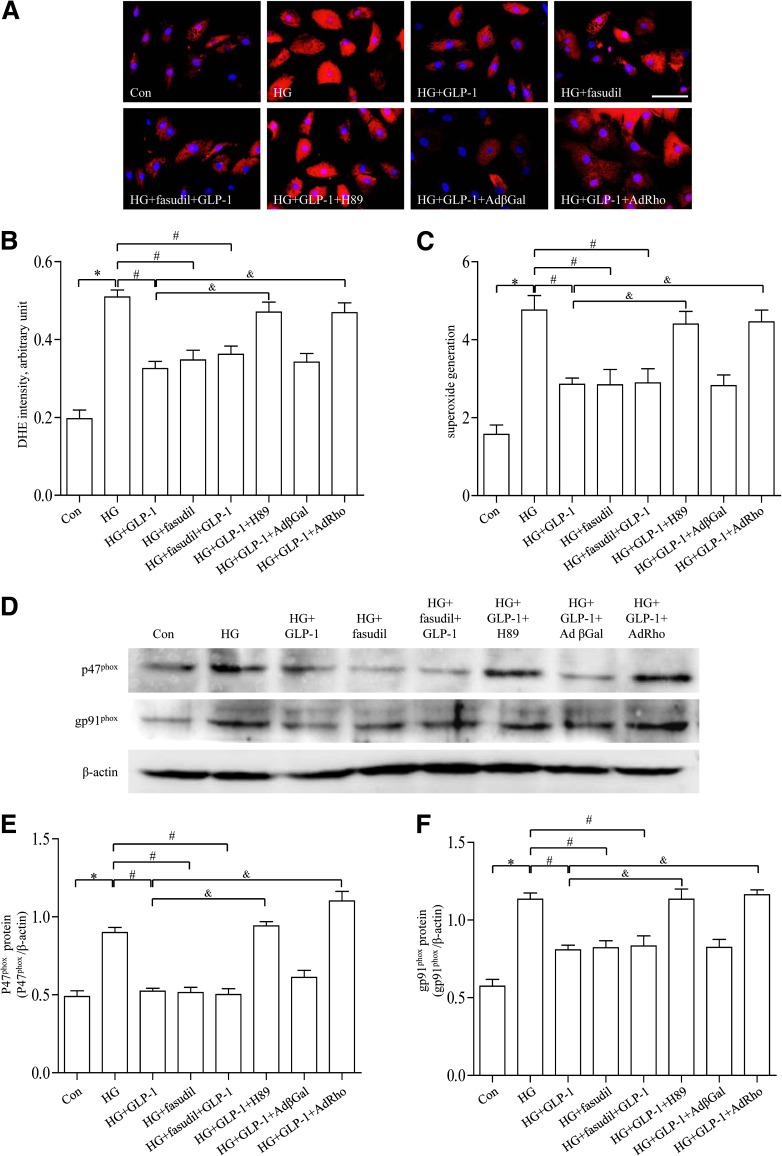
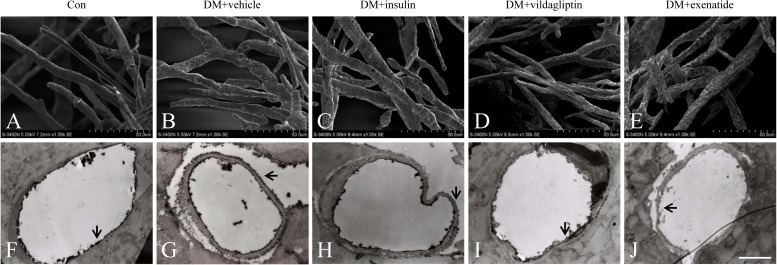
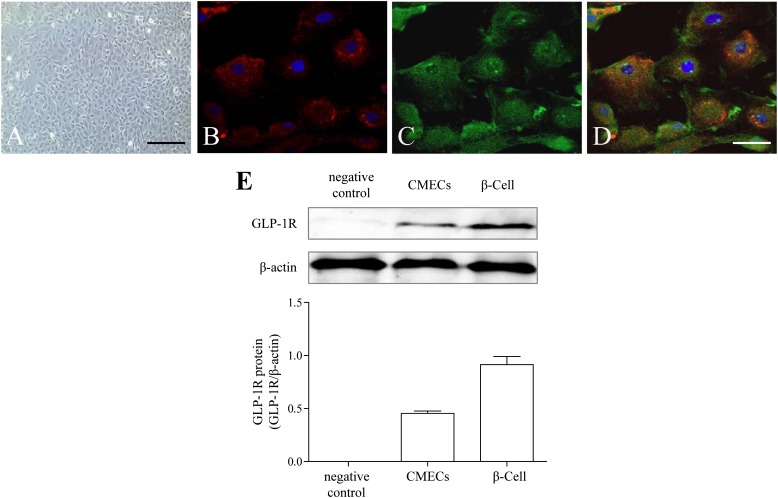
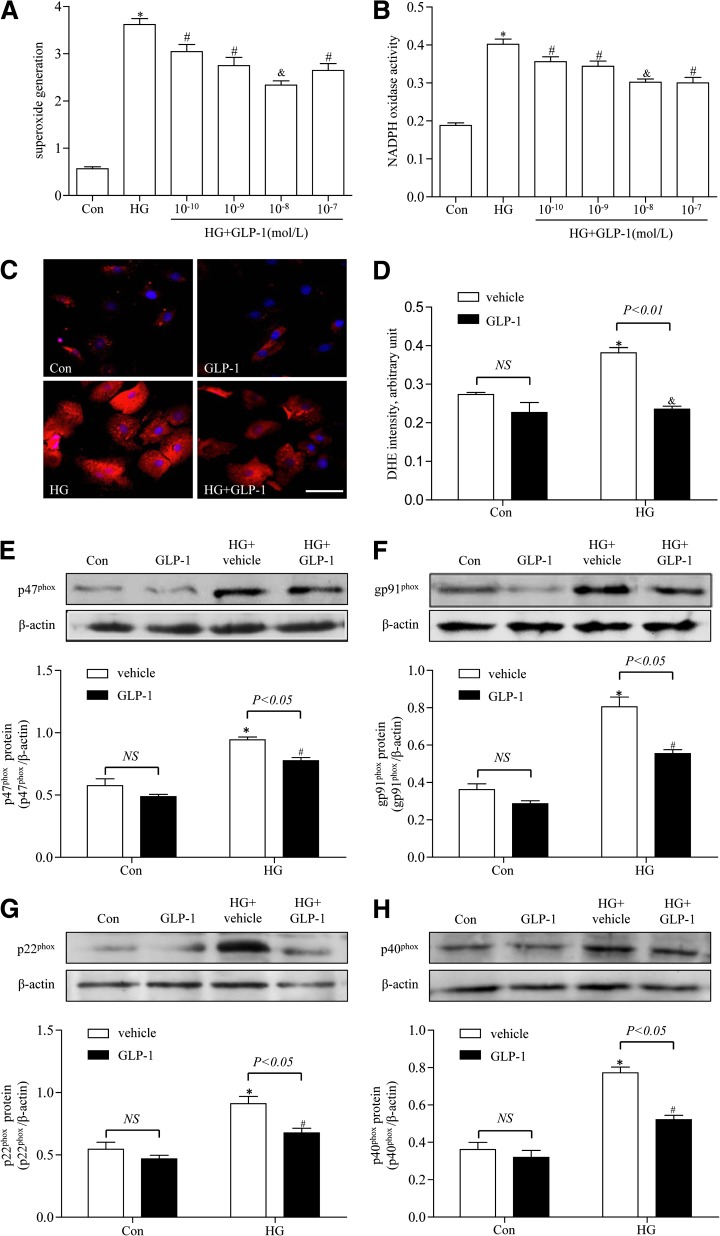
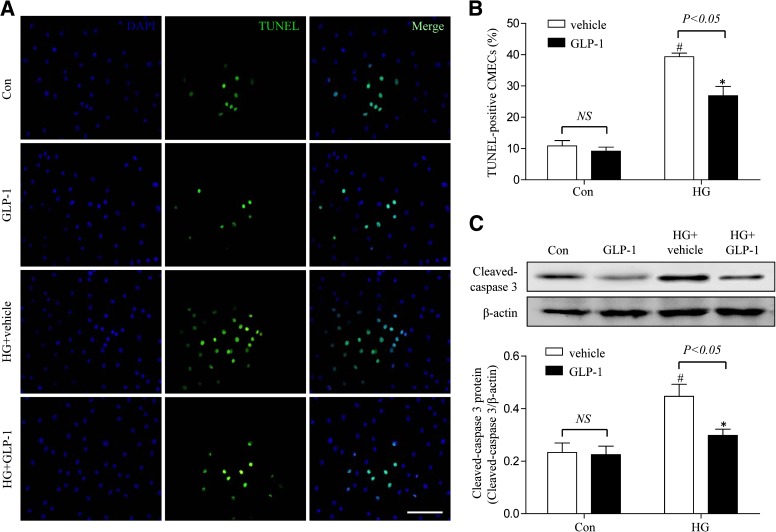
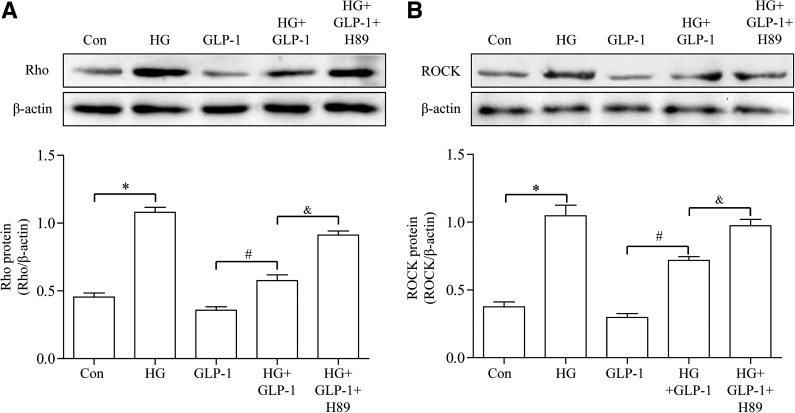
Impaired cardiac microvascular function contributes to cardiovascular complications in diabetes. Glucagon-like peptide-1 (GLP-1) exhibits potential cardioprotective properties in addition to its glucose-lowering effect. This study was designed to evaluate the impact of GLP-1 on cardiac microvascular injury in diabetes and the underlying mechanism involved. Experimental diabetes was induced using streptozotocin in rats. Cohorts of diabetic rats received a 12-week treatment of vildagliptin (dipeptidyl peptidase-4 inhibitor) or exenatide (GLP-1 analog). Experimental diabetes attenuated cardiac function, glucose uptake, and microvascular barrier function, which were significantly improved by vildagliptin or exenatide treatment. Cardiac microvascular endothelial cells (CMECs) were isolated and cultured in normal or high glucose medium with or without GLP-1. GLP-1 decreased high-glucose-induced reactive oxygen species production and apoptotic index, as well as the levels of NADPH oxidase such as p47(phox) and gp91(phox). Furthermore, cAMP/PKA (cAMP-dependent protein kinase activity) was increased and Rho-expression was decreased in high-glucose-induced CMECs after GLP-1 treatment. In conclusion, GLP-1 could protect the cardiac microvessels against oxidative stress, apoptosis, and the resultant microvascular barrier dysfunction in diabetes, which may contribute to the improvement of cardiac function and cardiac glucose metabolism in diabetes. The protective effects of GLP-1 are dependent on downstream inhibition of Rho through a cAMP/PKA-mediated pathway.
心脏微血管功能障碍是糖尿病心血管并发症的重要原因。胰高血糖素样肽-1(GLP-1)除了具有降血糖作用外,还具有潜在的心脏保护作用。本研究旨在评估 GLP-1 对糖尿病心脏微血管损伤的影响及其相关机制。采用链脲佐菌素诱导大鼠实验性糖尿病。糖尿病大鼠分为几批,分别接受维格列汀(二肽基肽酶-4 抑制剂)或艾塞那肽(GLP-1 类似物)治疗 12 周。实验性糖尿病导致心脏功能、葡萄糖摄取和微血管屏障功能受损,而维格列汀或艾塞那肽治疗则显著改善了这些功能。分离和培养正常或高糖培养基中的心脏微血管内皮细胞(CMECs),并加入或不加入 GLP-1。GLP-1 降低了高糖诱导的活性氧产生和细胞凋亡指数,以及 NADPH 氧化酶(如 p47(phox)和 gp91(phox))的水平。此外,GLP-1 处理后,高糖诱导的 CMECs 中 cAMP/PKA(环磷酸腺苷依赖蛋白激酶活性)增加,Rho 表达减少。总之,GLP-1 可防止糖尿病心脏微血管发生氧化应激、凋亡及由此导致的微血管屏障功能障碍,从而改善糖尿病患者的心脏功能和心肌葡萄糖代谢。GLP-1 的保护作用依赖于通过 cAMP/PKA 介导的途径抑制 Rho 表达。