Institut Pasteur, Cell Biology of Parasitism Unit, F-75015 Paris, France.
Sci Rep. 2013;3:1171. doi: 10.1038/srep01171. Epub 2013 Jan 30.
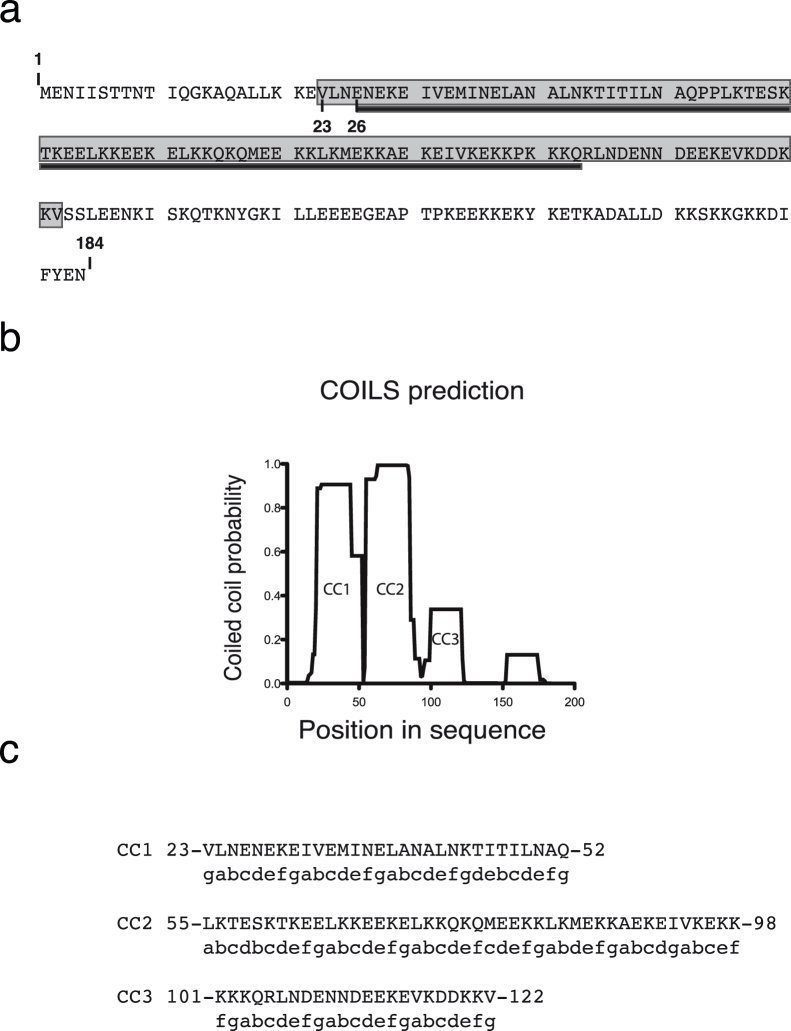
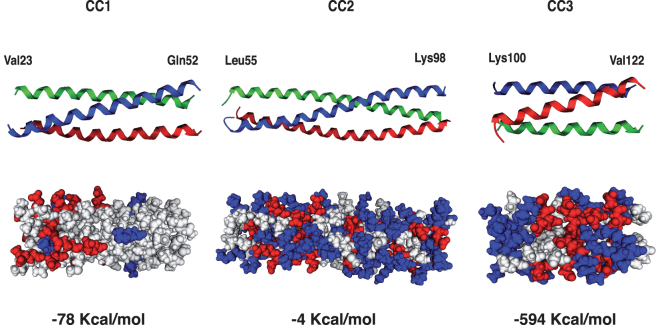
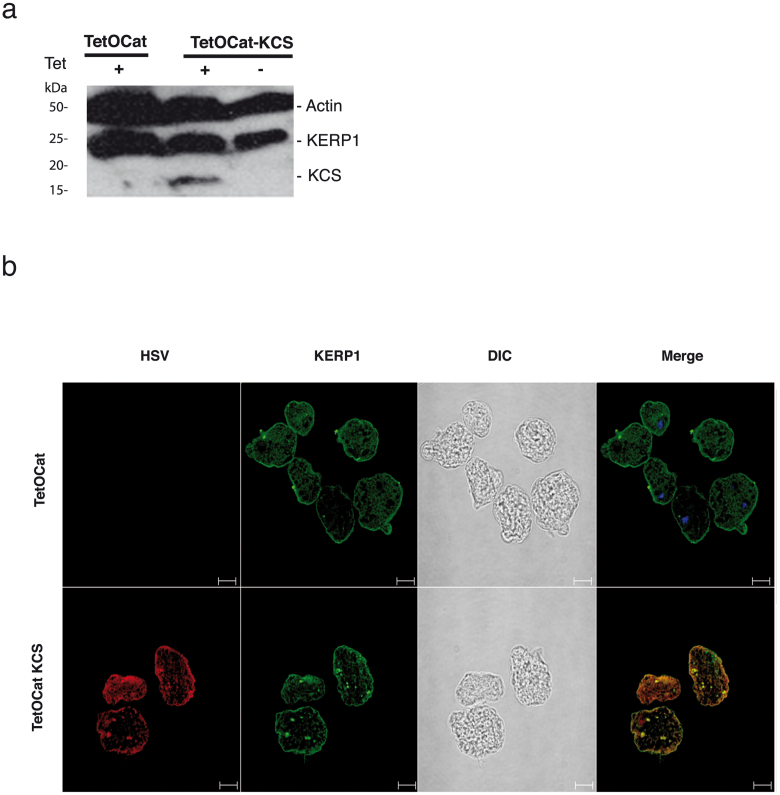
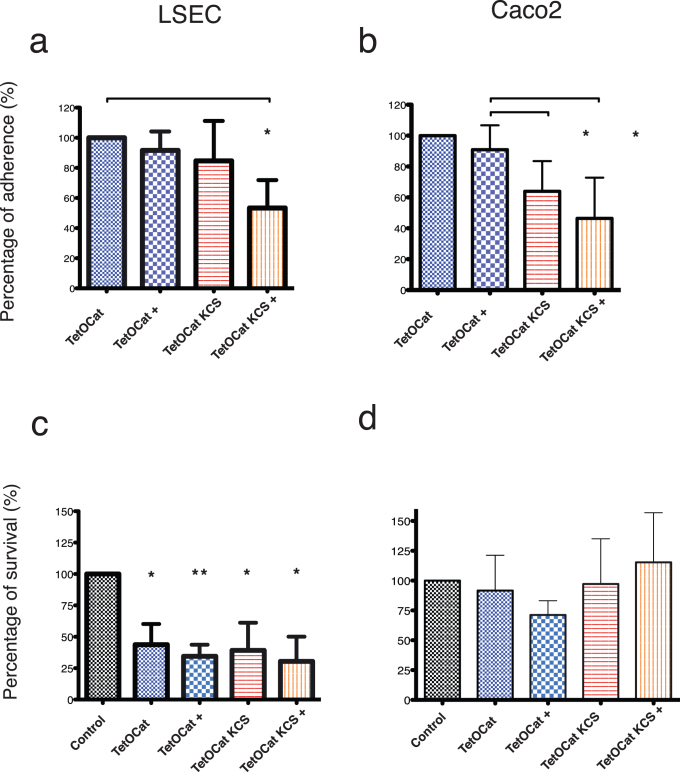
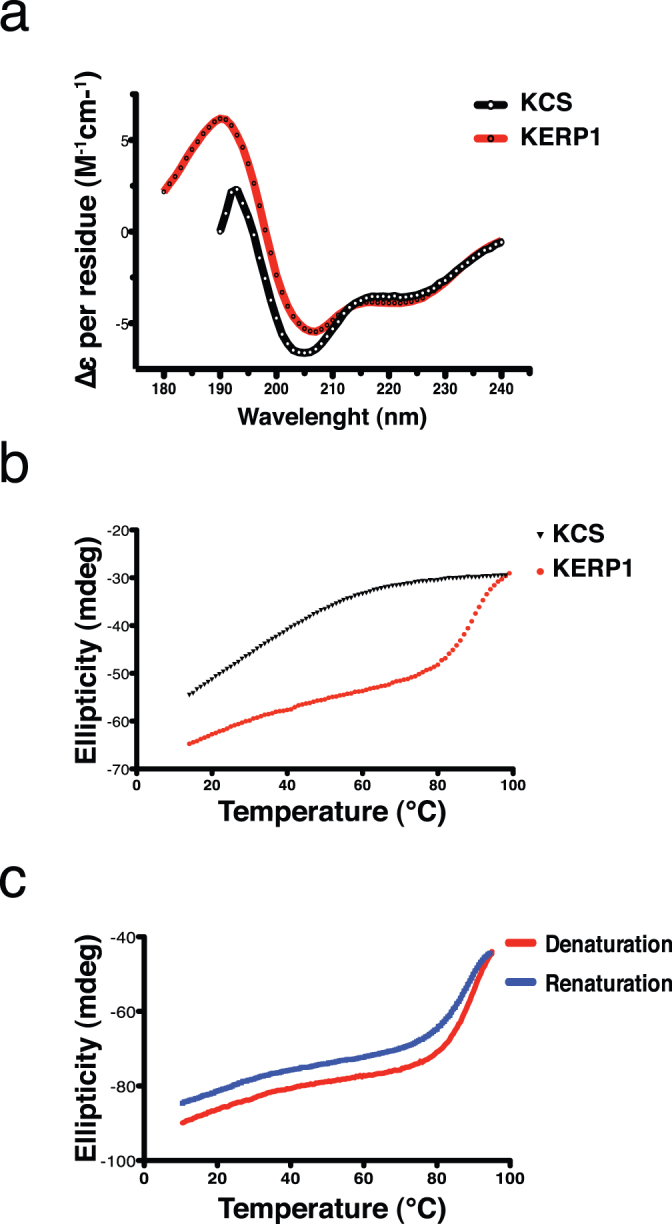
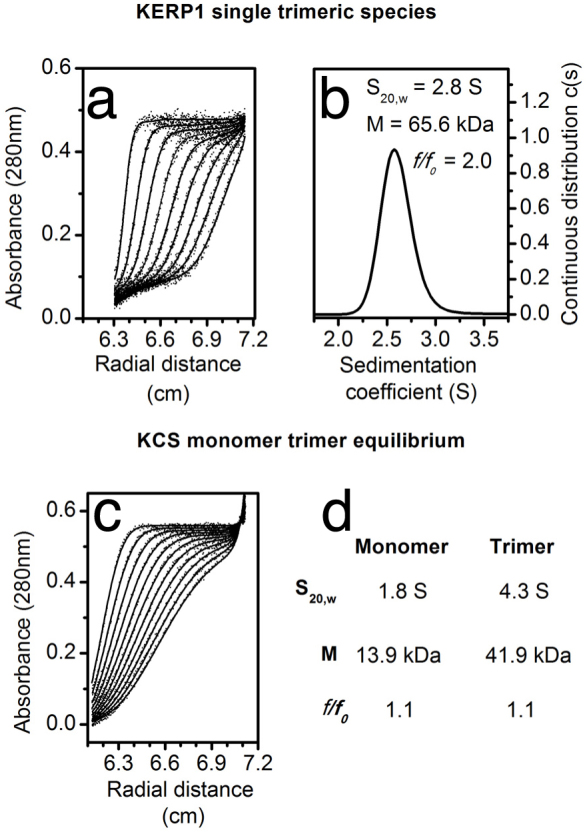
The lysine and glutamic acid rich protein KERP1 is a unique surface adhesion factor associated with virulence in the human pathogen Entamoeba histolytica. Both the function and structure of this protein remain unknown to this date. Here, we used circular dichroism, analytical ultracentrifugation and bioinformatics modeling to characterize the structure of KERP1. Our findings revealed that it is an α-helical rich protein organized as a trimer, endowed with a very high thermal stability (Tm = 89.6°C). Bioinformatics sequence analyses and 3D-structural modeling indicates that KERP1 central segments could account for protein trimerization. Relevantly, expressing the central region of KERP1 in living parasites, impair their capacity to adhere to human cells. Our observations suggest a link between the inhibitory effect of the isolated central region and the structural features of KERP1.
富含赖氨酸和谷氨酸的蛋白 KERP1 是与人类病原体溶组织内阿米巴的毒力相关的独特表面黏附因子。该蛋白的功能和结构至今仍不清楚。在此,我们使用圆二色性、分析超速离心和生物信息学建模来表征 KERP1 的结构。我们的研究结果表明,它是一种富含α-螺旋的蛋白,以三聚体的形式存在,具有非常高的热稳定性(Tm = 89.6°C)。生物信息学序列分析和 3D 结构建模表明,KERPl 的中心区域可能与蛋白三聚体化有关。相关地,在活寄生虫中表达 KERP1 的中心区域,会削弱其黏附人类细胞的能力。我们的观察结果表明,分离的中心区域的抑制作用与 KERP1 的结构特征之间存在联系。