School of Agriculture, Food & Wine and The Waite Research Institute, University of Adelaide Waite Campus, PMB1, Glen Osmond, South Australia 5064, Australia.
Plant Methods. 2013 Feb 5;9(1):4. doi: 10.1186/1746-4811-9-4.
Hydroponic growth systems are a convenient platform for studying whole plant physiology. However, we found through trialling systems as they are described in the literature that our experiments were frequently confounded by factors that affected plant growth, including algal contamination and hypoxia. We also found the way in which the plants were grown made them poorly amenable to a number of common physiological assays.
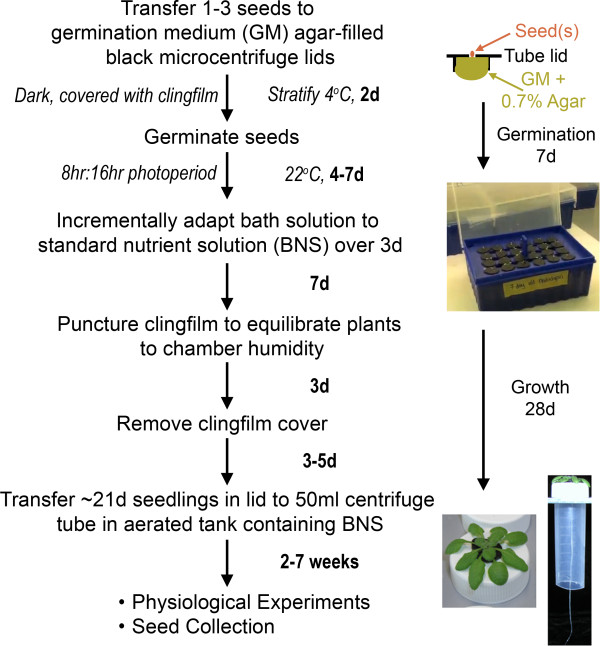
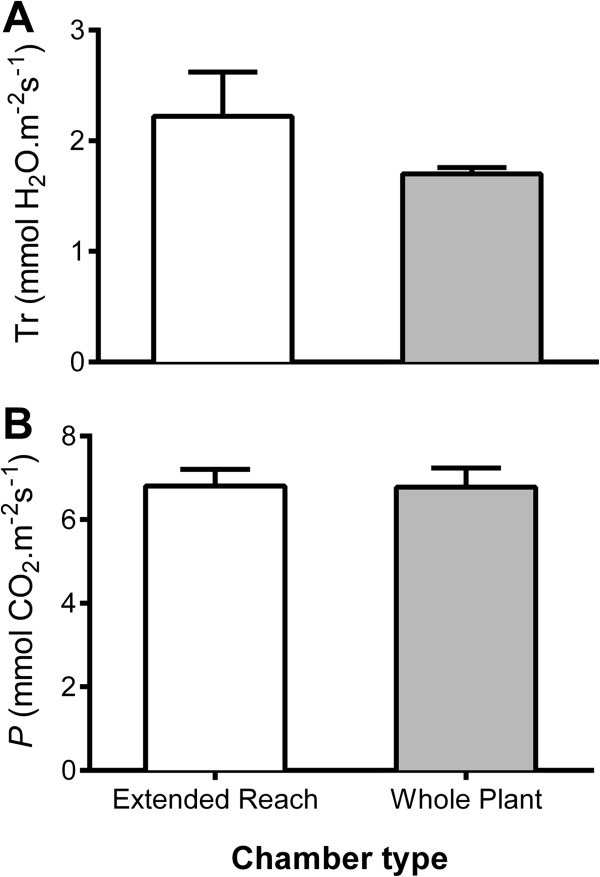
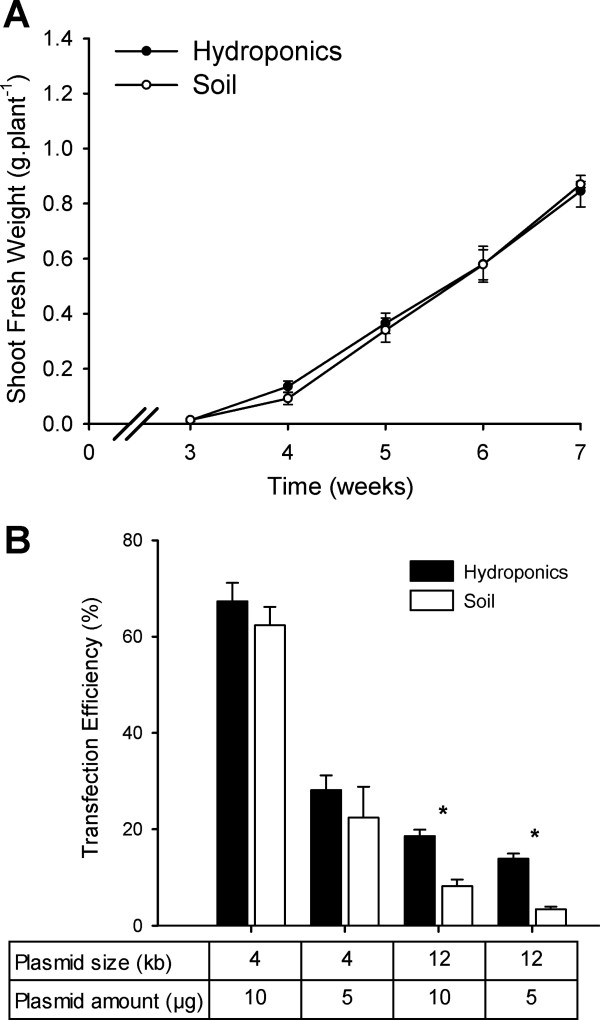
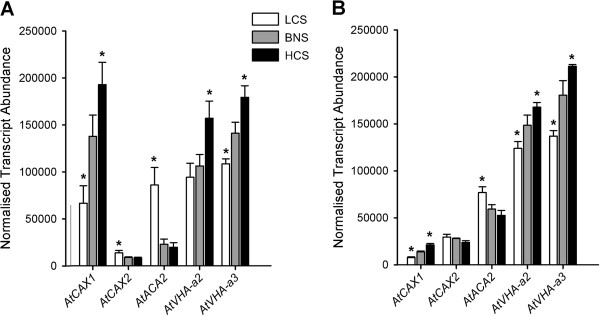
The drivers for the development of this hydroponic system were: 1) the exclusion of light from the growth solution; 2) to simplify the handling of individual plants, and 3) the growth of the plant to allow easy implementation of multiple assays. These aims were all met by the use of pierced lids of black microcentrifuge tubes. Seed was germinated on a lid filled with an agar-containing germination media immersed in the same solution. Following germination, the liquid growth media was exchanged with the experimental solution, and after 14-21 days seedlings were transferred to larger tanks with aerated solution where they remained until experimentation. We provide details of the protocol including composition of the basal growth solution, and separate solutions with altered calcium, magnesium, potassium or sodium supply whilst maintaining the activity of the majority of other ions. We demonstrate the adaptability of this system for: gas exchange measurement on single leaves and whole plants; qRT-PCR to probe the transcriptional response of roots or shoots to altered nutrient composition in the growth solution (we demonstrate this using high and low calcium supply); producing highly competent mesophyll protoplasts; and, accelerating the screening of Arabidopsis transformants. This system is also ideal for manipulating plants for micropipette techniques such as electrophysiology or SiCSA.
We present an optimised plant hydroponic culture system that can be quickly and cheaply constructed, and produces plants with similar growth kinetics to soil-grown plants, but with the advantage of being a versatile platform for a myriad of physiological and molecular biological measurements on all plant tissues at all developmental stages. We present 'tips and tricks' for the easy adoption of this hydroponic culture system.
水培生长系统是研究整个植物生理学的便捷平台。然而,我们在尝试文献中描述的系统时发现,许多因素会影响植物生长,从而使我们的实验经常受到干扰,这些因素包括藻类污染和缺氧。我们还发现,植物的生长方式使得它们不太适合进行许多常见的生理测定。
开发这种水培系统的驱动因素是:1)将光从生长溶液中排除;2)简化单个植物的处理;3)植物的生长允许轻松实施多种测定。这些目标都通过使用穿孔的黑色微量离心管盖来实现。将种子播种在充满琼脂的发芽培养基的盖子上,该培养基浸没在相同的溶液中。发芽后,用实验溶液交换液体生长培养基,14-21 天后,幼苗被转移到装有充气溶液的更大容器中,在那里它们一直保留到实验。我们提供了包括基本生长溶液组成以及改变钙、镁、钾或钠供应的单独溶液的详细协议,同时保持大多数其他离子的活性。我们展示了该系统对以下方面的适应性:对单个叶片和整株植物进行气体交换测量;qRT-PCR 探测根部或茎部对生长溶液中养分组成变化的转录响应(我们使用高钙和低钙供应来证明这一点);产生高效的叶肉原生质体;以及,加速拟南芥转化体的筛选。该系统也非常适合用于对植物进行微吸管技术操作,例如电生理学或 SiCSA。
我们提出了一种优化的植物水培培养系统,可以快速廉价地构建,并且可以生产出与土壤种植植物相似生长动力学的植物,但具有作为各种生理和分子生物学测量的多功能平台的优势,适用于所有植物组织和所有发育阶段。我们提出了易于采用这种水培培养系统的“技巧和窍门”。