Department of Medicine, Division of Allergy and Infectious Diseases, Center for Allergy and Inflammation, University of Washington, Room 254, 850 Republican Street, Seattle, WA 98109, USA.
Allergy Asthma Clin Immunol. 2013 Feb 7;9(1):6. doi: 10.1186/1710-1492-9-6.
Molecular regulation of inflammation, especially, the role of effector cells in NADPH oxidase-mediated redox reactions for producing O2- (superoxide anion) is a critical step. This study explores the roles of macrophages and neutrophils and their cross-talk with extra-cellular matrix components in the light of the role essayed by T cells. Materials and Methods and Treatment: To clarify the role of NADPH oxidase in the pathophysiology of T cell-initiatedmacrophage-associated allergic asthma, we induced allergen dependent inflammation in a gp91phox-/- SKO (single knockout) and a gp91phox-/- MMP-12-/- DKO (double knockout) mouse and analysed trafficking and functionality of various cell types, the T cell function and T cell-macrophage interaction being given special emphasis.
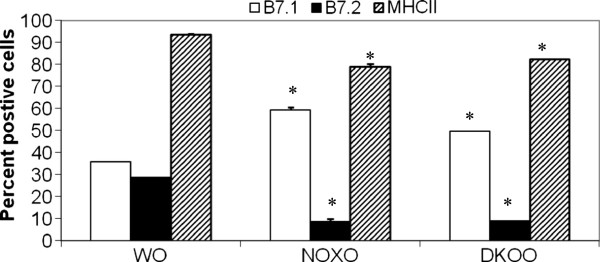
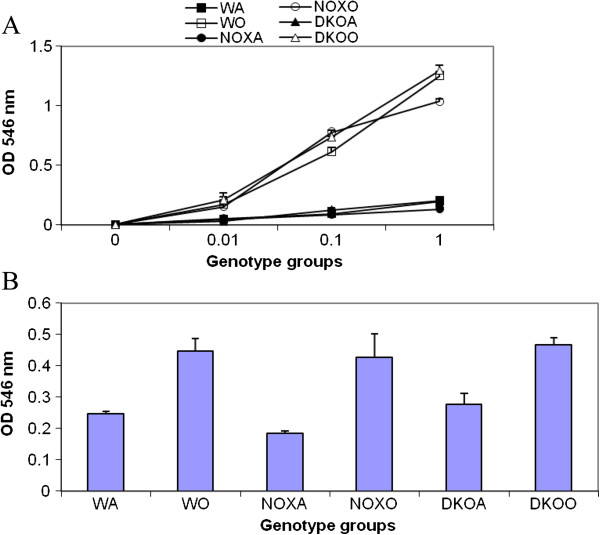
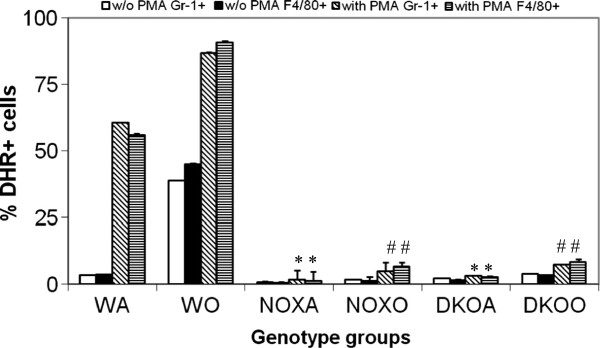
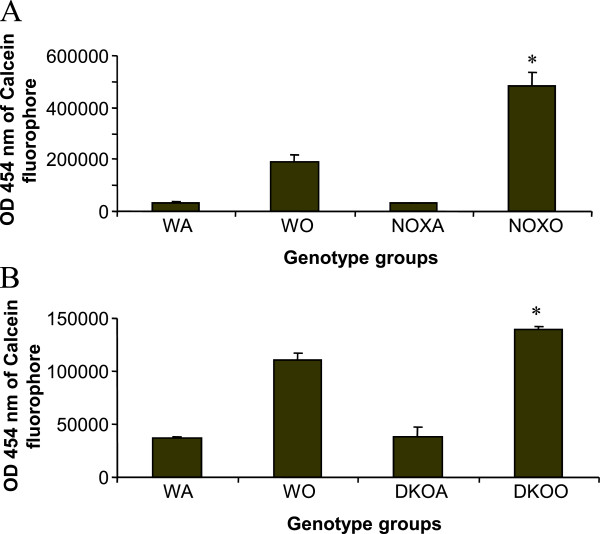
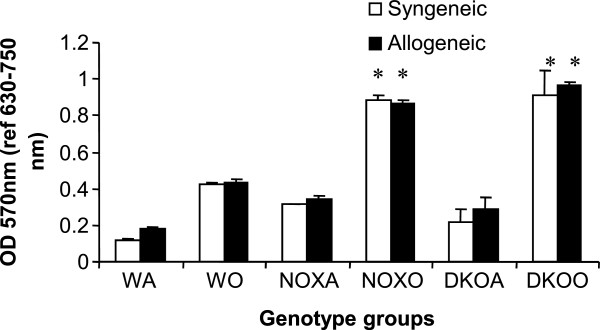
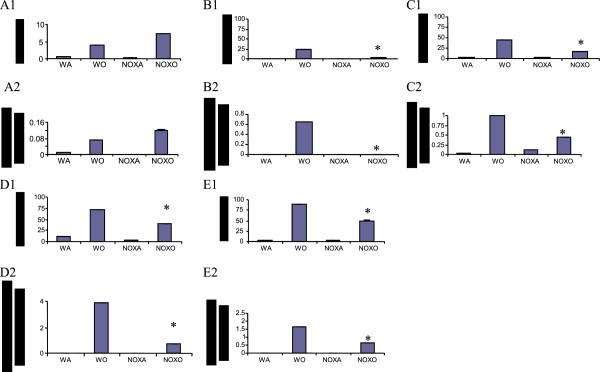
Composite asthma symptoms expressed in a more aggravated manner in both the KO (SKO and DKO) mice compared to WT indicating that some redundancy may exist in the response pathways of gp91phox and MMP-12. On the one hand, upregulation in macrophage functions such as proliferation, mixed lymphocyte reaction, and MCP-1 directed chemotaxis, may indicate that a regulatory cross-talk is switched on between T cell and macrophage and on the other, downregulation of respiratory burst response hints at a dichotomy in their signaling pathways. Increased B7.1 but reduced B7.2 and MHC class II expression on KO alveolar macrophages may suggest that a switching on-off mechanism is operative where alteration of co-stimulatory molecule expression selectively activating T cell is a critical step.
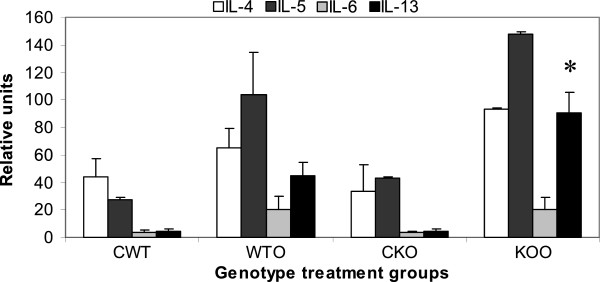
T cell mediated functions such as Th2 cytokine secretion, and T cell proliferation in response to OVA were upregulated synchronous with the overall robustness of the asthma phenotype.
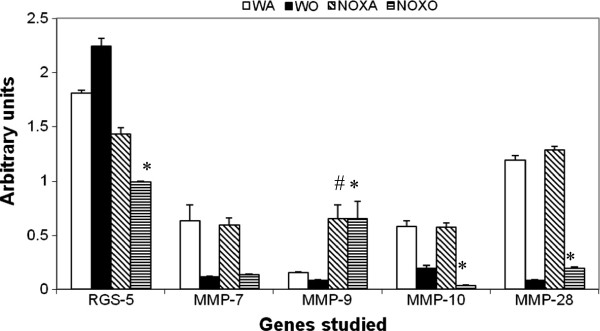
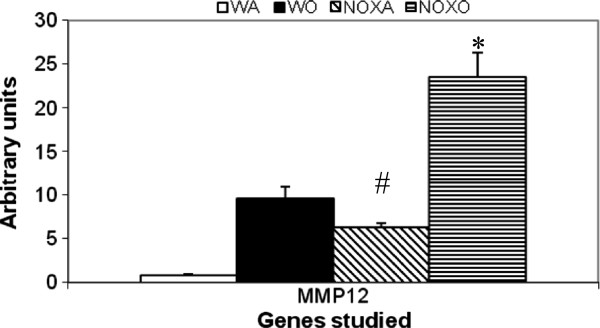
As far as cell-cell interaction is concerned, the data is indicative of the existence of a plethora of networks where molecular switches may exist that selectively induce activation and deactivation of regulatory pathways that ultimately manifest in the overall response. gp91phox and MMP-12 either redundantly or synergistically but not additively, provide a regulatory checkpoint for restricting T cell cross-talk with macrophages and keep excessive tissue damage and ECM degradation during acute allergic inflammation under control.
炎症的分子调控,尤其是效应细胞在 NADPH 氧化酶介导的氧化还原反应中产生 O2-(超氧阴离子)的作用,是一个关键步骤。本研究探讨了巨噬细胞和中性粒细胞的作用以及它们与细胞外基质成分的相互作用,以及 T 细胞所扮演的角色。材料和方法及治疗:为了阐明 NADPH 氧化酶在 T 细胞启动的巨噬细胞相关过敏性哮喘的病理生理学中的作用,我们在 gp91phox-/-SKO(单敲除)和 gp91phox-/-MMP-12-/-DKO(双敲除)小鼠中诱导过敏原依赖性炎症,并分析各种细胞类型的迁移和功能,特别强调 T 细胞功能和 T 细胞-巨噬细胞相互作用。
与 WT 相比,在 KO(SKO 和 DKO)小鼠中,复合哮喘症状表现更为严重,表明 gp91phox 和 MMP-12 的反应途径可能存在一些冗余。一方面,巨噬细胞功能的上调,如增殖、混合淋巴细胞反应和 MCP-1 趋化性,可能表明 T 细胞和巨噬细胞之间存在调节性串扰,另一方面,呼吸爆发反应的下调提示它们的信号通路存在二分法。KO 肺泡巨噬细胞上 B7.1 的增加而 B7.2 和 MHC Ⅱ类表达的减少可能表明存在一种开-关机制,其中共刺激分子表达的改变选择性激活 T 细胞是一个关键步骤。
T 细胞介导的功能,如 Th2 细胞因子分泌和对 OVA 的 T 细胞增殖,与哮喘表型的整体稳健性同步上调。
就细胞-细胞相互作用而言,这些数据表明存在大量的网络,其中可能存在分子开关,选择性诱导激活和失活的调节途径,最终导致整体反应。gp91phox 和 MMP-12 要么冗余,要么协同,但不是累加,为限制 T 细胞与巨噬细胞的相互作用提供了一个调节检查点,并在急性过敏炎症期间控制过度的组织损伤和细胞外基质降解。