Centre for Integrative Genetics, Department of Mathematical and Technological Sciences, Norwegian University of Life Sciences, Norway.
J Physiol. 2013 Apr 15;591(8):2055-66. doi: 10.1113/jphysiol.2012.248864. Epub 2013 Feb 11.
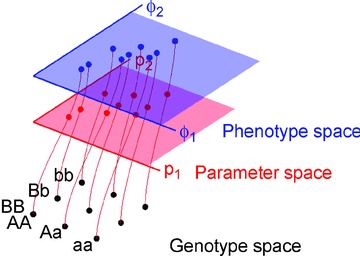
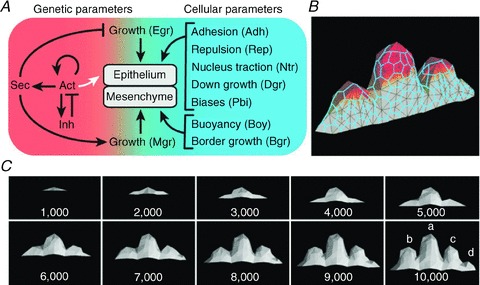
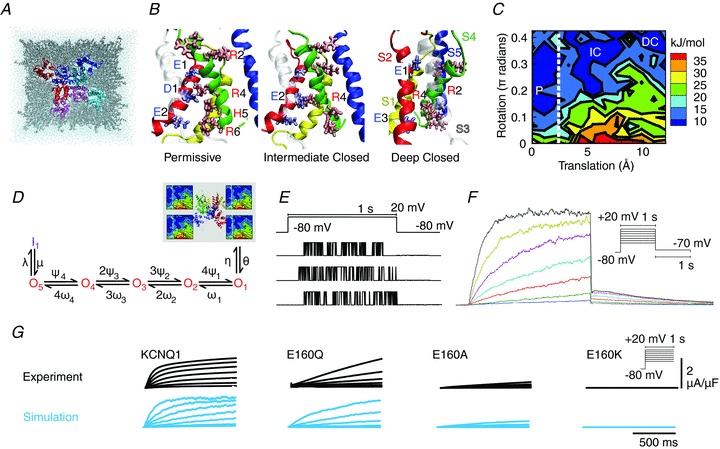
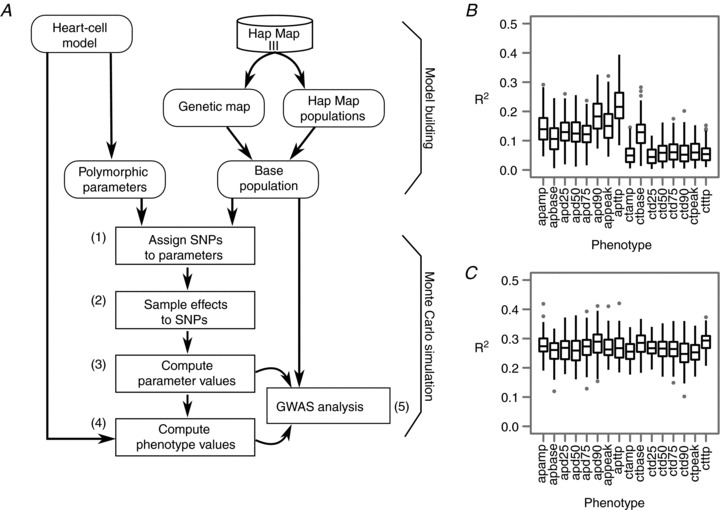
The genotype-phenotype map (GP map) concept applies to any time point in the ontogeny of a living system. It is the outcome of very complex dynamics that include environmental effects, and bridging the genotype-phenotype gap is synonymous with understanding these dynamics. The context for this understanding is physiology, and the disciplinary goals of physiology do indeed demand the physiological community to seek this understanding. We claim that this task is beyond reach without use of mathematical models that bind together genetic and phenotypic data in a causally cohesive way. We provide illustrations of such causally cohesive genotype-phenotype models where the phenotypes span from gene expression profiles to development of whole organs. Bridging the genotype-phenotype gap also demands that large-scale biological ('omics') data and associated bioinformatics resources be more effectively integrated with computational physiology than is currently the case. A third major element is the need for developing a phenomics technology way beyond current state of the art, and we advocate the establishment of a Human Phenome Programme solidly grounded on biophysically based mathematical descriptions of human physiology.
基因型-表型图谱(GP 图谱)概念适用于生命系统发育的任何时间点。它是非常复杂的动力学的结果,包括环境影响,而弥合基因型-表型差距等同于理解这些动力学。理解的背景是生理学,而生理学的学科目标确实要求生理学界寻求这种理解。我们声称,如果不使用以因果方式将遗传数据和表型数据结合在一起的数学模型,这项任务是无法完成的。我们提供了这样的因果连贯的基因型-表型模型的例子,其中表型从基因表达谱延伸到整个器官的发育。弥合基因型-表型差距还要求将大规模的生物学(“组学”)数据和相关的生物信息学资源更有效地与计算生理学相结合,而不是目前的情况。第三个主要因素是需要开发一种超越当前技术水平的表型组学技术,我们提倡建立一个基于人体生理学的生物物理数学描述的人类表型计划。