Cell and Molecular Laboratory, Department of Zoology, Faculty of Science, King Saud University, Riyadh, Saudi Arabia;
Onco Targets Ther. 2013;6:75-84. doi: 10.2147/OTT.S38227. Epub 2013 Feb 7.
Arsenic is a ubiquitous environmental toxicant, and abnormalities of the skin, lung, kidney, and liver are the most common outcomes of long-term arsenic exposure. This study was designed to investigate the possible mechanisms of genotoxicity induced by arsenic trioxide in human hepatocellular carcinoma cells.
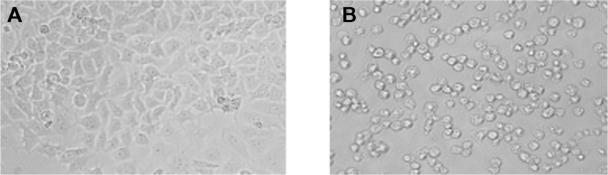
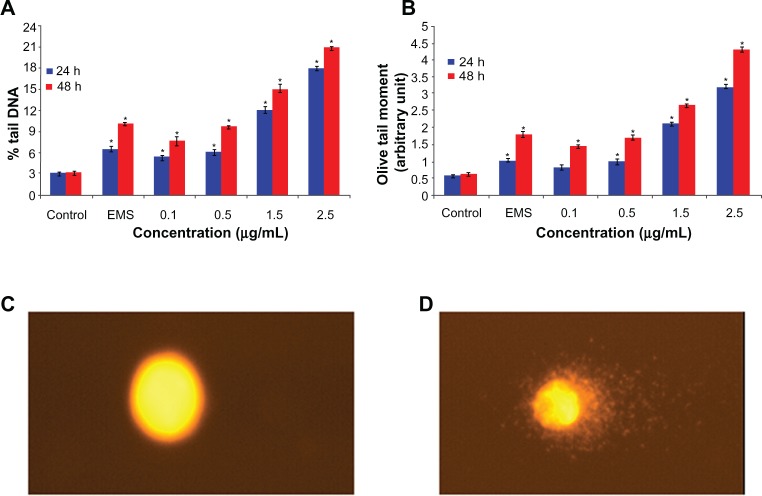
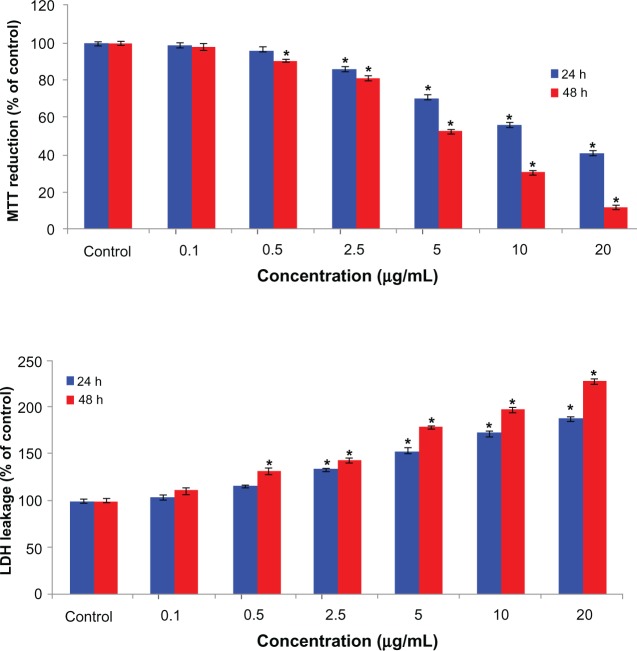
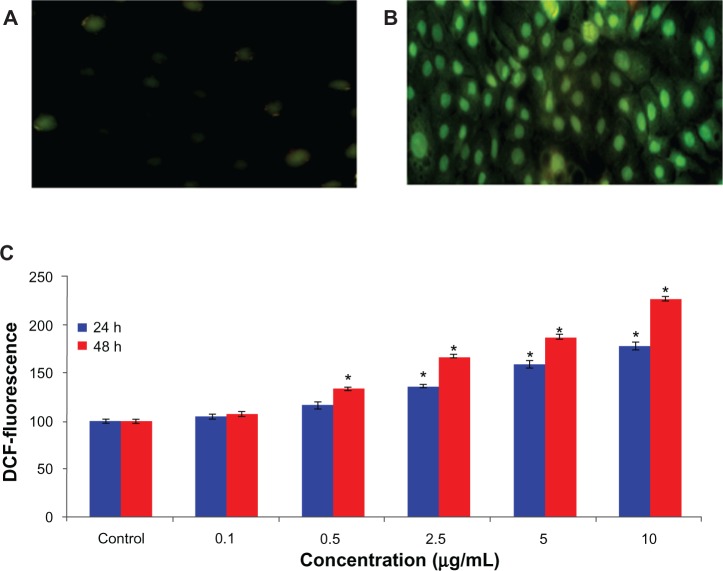
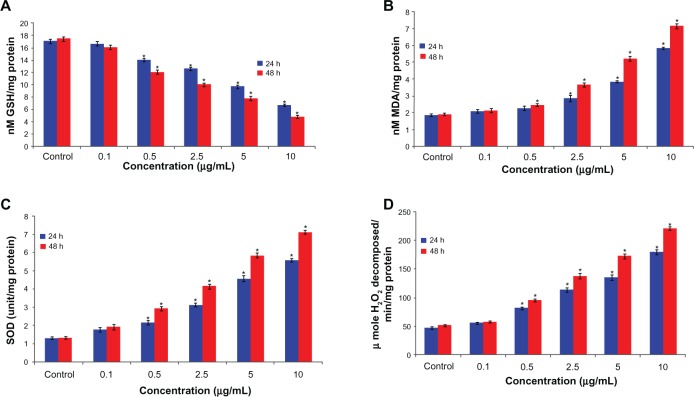
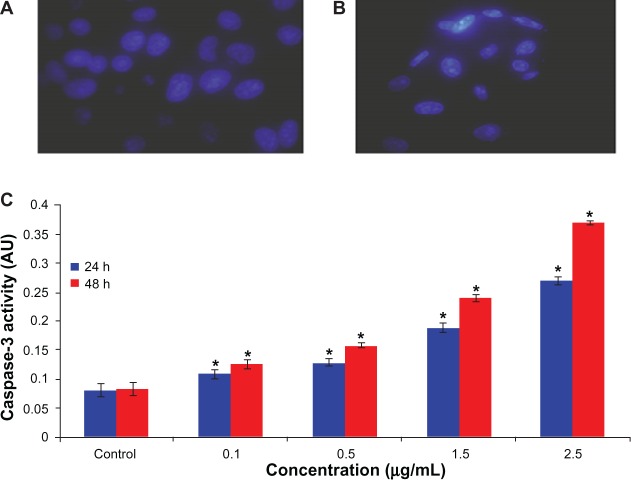
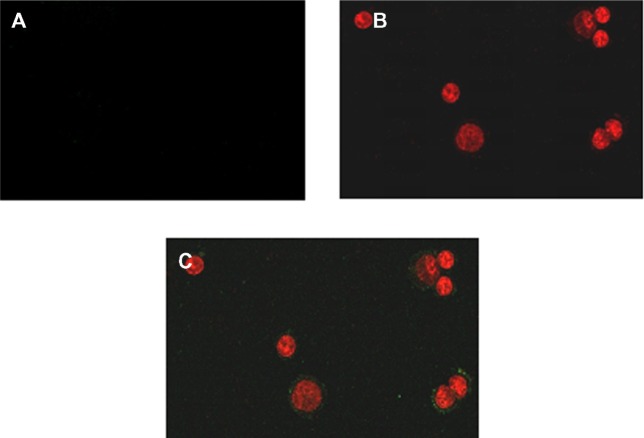
A mild cytotoxic response of arsenic trioxide was observed in human hepatocellular carcinoma cells, as evident by (3-(4,5-dimethyl thiazol-2-yl)-2, 5-diphenyl tetrazolium bromide) and lactate dehydrogenase assays after 24 and 48 hours of exposure. Arsenic trioxide elicited a significant (P < 0.01) reduction in glutathione (15.67% and 26.52%), with a concomitant increase in malondialdehyde level (67.80% and 72.25%; P < 0.01), superoxide dismutase (76.42% and 81.09%; P < 0.01), catalase (73.33% and 76.47%; P < 0.01), and reactive oxygen species generation (44.04% and 56.14%; P < 0.01) after 24 and 48 hours of exposure, respectively. Statistically significant (P < 0.01) induction of DNA damage was observed by the comet assay in cells exposed to arsenic trioxide. It was also observed that apoptosis occurred through activation of caspase-3 and phosphatidylserine externalization in human hepatocellular carcinoma cells exposed to arsenic trioxide.
The results demonstrate that arsenic trioxide induces apoptosis and genotoxicity in human hepatocellular carcinoma cells through reactive oxygen species and oxidative stress.
砷是一种普遍存在的环境毒物,长期暴露于砷会导致皮肤、肺、肾和肝等器官出现异常,这是最为常见的后果。本研究旨在探讨三氧化二砷致人肝癌细胞产生遗传毒性的可能机制。
经(3-(4,5-二甲基噻唑-2-基)-2,5-二苯基四氮唑溴盐)和乳酸脱氢酶检测,发现人肝癌细胞在暴露于三氧化二砷 24 小时和 48 小时后,表现出轻微的细胞毒性反应。三氧化二砷可显著(P < 0.01)降低谷胱甘肽(15.67%和 26.52%),同时增加丙二醛水平(67.80%和 72.25%;P < 0.01)、超氧化物歧化酶(76.42%和 81.09%;P < 0.01)、过氧化氢酶(73.33%和 76.47%;P < 0.01)和活性氧(44.04%和 56.14%;P < 0.01),分别在暴露 24 小时和 48 小时后。彗星试验也显示,三氧化二砷可显著(P < 0.01)诱导细胞 DNA 损伤。此外,还观察到在暴露于三氧化二砷的人肝癌细胞中,细胞凋亡是通过激活半胱氨酸天冬氨酸蛋白酶-3和磷脂酰丝氨酸外翻实现的。
结果表明,三氧化二砷通过活性氧和氧化应激诱导人肝癌细胞凋亡和遗传毒性。