Panek Michał, Pietras Tadeusz, Fabijan Artur, Miłanowski Maciej, Wieteska Lukasz, Górski Paweł, Kuna Piotr, Szemraj Janusz
Departments of Internal Medicine, Asthma and Allergy, Medical University of Lodz, Lodz 90-153.
Exp Ther Med. 2013 Feb;5(2):572-580. doi: 10.3892/etm.2012.809. Epub 2012 Nov 13.
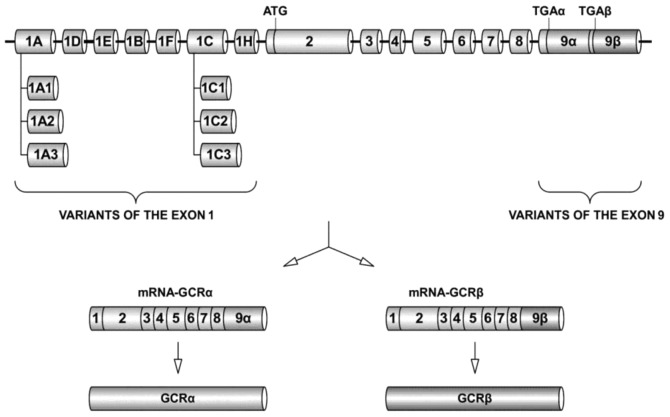
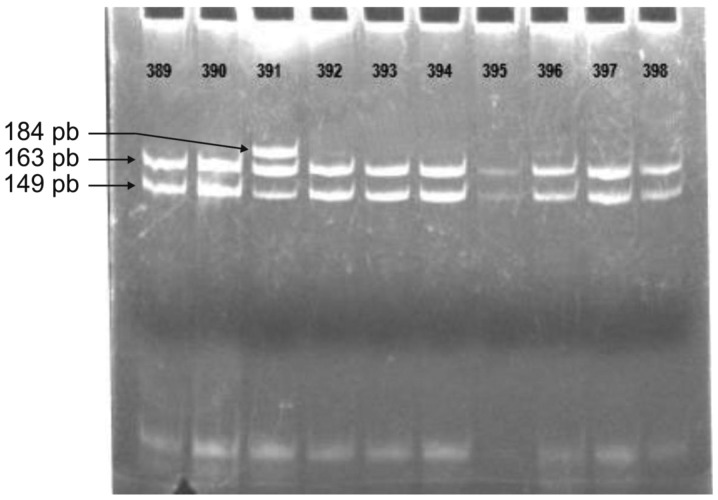
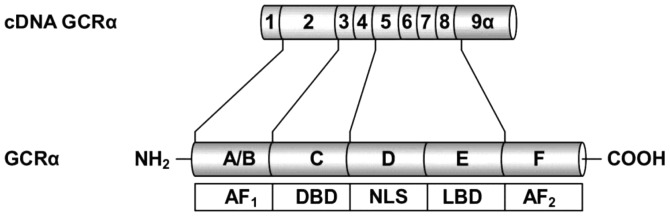
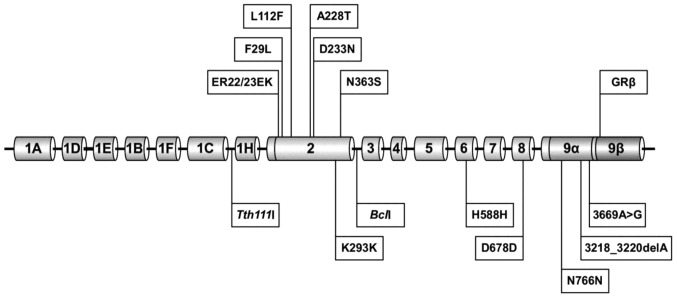
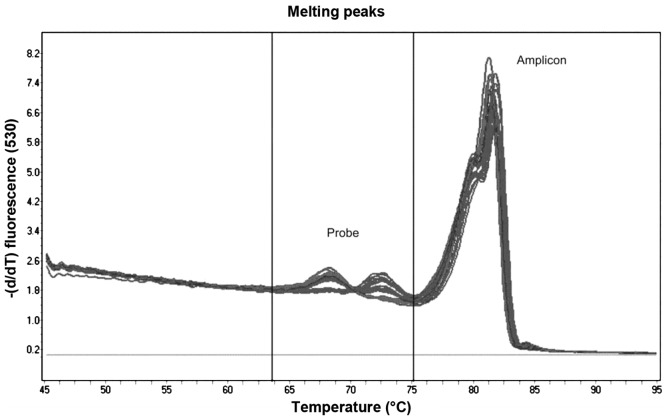
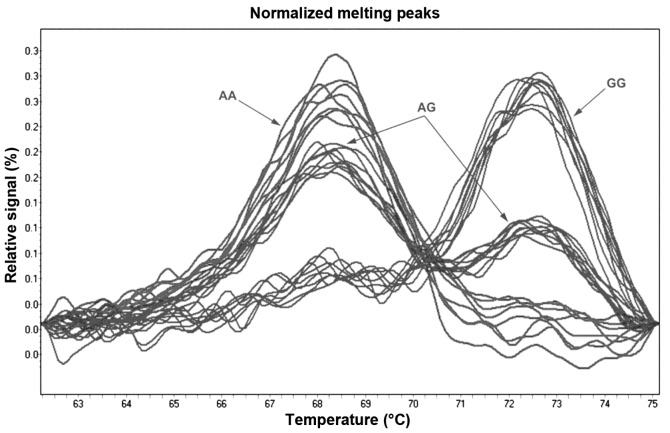
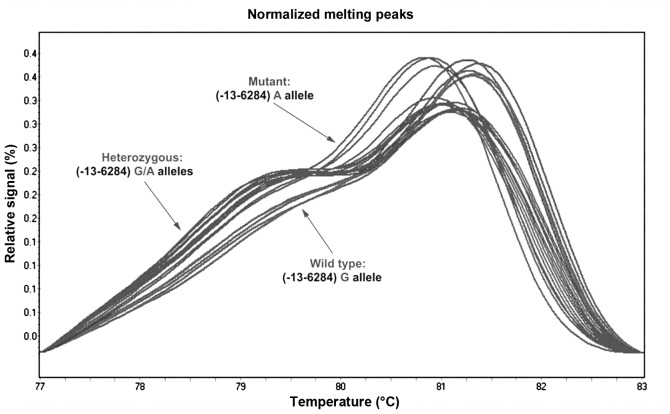
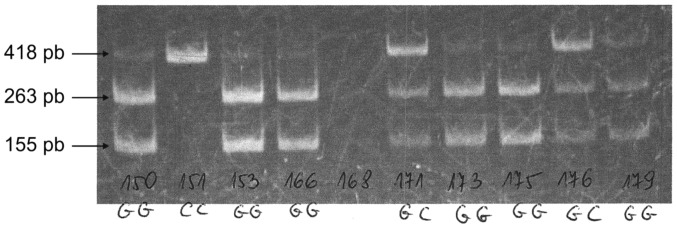
The clinical presentation of asthma results from complex gene-gene and gene-environment interactions. The natural variability of the DNA sequence within the NR3C1 gene affects the activity of glucocorticoid receptors (GCRs). The NR3C1 gene is localized on chromosome 5q31-q32. The gene coding for the GCR comprises nine exons. The structural domains of the GCR determine the biological functions of the functional domains. The observed resistance to glucocorticosteroids and the normal metabolic profile of Tth111I single nucleotide polymorphism (SNP) carriers is due to the ER22/23EK polymorphism that is present in them. BclI polymorphism significantly affects the process of alternative NR3C1 gene splicing and within that mechanism increases the sensitivity to glucocorticoids (GCs). A total of 451 subjects were enrolled in the present study, including 235 qualified to the group of bronchial asthma patients. A group of 216 healthy participants with no history of asthma or atopic conditions was qualified for the study. Genotyping was accomplished using the polymerase chain reaction-restriction fragment length polymorphism (PCR-RFLP) and PCR-high resolution melting (HRM) methods. No statistically significant differences were observed in the frequency of Tth111I, BclI and ER22/23EK polymorphisms of the NR3C1 gene when comparing mild, moderate and severe asthma vs. the control group. Investigative analyses demonstrated statistically significant correlations for alleles and genotypes of Tth111I polymorphism of the NR3C1 gene between healthy subjects and patients with severe asthma characterized by a control profile corresponding to an Asthma Control Test (ACT)™ score ≥20. It was established that only the Tth111I polymorphism of the NR3C1 gene plays an important role in the pathogenesis of chronic bronchitis leading to the development of asthma with both allergic and non-allergic etiology.
哮喘的临床表现源于复杂的基因-基因和基因-环境相互作用。NR3C1基因内DNA序列的自然变异性会影响糖皮质激素受体(GCRs)的活性。NR3C1基因定位于5号染色体的q31-q32区域。编码GCR的基因由九个外显子组成。GCR的结构域决定了功能域的生物学功能。Tth111I单核苷酸多态性(SNP)携带者对糖皮质激素的耐药性以及正常的代谢谱是由于其存在的ER22/23EK多态性所致。BclI多态性显著影响NR3C1基因的可变剪接过程,并在该机制内增加对糖皮质激素(GCs)的敏感性。本研究共纳入451名受试者,其中235名符合支气管哮喘患者组标准。一组216名无哮喘或特应性疾病史的健康参与者符合研究条件。基因分型采用聚合酶链反应-限制性片段长度多态性(PCR-RFLP)和PCR-高分辨率熔解(HRM)方法。比较轻度、中度和重度哮喘患者与对照组时,NR3C1基因的Tth111I、BclI和ER22/23EK多态性频率未观察到统计学显著差异。调查分析表明,在健康受试者与以哮喘控制测试(ACT)™评分≥20为对照特征的重度哮喘患者之间,NR3C1基因Tth111I多态性的等位基因和基因型存在统计学显著相关性。已确定只有NR3C1基因的Tth111I多态性在导致过敏性和非过敏性病因哮喘的慢性支气管炎发病机制中起重要作用。