University of Tennessee Health Science Center, Department of Surgery, Memphis, Tennessee, USA.
PLoS One. 2013;8(2):e51309. doi: 10.1371/journal.pone.0051309. Epub 2013 Feb 7.
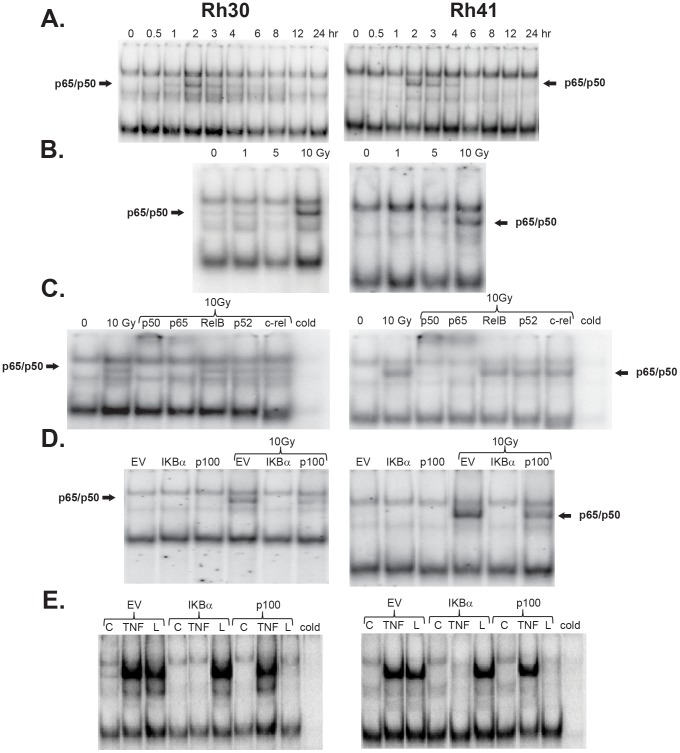
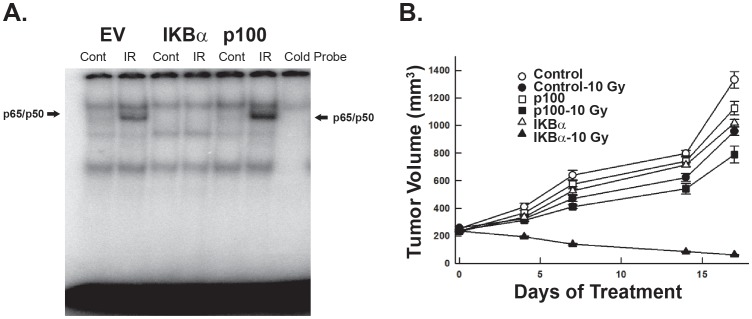
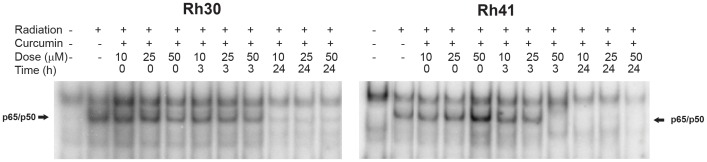
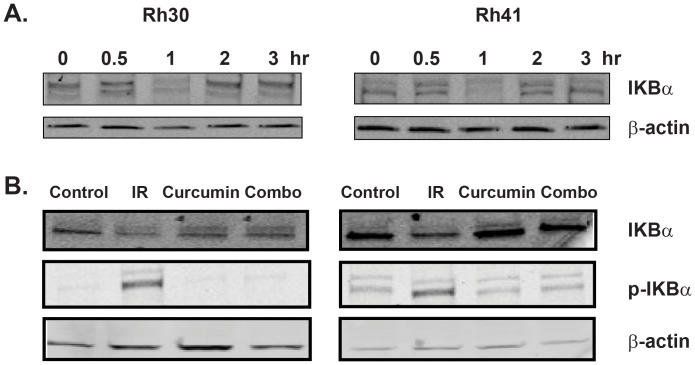
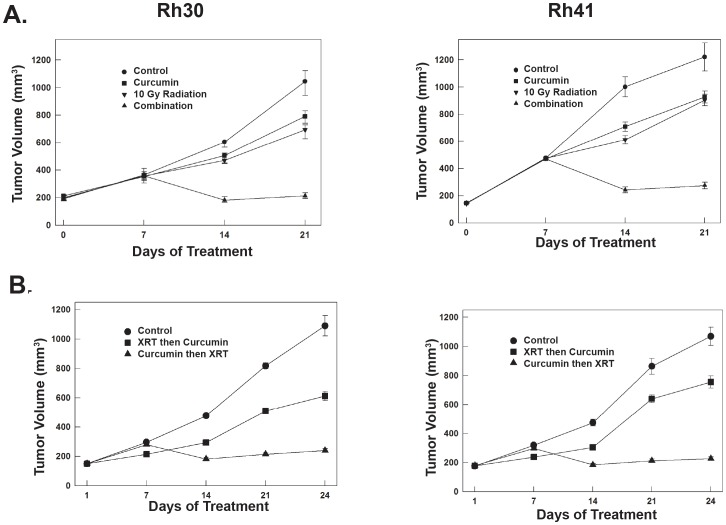
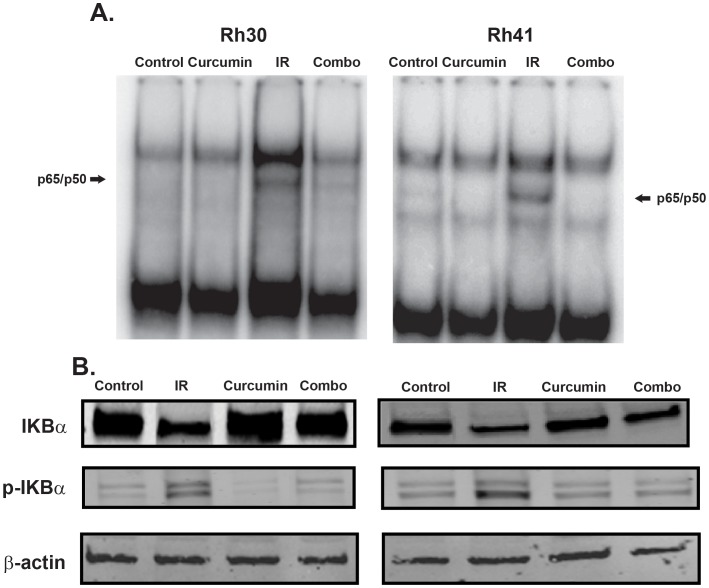
Ionizing radiation (IR) is an essential component of therapy for alveolar rhabdomyosarcoma. Nuclear factor-kappaB (NF-κΒ) transcription factors are upregulated by IR and have been implicated in radioresistance. We evaluated the ability of curcumin, a putative NF-κΒ inhibitor, and cells expressing genetic NF- κΒ inhibitors (IκBα and p100 super-repressor constructs) to function as a radiosensitizer. Ionizing radiation induced NF-κΒ activity in the ARMS cells in vitro in a dose- and time-dependent manner, and upregulated expression of NF-κΒ target proteins. Pretreatment of the cells with curcumin inhibited radiation-induced NF-κΒ activity and target protein expression. In vivo, the combination of curcumin and IR had synergistic antitumor activity against Rh30 and Rh41 ARMS xenografts. The greatest effect occurred when tumor-bearing mice were treated with curcumin prior to IR. Immunohistochemistry revealed that combination therapy significantly decreased tumor cell proliferation and endothelial cell count, and increased tumor cell apoptosis. Stable expression of the super-repressor, SR-IκBα, that blocks the classical NF-κB pathway, increased sensitivity to IR, while expression of SR-p100, that blocks the alternative pathway, did not. Our results demonstrate that curcumin can potentiate the antitumor activity of IR in ARMS xenografts by suppressing a classical NF-κΒ activation pathway induced by ionizing radiation. These data support testing of curcumin as a radiosensitizer for the clinical treatment of alveolar rhabdomyosarcoma. IMPACT OF WORK: The NF-κΒ protein complex has been linked to radioresistance in several cancers. In this study, we have demonstrated that inhibiting radiation-induced NF-κΒ activity by either pharmacologic (curcumin) or genetic (SR-IκBα) means significantly enhanced the efficacy of radiation therapy in the treatment of alveolar rhabdomyosarcoma cells and xenografts. These data suggest that preventing the radiation-induced activation of the NF-κΒ pathway is a promising way to improve the antitumor efficacy of ionizing radiation and warrants clinical trials.
电离辐射(IR)是治疗肺泡横纹肌肉瘤的重要组成部分。核因子-κB(NF-κΒ)转录因子被 IR 上调,并与放射抗性有关。我们评估了姜黄素(一种假定的 NF-κΒ 抑制剂)和表达遗传 NF-κΒ 抑制剂(IκBα 和 p100 超级抑制物构建体)的细胞作为放射增敏剂的能力。IR 在体外以剂量和时间依赖的方式诱导 ARMS 细胞中的 NF-κΒ 活性,并上调 NF-κΒ 靶蛋白的表达。用姜黄素预处理细胞可抑制辐射诱导的 NF-κΒ 活性和靶蛋白表达。在体内,姜黄素和 IR 的联合治疗对 Rh30 和 Rh41 横纹肌肉瘤异种移植物具有协同抗肿瘤活性。当荷瘤小鼠在接受 IR 之前接受姜黄素治疗时,效果最大。免疫组织化学显示,联合治疗可显著降低肿瘤细胞增殖和内皮细胞计数,并增加肿瘤细胞凋亡。阻断经典 NF-κΒ 途径的超级抑制剂 SR-IκBα 的稳定表达增加了对 IR 的敏感性,而阻断替代途径的 SR-p100 的表达则没有。我们的结果表明,姜黄素通过抑制电离辐射诱导的经典 NF-κΒ 激活途径,增强了 ARMS 异种移植物中 IR 的抗肿瘤活性。这些数据支持用姜黄素作为治疗肺泡横纹肌肉瘤的放射增敏剂进行临床试验。工作的影响:NF-κΒ 蛋白复合物与几种癌症的放射抗性有关。在这项研究中,我们已经证明,通过药理学(姜黄素)或遗传学(SR-IκBα)手段抑制辐射诱导的 NF-κΒ 活性显著增强了放射治疗治疗肺泡横纹肌肉瘤细胞和异种移植物的疗效。这些数据表明,防止辐射诱导的 NF-κΒ 途径的激活是提高电离辐射抗肿瘤疗效的一种有前途的方法,值得进行临床试验。