Department of Woman and Child Health, University of Padova, Padova, Italy.
Cell Death Dis. 2013 Feb 21;4(2):e500. doi: 10.1038/cddis.2013.32.
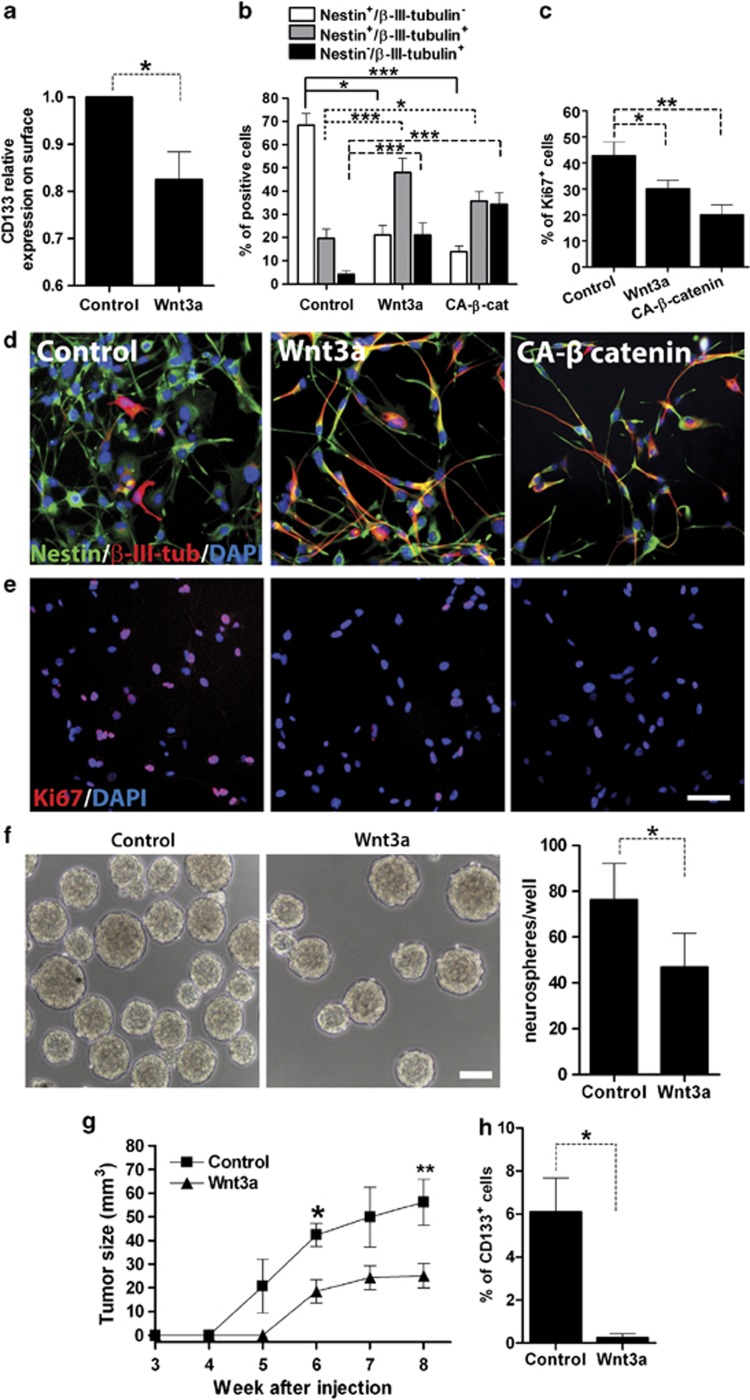
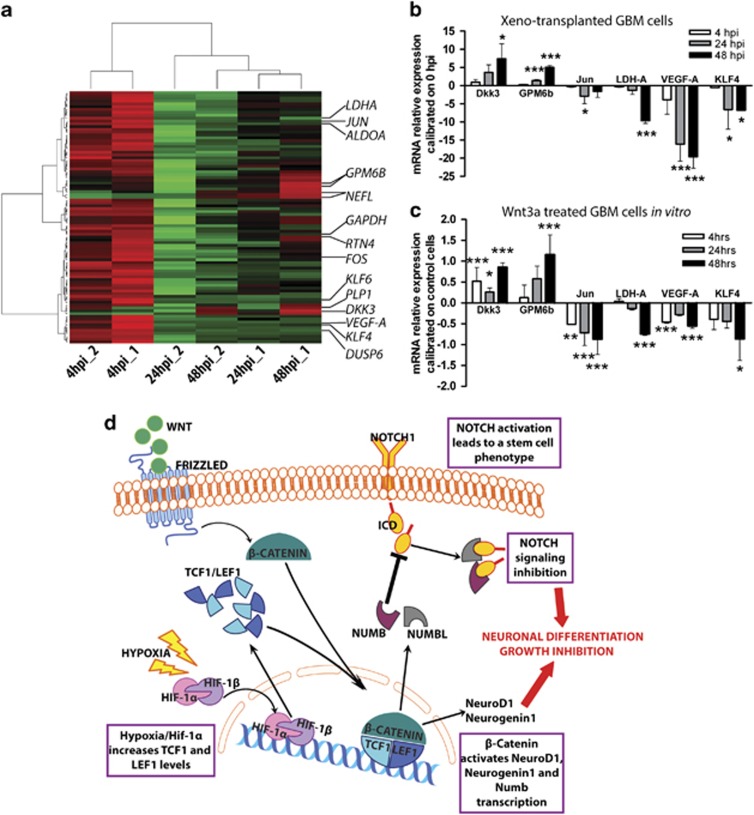
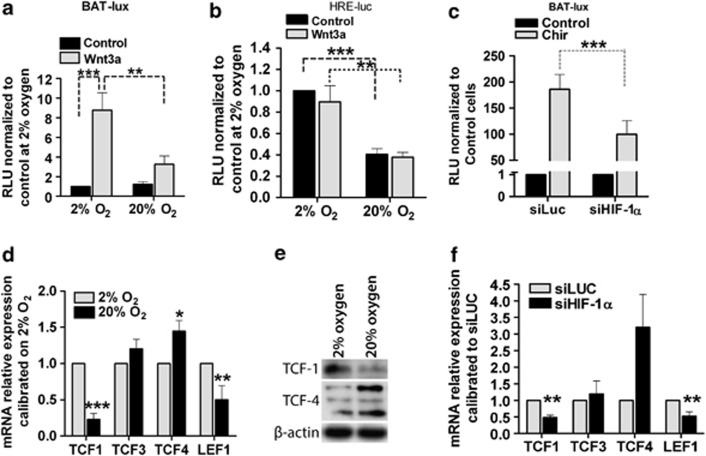
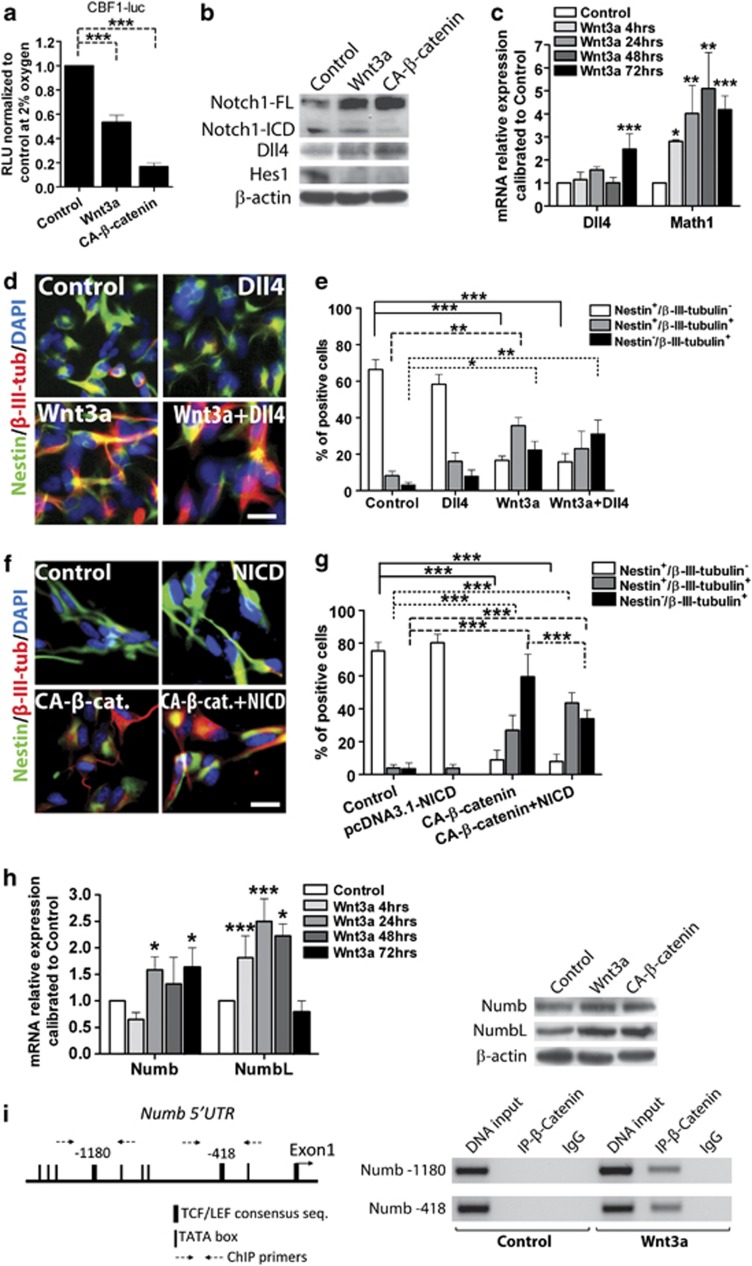
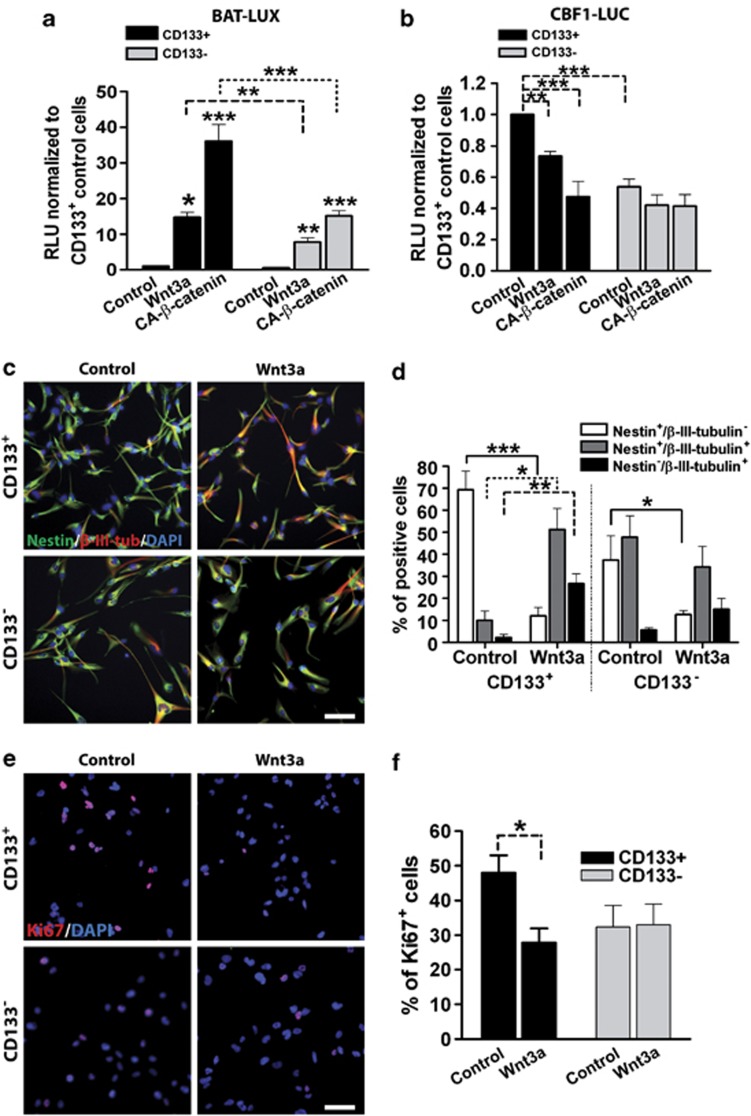
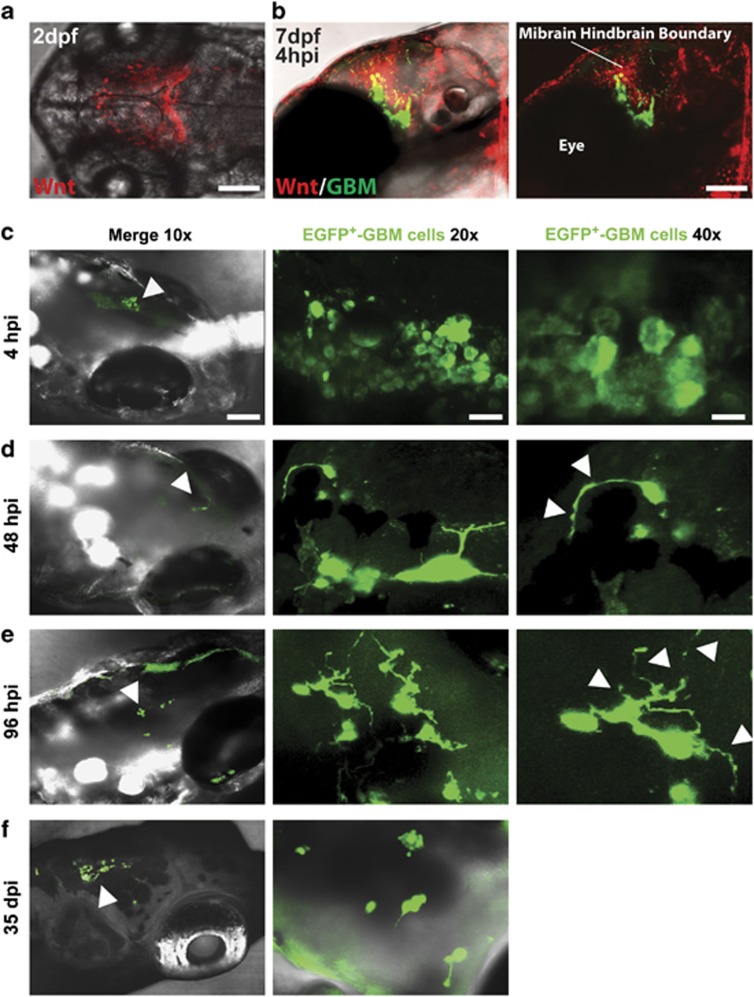
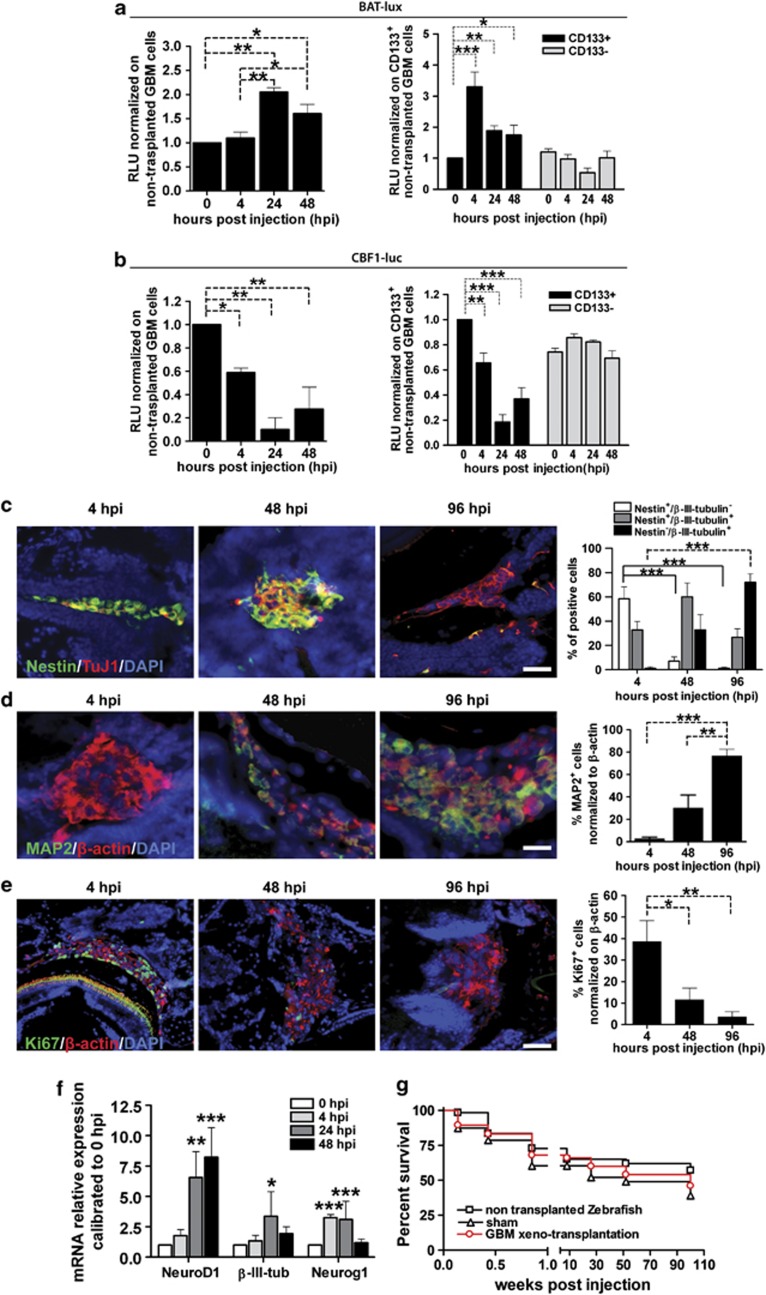
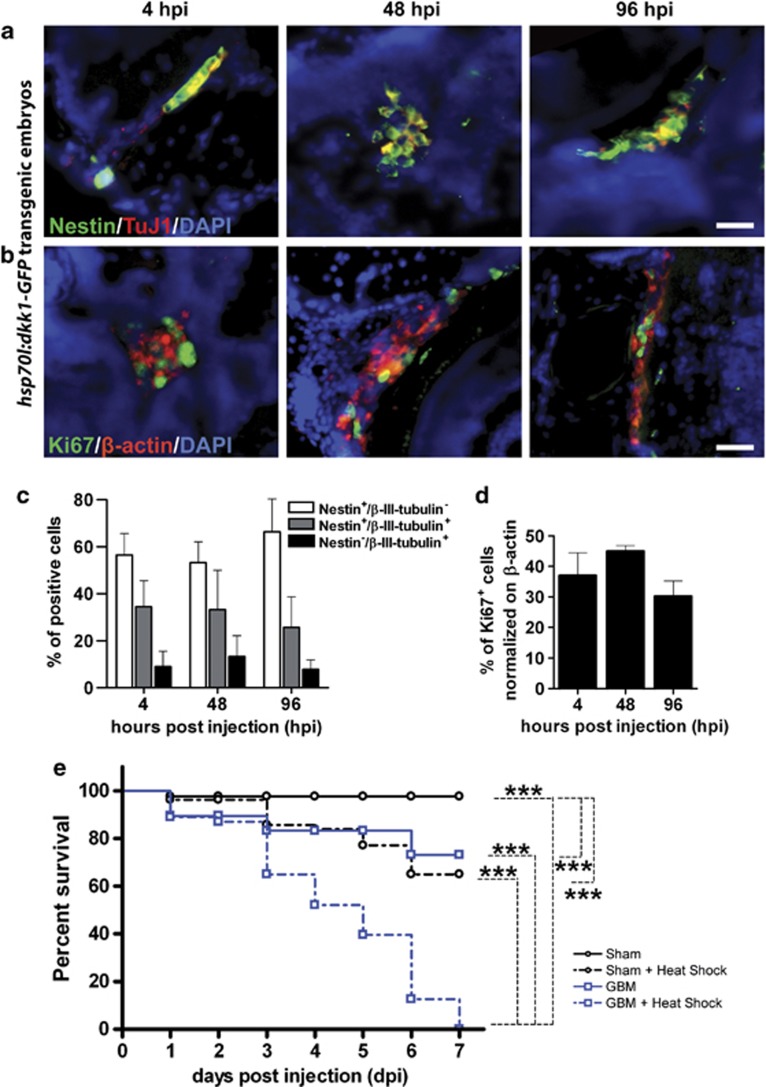
One of the biggest challenges in tumour research is the possibility to reprogram cancer cells towards less aggressive phenotypes. In this study, we reprogrammed primary Glioblastoma multiforme (GBM)-derived cells towards a more differentiated and less oncogenic phenotype by activating the Wnt pathway in a hypoxic microenvironment. Hypoxia usually correlates with malignant behaviours in cancer cells, but it has been recently involved, together with Wnt signalling, in the differentiation of embryonic and neural stem cells. Here, we demonstrate that treatment with Wnt ligands, or overexpression of β-catenin, mediate neuronal differentiation and halt proliferation in primary GBM cells. An hypoxic environment cooperates with Wnt-induced differentiation, in line with our finding that hypoxia inducible factor-1α (HIF-1α) is instrumental and required to sustain the expression of β-catenin transcriptional partners TCF-1 and LEF-1. In addition, we also found that Wnt-induced GBM cell differentiation inhibits Notch signalling, and thus gain of Wnt and loss of Notch cooperate in the activation of a pro-neuronal differentiation program. Intriguingly, the GBM sub-population enriched of cancer stem cells (CD133(+) fraction) is the primary target of the pro-differentiating effects mediated by the crosstalk between HIF-1α, Wnt, and Notch signalling. By using zebrafish transgenics and mutants as model systems to visualize and manipulate in vivo the Wnt pathway, we confirm that Wnt pathway activation is able to promote neuronal differentiation and inhibit Notch signalling of primary human GBM cells also in this in vivo set-up. In conclusion, these findings shed light on an unsuspected crosstalk between hypoxia, Wnt and Notch signalling in GBM, and suggest the potential to manipulate these microenvironmental signals to blunt GBM malignancy.
肿瘤研究的最大挑战之一是使癌细胞向侵袭性较弱的表型重编程的可能性。在这项研究中,我们通过在缺氧微环境中激活 Wnt 途径,将源自原发性多形性胶质母细胞瘤(GBM)的细胞重编程为更分化和更少致癌的表型。缺氧通常与癌细胞的恶性行为相关,但最近它与 Wnt 信号一起参与了胚胎和神经干细胞的分化。在这里,我们证明 Wnt 配体的处理或β-catenin 的过表达介导了原代 GBM 细胞的神经元分化并阻止了增殖。缺氧环境与 Wnt 诱导的分化合作,符合我们的发现,即缺氧诱导因子-1α(HIF-1α)是维持β-catenin 转录因子 TCF-1 和 LEF-1 表达所必需的。此外,我们还发现 Wnt 诱导的 GBM 细胞分化抑制 Notch 信号,因此 Wnt 的获得和 Notch 的丧失在激活促神经元分化程序中协同作用。有趣的是,富含癌症干细胞的 GBM 亚群(CD133(+) 分数)是由 HIF-1α、Wnt 和 Notch 信号之间的串扰介导的促分化作用的主要靶标。通过使用斑马鱼转基因和突变体作为模型系统来可视化和体内操纵 Wnt 途径,我们证实 Wnt 途径的激活能够促进神经元分化并抑制原代人 GBM 细胞中的 Notch 信号,即使在这种体内设置中也是如此。总之,这些发现揭示了 GBM 中缺氧、Wnt 和 Notch 信号之间意想不到的串扰,并提示有可能操纵这些微环境信号来削弱 GBM 的恶性程度。