Escola Nacional de Saúde Pública, Fiocruz, Rio de Janeiro, RJ, Brasil.
Mem Inst Oswaldo Cruz. 2013 Feb;108(1):1-12. doi: 10.1590/s0074-02762013000100001.
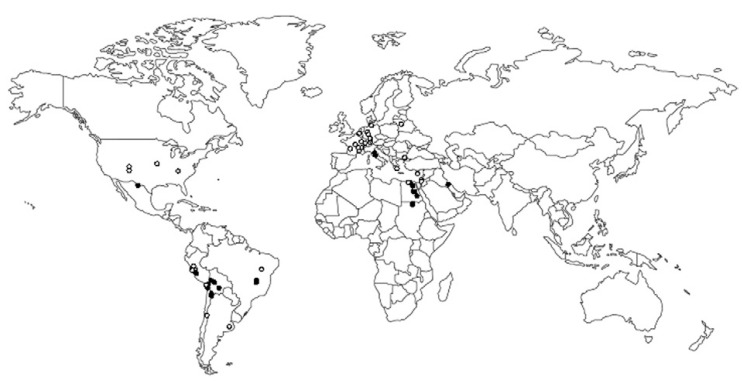
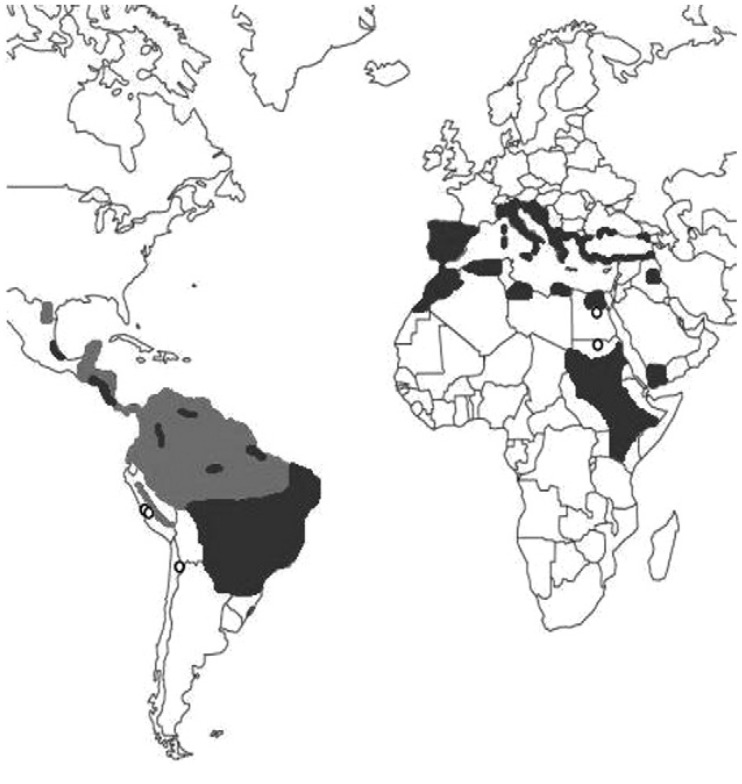
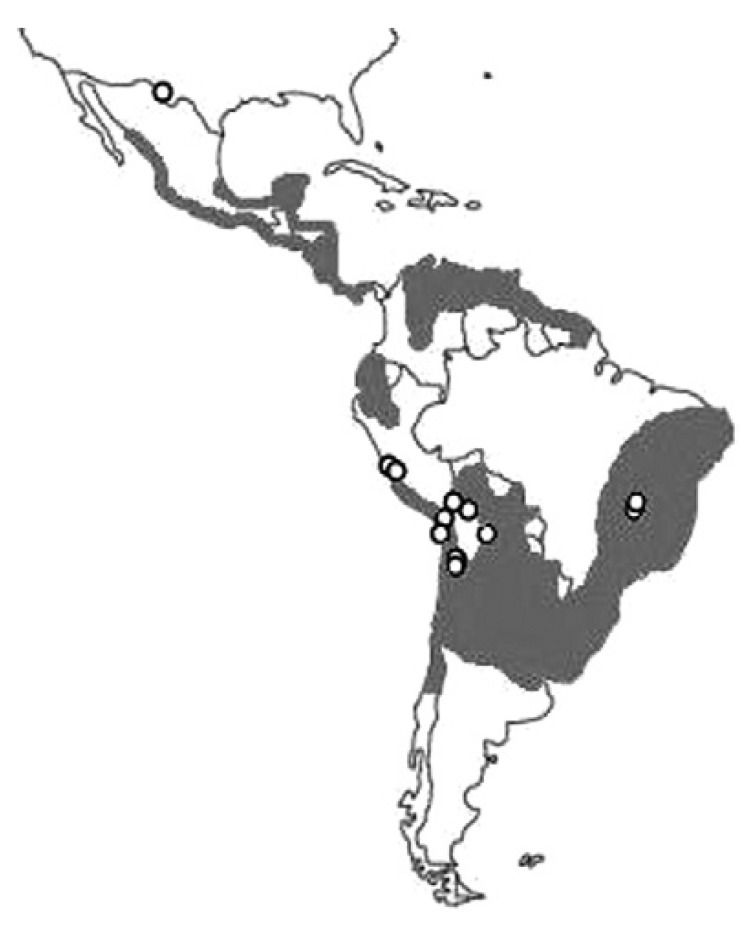
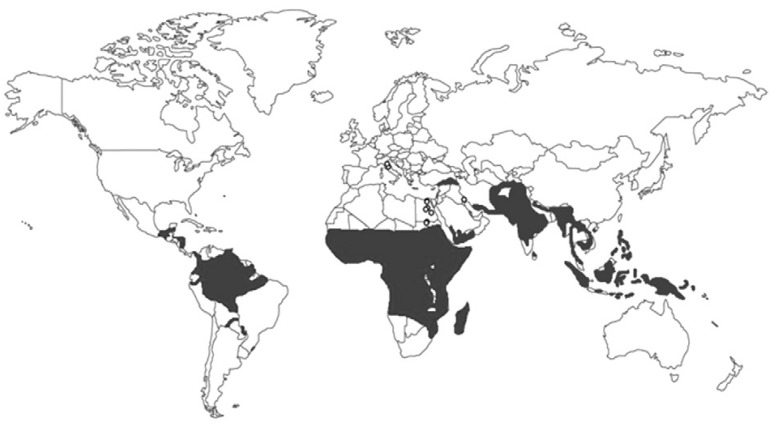
Paleoparasitological research has made important contributions to the understanding of parasite evolution and ecology. Although parasitic protozoa exhibit a worldwide distribution, recovering these organisms from an archaeological context is still exceptional and relies on the availability and distribution of evidence, the ecology of infectious diseases and adequate detection techniques. Here, we present a review of the findings related to protozoa in ancient remains, with an emphasis on their geographical distribution in the past and the methodologies used for their retrieval. The development of more sensitive detection methods has increased the number of identified parasitic species, promising interesting insights from research in the future.
古寄生虫学研究为理解寄生虫的进化和生态学做出了重要贡献。尽管寄生原生动物分布广泛,但从考古背景中恢复这些生物体仍然很罕见,这取决于证据的可用性和分布、传染病的生态学以及足够的检测技术。在这里,我们对古代遗骸中发现的原生动物进行了综述,重点介绍了它们在过去的地理分布以及用于检索它们的方法。更敏感的检测方法的发展增加了已鉴定的寄生虫种类的数量,有望为未来的研究提供有趣的见解。