Biocomplexity Institute and Department of Physics, Indiana University, Bloomington, IN 47405, USA.
Sensors (Basel). 2012 Dec 13;12(12):17262-94. doi: 10.3390/s121217262.
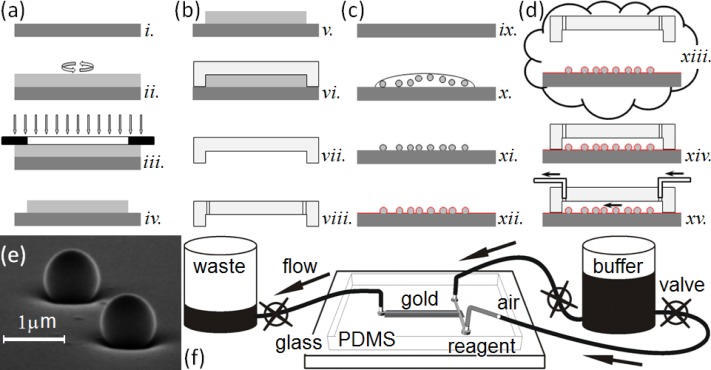
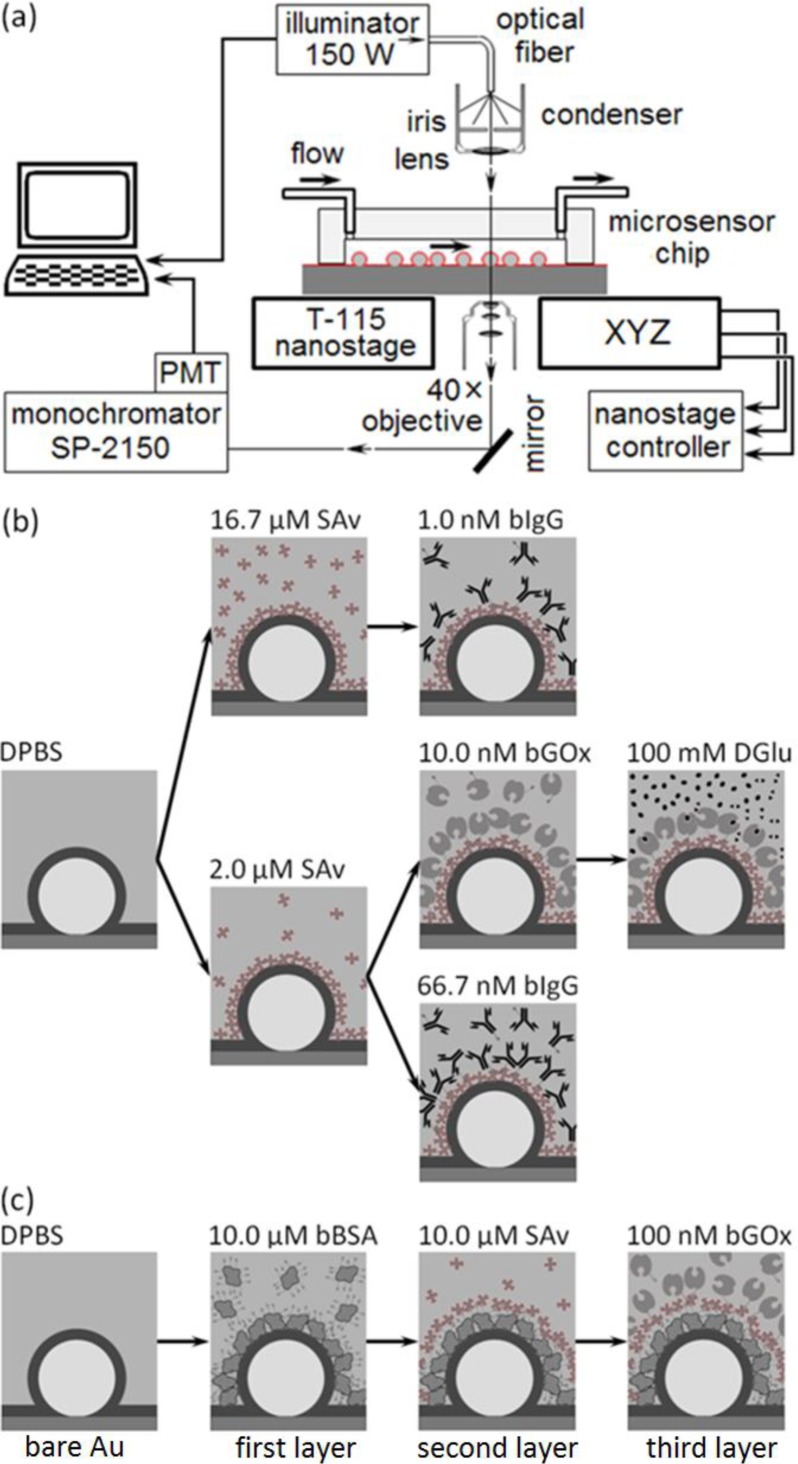
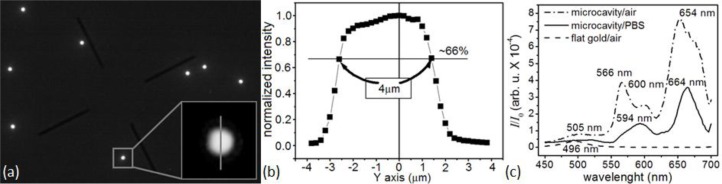
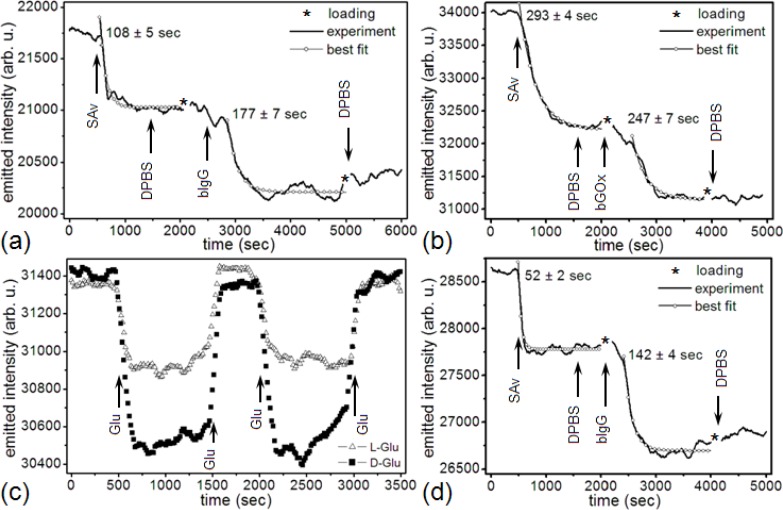
Personalized medicine has the potential to improve our ability to maintain health and treat disease, while ameliorating continuously rising healthcare costs. Translation of basic research findings to clinical applications within regulatory compliance is required for personalized medicine to become the new foundation for practice of medicine. Deploying even a few of the thousands of potential diagnostic biomarkers identified each year as part of personalized treatment workflows requires clinically efficient biosensor technologies to monitor multiple biomarkers in patients in real time. This paper discusses a critical component of a regulatory system, a microcavity optical biosensor for label-free monitoring of biomolecular interactions at physiologically-relevant concentrations. While most current biosensor research focuses on improving sensitivity, this paper emphasizes other characteristics a biosensor technology requires to be practical in a clinical setting, presenting robust microcavity biosensors which are easy to manufacture and integrate with microfluidics into flexible and redesignable platforms making the microcavity biosensors deployable for continuous monitoring of biomarkers in body fluids in the clinic, in dense 2D random arrays for high-throughput applications like drug-library screening in interactomics, and of the secretory behavior of single cells in the laboratory.
个性化医疗有可能提高我们保持健康和治疗疾病的能力,同时降低不断上升的医疗成本。为了使个性化医疗成为医学实践的新基础,需要将基础研究成果转化为符合监管要求的临床应用。即使每年在个性化治疗工作流程中识别出数千种潜在诊断生物标志物中的一小部分,也需要临床有效的生物传感器技术来实时监测患者的多个生物标志物。本文讨论了监管系统的一个关键组成部分,即微腔光学生物传感器,用于在生理相关浓度下无标记监测生物分子相互作用。虽然大多数当前的生物传感器研究都集中在提高灵敏度上,但本文强调了生物传感器技术在临床环境中实用所需的其他特性,提出了易于制造且易于与微流控集成的稳健微腔生物传感器,将微腔生物传感器集成到灵活且可重新设计的平台中,可用于在临床环境中连续监测体液中的生物标志物,可用于药物库筛选等高通量应用的密集 2D 随机阵列,以及用于实验室中单细胞分泌行为的研究。