Department of Dermatology, University of California, San Francisco, California 94143, USA.
J Am Acad Dermatol. 2013 May;68(5):834-53. doi: 10.1016/j.jaad.2012.11.002. Epub 2013 Feb 28.
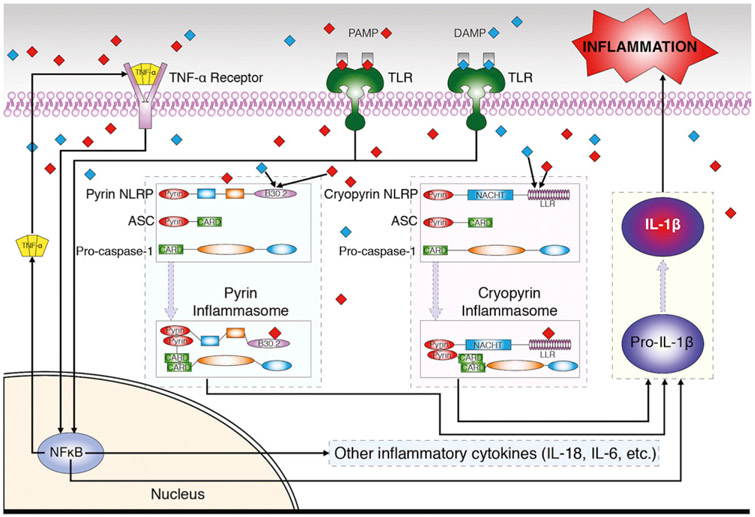
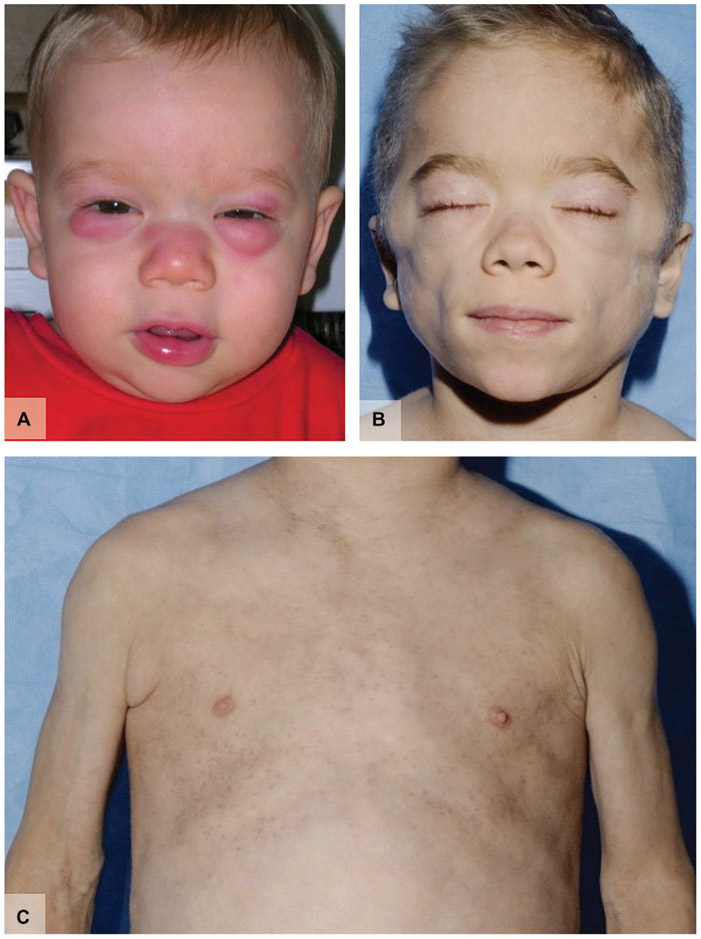
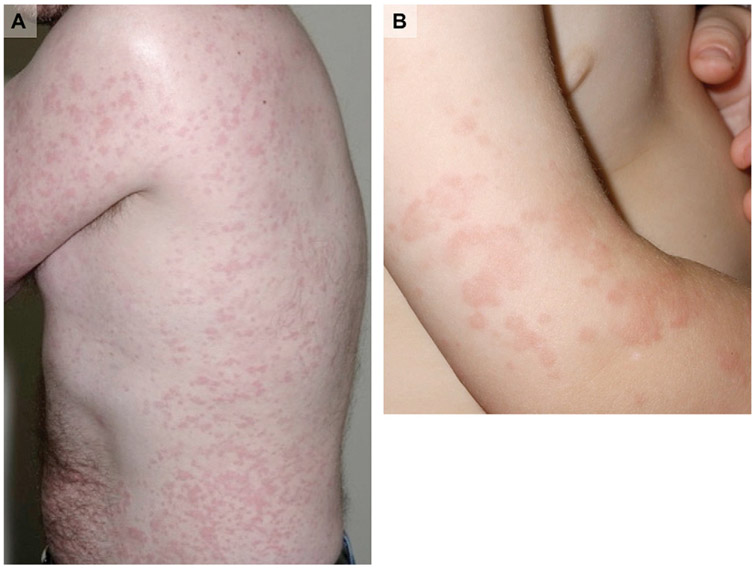
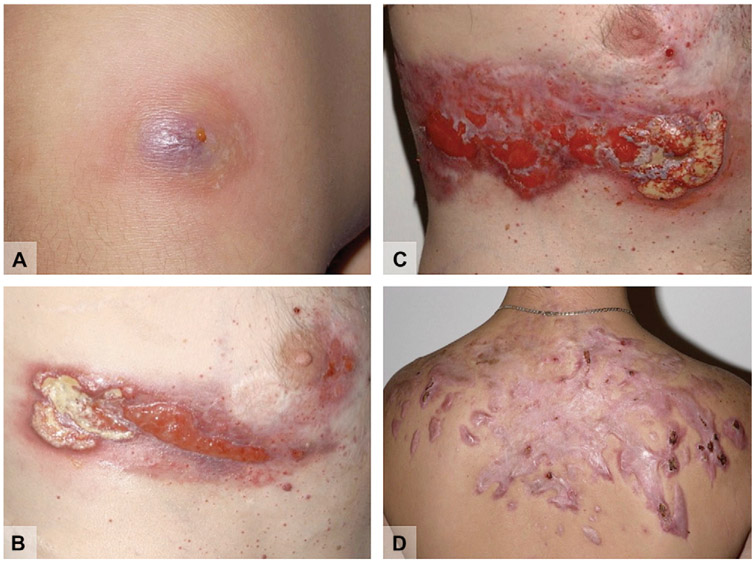
Autoinflammation is characterized by aberrant regulation of the innate immune system and often manifests as periodic fevers and systemic inflammation involving multiple organs, including the skin. Mutations leading to abnormal behavior or activity of the interleukin 1 beta (IL-1ß)-processing inflammasome complex have been found in several rare autoinflammatory syndromes, for which anticytokine therapy such as IL-1 or tumor necrosis factor-alfa inhibition may be effective. It is becoming clear that features of autoinflammation also affect common dermatoses, some of which were previously thought to be solely autoimmune in origin (eg, vitiligo, systemic lupus erythematosus). Recognizing the pathogenetic role of autoinflammation can open up new avenues for the targeted treatment of complex, inflammatory dermatoses.
自身炎症性疾病的特征为先天免疫系统的异常调节,常表现为周期性发热和涉及多个器官(包括皮肤)的全身炎症。几种罕见的自身炎症性综合征中发现了导致白细胞介素 1β(IL-1β)加工炎性小体复合物异常行为或活性的突变,针对这些疾病的治疗方法可能包括抗细胞因子治疗,如 IL-1 或肿瘤坏死因子-α抑制。越来越清楚的是,自身炎症的特征也会影响常见的皮肤病,其中一些以前被认为仅由自身免疫引起(例如,白癜风、系统性红斑狼疮)。认识到自身炎症的发病机制作用可以为复杂的炎症性皮肤病的靶向治疗开辟新途径。