School of Medical and Molecular Biosciences, University of Technology Sydney, Sydney, New South Wales, Australia.
PLoS One. 2013;8(2):e56948. doi: 10.1371/journal.pone.0056948. Epub 2013 Feb 14.
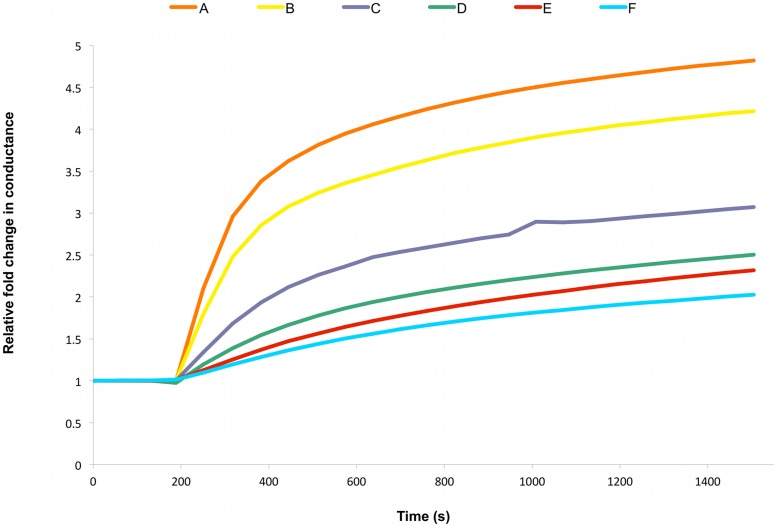
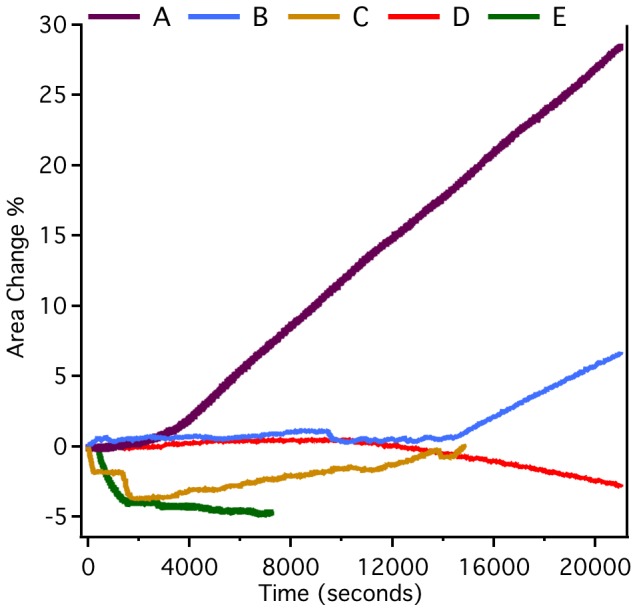
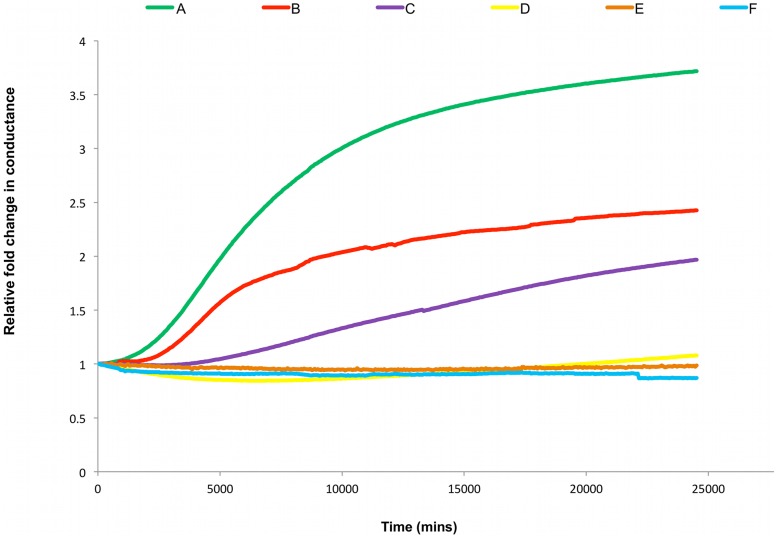
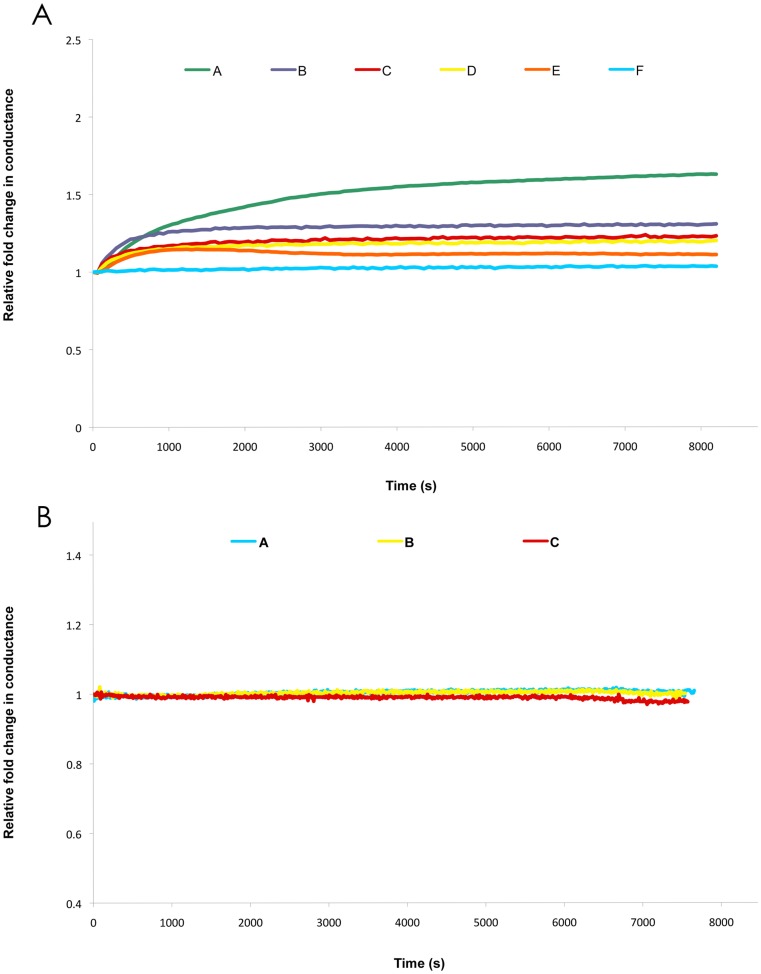
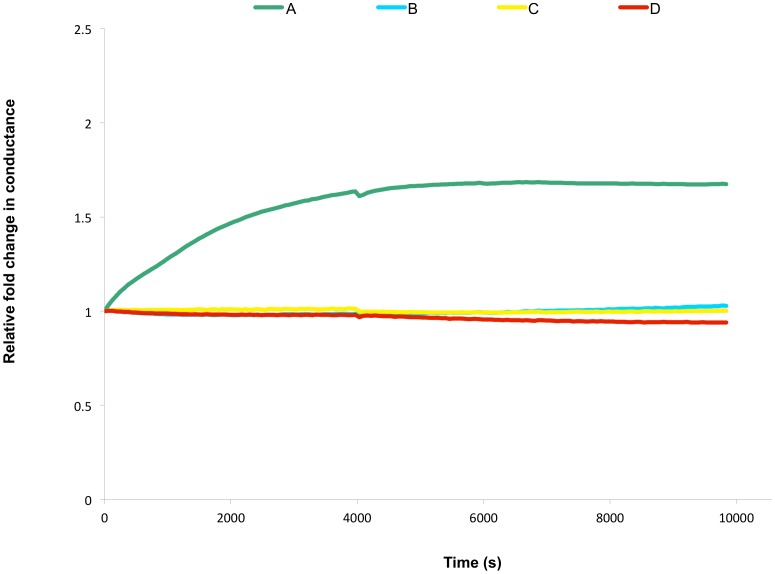
The Chloride Intracellular ion channel protein CLIC1 has the ability to spontaneously insert into lipid membranes from a soluble, globular state. The precise mechanism of how this occurs and what regulates this insertion is still largely unknown, although factors such as pH and redox environment are known contributors. In the current study, we demonstrate that the presence and concentration of cholesterol in the membrane regulates the spontaneous insertion of CLIC1 into the membrane as well as its ion channel activity. The study employed pressure versus area change measurements of Langmuir lipid monolayer films; and impedance spectroscopy measurements using tethered bilayer membranes to monitor membrane conductance during and following the addition of CLIC1 protein. The observed cholesterol dependent behaviour of CLIC1 is highly reminiscent of the cholesterol-dependent-cytolysin family of bacterial pore-forming proteins, suggesting common regulatory mechanisms for spontaneous protein insertion into the membrane bilayer.
氯离子细胞内离子通道蛋白 CLIC1 具有从可溶性球状状态自发插入脂质膜的能力。尽管已知 pH 值和氧化还原环境等因素是促成因素,但这种情况发生的精确机制以及调节这种插入的因素在很大程度上仍不清楚。在本研究中,我们证明了膜中胆固醇的存在和浓度调节 CLIC1 自发插入膜以及其离子通道活性。该研究采用 Langmuir 单层膜的压力与面积变化测量;以及使用连接双层膜的阻抗谱测量来监测加入 CLIC1 蛋白前后的膜电导率。观察到的 CLIC1 的胆固醇依赖性行为与细菌孔形成蛋白的胆固醇依赖性细胞溶素家族非常相似,这表明自发蛋白质插入膜双层的共同调节机制。