Department of Ophthalmology, Cole Eye Institute, Cleveland Clinic Lerner College of Medicine at Case Western Reserve University, Cleveland, Ohio, United States of America.
PLoS One. 2013;8(3):e55667. doi: 10.1371/journal.pone.0055667. Epub 2013 Mar 1.
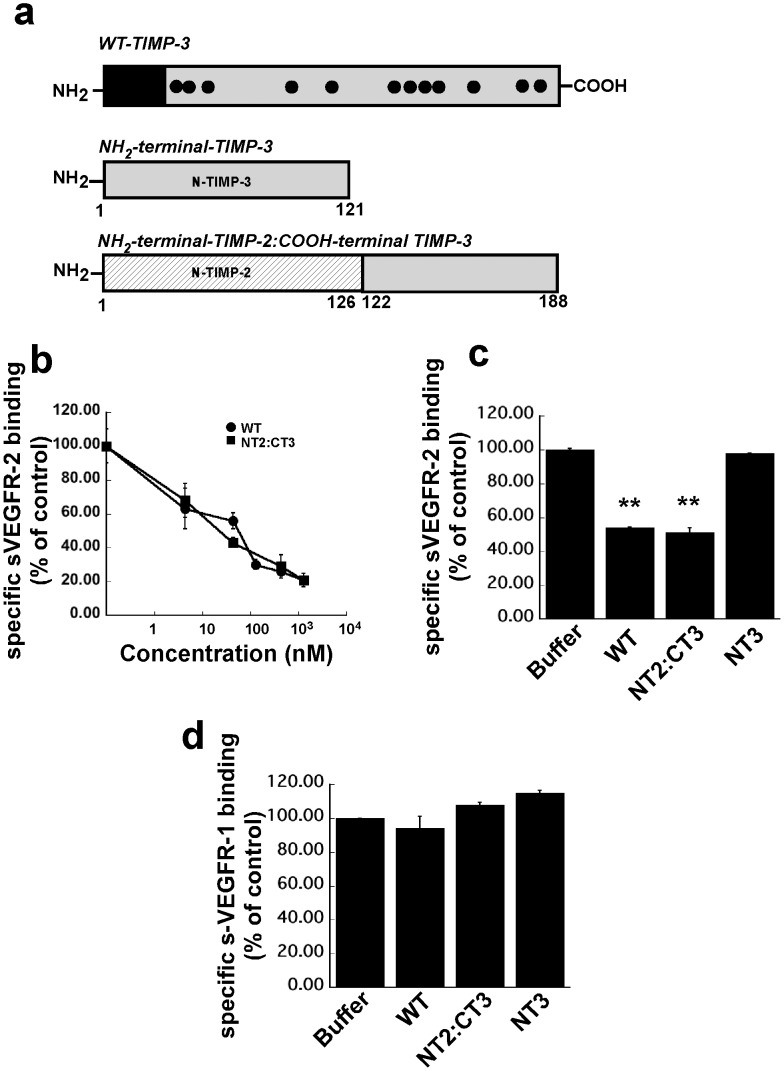
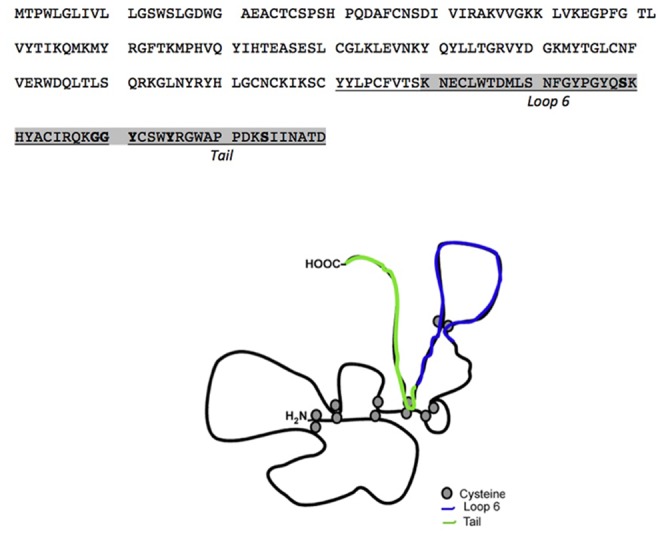
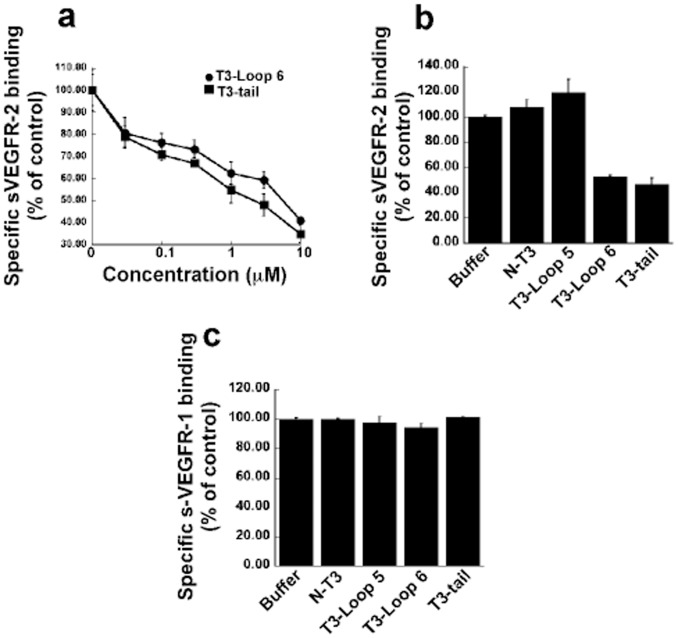
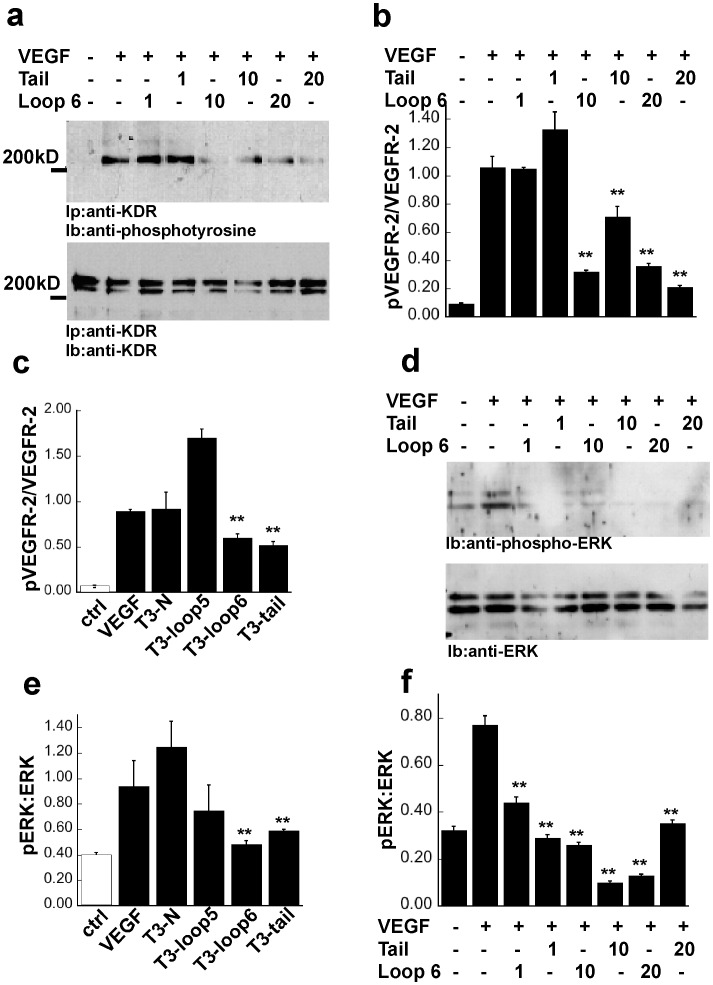
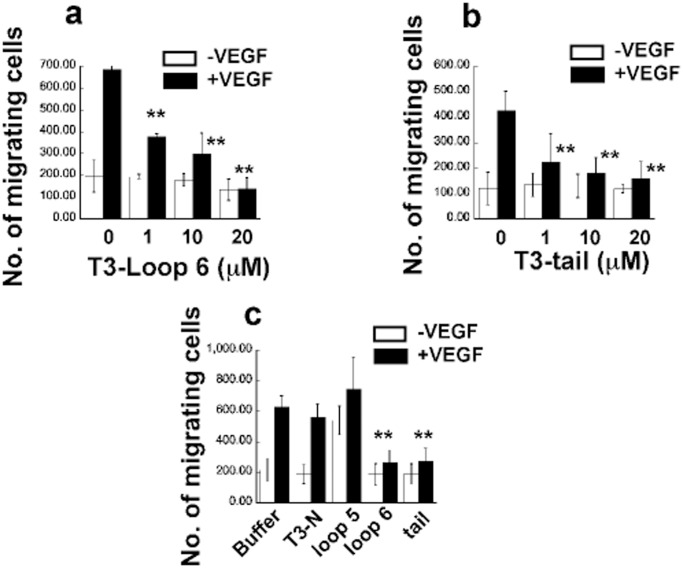
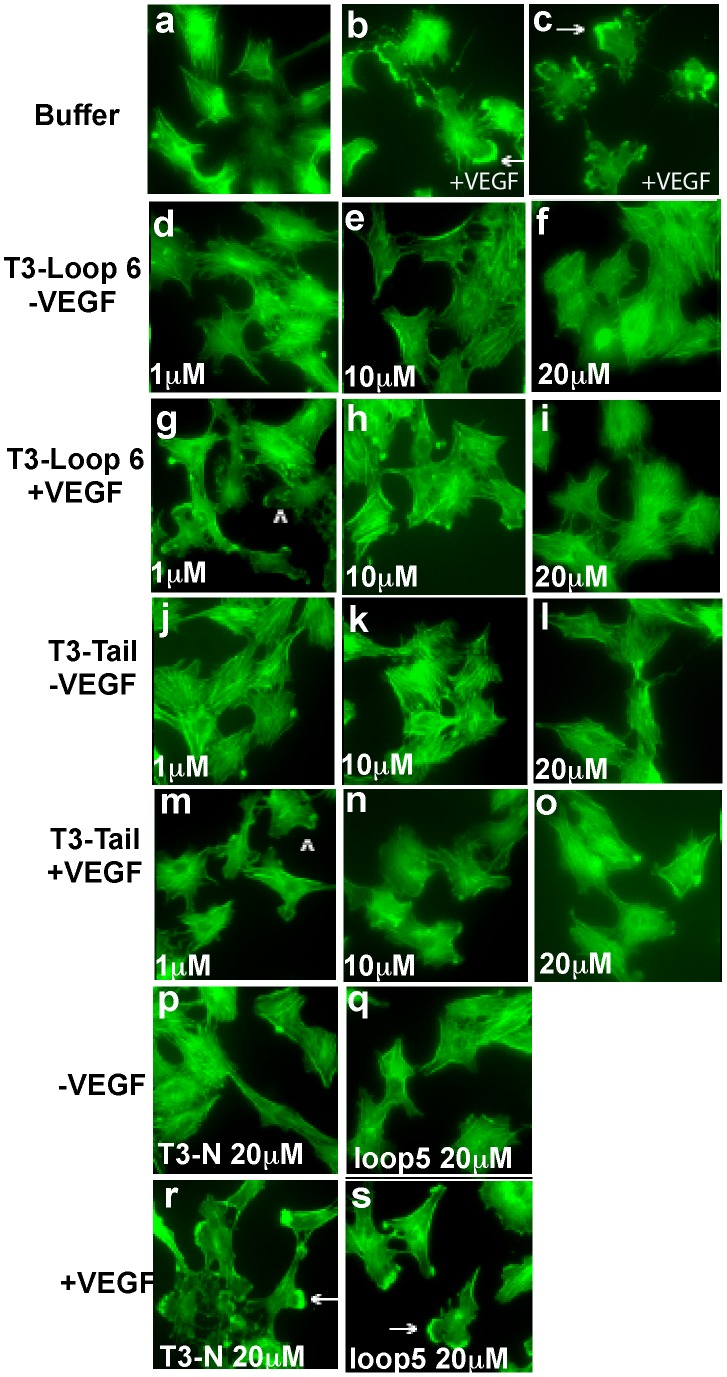
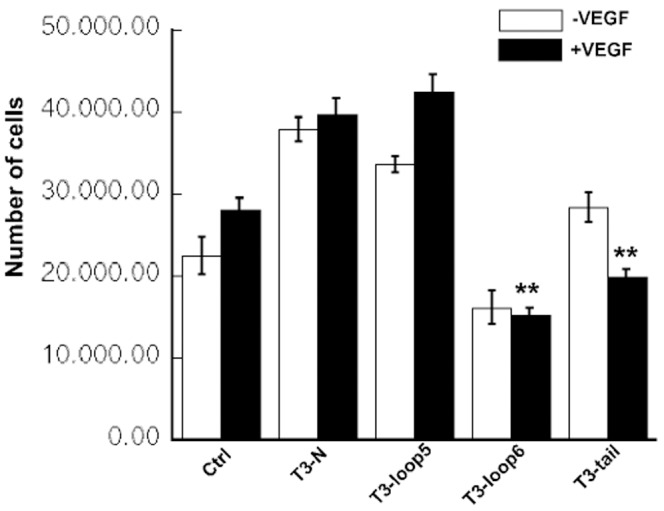
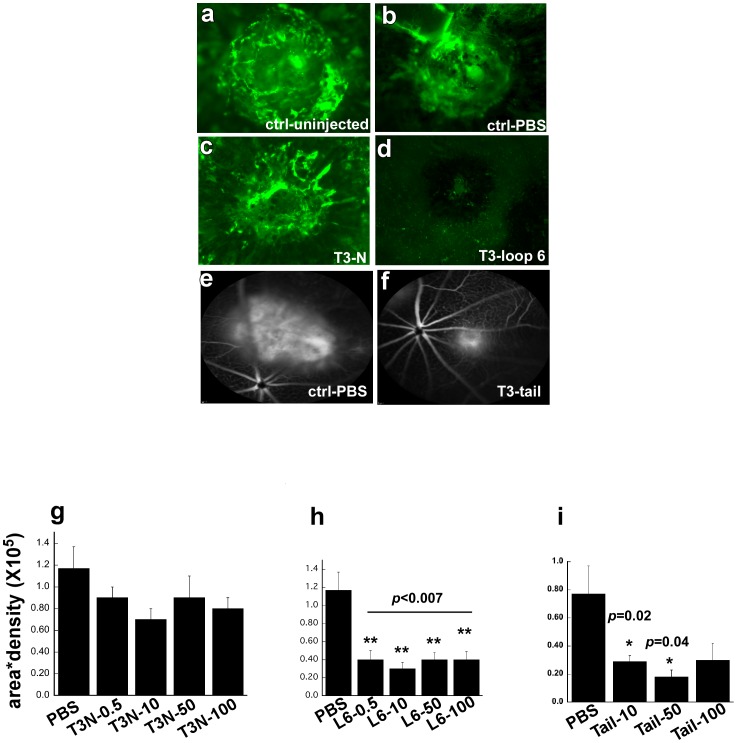
Tissue inhibitors of metalloproteinases (TIMPs) while originally characterized as inhibitors of matrix metalloproteinases (MMPs) have recently been shown to have a wide range of functions that are independent of their MMP inhibitory properties. Tissue inhibitor of metalloproteinases-3 (TIMP-3) is a potent inhibitor of VEGF-mediated angiogenesis and neovascularization through its ability to block the binding of VEGF to its receptor VEGFR-2. To identify and characterize the anti-angiogenic domain of TIMP-3, structure function analyses and synthetic peptide studies were performed using VEGF-mediated receptor binding, signaling, migration and proliferation. In addition, the ability of TIMP-3 peptides to inhibit CNV in a mouse model was evaluated. We demonstrate that the anti-angiogenic property resides in the COOH-terminal domain of TIMP-3 protein which can block the binding of VEGF specifically to its receptor VEGFR-2, but not to VEGFR-1 similar to the full-length wild-type protein. Synthetic peptides corresponding to putative loop 6 and tail region of TIMP-3 have anti-angiogenic properties as determined by inhibition of VEGF binding to VEGFR-2, VEGF-induced phosphorylation of VEGFR-2 and downstream signaling pathways as well as endothelial cell proliferation and migration in response to VEGF. In addition, we show that intravitreal administration of TIMP-3 peptide could inhibit the size of laser-induced choroidal neovascularization lesions in mice. Thus, we have identified TIMP-3 peptides to be efficient inhibitors of angiogenesis and have a potential to be used therapeutically in diseases with increased neovascularization.
组织金属蛋白酶抑制剂(TIMPs)最初被认为是基质金属蛋白酶(MMPs)的抑制剂,最近已被证明具有广泛的独立于 MMP 抑制特性的功能。组织金属蛋白酶抑制剂-3(TIMP-3)通过阻断 VEGF 与其受体 VEGFR-2 的结合,是一种有效的 VEGF 介导的血管生成和新生血管形成抑制剂。为了鉴定和表征 TIMP-3 的抗血管生成结构域,使用 VEGF 介导的受体结合、信号转导、迁移和增殖进行了结构功能分析和合成肽研究。此外,还评估了 TIMP-3 肽在小鼠模型中抑制脉络膜新生血管(CNV)的能力。我们证明,抗血管生成特性位于 TIMP-3 蛋白的羧基末端结构域,该结构域可以特异性阻断 VEGF 与其受体 VEGFR-2 的结合,但不能与 VEGFR-1 结合,类似于全长野生型蛋白。与 TIMP-3 的假定环 6 和尾部区域相对应的合成肽具有抗血管生成特性,如通过抑制 VEGF 与 VEGFR-2 的结合、VEGF 诱导的 VEGFR-2 磷酸化和下游信号通路以及内皮细胞增殖和迁移来确定对 VEGF 的反应。此外,我们还表明,玻璃体内给予 TIMP-3 肽可抑制激光诱导的脉络膜新生血管病变在小鼠中的大小。因此,我们已经确定 TIMP-3 肽是有效的血管生成抑制剂,并且有可能在新生血管形成增加的疾病中用于治疗。