Centro Andaluz de Biología del Desarrollo (CABD-CSIC-Universidad Pablo de Olavide), Instituto de Salud Carlos III, Sevilla, Spain.
Cell Death Dis. 2013 Mar 7;4(3):e527. doi: 10.1038/cddis.2013.58.
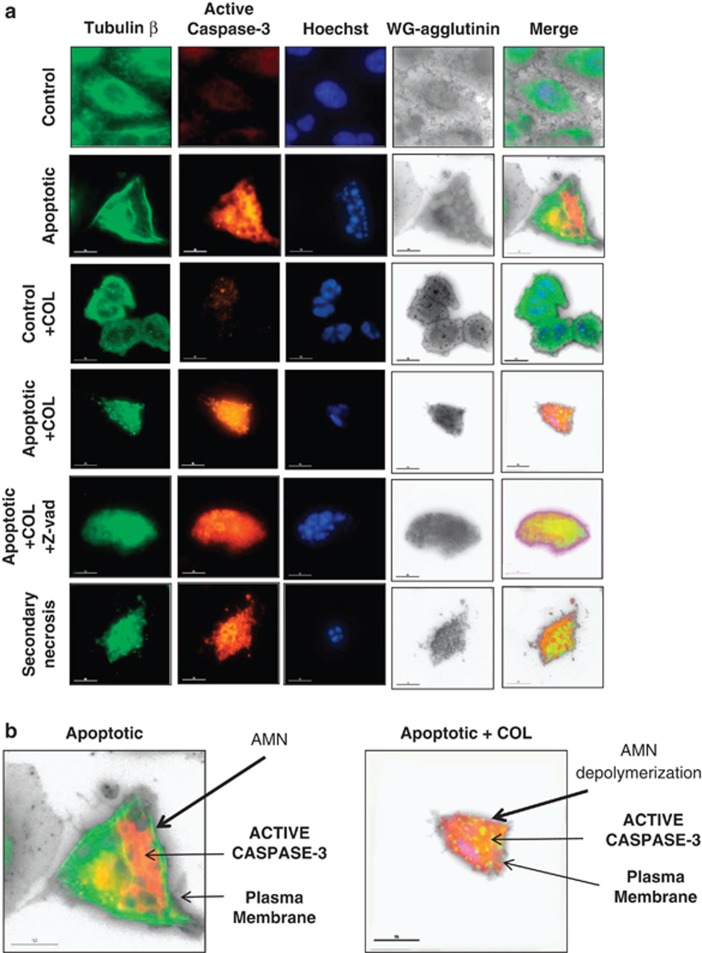
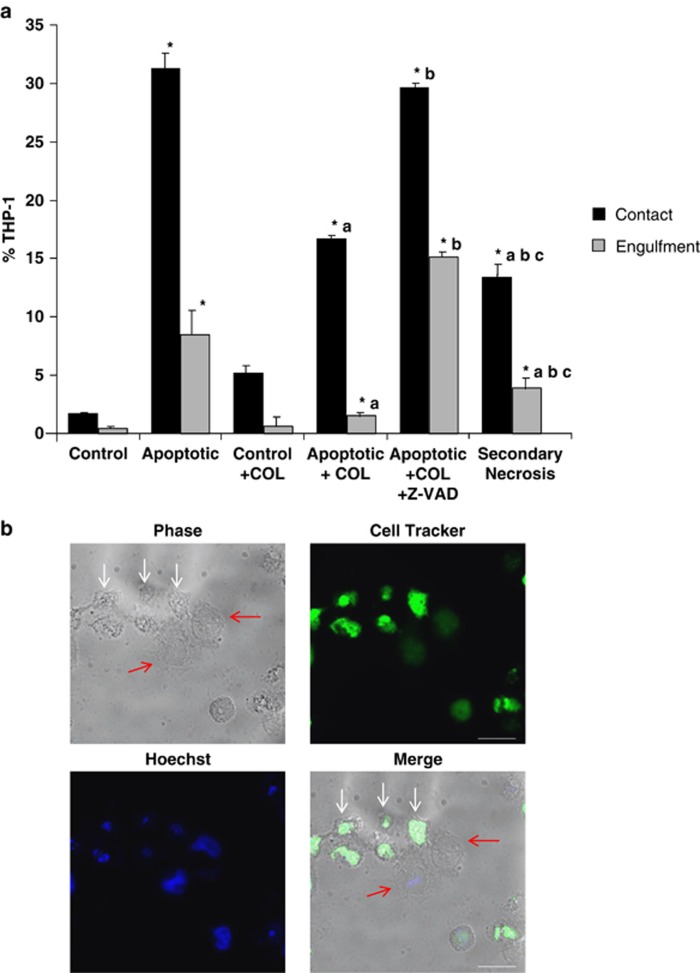
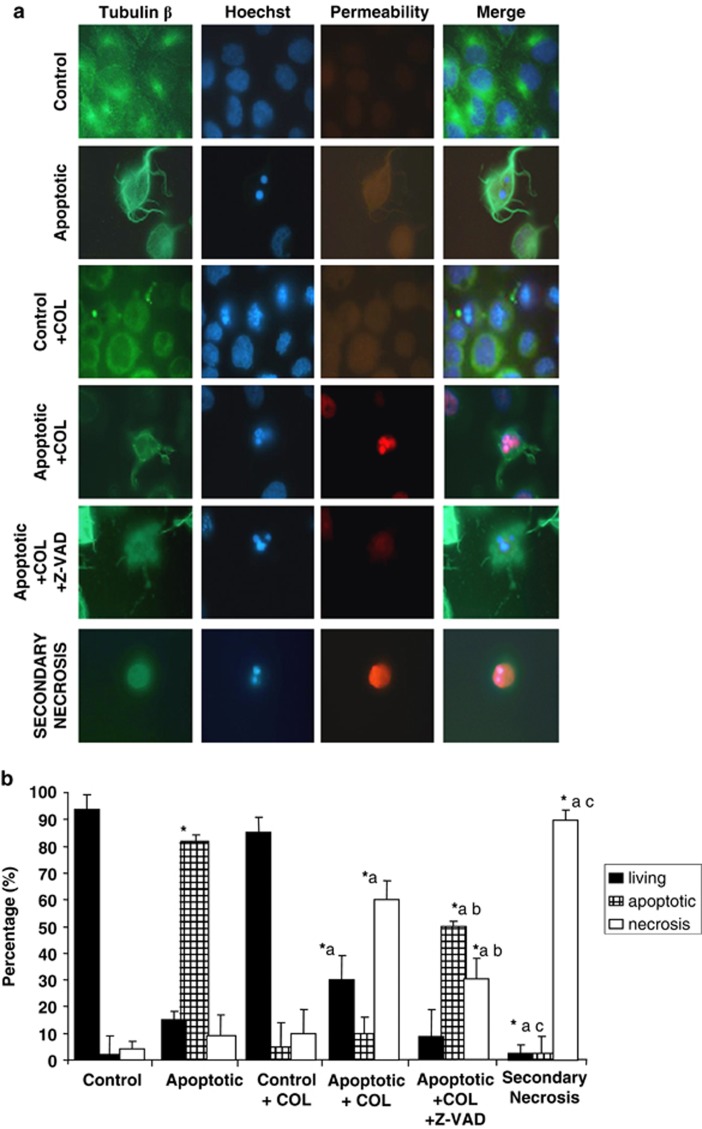
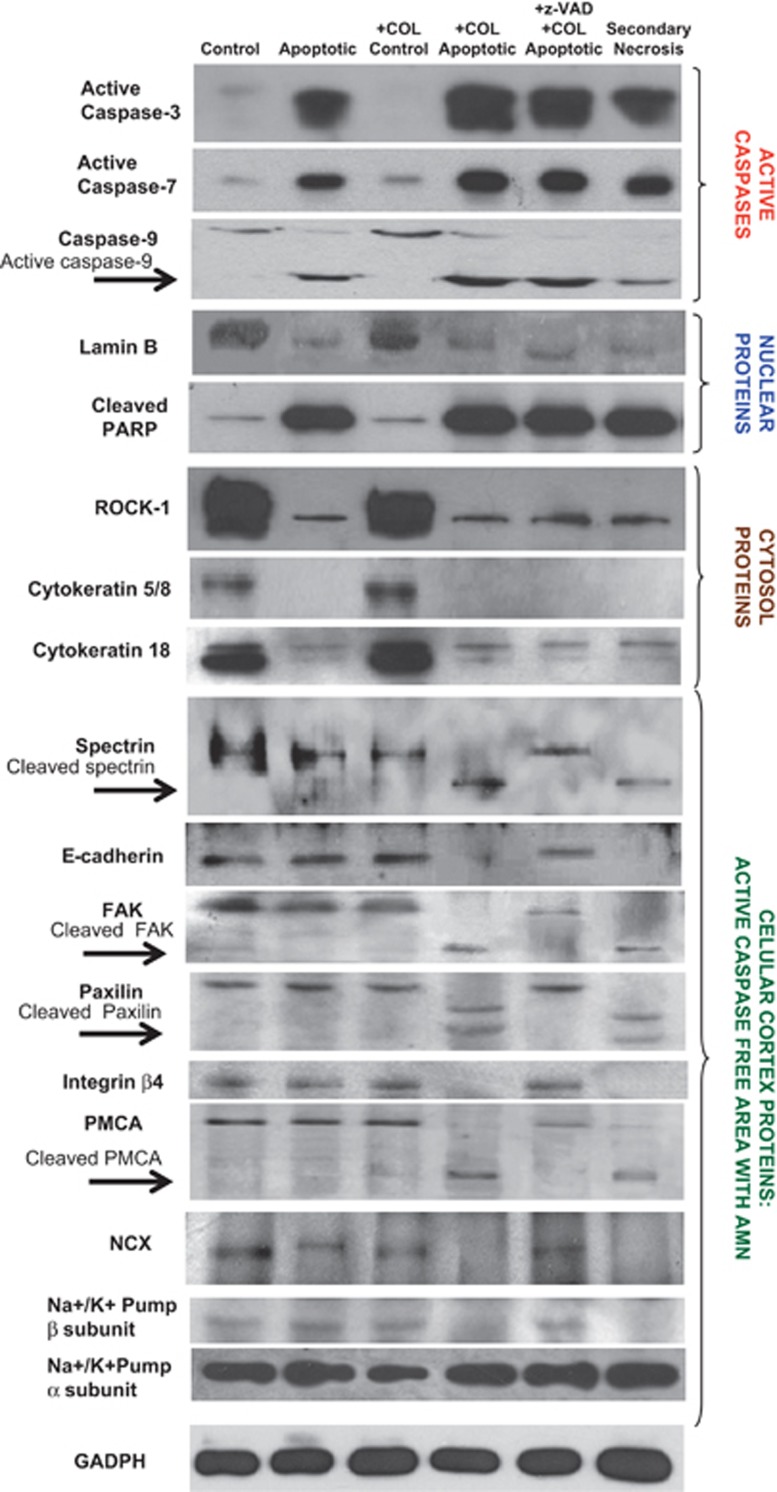
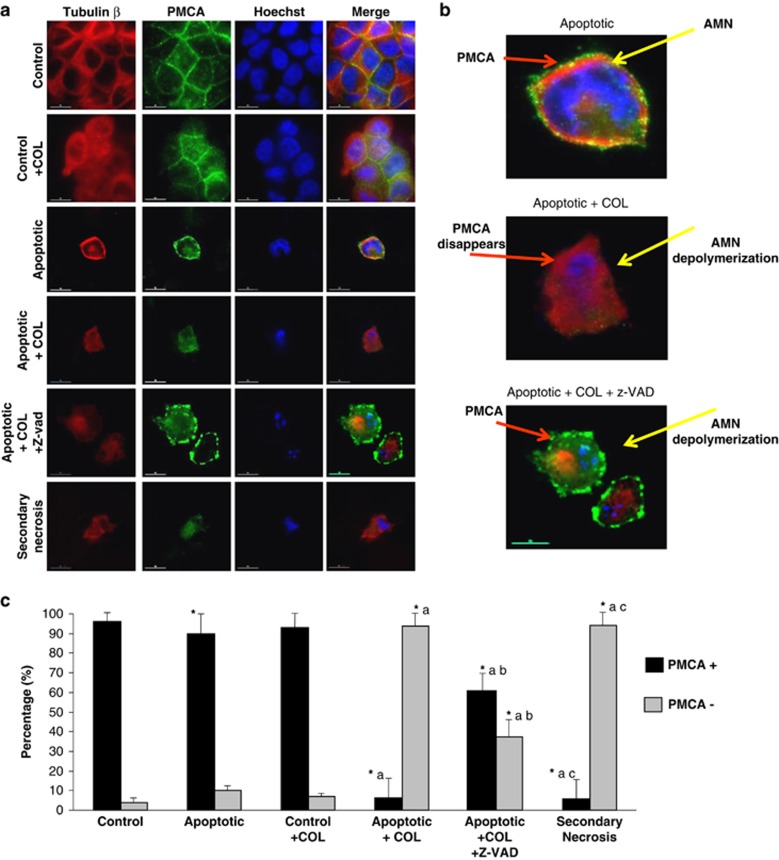
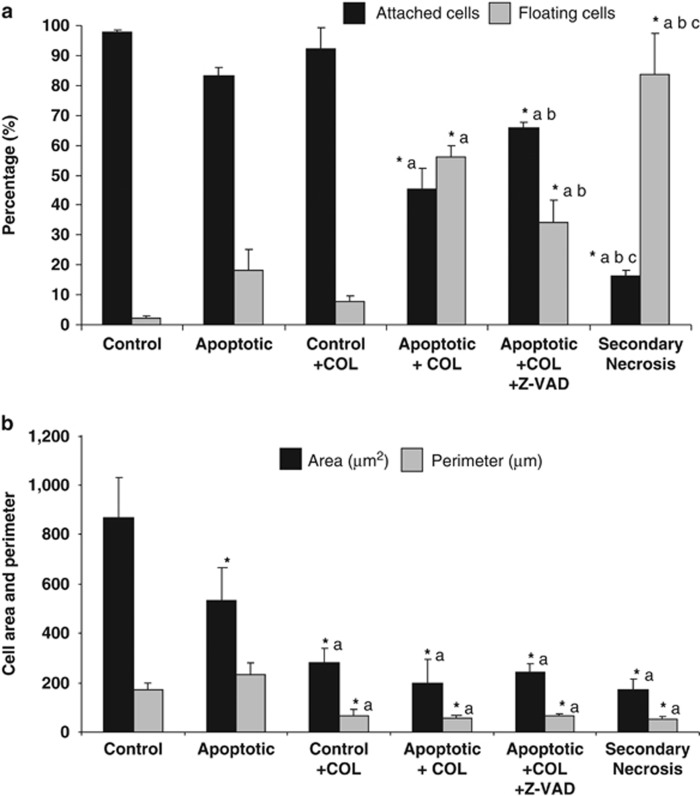
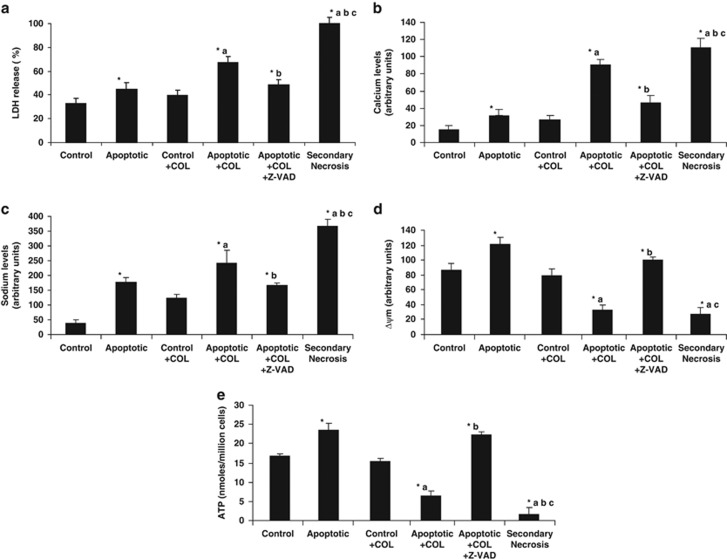
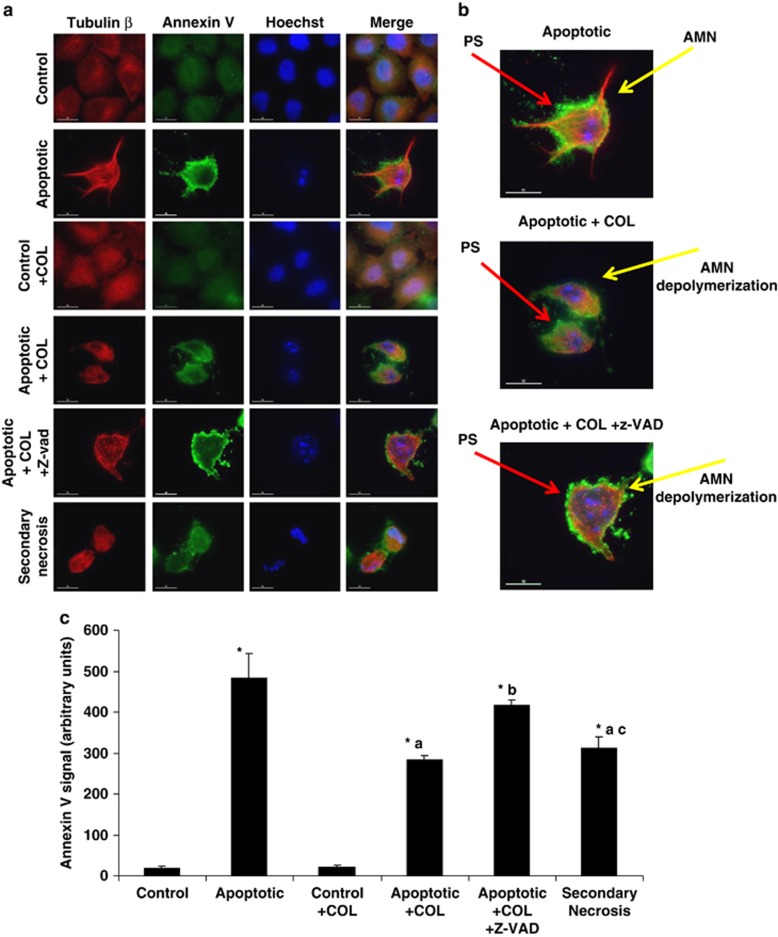
Apoptotic microtubule network (AMN) is organized during apoptosis, forming a cortical structure beneath plasma membrane, which has an important role in preserving cell morphology and plasma membrane permeability. The aim of this study was to examine the role of AMN in maintaining plasma membrane integrity during the execution phase of apoptosis. We demonstrated in camptothecin-induced apoptosis in H460 cells that AMN delimits an active caspase free area beneath plasma membrane that permits the preservation of cellular cortex and transmembrane proteins. AMN depolymerization in apoptotic cells by a short exposure to colchicine allowed active caspases to reach the cellular cortex and cleave many key proteins involved in plasma membrane structural support, cell adhesion and ionic homeostasis. Cleavage of cellular cortex and plasma membrane proteins, such as α-spectrin, paxilin, focal adhesion kinase (FAK), E-cadherin and integrin subunit β4 was associated with cell collapse and cell detachment. Otherwise, cleavage-mediated inactivation of calcium ATPase pump (PMCA-4) and Na(+)/Ca(2+) exchanger (NCX) involved in cell calcium extrusion resulted in calcium overload. Furthermore, cleavage of Na(+)/K(+) pump subunit β was associated with altered sodium homeostasis. Cleavage of cell cortex and plasma membrane proteins in apoptotic cells after AMN depolymerization increased plasma permeability, ionic imbalance and bioenergetic collapse, leading apoptotic cells to secondary necrosis. The essential role of caspase-mediated cleavage in this process was demonstrated because the concomitant addition of colchicine that induces AMN depolymerization and the pan-caspase inhibitor z-VAD avoided the cleavage of cortical and plasma membrane proteins and prevented apoptotic cells to undergo secondary necrosis. Furthermore, the presence of AMN was also critical for proper phosphatidylserine externalization and apoptotic cell clearance by macrophages. These results indicate that AMN is essential to preserve an active caspase free area in the cellular cortex of apoptotic cells that allows plasma membrane integrity during the execution phase of apoptosis.
细胞凋亡过程中会形成凋亡微管网络(AMN),在质膜下形成皮质结构,对于维持细胞形态和质膜通透性具有重要作用。本研究旨在探讨 AMN 在细胞凋亡执行阶段维持质膜完整性中的作用。我们在 H460 细胞的喜树碱诱导凋亡中发现,AMN 限定了质膜下无活性 caspase 的区域,使细胞皮质和跨膜蛋白得以保留。在凋亡细胞中,用秋水仙碱短时间处理使 AMN 解聚,允许活性 caspase 到达细胞皮质并切割许多参与质膜结构支撑、细胞黏附和离子动态平衡的关键蛋白。细胞皮质和质膜蛋白如α- spectrin、paxillin、粘着斑激酶(FAK)、E-钙黏蛋白和整合素亚基β4 的切割与细胞崩解和细胞脱落有关。否则,涉及细胞钙外排的钙 ATP 酶泵(PMCA-4)和 Na+/Ca2+交换体(NCX)的切割介导失活导致钙超载。此外,与改变钠稳态有关的是钠钾泵亚基β的切割。AMN 解聚后凋亡细胞中细胞皮质和质膜蛋白的切割增加了质膜通透性、离子失衡和生物能崩溃,导致凋亡细胞发生继发性坏死。因为同时添加秋水仙碱诱导 AMN 解聚和泛半胱天冬酶抑制剂 z-VAD 可以避免皮质和质膜蛋白的切割,并防止凋亡细胞发生继发性坏死,所以 caspase 介导的切割在这个过程中起着至关重要的作用。此外,AMN 的存在对于凋亡细胞被巨噬细胞正确地排出磷脂酰丝氨酸和清除也是至关重要的。这些结果表明,AMN 对于在细胞凋亡执行阶段保持凋亡细胞皮质中无活性 caspase 的区域是必需的,这允许质膜的完整性得以维持。