Ito H, Miller S C, Billingham M E, Akimoto H, Torti S V, Wade R, Gahlmann R, Lyons G, Kedes L, Torti F M
Department of Medicine, Stanford University Medical Center, CA 94305.
Proc Natl Acad Sci U S A. 1990 Jun;87(11):4275-9. doi: 10.1073/pnas.87.11.4275.
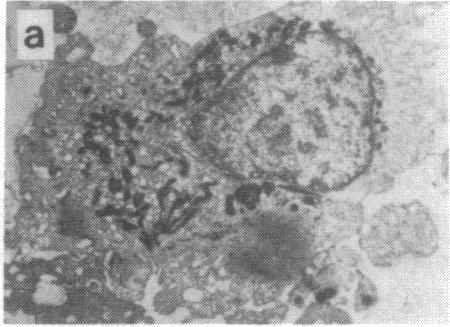
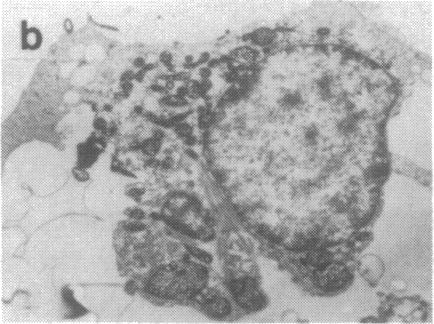
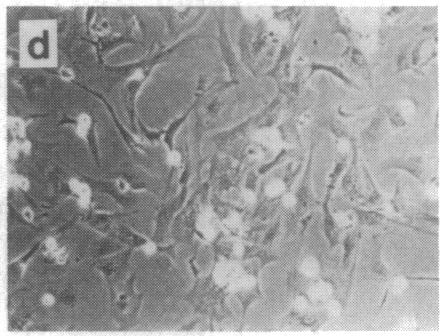
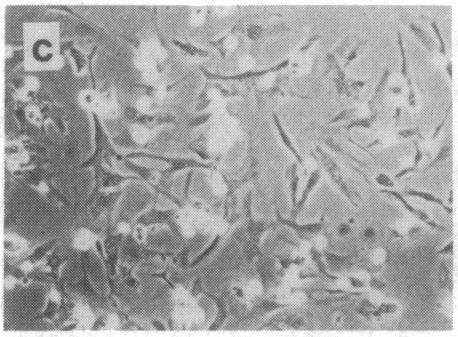
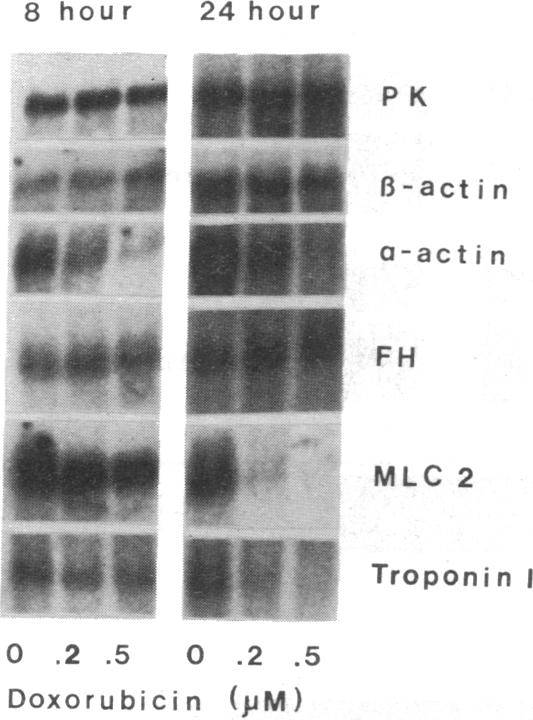
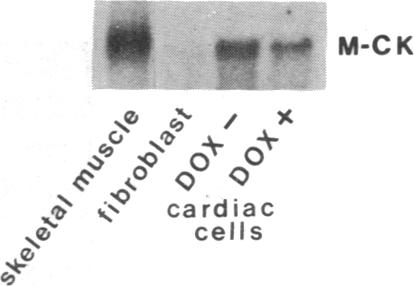
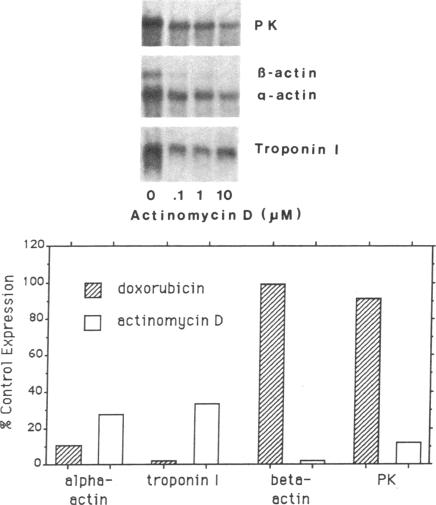
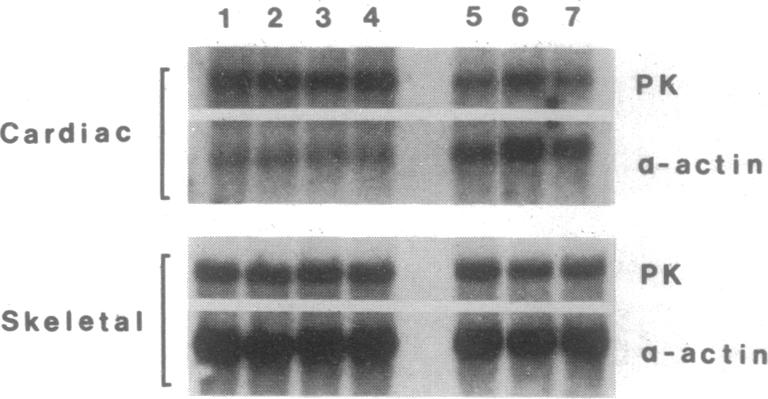
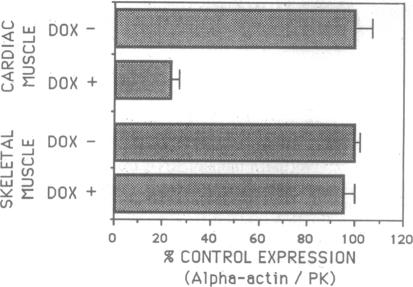
The anthracycline antibiotic doxorubicin produces a characteristic myopathy in cardiac muscle that limits its use in cancer therapy. We have shown in cultured neonatal rat cardiac muscle cells that doxorubicin treatment resulted in a rapid, selective decrease in the expression of muscle-specific genes, which preceded other changes characteristic of doxorubicin cardiomyopathy. Doxorubicin selectively and dramatically decreased the levels of mRNA for the sarcomeric genes, alpha-actin, troponin I, and myosin light chain 2, as well as the muscle-specific, but nonsarcomeric M isoform of creatine kinase. However, doxorubicin did not affect nonmuscle gene transcripts (pyruvate kinase, ferritin heavy chain, and beta-actin). Actinomycin D, an inhibitor of DNA-dependent RNA polymerase, did not show a similar selective decrease of muscle-specific mRNAs but, rather, produced a nonspecific, dose-dependent decrease of muscle and nonmuscle transcripts. The doxorubicin effect on muscle gene expression was limited to cardiac muscle; cultured skeletal myocytes were resistant to the effects of doxorubicin at 100-fold greater doses than those causing changes in mRNA levels in cardiac muscle cells. These effects of doxorubicin were reproduced in vivo; rats injected with doxorubicin showed a dose-dependent decrease in the levels of mRNAs for alpha-actin, troponin I, myosin light chain 2, and M isoform of creatine kinase in cardiac but not skeletal muscle. These selective changes in gene expression in cardiocyte cultures and cardiac muscle precede classical ultrastructural changes and may explain the myofibrillar loss that characterizes doxorubicin cardiac injury.
蒽环类抗生素阿霉素会在心肌中引发一种特征性的肌病,这限制了它在癌症治疗中的应用。我们在培养的新生大鼠心肌细胞中发现,阿霉素处理会导致肌肉特异性基因的表达迅速、选择性地降低,这早于阿霉素心肌病的其他特征性变化。阿霉素选择性且显著地降低了肌节基因、α-肌动蛋白、肌钙蛋白I和肌球蛋白轻链2的mRNA水平,以及肌肉特异性但非肌节的肌酸激酶M同工型的水平。然而,阿霉素并不影响非肌肉基因转录本(丙酮酸激酶、铁蛋白重链和β-肌动蛋白)。放线菌素D是一种依赖DNA的RNA聚合酶抑制剂,它并未表现出类似的肌肉特异性mRNA的选择性降低,而是导致肌肉和非肌肉转录本非特异性的、剂量依赖性的降低。阿霉素对肌肉基因表达的影响仅限于心肌;培养的骨骼肌细胞对阿霉素的作用具有抗性,其耐受剂量比引起心肌细胞mRNA水平变化的剂量高100倍。阿霉素的这些作用在体内也得到了重现;注射阿霉素的大鼠心脏而非骨骼肌中,α-肌动蛋白、肌钙蛋白I、肌球蛋白轻链2和肌酸激酶M同工型的mRNA水平呈剂量依赖性降低。心肌细胞培养物和心肌中基因表达的这些选择性变化先于经典的超微结构变化,可能解释了阿霉素心脏损伤所特有的肌原纤维丢失。