Department of Microbiology, University of Michigan Medical School, Ann Arbor, Michigan, United States of America.
PLoS One. 2013;8(3):e58813. doi: 10.1371/journal.pone.0058813. Epub 2013 Mar 7.
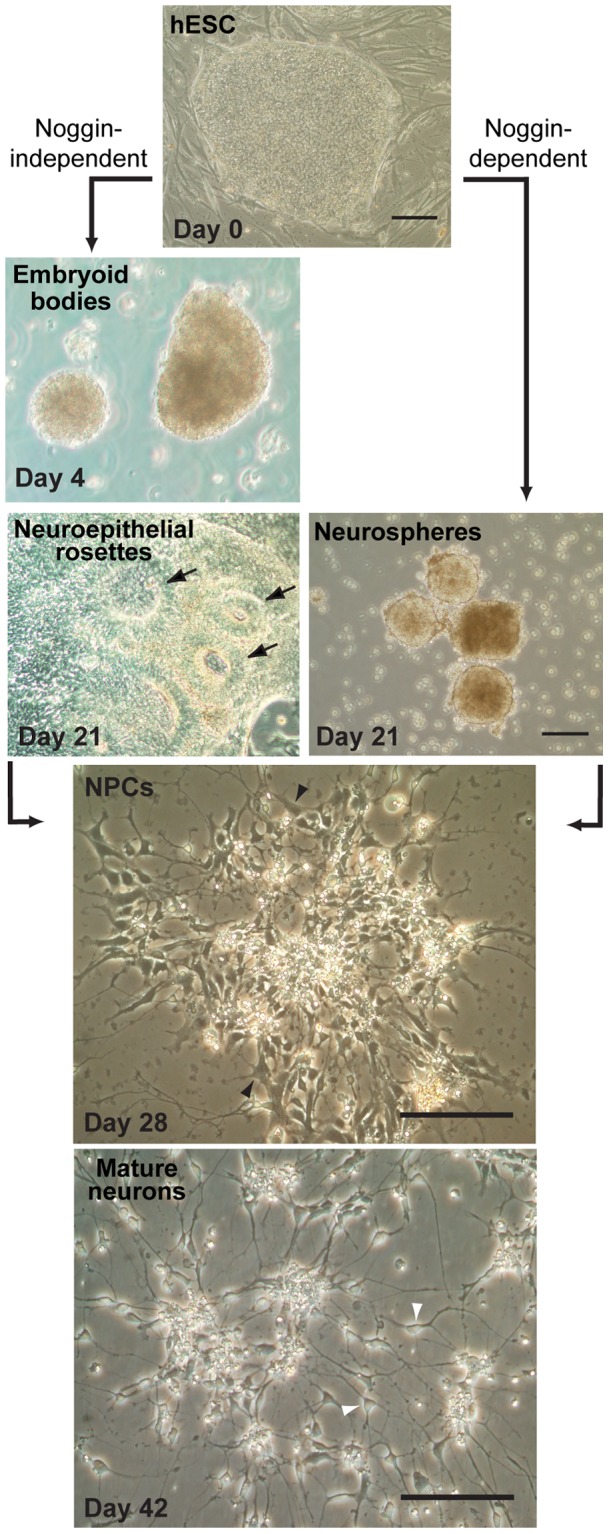
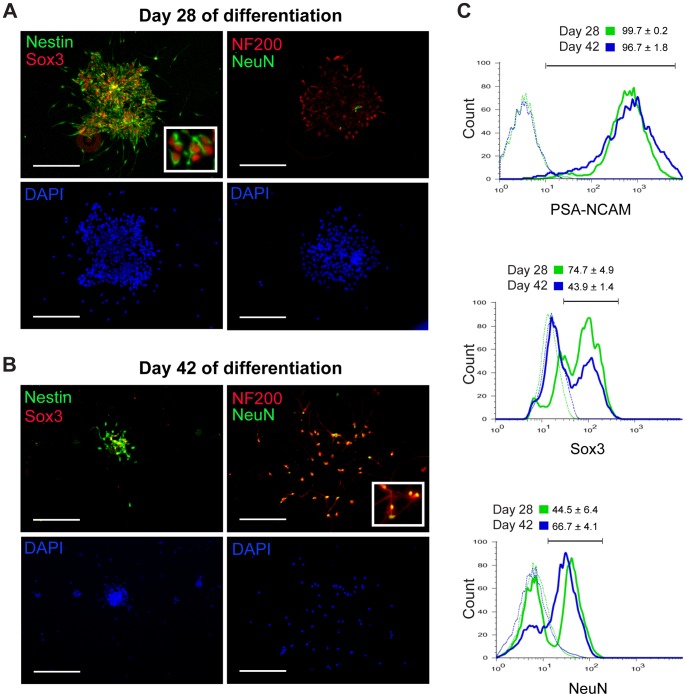
Despite the crucial role of innate immunity in preventing or controlling pathogen-induced damage in most, if not all, cell types, very little is known about the activity of this essential defense system in central nervous system neurons, especially in humans. In this report we use both an established neuronal cell line model and an embryonic stem cell-based system to examine human neuronal innate immunity and responses to neurotropic alphavirus infection in cultured cells. We demonstrate that neuronal differentiation is associated with increased expression of crucial type I interferon signaling pathway components, including interferon regulatory factor-9 and an interferon receptor heterodimer subunit, which results in enhanced interferon stimulation and subsequent heightened antiviral activity and cytoprotective responses against neurotropic alphaviruses such as western equine encephalitis virus. These results identify important differentiation-dependent changes in innate immune system function that control cell-autonomous neuronal responses. Furthermore, this work demonstrates the utility of human embryonic stem cell-derived cultures as a platform to study the interactions between innate immunity, virus infection, and pathogenesis in central nervous system neurons.
尽管先天免疫在预防或控制大多数(如果不是全部)细胞类型中病原体诱导的损伤方面起着至关重要的作用,但人们对中枢神经系统神经元中这一基本防御系统的活性知之甚少,尤其是在人类中。在本报告中,我们使用已建立的神经元细胞系模型和基于胚胎干细胞的系统来研究人类神经元先天免疫以及培养细胞中对嗜神经甲型病毒感染的反应。我们证明神经元分化与关键的 I 型干扰素信号通路成分(包括干扰素调节因子 9 和干扰素受体异二聚体亚基)的表达增加有关,这导致干扰素刺激增强以及随后针对嗜神经甲型病毒(如西部马脑炎病毒)的抗病毒活性和细胞保护反应增强。这些结果确定了控制细胞自主神经元反应的先天免疫系统功能的重要分化依赖性变化。此外,这项工作证明了人类胚胎干细胞衍生培养物作为研究中枢神经系统神经元中先天免疫、病毒感染和发病机制之间相互作用的平台的实用性。