Gleich Kurt, Desmond Michael J, Lee Darren, Berkovic Samuel F, Dibbens Leanne M, Katerelos Marina, Bayly Marta A, Fraser Scott A, Martinello Paul, Vears Danya F, Mount Peter, Power David A
The Institute for Breathing and Sleep, Austin Health , Heidelberg, Australia .
Biores Open Access. 2013 Feb;2(1):40-6. doi: 10.1089/biores.2012.0265.
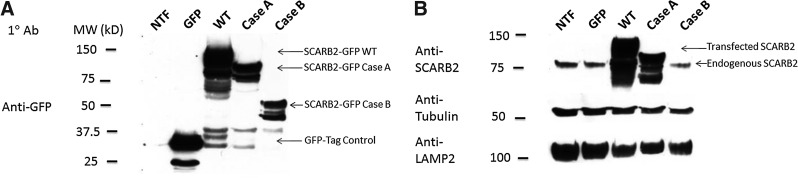
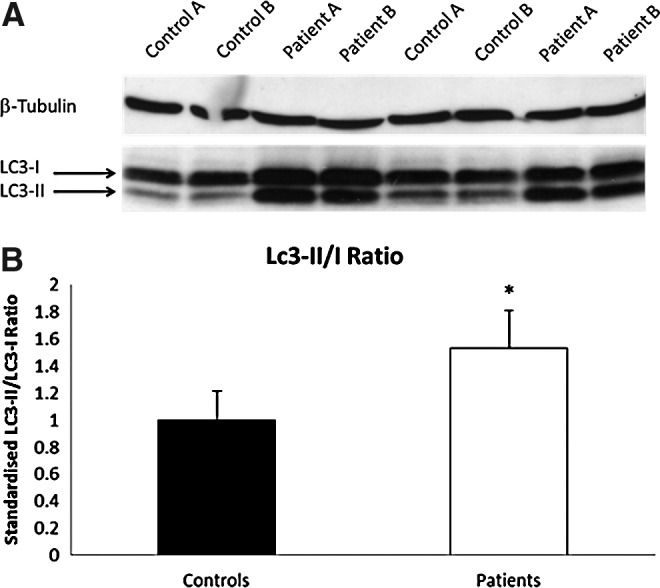
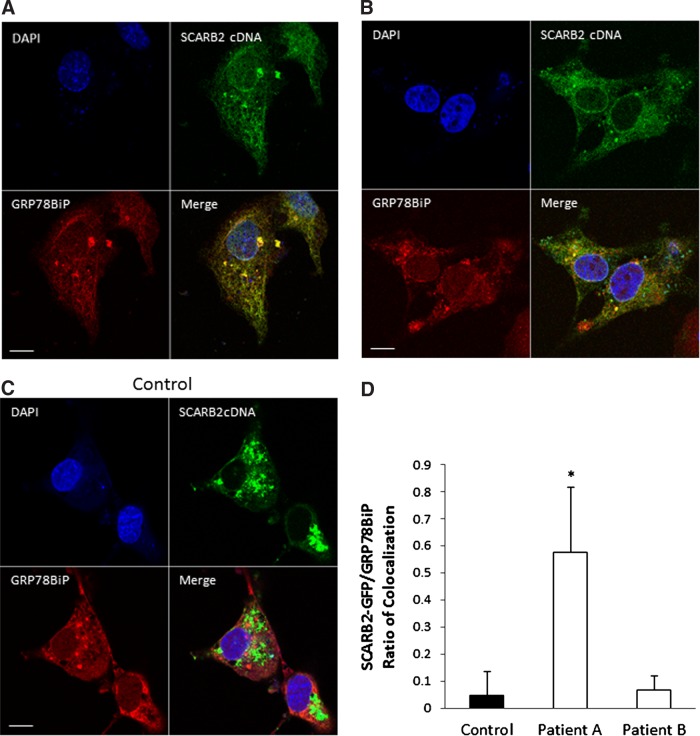
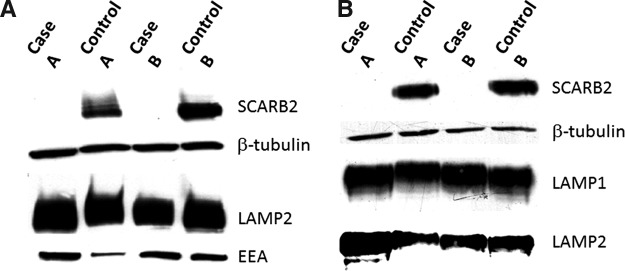
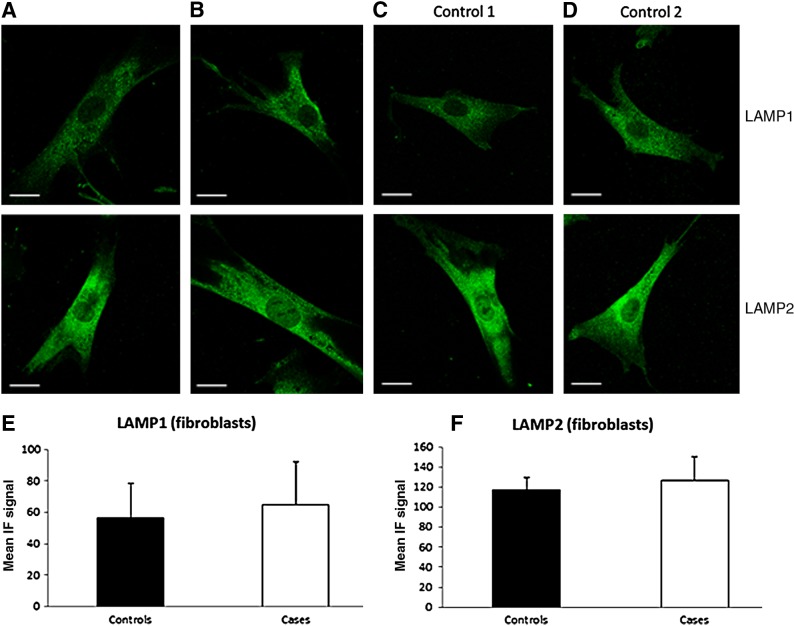
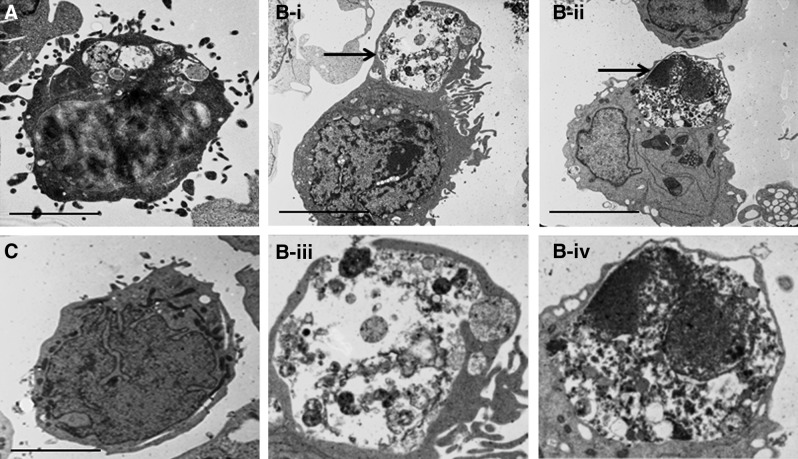
Mutations of the intrinsic lysosomal membrane protein SCARB2 cause action myoclonus-renal failure syndrome (AMRF syndrome), a rare disease characterized by renal and neurological manifestations. In this study, examination of Cos7 cells transfected with SCARB2 cDNA derived from two patients with AMRF syndrome showed that the resultant protein was truncated and was not incorporated into vesicular structures, as occurred with full-length SCARB2 cDNA. Mutant SCARB2 protein failed to colocalize with lysosomes and was found in the endoplasmic reticulum or the cytosol indicating a loss of function. Cultured skin fibroblast and Epstein-Barr virus-transformed lymphoblastoid B cell lines (LCLs) were created from these two patients. Despite the loss of SCARB2 function, studies with lysosomal-associated membrane protein (LAMP) 1 and LAMP2 demonstrated normal lysosomal numbers in fibroblasts and LCLs. Immunofluorescence microscopy using anti-LAMP1 and anti-LAMP2 antibodies also showed normal lysosomal structures in fibroblasts. There was no change in the morphology of fibroblasts examined by electron microscopy compared with cells from unaffected individuals. By contrast, LCLs from individuals bearing SCARB2 mutations had large intracellular vesicles that resembled autophagosomes and contained heterogeneous cellular debris. Some of the autophagosomes were seen to be extruding cellular contents into the media. Furthermore, LCLs had elevated levels of microtubule-associated protein light chain 3-II, consistent with increased autophagy. These data demonstrate that SCARB2 mutations are associated with an inability to process autophagosomes in B lymphocytes, suggesting a novel function for SCARB2 in immune function.
内在溶酶体膜蛋白SCARB2的突变会导致行动性肌阵挛-肾衰竭综合征(AMRF综合征),这是一种以肾脏和神经表现为特征的罕见疾病。在本研究中,对用来自两名AMRF综合征患者的SCARB2 cDNA转染的Cos7细胞进行检测,结果显示所产生的蛋白质被截短,且未整合到囊泡结构中,而全长SCARB2 cDNA转染时则会整合。突变型SCARB2蛋白未能与溶酶体共定位,而是在内质网或细胞质中被发现,这表明其功能丧失。从这两名患者身上建立了培养的皮肤成纤维细胞和爱泼斯坦-巴尔病毒转化的淋巴母细胞系(LCL)。尽管SCARB2功能丧失,但对溶酶体相关膜蛋白(LAMP)1和LAMP2的研究表明,成纤维细胞和LCL中的溶酶体数量正常。使用抗LAMP1和抗LAMP2抗体的免疫荧光显微镜检查也显示成纤维细胞中的溶酶体结构正常。与未受影响个体的细胞相比,通过电子显微镜检查的成纤维细胞形态没有变化。相比之下,携带SCARB2突变个体的LCL有大的细胞内囊泡,类似于自噬体,且含有异质性细胞碎片。一些自噬体被观察到将细胞内容物挤出到培养基中。此外,LCL中微管相关蛋白轻链3-II水平升高,这与自噬增加一致。这些数据表明,SCARB2突变与B淋巴细胞中自噬体处理能力的丧失有关,提示SCARB2在免疫功能中有新功能。