Biochemistry and Biophysical Laboratory, Butantan Institute, Sao Paulo, Brazil.
PLoS One. 2013;8(3):e57937. doi: 10.1371/journal.pone.0057937. Epub 2013 Mar 14.
Renal cell carcinoma (RCC) is the most common type of kidney cancer, and represents the third most common urological malignancy. Despite the advent of targeted therapies for RCC and the improvement of the lifespan of patients, its cost-effectiveness restricted the therapeutic efficacy. In a recent report, we showed that synthetic phosphoethanolamine (Pho-s) has a broad antitumor activity on a variety of tumor cells and showed potent inhibitor effects on tumor progress in vivo.
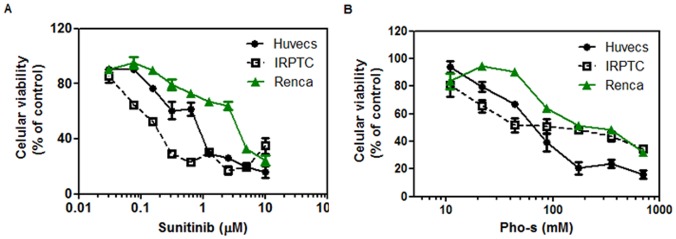
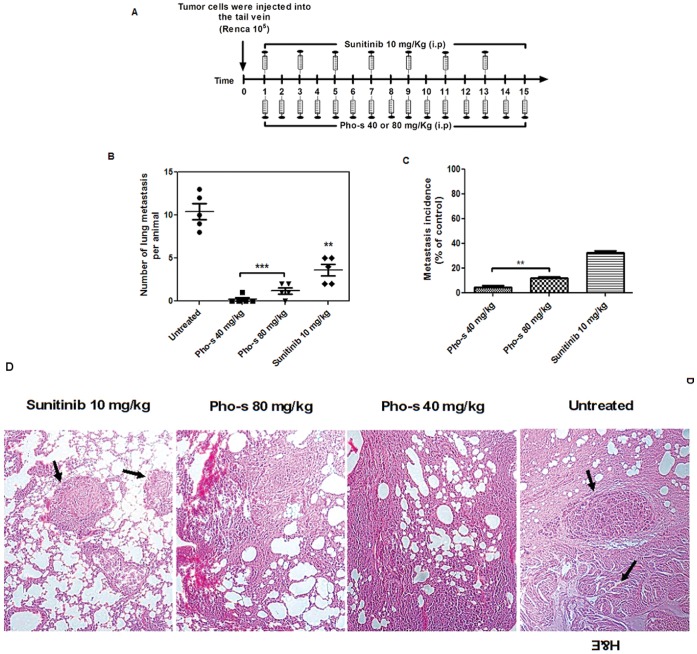
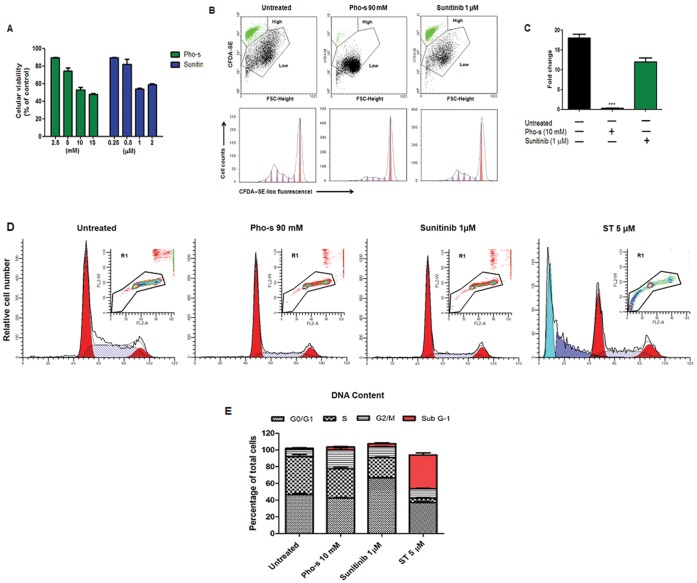
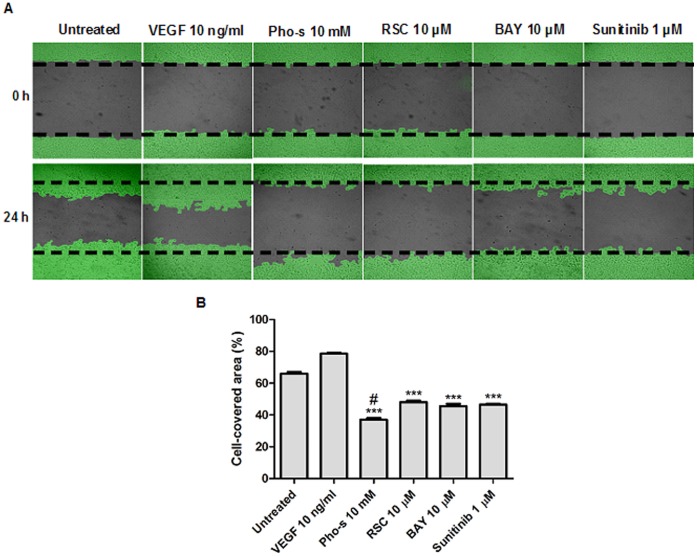
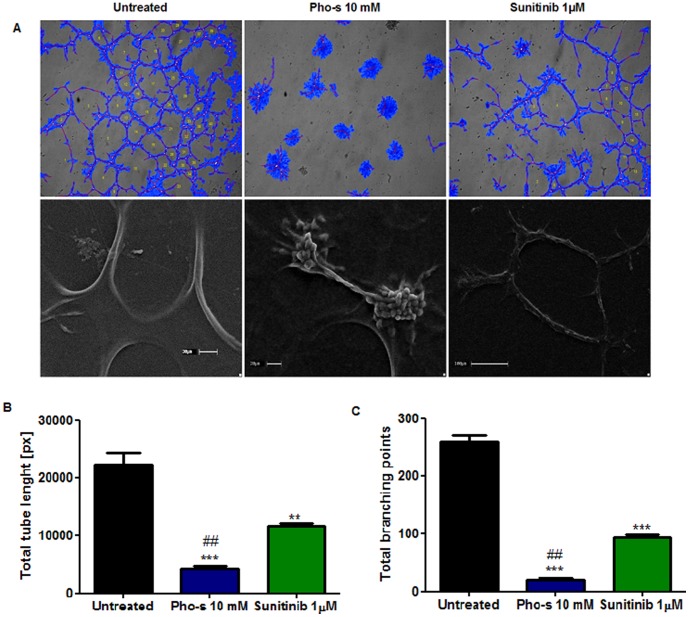
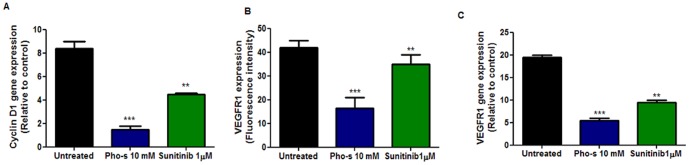
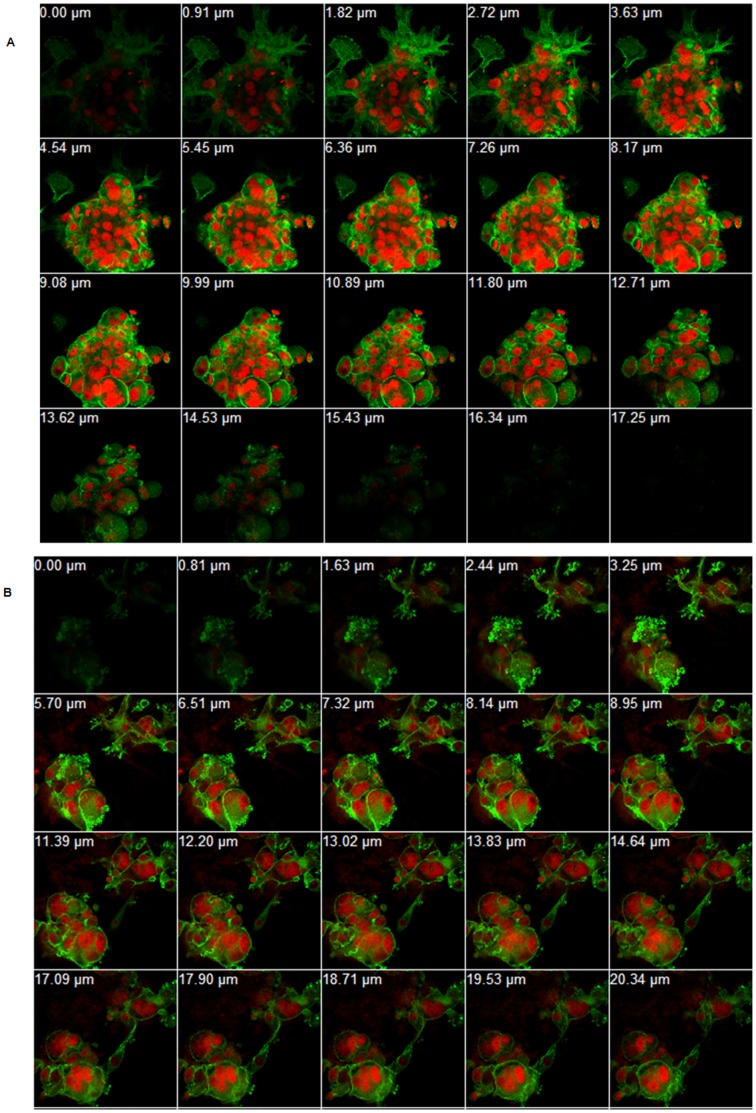
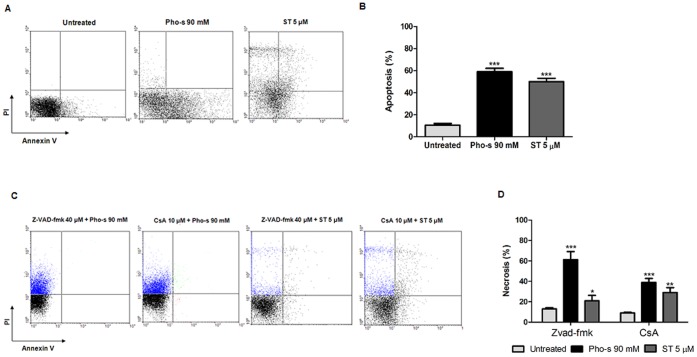
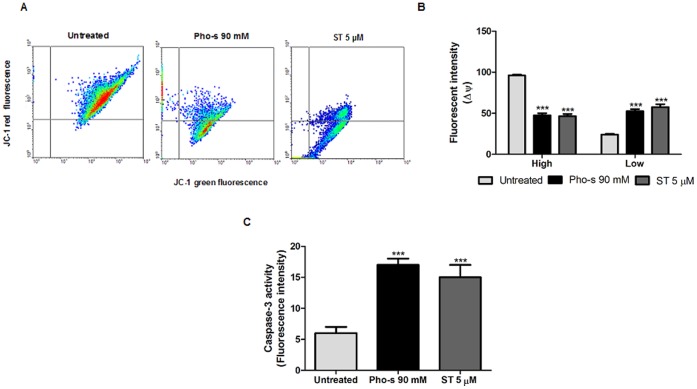
METHODOLOGY/PRINCIPAL FINDINGS: We show that murine renal carcinoma (Renca) is more sensitive to Pho-s when compared to normal immortalized rat proximal tubule cells (IRPTC) and human umbilical vein endothelial cells (HUVEC). In vitro anti-angiogenic activity assays show that Pho-s inhibits endothelial cell proliferation, migration and tube formation. In addition, Pho-s has anti-proliferative effects on HUVEC by inducing a cell cycle arrest at the G2/M phase. It causes a decrease in cyclin D1 mRNA, VEGFR1 gene transcription and VEGFR1 receptor expression. Pho-s also induces nuclear fragmentation and affects the organization of the cytoskeleton through the disruption of actin filaments. Additionally, Pho-s induces apoptosis through the mitochondrial pathway. The putative therapeutic potential of Pho-s was validated in a renal carcinoma model, on which our remarkable in vivo results show that Pho-s potentially inhibits lung metastasis in nude mice, with a superior efficacy when compared to Sunitinib.
CONCLUSIONS/SIGNIFICANCE: Taken together, our findings provide evidence that Pho-s is a compound that potently inhibits lung metastasis, suggesting that it is a promising novel candidate drug for future developments.
肾细胞癌(RCC)是最常见的肾癌类型,也是第三大常见的泌尿系统恶性肿瘤。尽管针对 RCC 的靶向治疗方法的出现以及患者的寿命得到了改善,但它的成本效益限制了治疗效果。在最近的一份报告中,我们表明合成磷酸乙醇胺(Pho-s)对多种肿瘤细胞具有广泛的抗肿瘤活性,并在体内显示出对肿瘤进展的强大抑制作用。
方法/主要发现:我们表明,与正常永生化大鼠近端肾小管细胞(IRPTC)和人脐静脉内皮细胞(HUVEC)相比,鼠肾癌细胞(Renca)对 Pho-s 更为敏感。体外抗血管生成活性测定表明,Pho-s 抑制内皮细胞增殖、迁移和管腔形成。此外,Pho-s 通过诱导细胞周期停滞在 G2/M 期对 HUVEC 具有抗增殖作用。它导致细胞周期蛋白 D1 mRNA、VEGFR1 基因转录和 VEGFR1 受体表达减少。Pho-s 还通过线粒体途径诱导细胞凋亡。Pho-s 的潜在治疗潜力在肾癌模型中得到了验证,我们的显著体内结果表明,Pho-s 可能抑制裸鼠的肺转移,其疗效优于舒尼替尼。
结论/意义:总之,我们的研究结果表明 Pho-s 是一种能够强烈抑制肺转移的化合物,这表明它是一种很有前途的新型候选药物。