Institute of Microbiology and Immunology, National Yang-Ming University, Taipei, Taiwan.
PLoS One. 2013;8(3):e57666. doi: 10.1371/journal.pone.0057666. Epub 2013 Mar 11.
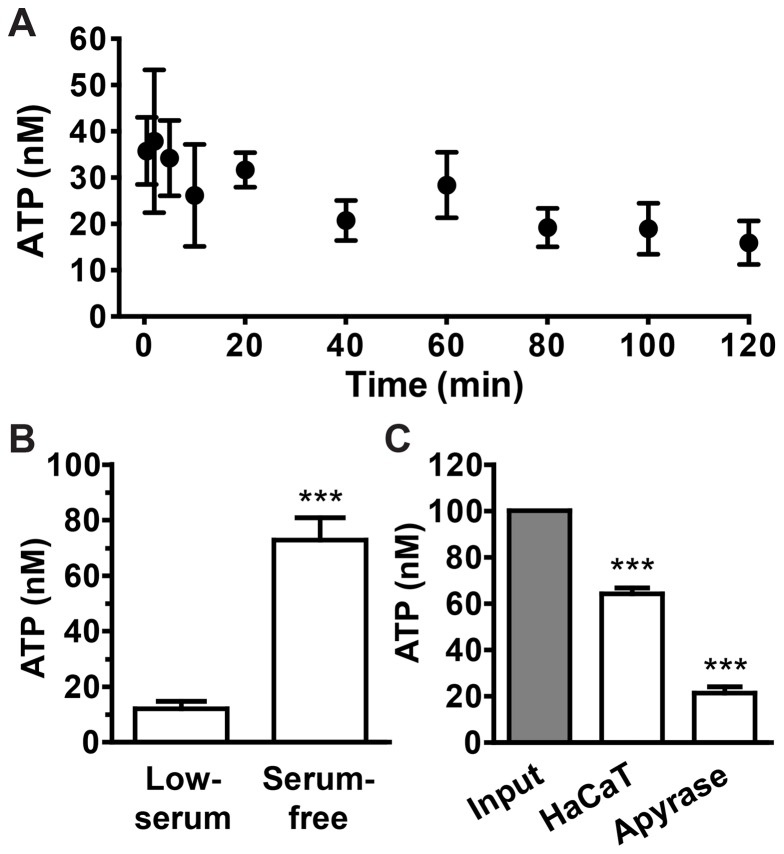
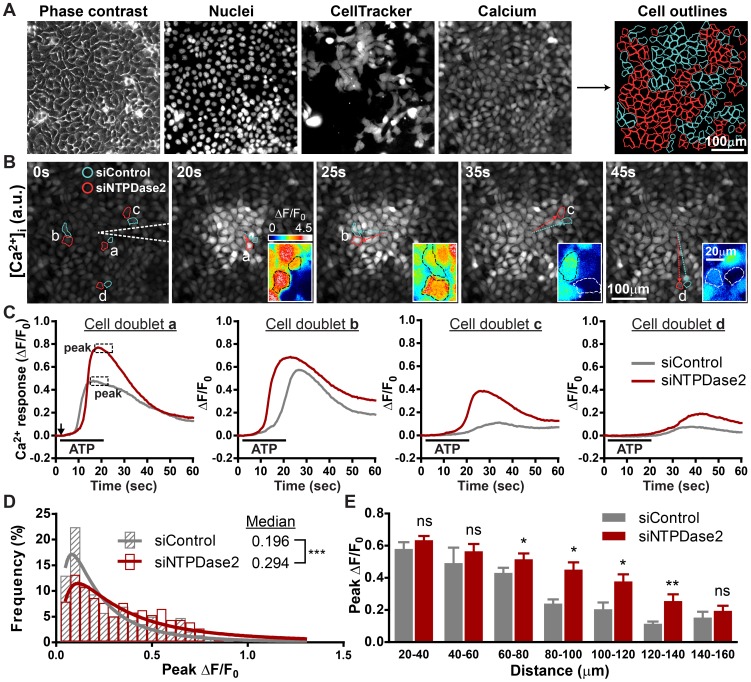
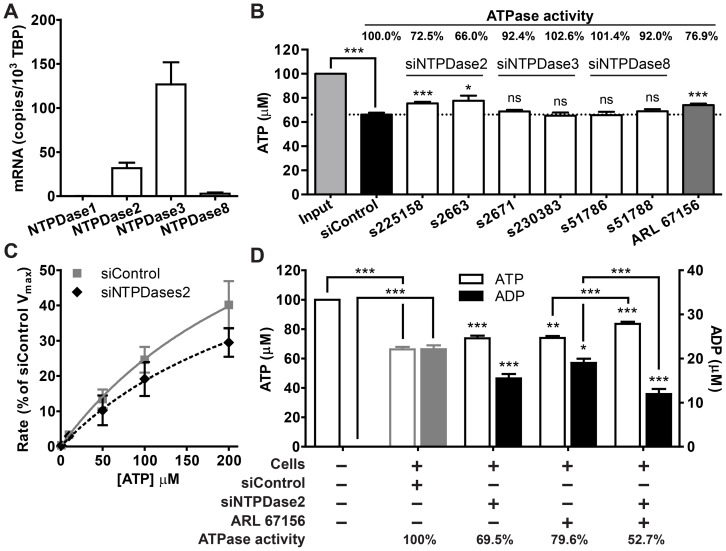
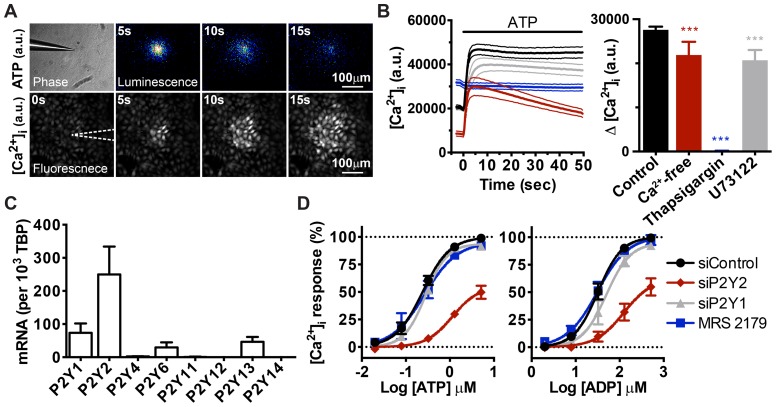
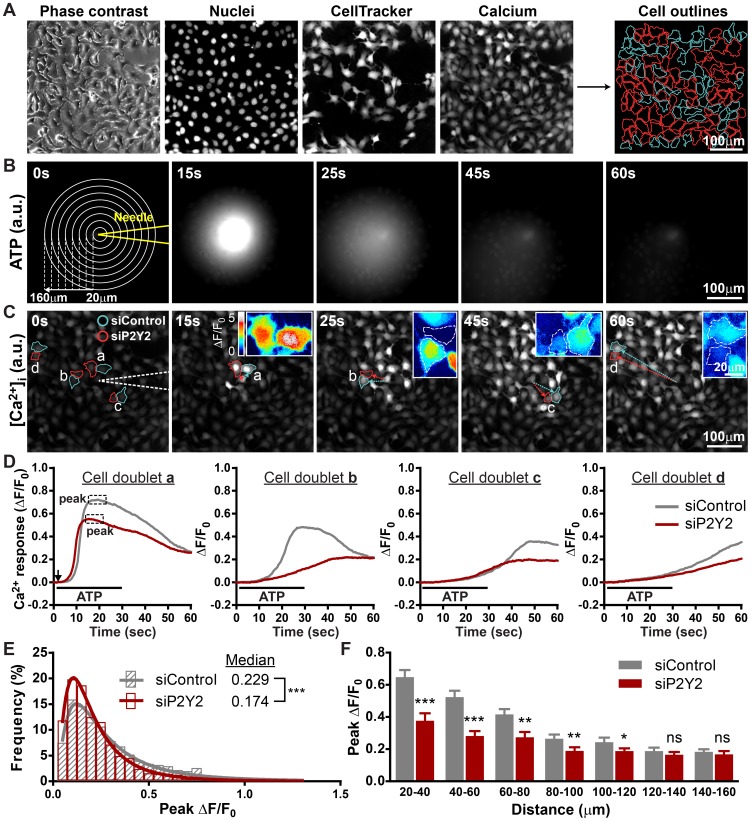
Keratinocytes are the major building blocks of the human epidermis. In many physiological and pathophysiological conditions, keratinocytes release adenosine triphosphate (ATP) as an autocrine/paracrine mediator that regulates cell proliferation, differentiation, and migration. ATP receptors have been identified in various epidermal cell types; therefore, extracellular ATP homeostasis likely determines its long-term, trophic effects on skin health. We investigated the possibility that human keratinocytes express surface-located enzymes that modulate ATP concentration, as well as the corresponding receptor activation, in the pericellular microenvironment. We observed that the human keratinocyte cell line HaCaT released ATP and hydrolyzed extracellular ATP. Interestingly, ATP hydrolysis resulted in adenosine diphosphate (ADP) accumulation in the extracellular space. Pharmacological inhibition by ARL 67156 or gene silencing of the endogenous ecto-nucleoside triphosphate diphosphohydrolase (NTPDase) isoform 2 resulted in a 25% reduction in both ATP hydrolysis and ADP formation. Using intracellular calcium as a reporter, we found that although NTPDase2 hydrolyzed ATP and generated sustainable ADP levels, only ATP contributed to increased intracellular calcium via P2Y2 receptor activation. Furthermore, knocking down NTPDase2 potentiated the nanomolar ATP-induced intracellular calcium increase, suggesting that NTPDase2 globally attenuates nucleotide concentration in the pericellular microenvironment as well as locally shields receptors in the vicinity from being activated by extracellular ATP. Our findings reveal an important role of human keratinocyte NTPDase2 in modulating nucleotide signaling in the extracellular milieu of human epidermis.
角朊细胞是人类表皮的主要组成部分。在许多生理和病理生理条件下,角朊细胞释放三磷酸腺苷(ATP)作为自分泌/旁分泌介质,调节细胞增殖、分化和迁移。已经在各种表皮细胞类型中鉴定出 ATP 受体;因此,细胞外 ATP 稳态可能决定其对皮肤健康的长期营养作用。我们研究了人类角质形成细胞是否表达位于表面的酶,这些酶可以调节细胞外微环境中 ATP 浓度以及相应的受体激活。我们观察到,人角质形成细胞系 HaCaT 释放 ATP 并水解细胞外 ATP。有趣的是,ATP 水解导致细胞外空间中腺苷二磷酸(ADP)积累。用 ARL 67156 进行药理学抑制或内源性核苷酸三磷酸二磷酸水解酶(NTPDase)同工型 2 的基因沉默,导致 ATP 水解和 ADP 形成减少 25%。使用细胞内钙作为报告,我们发现,尽管 NTPDase2 水解 ATP 并产生持续的 ADP 水平,但只有 ATP 通过 P2Y2 受体激活促进细胞内钙增加。此外,敲低 NTPDase2 增强了纳米摩尔 ATP 诱导的细胞内钙增加,表明 NTPDase2 全局减弱了细胞外微环境中核苷酸浓度,并局部屏蔽了附近受体免受细胞外 ATP 的激活。我们的研究结果揭示了人类角质形成细胞 NTPDase2 在调节人类表皮细胞外环境中核苷酸信号中的重要作用。