Diabetes Discovery Platform, South African Medical Research Council Cape Town, South Africa.
Front Endocrinol (Lausanne). 2013 Mar 27;4:37. doi: 10.3389/fendo.2013.00037. eCollection 2013.
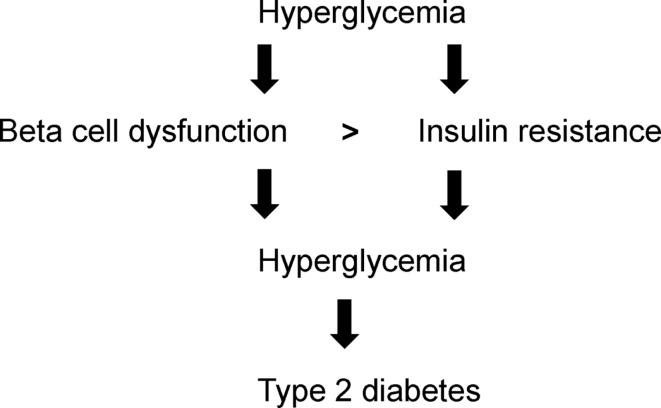
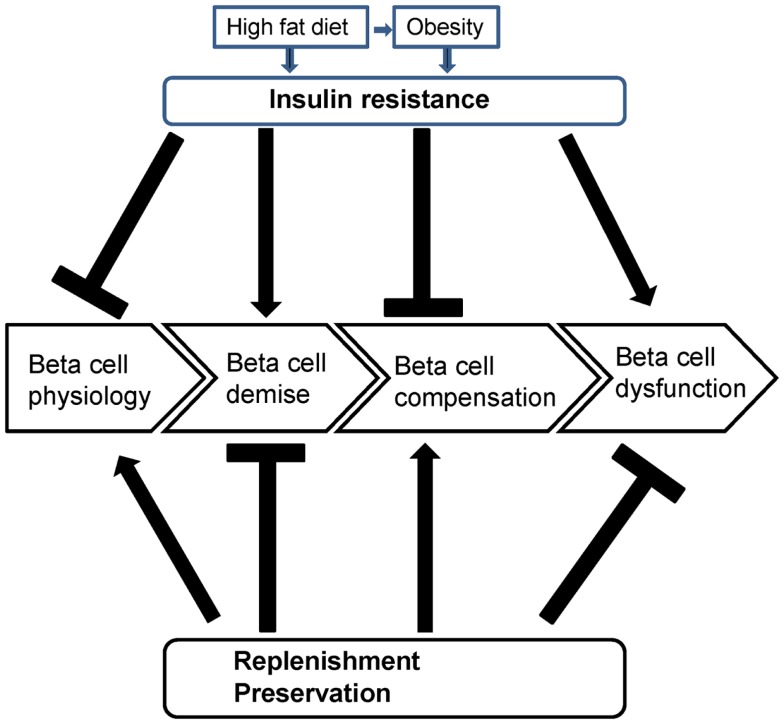
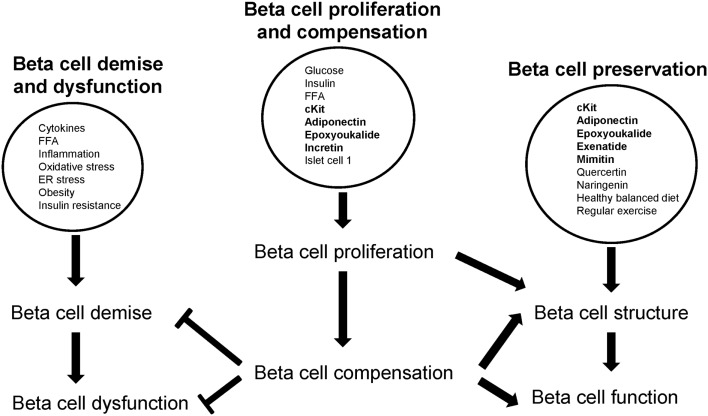
Beta cell dysfunction and insulin resistance are inherently complex with their interrelation for triggering the pathogenesis of diabetes also somewhat undefined. Both pathogenic states induce hyperglycemia and therefore increase insulin demand. Beta cell dysfunction results from inadequate glucose sensing to stimulate insulin secretion therefore elevated glucose concentrations prevail. Persistently elevated glucose concentrations above the physiological range result in the manifestation of hyperglycemia. With systemic insulin resistance, insulin signaling within glucose recipient tissues is defective therefore hyperglycemia perseveres. Beta cell dysfunction supersedes insulin resistance in inducing diabetes. Both pathological states influence each other and presumably synergistically exacerbate diabetes. Preserving beta cell function and insulin signaling in beta cells and insulin signaling in the glucose recipient tissues will maintain glucose homeostasis.
β细胞功能障碍和胰岛素抵抗本身就很复杂,它们之间的相互关系也在一定程度上引发了糖尿病的发病机制。这两种致病状态都会导致高血糖,因此增加了胰岛素的需求。β细胞功能障碍是由于葡萄糖感应不足,无法刺激胰岛素分泌,因此葡萄糖浓度升高。葡萄糖浓度持续高于生理范围会导致高血糖的发生。随着全身胰岛素抵抗,葡萄糖受体组织内的胰岛素信号受损,因此高血糖持续存在。β细胞功能障碍在引发糖尿病方面超过了胰岛素抵抗。这两种病理状态相互影响,可能协同加重糖尿病。维持β细胞功能和胰岛素信号在β细胞和葡萄糖受体组织中的作用将维持血糖稳态。