Laboratory of Molecular and Cellular Signaling, Department of Cellular and Molecular Medicine, KU Leuven, Leuven, Belgium.
PLoS One. 2013;8(4):e61020. doi: 10.1371/journal.pone.0061020. Epub 2013 Apr 2.
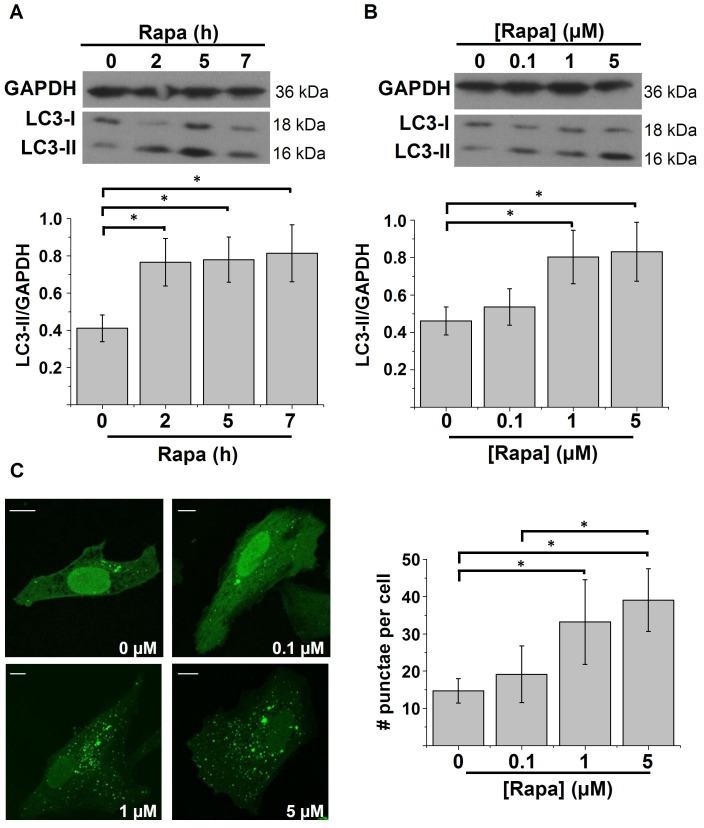
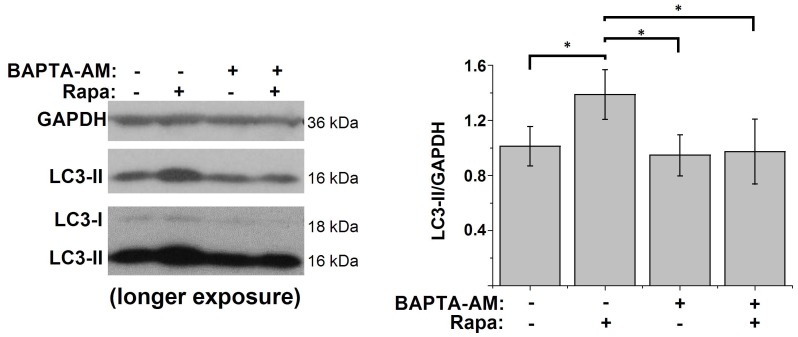
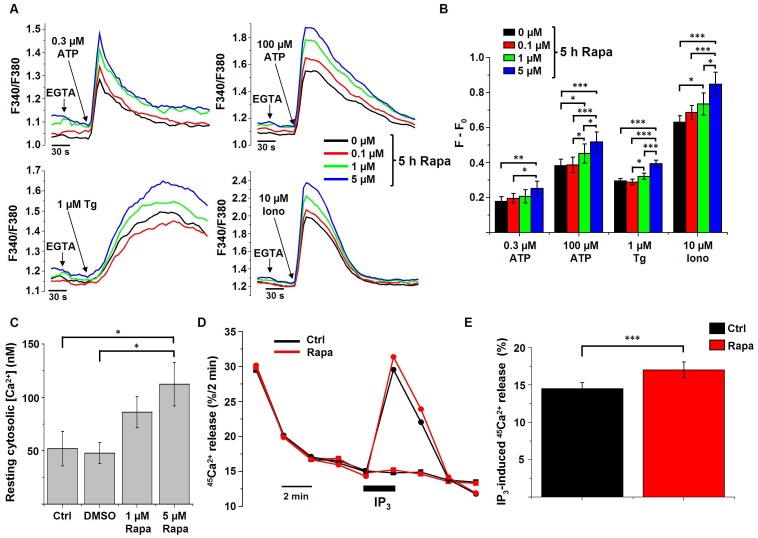
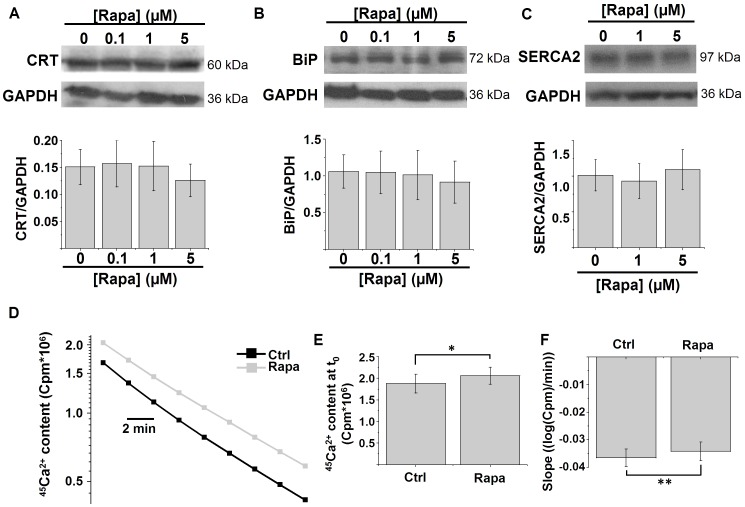
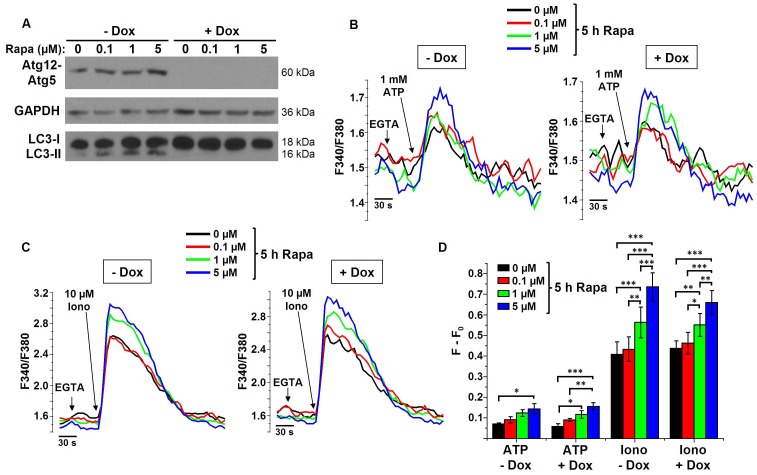
Autophagy is a lysosomal degradation pathway important for cellular homeostasis and survival. Inhibition of the mammalian target of rapamycin (mTOR) is the best known trigger for autophagy stimulation. In addition, intracellular Ca(2+) regulates autophagy, but its exact role remains ambiguous. Here, we report that the mTOR inhibitor rapamycin, while enhancing autophagy, also remodeled the intracellular Ca(2+)-signaling machinery. These alterations include a) an increase in the endoplasmic-reticulum (ER) Ca(2+)-store content, b) a decrease in the ER Ca(2+)-leak rate, and c) an increased Ca(2+) release through the inositol 1,4,5-trisphosphate receptors (IP3Rs), the main ER-resident Ca(2+)-release channels. Importantly, buffering cytosolic Ca(2+) with BAPTA impeded rapamycin-induced autophagy. These results reveal intracellular Ca(2+) signaling as a crucial component in the canonical mTOR-dependent autophagy pathway.
自噬是一种溶酶体降解途径,对细胞内稳态和存活至关重要。哺乳动物雷帕霉素靶蛋白(mTOR)的抑制是最著名的自噬刺激触发因素。此外,细胞内 Ca(2+) 调节自噬,但确切作用仍不清楚。在这里,我们报告说,mTOR 抑制剂雷帕霉素在增强自噬的同时,还重塑了细胞内 Ca(2+)-信号转导机制。这些改变包括:a)内质网 (ER) Ca(2+) 储存库含量增加,b)ER Ca(2+) 泄漏率降低,以及 c)通过肌醇 1,4,5-三磷酸受体 (IP3R) 增加 Ca(2+) 释放,IP3R 是 ER 中主要的 Ca(2+) 释放通道。重要的是,用 BAPTA 缓冲细胞溶质 Ca(2+) 会阻碍雷帕霉素诱导的自噬。这些结果表明细胞内 Ca(2+) 信号是经典 mTOR 依赖性自噬途径的关键组成部分。