Graduate Institute of Life Sciences, National Defense Medical Center, Taipei, Taiwan.
Evid Based Complement Alternat Med. 2013;2013:590363. doi: 10.1155/2013/590363. Epub 2013 Mar 19.
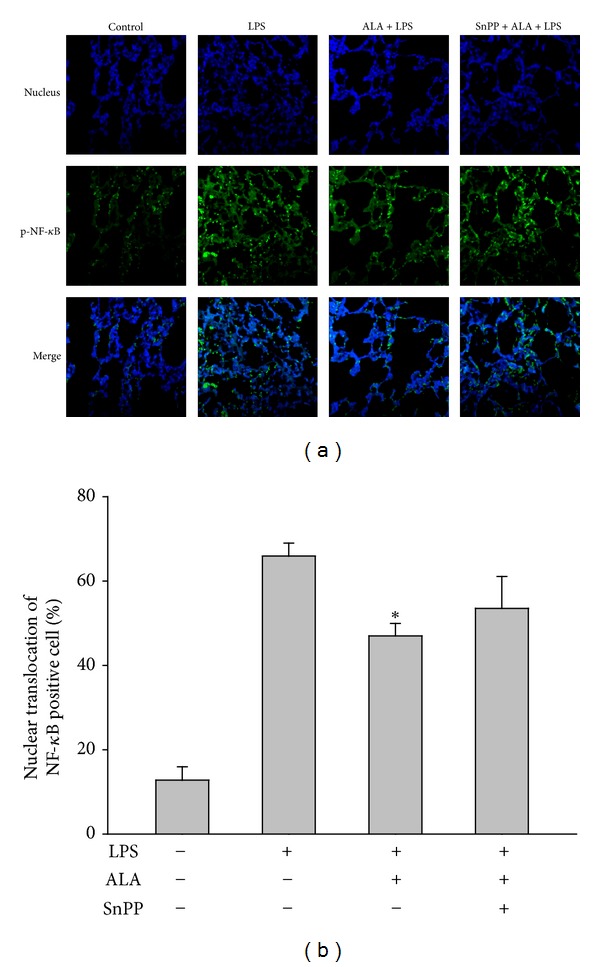
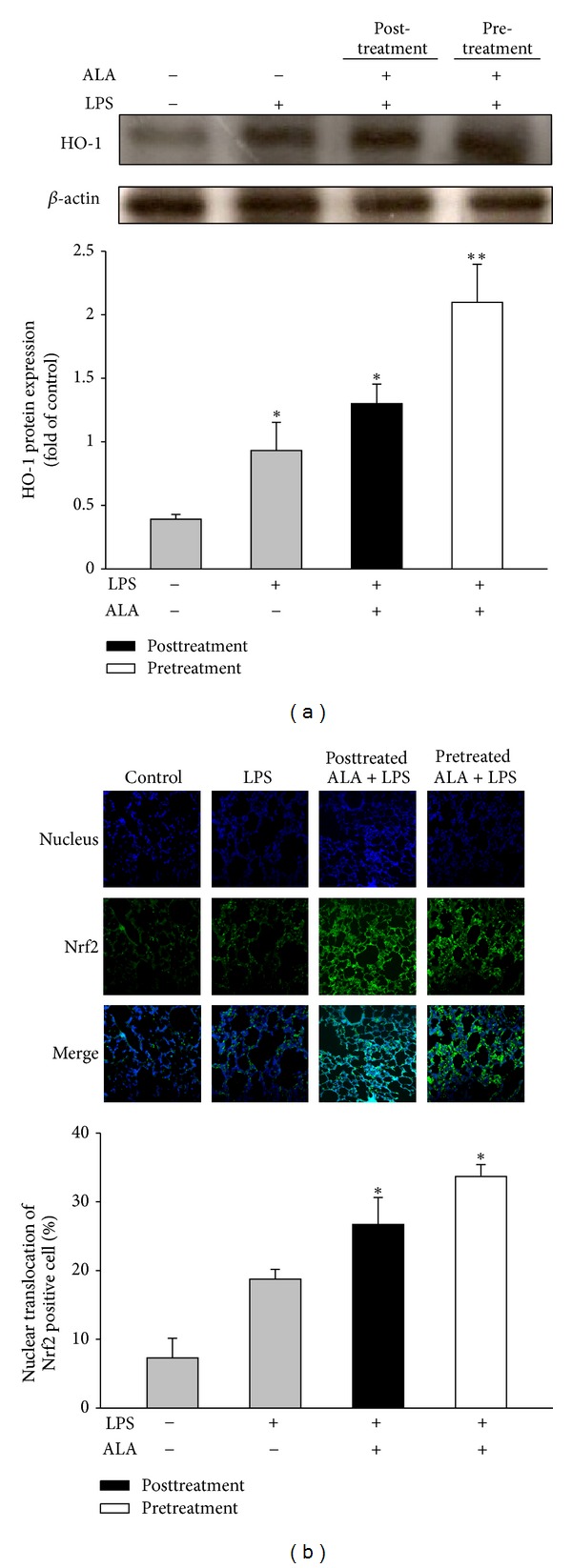
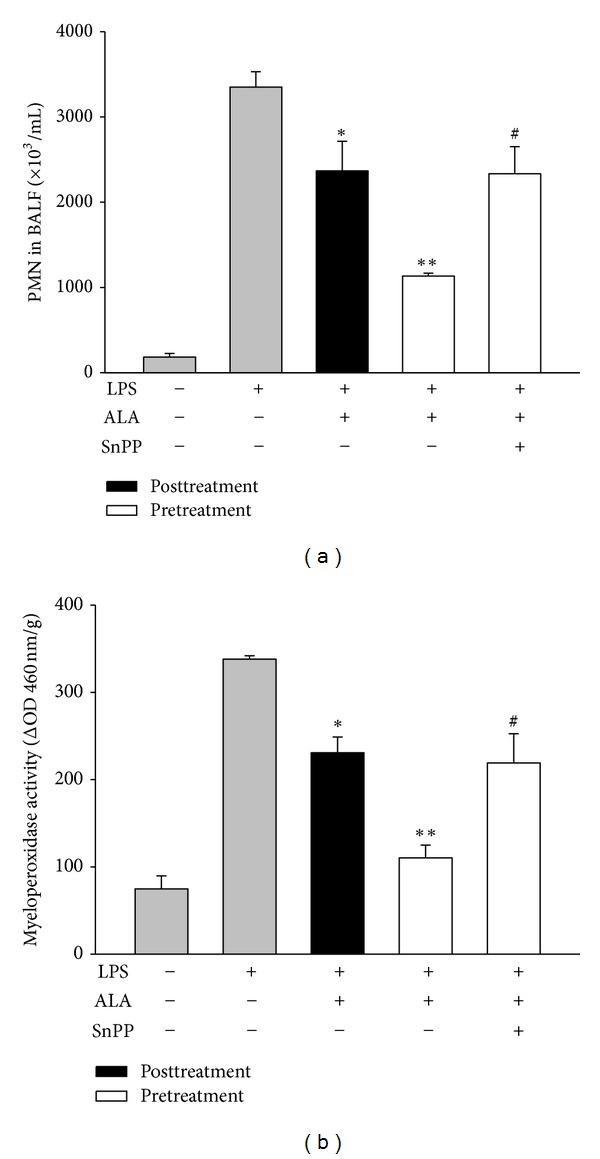
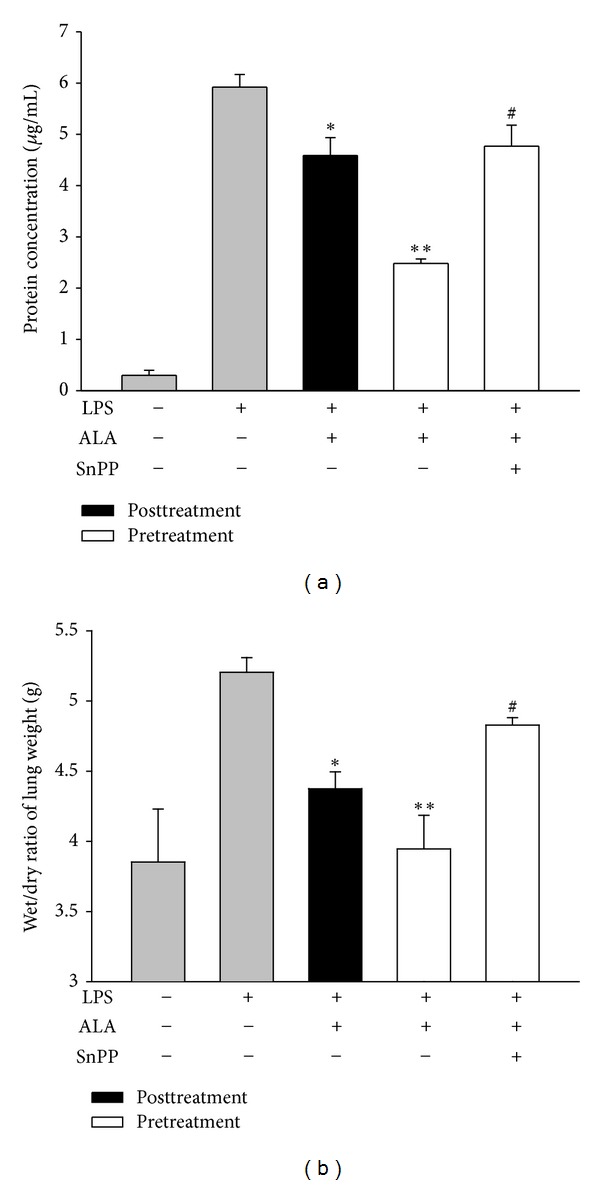
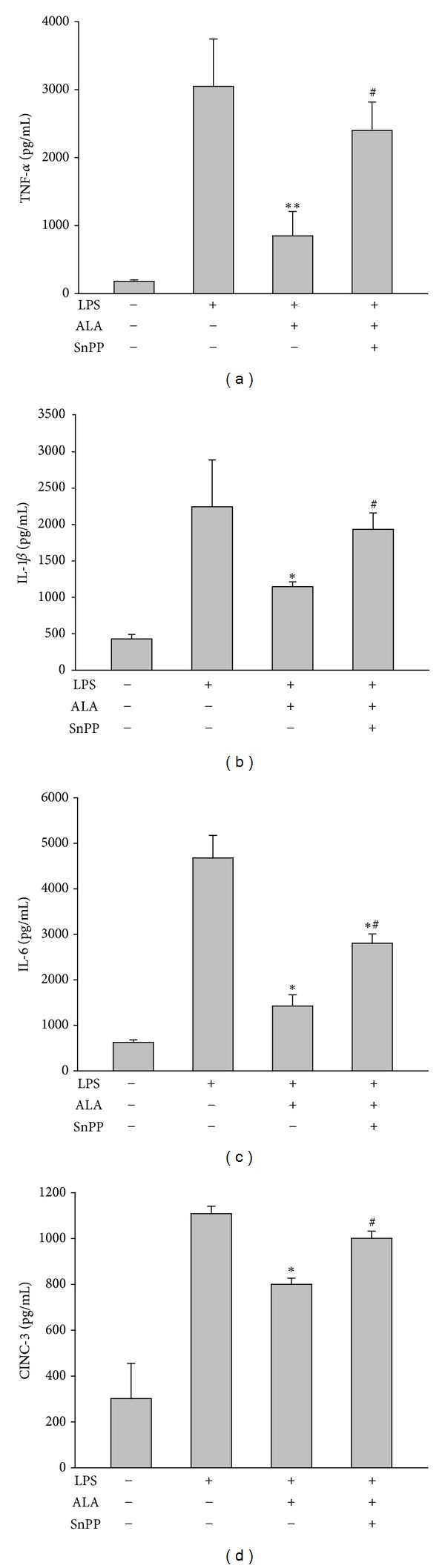
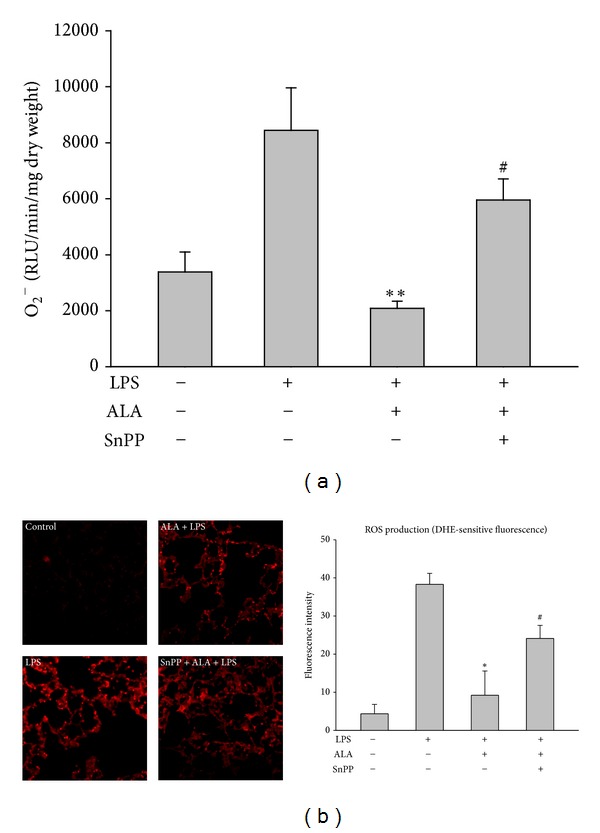
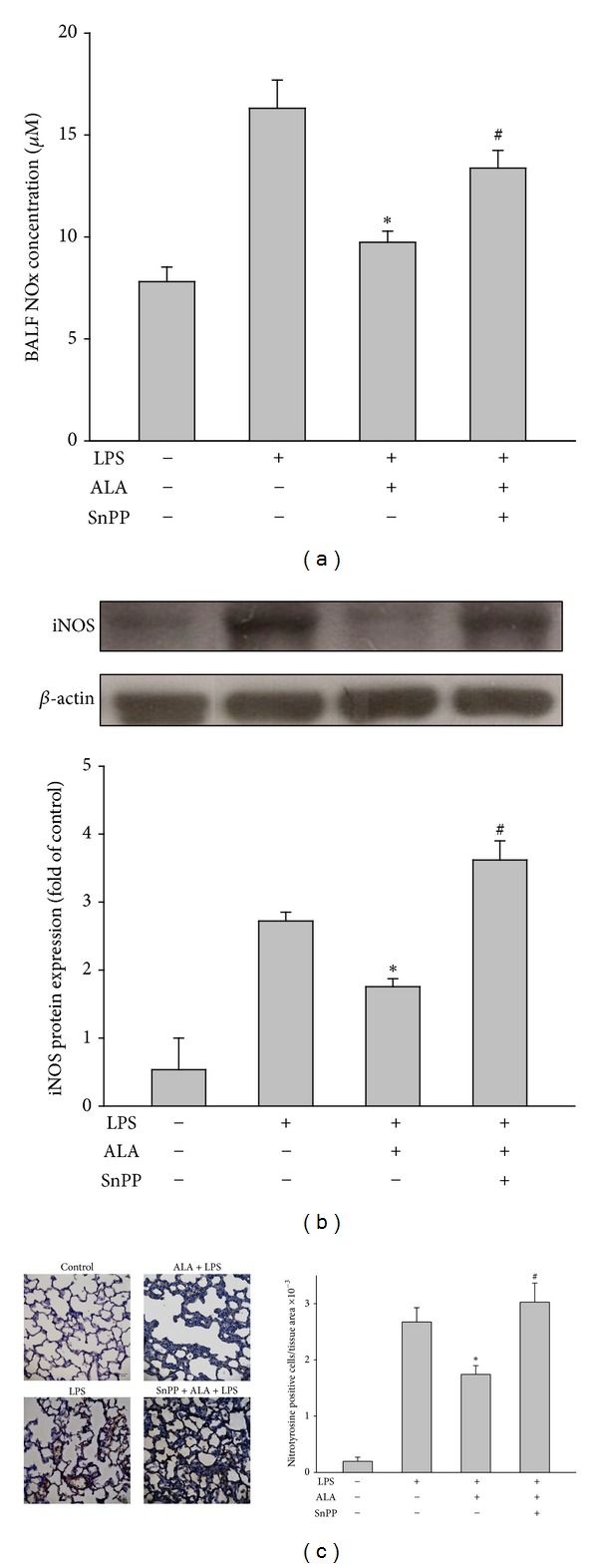
Alpha-lipoic acid (ALA), occurring naturally in human food, is known to possess antioxidative and anti-inflammatory activities. Induction of heme oxygenase-1 (HO-1) has been reported to exhibit a therapeutic effect in several inflammatory diseases. The aim of study was to test the hypothesis that the protection of ALA against lipopolysaccharide-(LPS-) induced acute lung injury (ALI) is mediated by HO-1. Pre- or posttreatment with ALA significantly inhibited LPS-induced histological alterations of ALI, lung tissue edema, and production of proinflammatory cytokine, cytokine inducible neutrophil chemoattractant-3, and nitrite/nitrate in bronchoalveolar lavage fluid. In addition, the inflammatory responses including elevation of superoxide formation, myeloperoxidase activity, polymorphonuclear neutrophils infiltration, nitrotyrosine, inducible nitric oxide synthase expression and nuclear factor-kappa B (NF- κ B) activation in lung tissues of LPS-instilled rats were also markedly reduced by ALA. Interestingly, treatment with ALA significantly increased nuclear factor-erythroid 2-related factor 2 (Nrf2) activation and HO-1 expression in lungs of ALI. However, blocking HO-1 activity by tin protoporphyrin IX (SnPP), an HO-1 inhibitor, markedly abolished these beneficial effects of ALA in LPS-induced ALI. These results suggest that the protection mechanism of ALA may be through HO-1 induction and in turn suppressing NF- κ B-mediated inflammatory responses.
α-硫辛酸(ALA)存在于人类食物中,具有抗氧化和抗炎活性。据报道,诱导血红素加氧酶-1(HO-1)在几种炎症性疾病中具有治疗作用。本研究旨在检验以下假设:ALA 对脂多糖(LPS)诱导的急性肺损伤(ALI)的保护作用是通过 HO-1 介导的。ALA 的预先或后处理显著抑制了 LPS 诱导的 ALI 的组织学改变、肺组织水肿以及促炎细胞因子、细胞因子诱导的中性粒细胞趋化因子-3 和支气管肺泡灌洗液中硝酸盐/亚硝酸盐的产生。此外,ALA 还显著降低了 LPS 灌注大鼠肺组织中超氧化物形成、髓过氧化物酶活性、多形核白细胞浸润、硝基酪氨酸、诱导型一氧化氮合酶表达和核因子-κB(NF-κB)激活等炎症反应。有趣的是,ALA 处理显著增加了 ALI 肺组织中的核因子-红细胞 2 相关因子 2(Nrf2)激活和 HO-1 表达。然而,HO-1 抑制剂锡原卟啉 IX(SnPP)阻断 HO-1 活性,显著消除了 ALA 在 LPS 诱导的 ALI 中的这些有益作用。这些结果表明,ALA 的保护机制可能是通过诱导 HO-1 并抑制 NF-κB 介导的炎症反应。