The Walter and Eliza Hall Institute for Medical Research, Parkville, Victoria 3052, Australia.
Nat Commun. 2013;4:1735. doi: 10.1038/ncomms2719.
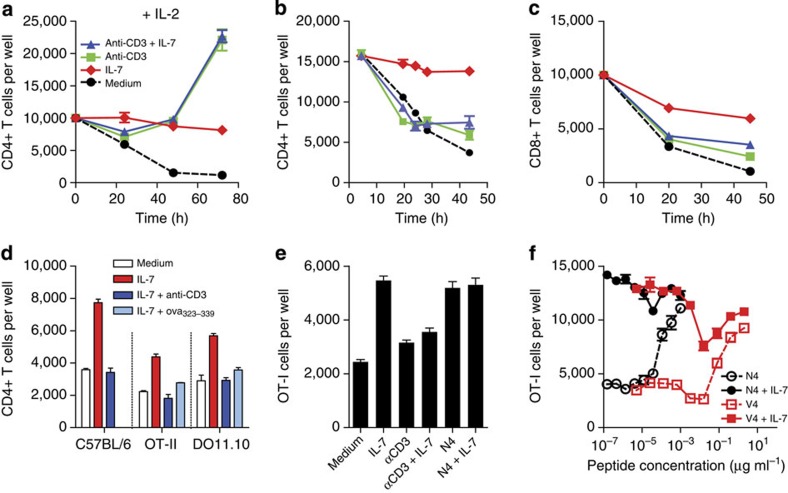
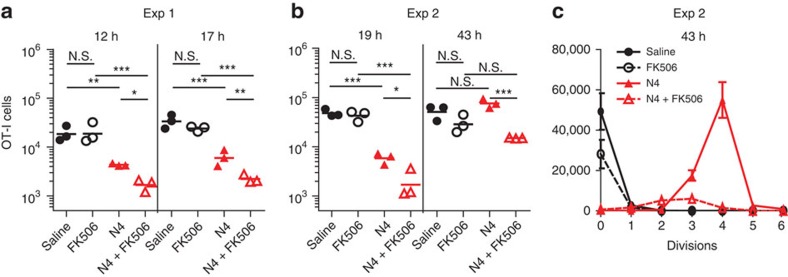
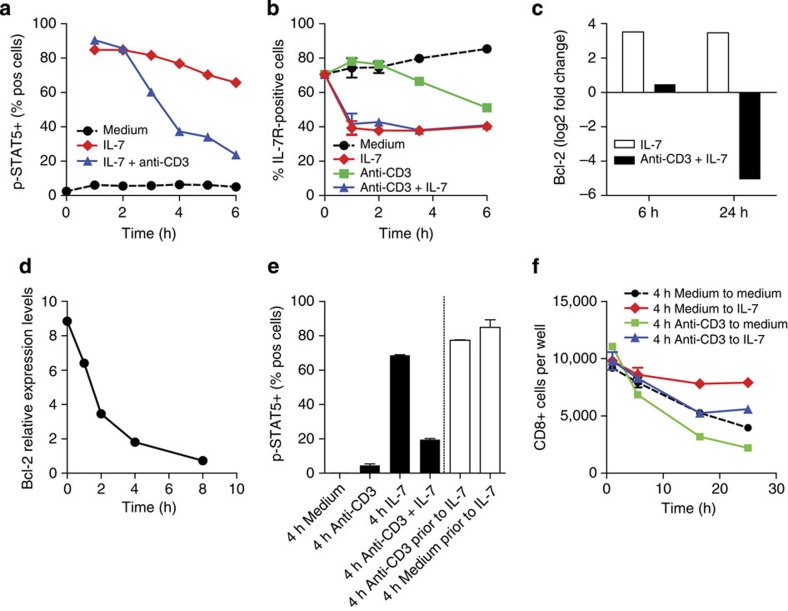
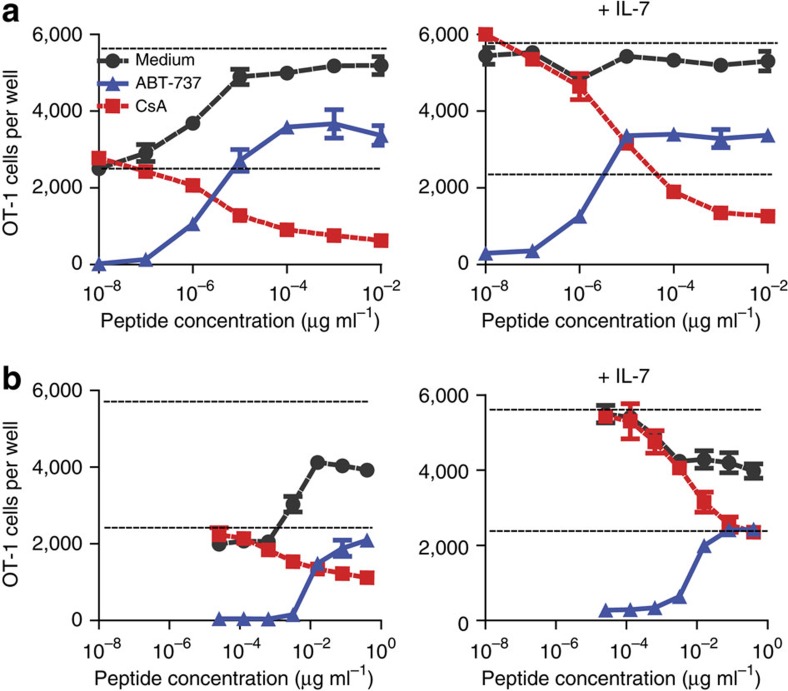
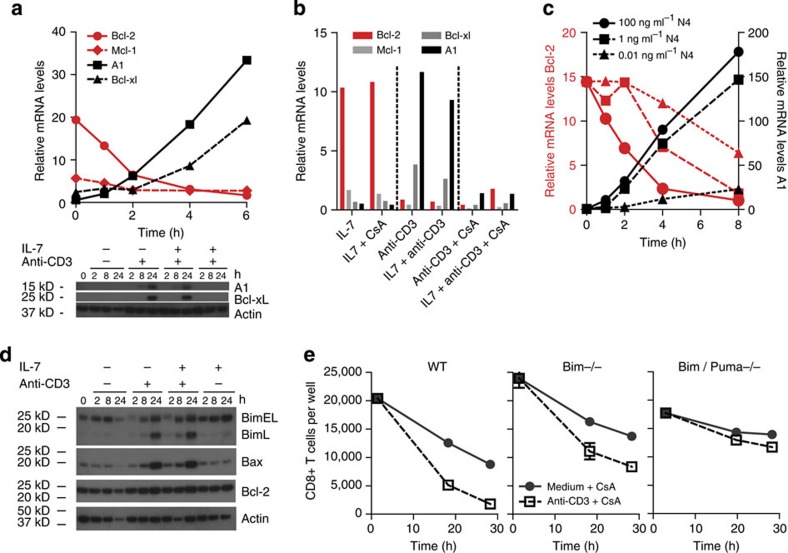
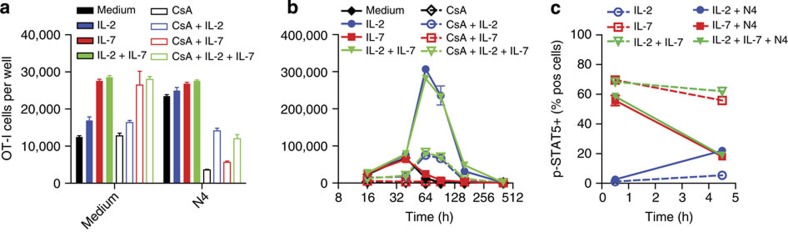
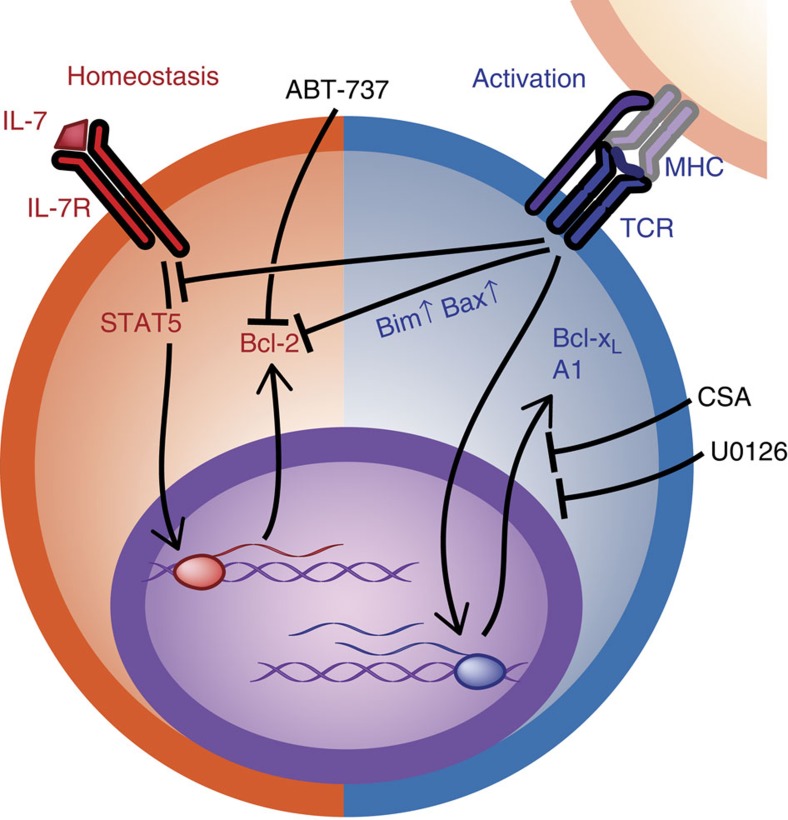
Two major processes govern T cell proliferation and survival: interleukin-7-mediated homeostasis and antigen-induced selection. How cells transit between the two states is unknown. Here we show that T cell receptor ligation actively inhibits homeostatic survival signals while initiating a new, dominant survival programme. This switch is mediated by a change in the expression of pro- and anti-apoptosis proteins through the downregulation of Bcl-2 and the induction of Bim, A1 and Bcl-xL. Calcineurin inhibitors prevent the initiation of the new survival programme, while permitting the dominant repression of Bcl-2. Thus, in the presence of these drugs the response to antigen receptor ligation is cell death. Our results identify a molecular switch that can serve as an attractive target for inducing antigen-specific tolerance in treating autoimmune disease patients and transplant recipients.
两种主要的过程控制 T 细胞的增殖和存活:白细胞介素-7 介导的动态平衡和抗原诱导的选择。细胞如何在这两种状态之间转换尚不清楚。在这里,我们表明 T 细胞受体的连接积极抑制了动态平衡的存活信号,同时启动了一个新的、主要的存活程序。这种转变是通过下调 Bcl-2 和诱导 Bim、A1 和 Bcl-xL 来改变促凋亡和抗凋亡蛋白的表达来介导的。钙调神经磷酸酶抑制剂阻止新的存活程序的启动,同时允许对 Bcl-2 的主要抑制。因此,在这些药物存在的情况下,抗原受体连接的反应是细胞死亡。我们的结果确定了一个分子开关,它可以作为一个有吸引力的靶点,用于在治疗自身免疫性疾病患者和移植受者时诱导抗原特异性耐受。