Department of Medicine, Division of Cardiovascular Disease, University of Alabama at Birmingham, Birmingham, AL 35294-0012, USA.
Nutr Res. 2013 Apr;33(4):311-21. doi: 10.1016/j.nutres.2013.02.005. Epub 2013 Mar 26.
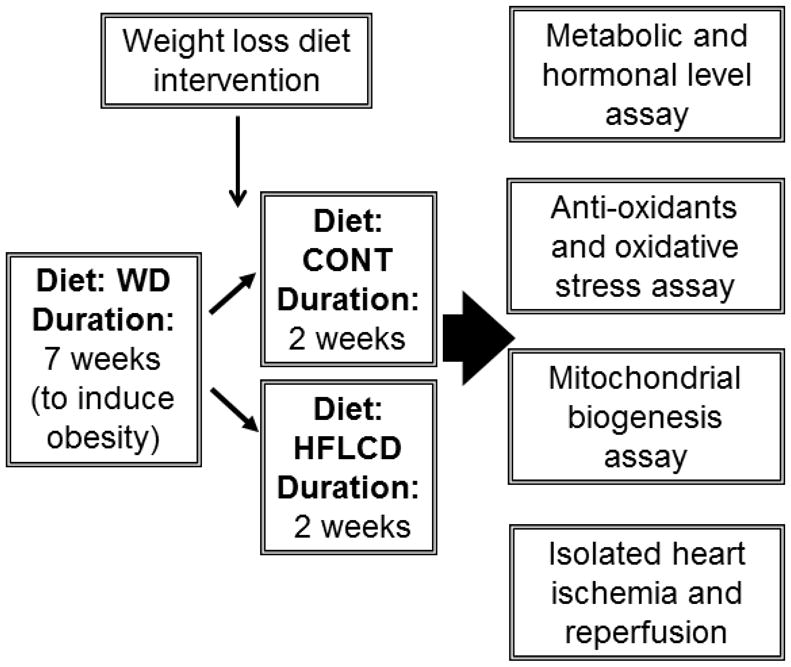
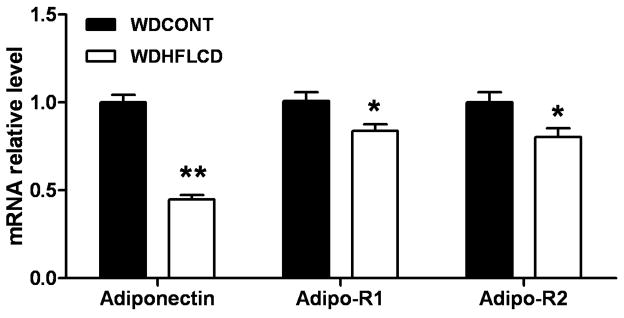
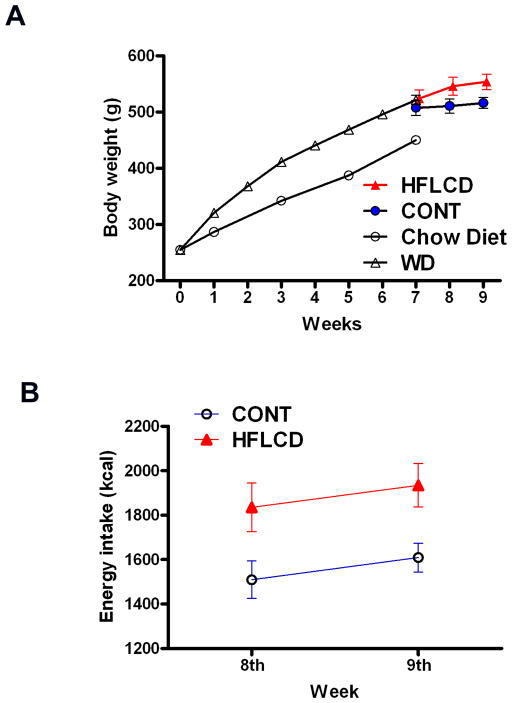
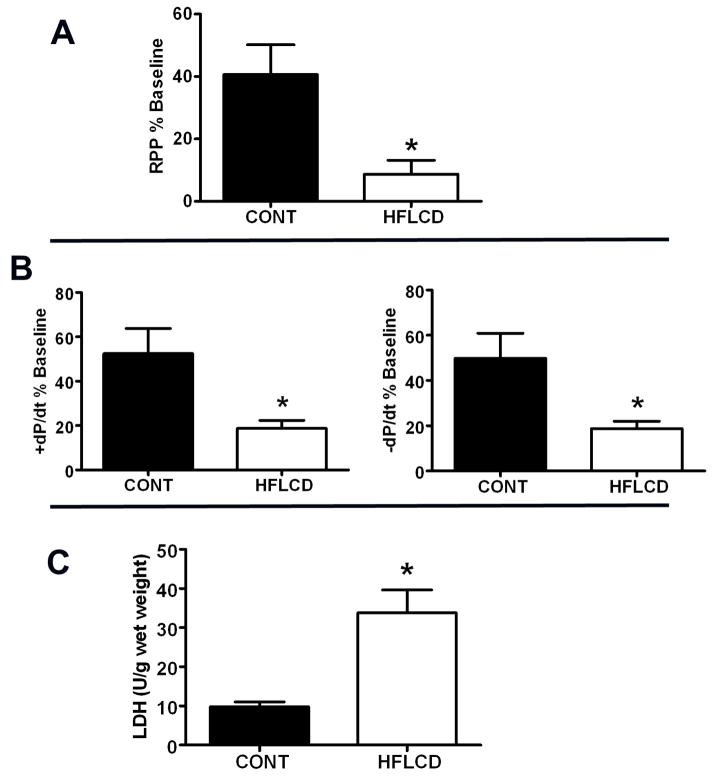
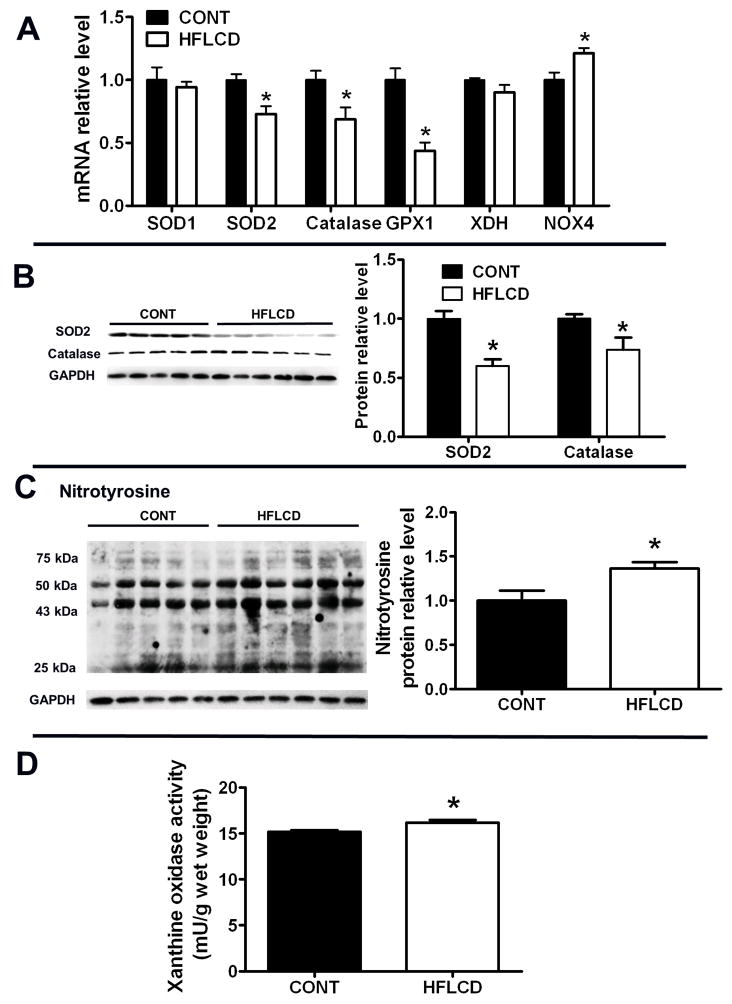
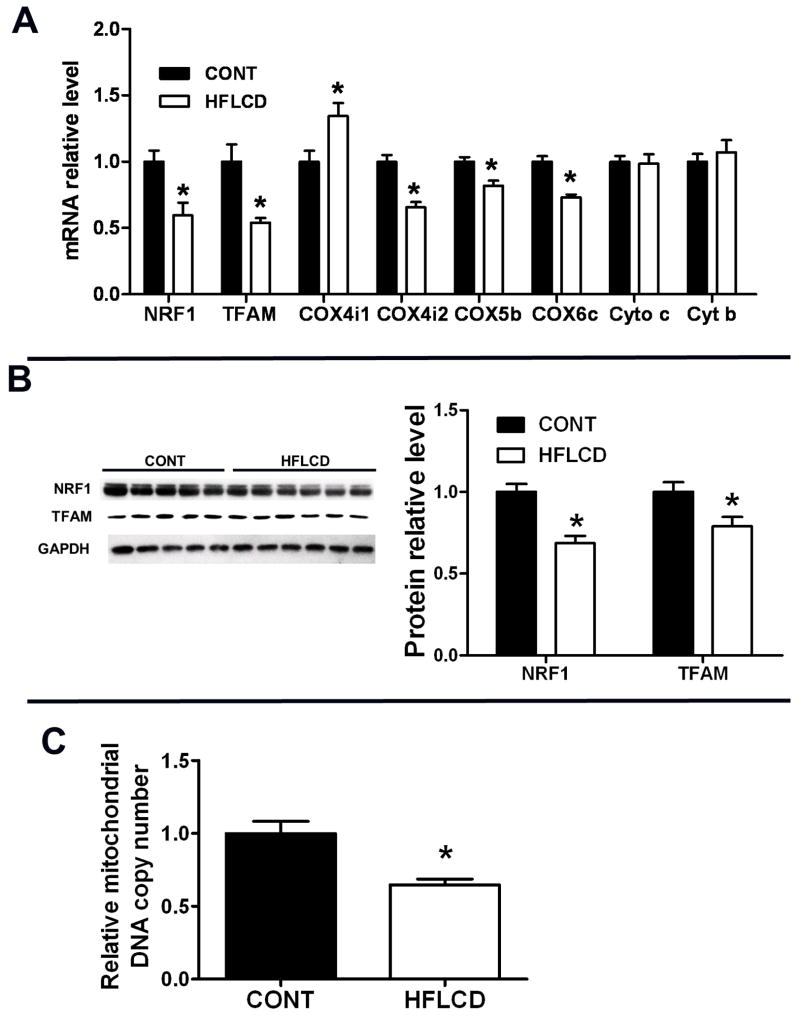
Obesity is associated with elevated risk of heart disease. A solid understanding of the safety and potential adverse effects of high-fat, low-carbohydrate diet (HFLCD) similar to that used by humans for weight loss on the heart is crucial. High fat intake is known to promote increases in reactive oxygen species and mitochondrial damage. We hypothesized that there would be adverse effects of HFLCD on myocardial ischemia/reperfusion injury through enhancing oxidative stress injury and impairing mitochondrial biogenesis in a nongenetic, diet-induced rat model of obesity. To test the hypothesis, 250-g male Sprague-Dawley rats were fed an obesity-promoting diet for 7 weeks to induce obesity, then switched to HFLCD or a low-fat control diet for 2 weeks. Isolated hearts underwent global low flow ischemia for 60 minutes and reperfusion for 60 minutes. High-fat, low-carbohydrate diet resulted in greater weight gain and lower myocardial glycogen, plasma adiponectin, and insulin. Myocardial antioxidant gene transcript and protein expression of superoxide dismutase and catalase were reduced in HFLCD, along with increased oxidative gene NADPH oxidase-4 transcript and xanthine oxidase activity, and a 37% increase in nitrated protein (nitrotyrosine) in HFLCD hearts. The cardiac expression of key mitochondrial regulatory factors such as nuclear respiratory factor-1 and transcription factor A-mitochondrial were inhibited and myocardial mitochondrial DNA copy number decreased. The cardiac expression of adiponectin and its receptors was down-regulated in HFLCD. High-fat, low-carbohydrate diet impaired recovery of left ventricular rate-pressure product after ischemia/reperfusion and led to 3.5-fold increased injury as measured by lactate dehydrogenase release. In conclusion, HFLCD leads to increased ischemic myocardial injury and impaired recovery of function after reperfusion and was associated with attenuation of mitochondrial biogenesis and enhanced oxidative stress in obese rats. These findings may have important implications for diet selection in obese patients with ischemic heart disease.
肥胖与心脏病风险增加有关。深入了解类似于人类用于减肥的高脂肪、低碳水化合物饮食(HFLCD)对心脏的安全性和潜在不良反应至关重要。众所周知,高脂肪摄入会促进活性氧和线粒体损伤的增加。我们假设,在非遗传、饮食诱导的肥胖大鼠模型中,HFLCD 会通过增强氧化应激损伤和损害线粒体生物发生来对心肌缺血/再灌注损伤产生不利影响。为了验证这一假设,将 250 克雄性 Sprague-Dawley 大鼠用促进肥胖的饮食喂养 7 周以诱导肥胖,然后切换到 HFLCD 或低脂对照饮食 2 周。分离的心脏经历 60 分钟的全血流量缺血和 60 分钟的再灌注。高脂肪、低碳水化合物饮食导致体重增加更多,心肌糖原、血浆脂联素和胰岛素水平降低。HFLCD 中抗氧化基因转录物和超氧化物歧化酶和过氧化氢酶的蛋白表达减少,氧化基因 NADPH 氧化酶-4 转录物和黄嘌呤氧化酶活性增加,HFLCD 心脏中的硝化蛋白(硝基酪氨酸)增加 37%。核呼吸因子-1 和转录因子 A-线粒体等关键线粒体调节因子的心脏表达受到抑制,心肌线粒体 DNA 拷贝数减少。HFLCD 中脂联素及其受体的心脏表达下调。高脂肪、低碳水化合物饮食损害缺血/再灌注后左心室压力-速率产物的恢复,并导致乳酸脱氢酶释放测量的损伤增加 3.5 倍。总之,HFLCD 导致缺血性心肌损伤增加和再灌注后功能恢复受损,并与肥胖大鼠中线粒体生物发生的减弱和氧化应激的增强有关。这些发现可能对患有缺血性心脏病的肥胖患者的饮食选择具有重要意义。