Department of Medical and Surgical Sciences and Biotechnologies, Sapienza University of Rome, 04100 Latina, Italy.
IRCCS Neuromed, 86077 Pozzilli, Italy.
Cells. 2022 Mar 30;11(7):1165. doi: 10.3390/cells11071165.
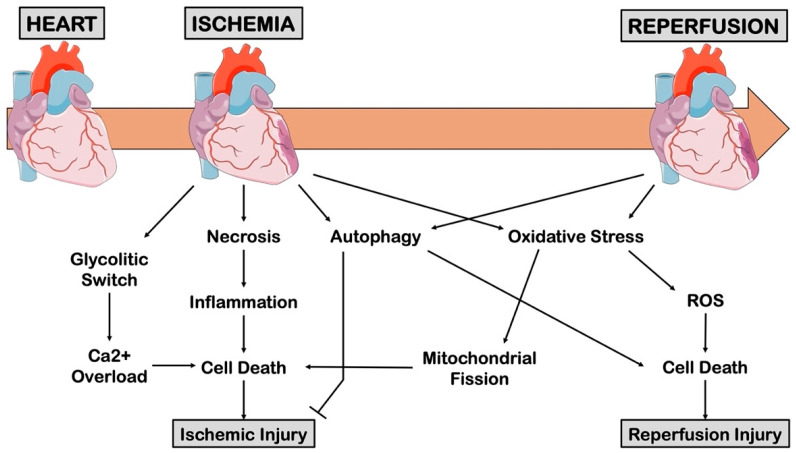
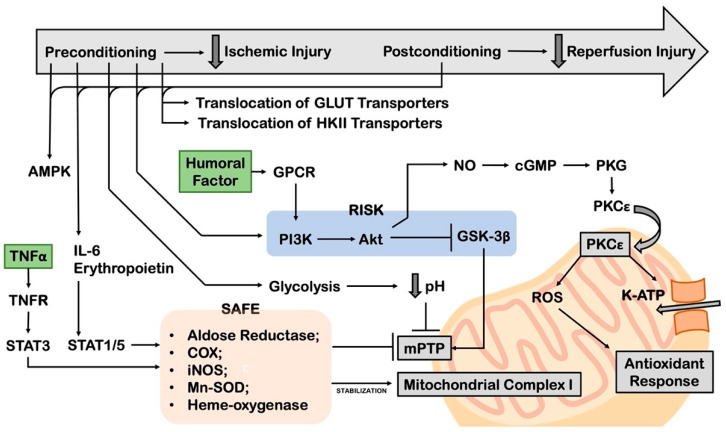
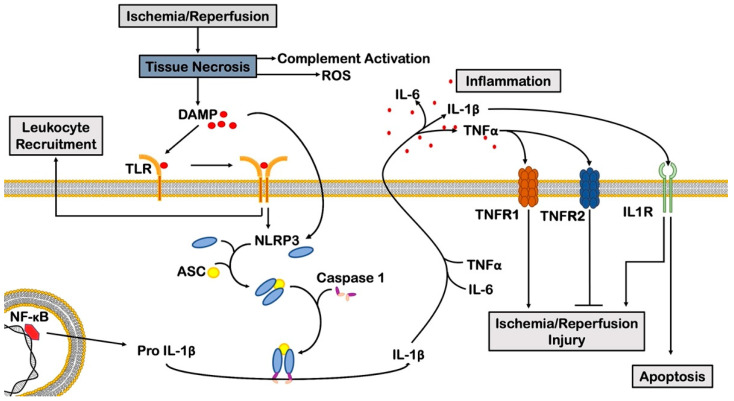
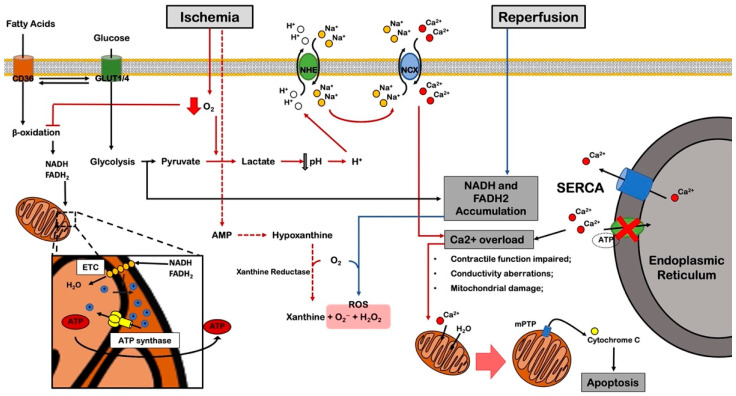
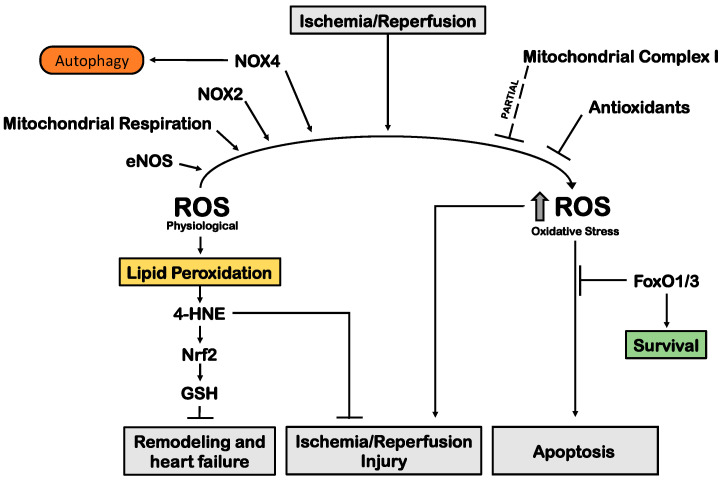
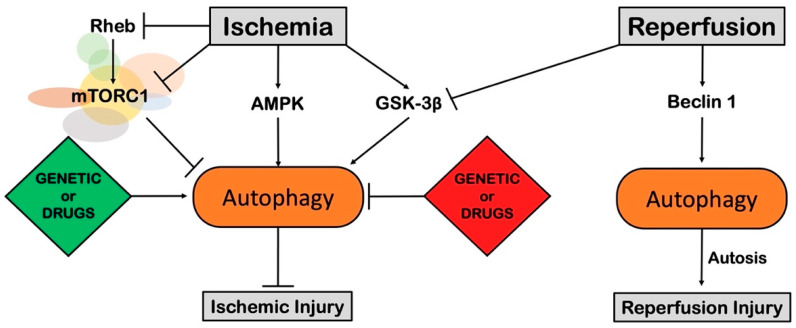
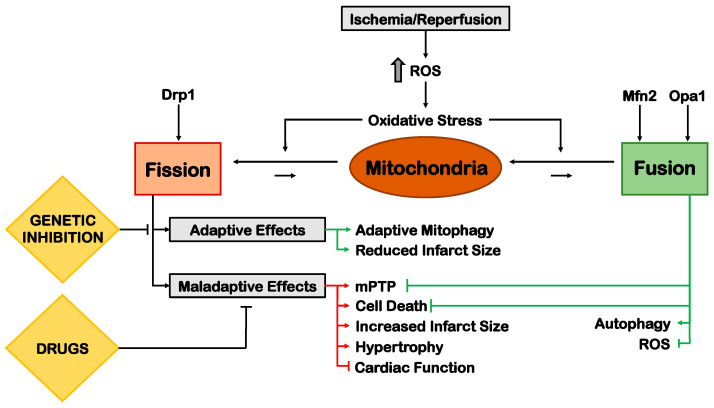
Cardiovascular disease is the leading cause of death in western countries. Among cardiovascular diseases, myocardial infarction represents a life-threatening condition predisposing to the development of heart failure. In recent decades, much effort has been invested in studying the molecular mechanisms underlying the development and progression of ischemia/reperfusion (I/R) injury and post-ischemic cardiac remodeling. These mechanisms include metabolic alterations, ROS overproduction, inflammation, autophagy deregulation and mitochondrial dysfunction. This review article discusses the most recent evidence regarding the molecular basis of myocardial ischemic injury and the new potential therapeutic interventions for boosting cardioprotection and attenuating cardiac remodeling.
心血管疾病是西方国家的主要死亡原因。在心血管疾病中,心肌梗死代表了一种危及生命的疾病,易导致心力衰竭的发生。在最近几十年中,人们投入了大量精力研究缺血/再灌注(I / R)损伤和缺血后心脏重构的分子机制。这些机制包括代谢改变、ROS 过度产生、炎症、自噬失调和线粒体功能障碍。本文综述了有关心肌缺血损伤分子基础的最新证据,以及增强心脏保护和减轻心脏重构的新的潜在治疗干预措施。