Center for Immunology and Microbial Disease, Albany Medical College, Albany, New York, United States of America.
PLoS One. 2013 Apr 17;8(4):e61539. doi: 10.1371/journal.pone.0061539. Print 2013.
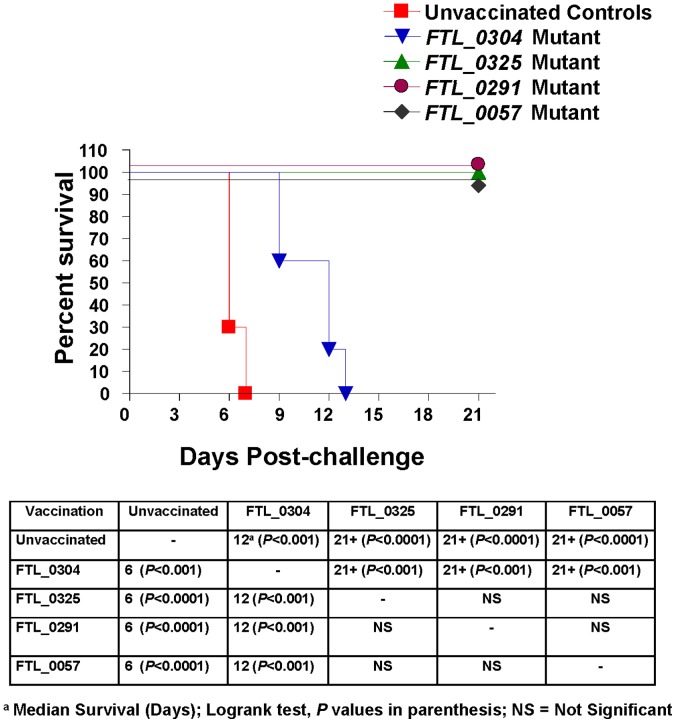
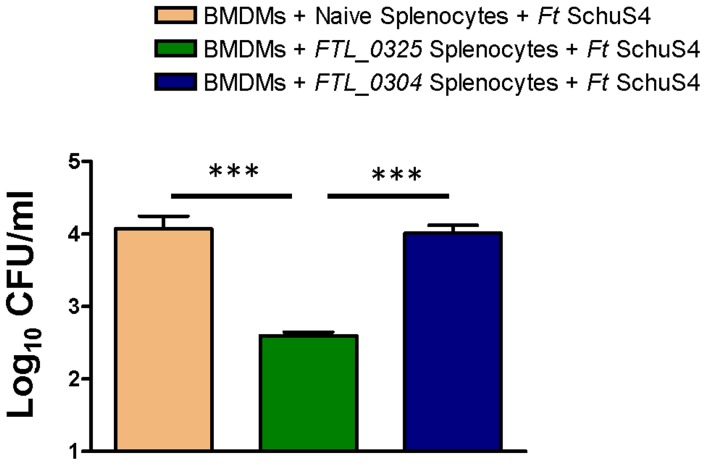
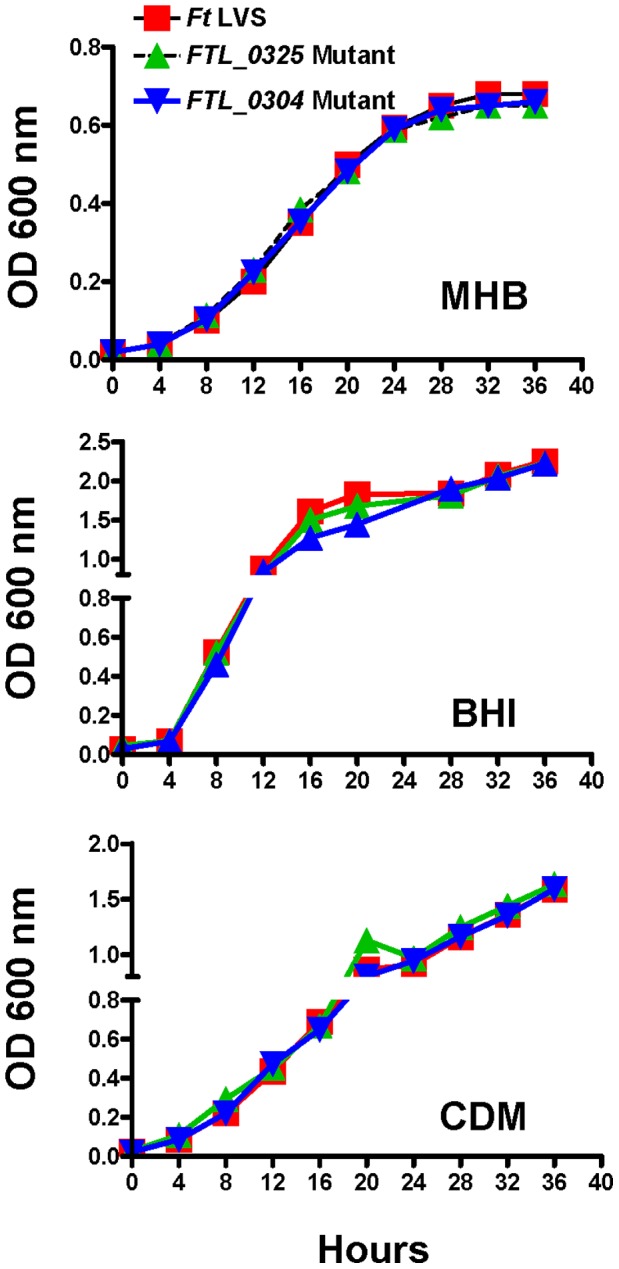
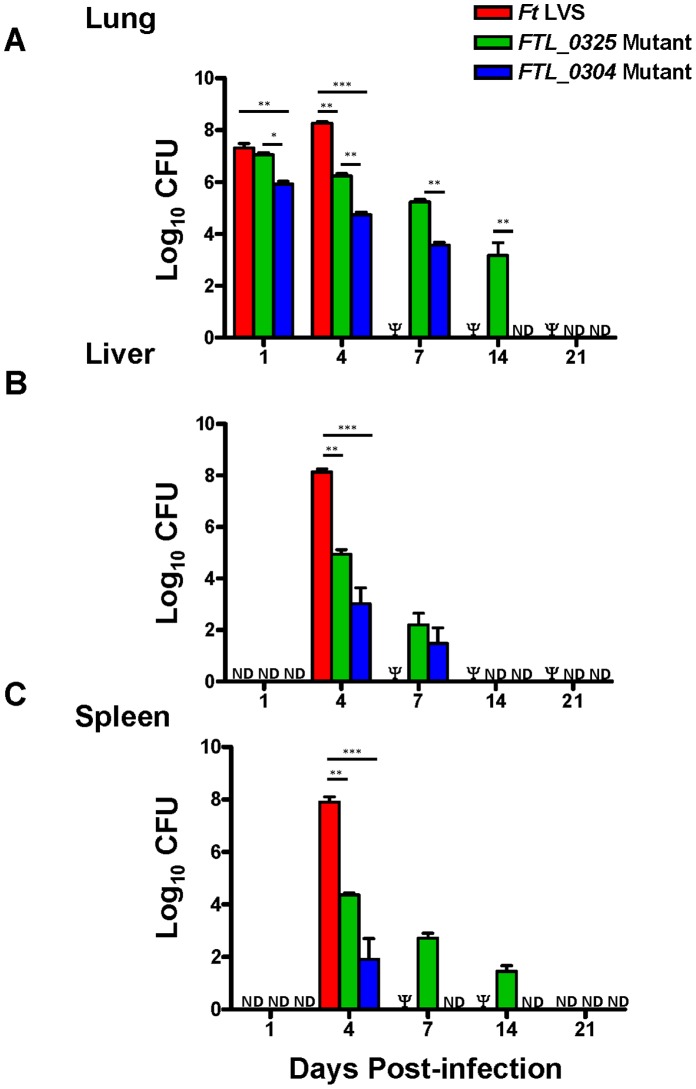
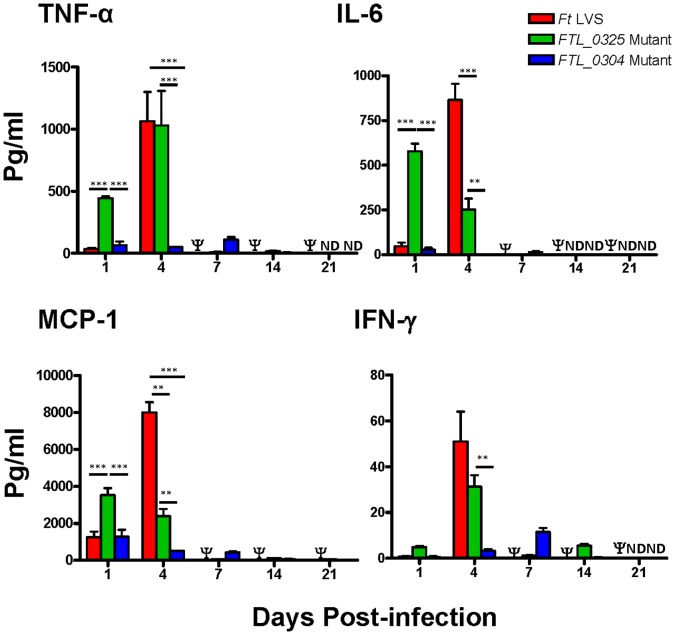
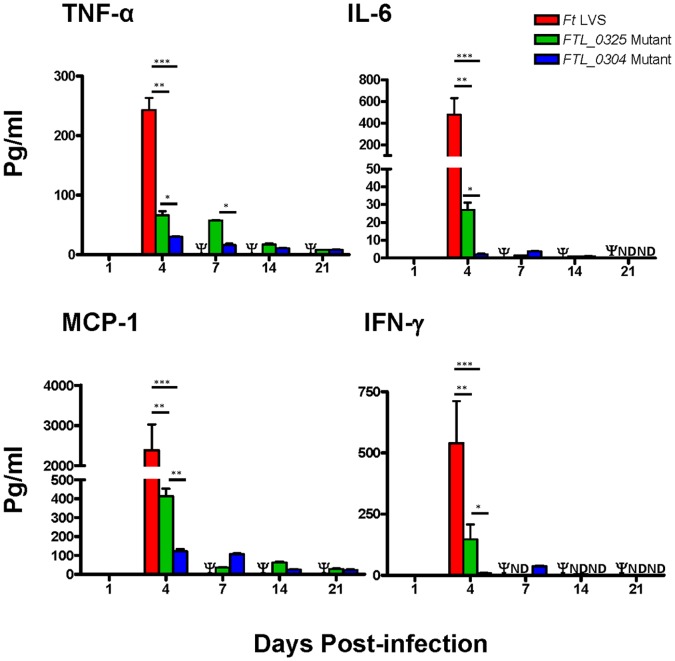
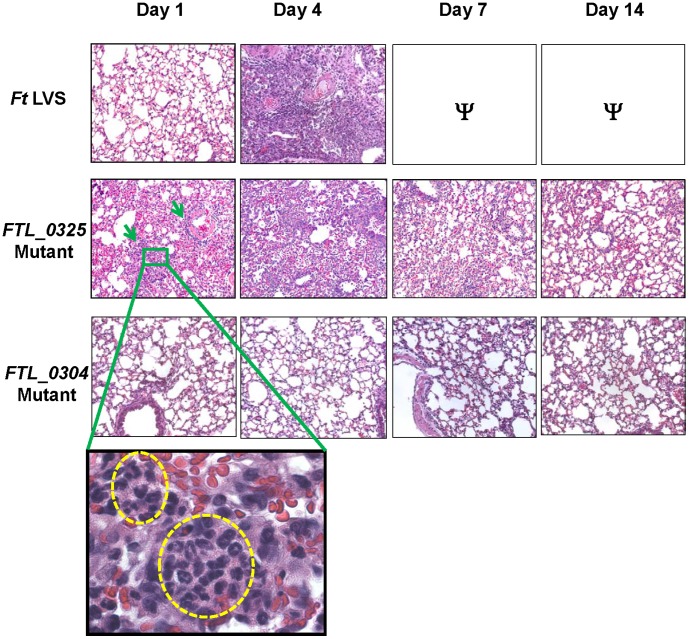
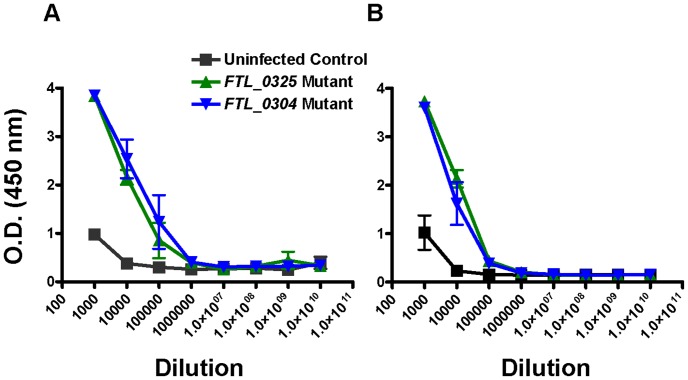
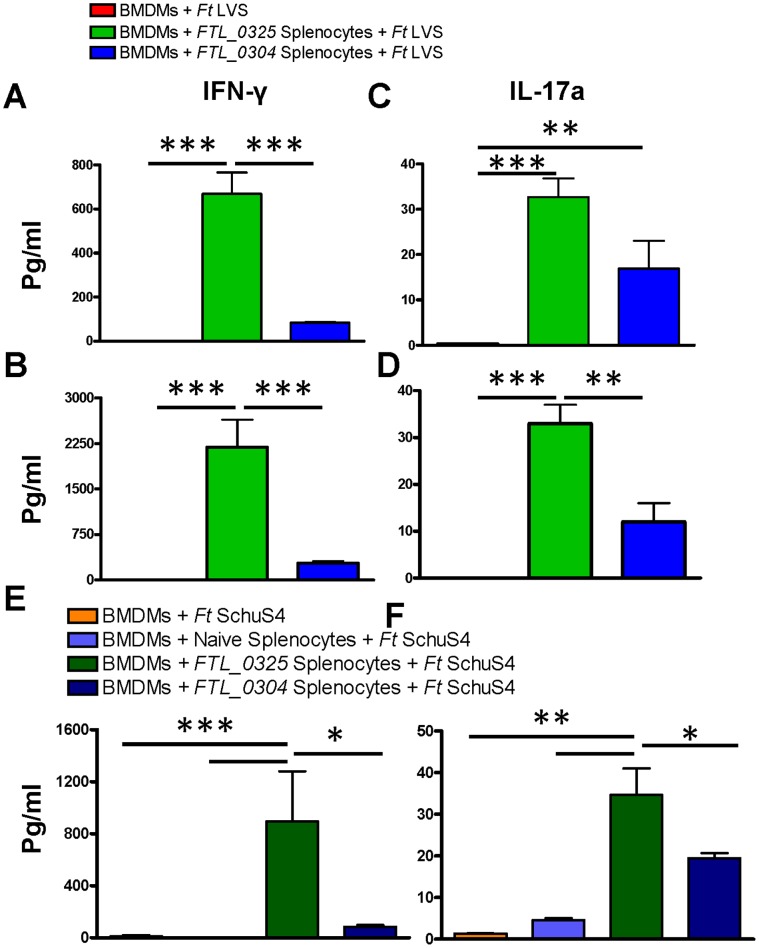
Francisella tularensis is the causative agent of a fatal human disease, tularemia. F. tularensis was used in bioweapon programs in the past and is now classified as a category A select agent owing to its possible use in bioterror attacks. Despite over a century since its discovery, an effective vaccine is yet to be developed. In this study four transposon insertion mutants of F. tularensis live vaccine strain (LVS) in Na/H antiporter (FTL_0304), aromatic amino acid transporter (FTL_0291), outer membrane protein A (OmpA)-like family protein (FTL_0325) and a conserved hypothetical membrane protein gene (FTL_0057) were evaluated for their attenuation and protective efficacy against F. tularensis SchuS4 strain. All four mutants were 100-1000 fold attenuated for virulence in mice than parental F. tularensis. Except for the FTL_0304, single intranasal immunization with the other three mutants provided 100% protection in BALB/c mice against intranasal challenge with virulent F. tularensis SchuS4. Differences in the protective ability of the FTL_0325 and FTL_0304 mutant which failed to provide protection against SchuS4 were investigated further. The results indicated that an early pro-inflammatory response and persistence in host tissues established a protective immunity against F. tularensis SchuS4 in the FTL_0325 immunized mice. No differences were observed in the levels of serum IgG antibodies amongst the two vaccinated groups. Recall response studies demonstrated that splenocytes from the FTL_0325 mutant immunized mice induced significantly higher levels of IFN-γ and IL-17 cytokines than the FTL_0304 immunized counterparts indicating development of an effective memory response. Collectively, this study demonstrates that persistence of the vaccine strain together with its ability to induce an early pro-inflammatory innate immune response and strong memory responses can discriminate between successful and failed vaccinations against tularemia. This study describes a live attenuated vaccine which may prove to be an ideal vaccine candidate for prevention of respiratory tularemia.
弗朗西斯菌是一种致命的人类疾病——兔热病的病原体。过去,弗朗西斯菌曾被用于生物武器计划,由于其可能被用于生物恐怖袭击,现在被归为 A 类选择剂。尽管自发现以来已经过去了一个多世纪,但仍未开发出有效的疫苗。在这项研究中,我们评估了弗朗西斯菌活疫苗株(LVS)中的四个转座子插入突变体在钠离子/氢离子反向转运蛋白(FTL_0304)、芳香族氨基酸转运蛋白(FTL_0291)、外膜蛋白 A(OmpA)样家族蛋白(FTL_0325)和保守的假设膜蛋白基因(FTL_0057)中的减毒和保护效力,以对抗兔热沙苏斯 4 株。与亲本弗朗西斯菌相比,这四个突变体在小鼠中的毒力均降低了 100-1000 倍。除了 FTL_0304,其他三个突变体单次鼻腔免疫均可在 BALB/c 小鼠中提供 100%的保护,防止鼻内接种强毒弗朗西斯菌沙苏斯 4 株。进一步研究了 FTL_0325 和 FTL_0304 突变体不能提供对沙苏斯 4 株保护的保护能力差异。结果表明,在 FTL_0325 免疫的小鼠中,早期的促炎反应和在宿主组织中的持续存在建立了对兔热沙苏斯 4 株的保护性免疫。在两个接种组之间,血清 IgG 抗体水平没有差异。回忆反应研究表明,FTL_0325 突变体免疫的小鼠脾细胞诱导的 IFN-γ和 IL-17 细胞因子水平明显高于 FTL_0304 免疫的对照,表明形成了有效的记忆反应。总的来说,这项研究表明,疫苗株的持续存在及其诱导早期促炎固有免疫反应和强烈记忆反应的能力,可以区分对兔热病成功和失败的疫苗接种。这项研究描述了一种活减毒疫苗,它可能成为预防呼吸道兔热病的理想候选疫苗。