Suresh Ragavan V, Bradley Elizabeth W, Higgs Matthew, Russo Vincenzo C, Alqahtani Maha, Huang Wiehua, Bakshi Chandra Shekhar, Malik Meenakshi
Department of Pathology, Microbiology and Immunology, New York Medical College, Valhalla, NY, United States.
Department of Basic and Clinical Sciences, Albany College of Pharmacy and Health Sciences, Albany, NY, United States.
Front Microbiol. 2021 Oct 6;12:725572. doi: 10.3389/fmicb.2021.725572. eCollection 2021.
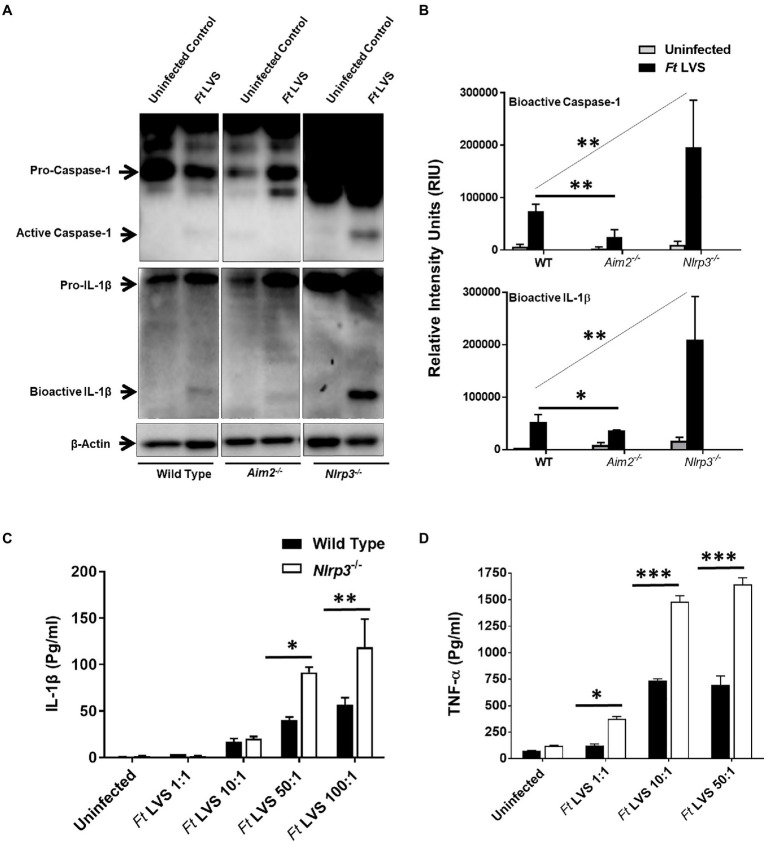
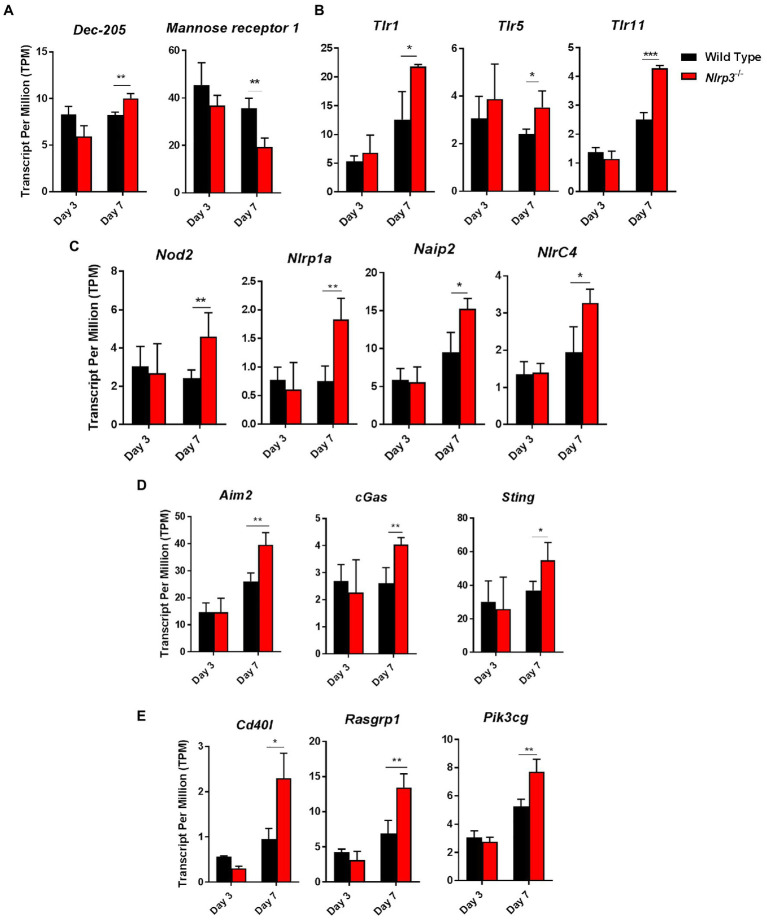
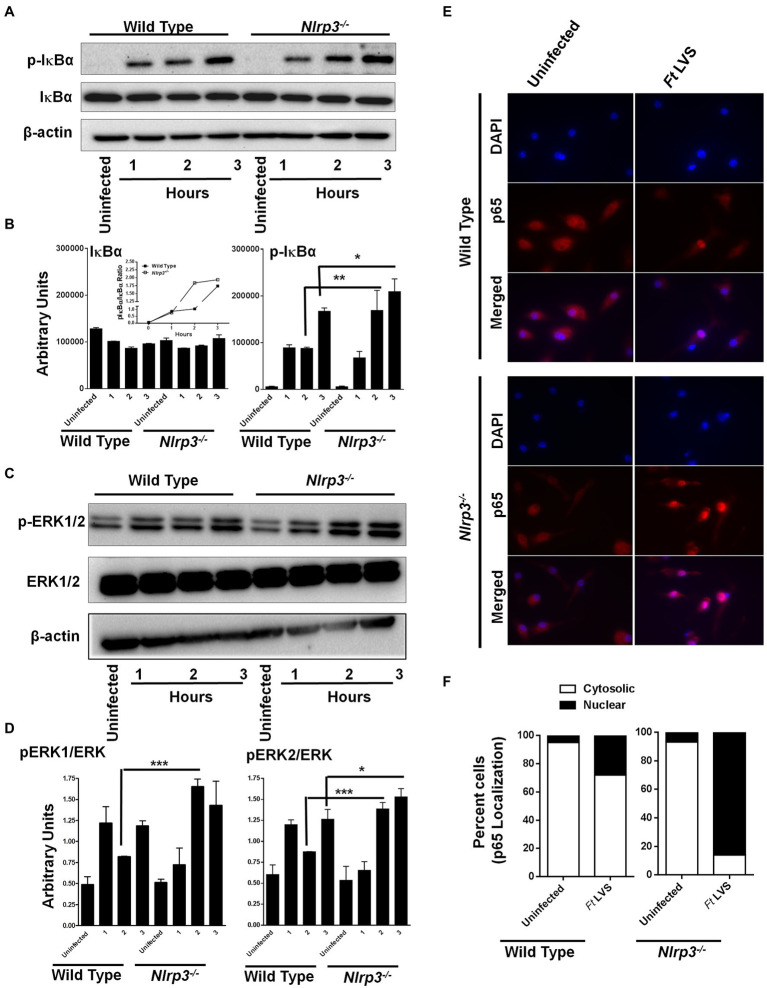
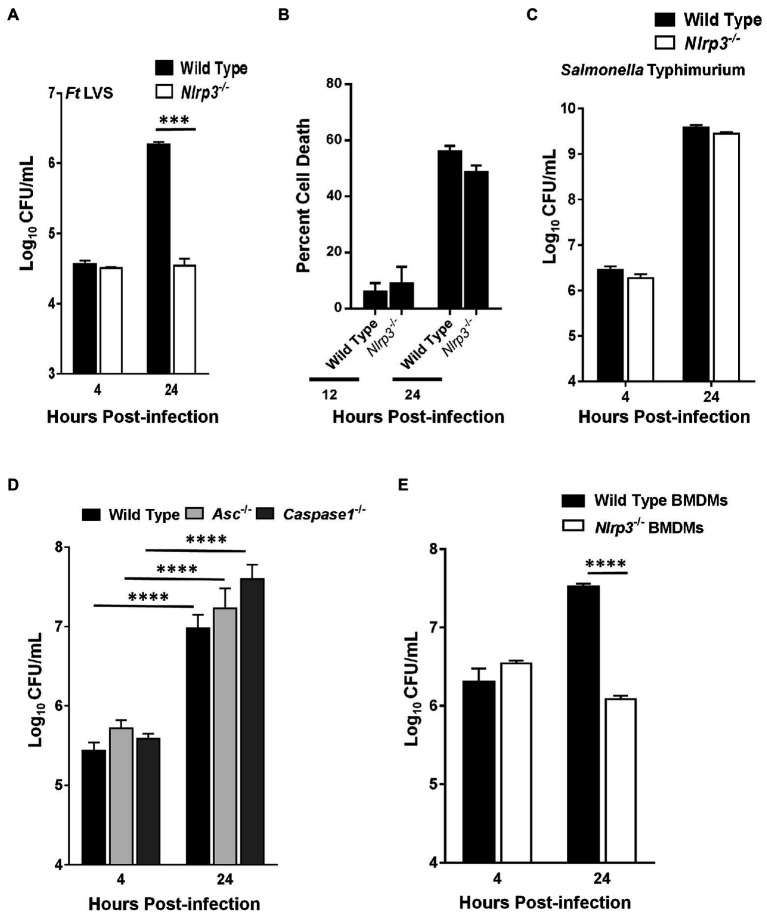
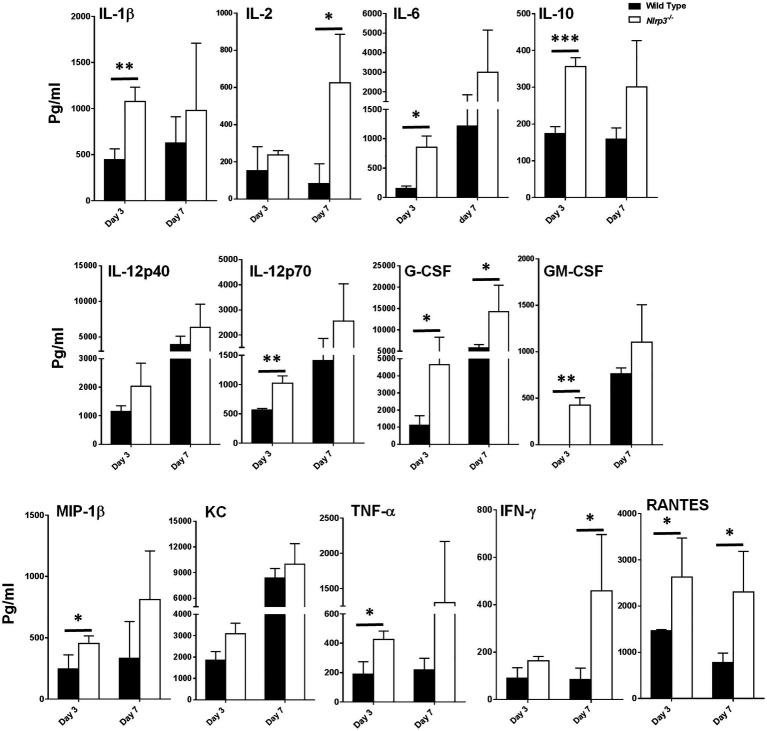
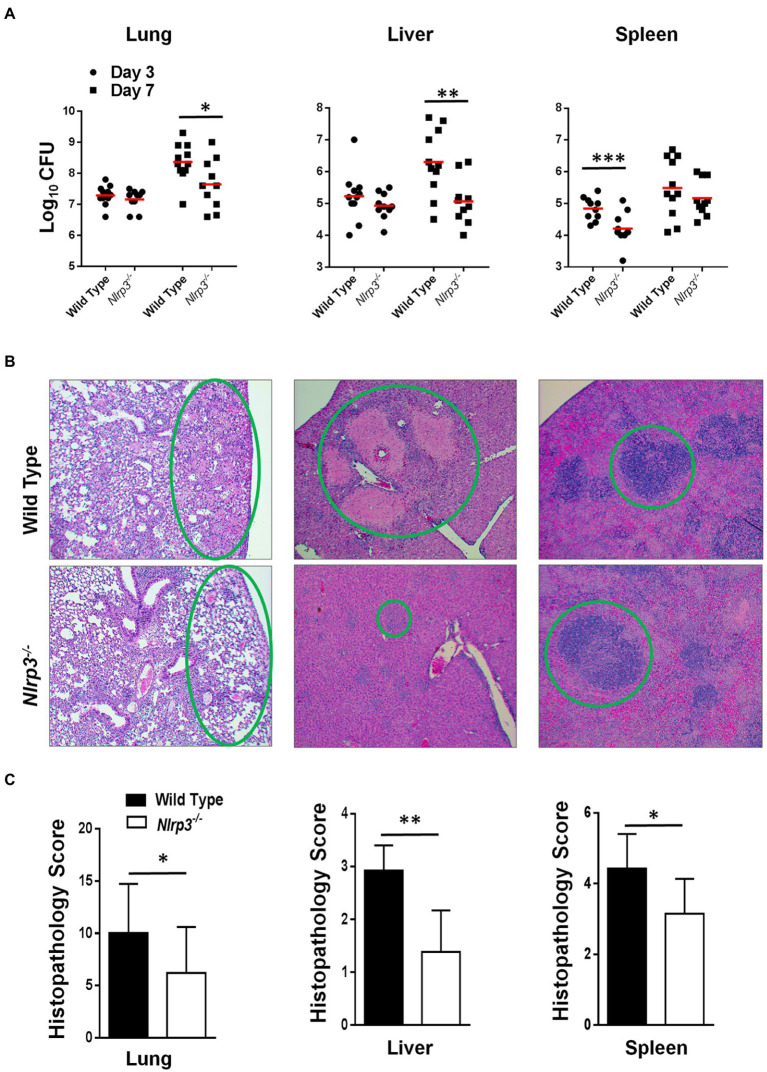
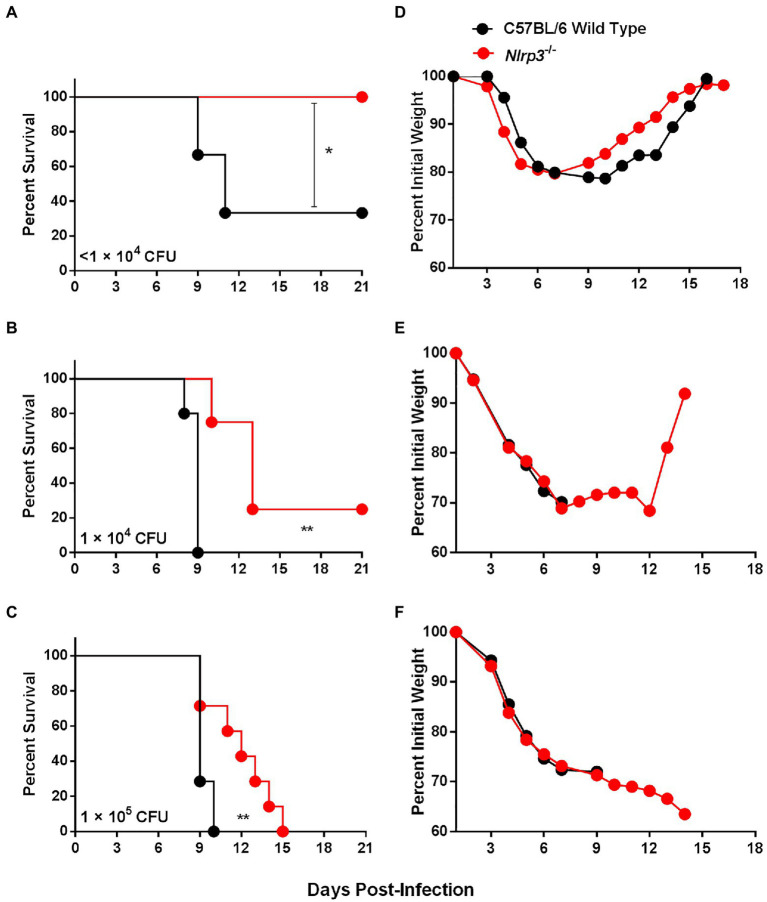
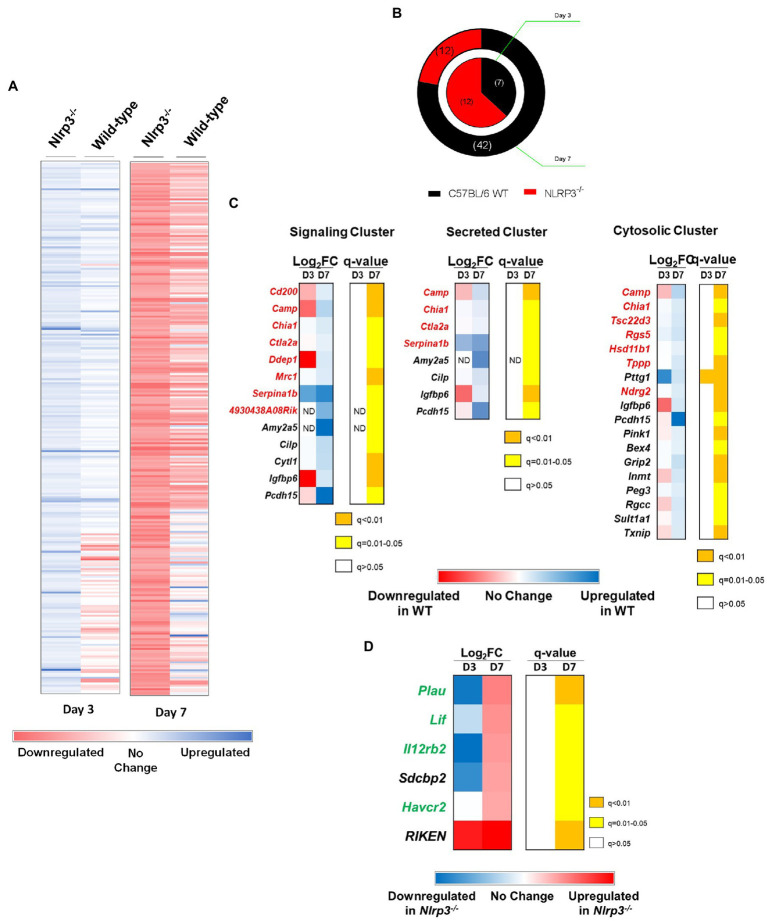
() is a Gram-negative, intracellular bacterium and the causative agent of a fatal human disease known as tularemia. The CDC has classified as a Tier 1 Category A select agent based on its ease of aerosolization, low infectious dose, past use as a bioweapon, and the potential to be used as a bioterror agent. has a unique replication cycle. Upon its uptake, remains in the phagosomes for a short period and then escapes into the cytosol, where the replication occurs. is recognized by cytosolic pattern recognition receptors, Absent In Melanoma 2 (Aim2) and acht R and YD domains containing Protein (Nlrp3). The recognition of ligands by Aim2 and Nlrp3 triggers the assembly and activation of the inflammasome. The mechanism of activation of Aim2 is well established; however, how Nlrp3 inflammasome is activated in response to infection is not known. Unlike Aim2, the protective role of Nlrp3 against infection is not fully established. This study investigated the role of Nlrp3 and the potential mechanisms through which Nlrp3 exerts its detrimental effects on the host in response to infection. The results from studies demonstrate that Nlrp3 dampens NF-κB and MAPK signaling, and pro-inflammatory cytokine production, which allows replication of in infected macrophages. , Nlrp3 deficiency results in differential expression of several genes required to induce a protective immune response against respiratory tularemia. Nlrp3-deficient mice mount a stronger innate immune response, clear bacteria efficiently with minimal organ damage, and are more resistant to infection than their wild-type counterparts. Together, these results demonstrate that Nlrp3 enhances the host's susceptibility to by modulating the protective innate immune responses. Collectively, this study advances our understanding of the detrimental role of Nlrp3 in tularemia pathogenesis.
(某细菌名称)是一种革兰氏阴性细胞内细菌,是一种名为兔热病的致命人类疾病的病原体。美国疾病控制与预防中心(CDC)根据其易于气溶胶化、低感染剂量、过去作为生物武器的使用情况以及用作生物恐怖剂的可能性,将其列为一级A类选择生物制剂。(该细菌)具有独特的复制周期。被摄取后,(该细菌)在吞噬体中停留较短时间,然后逃逸到胞质溶胶中进行复制。(该细菌)被胞质模式识别受体黑色素瘤缺失2(Aim2)和含 acht R和YD结构域的蛋白质(Nlrp3)识别。Aim2和Nlrp3对(该细菌)配体的识别触发炎性小体的组装和激活。Aim2的激活机制已得到充分证实;然而,Nlrp3炎性小体如何响应(该细菌)感染而被激活尚不清楚。与Aim2不同,Nlrp3对(该细菌)感染的保护作用尚未完全明确。本研究调查了Nlrp3的作用以及Nlrp3在响应(该细菌)感染时对宿主产生有害影响的潜在机制。(相关)研究结果表明,Nlrp3会抑制NF-κB和MAPK信号传导以及促炎细胞因子的产生,这使得(该细菌)能够在受感染的巨噬细胞中复制。此外,Nlrp3缺陷导致诱导针对呼吸道兔热病的保护性免疫反应所需的几个基因的差异表达。Nlrp3缺陷小鼠产生更强的先天免疫反应,能以最小的器官损伤有效清除细菌,并且比野生型小鼠对(该细菌)感染更具抵抗力。总之,这些结果表明,Nlrp3通过调节保护性先天免疫反应增强了宿主对(该细菌)的易感性。总体而言,本研究推进了我们对Nlrp3在兔热病发病机制中有害作用的理解。