Molecular Pharmacology and Chemistry Program, Memorial Sloan-Kettering Cancer Center , 1275 York Avenue, New York, New York 10065, United States.
Biochemistry. 2013 May 14;52(19):3197-216. doi: 10.1021/bi400377p. Epub 2013 May 2.
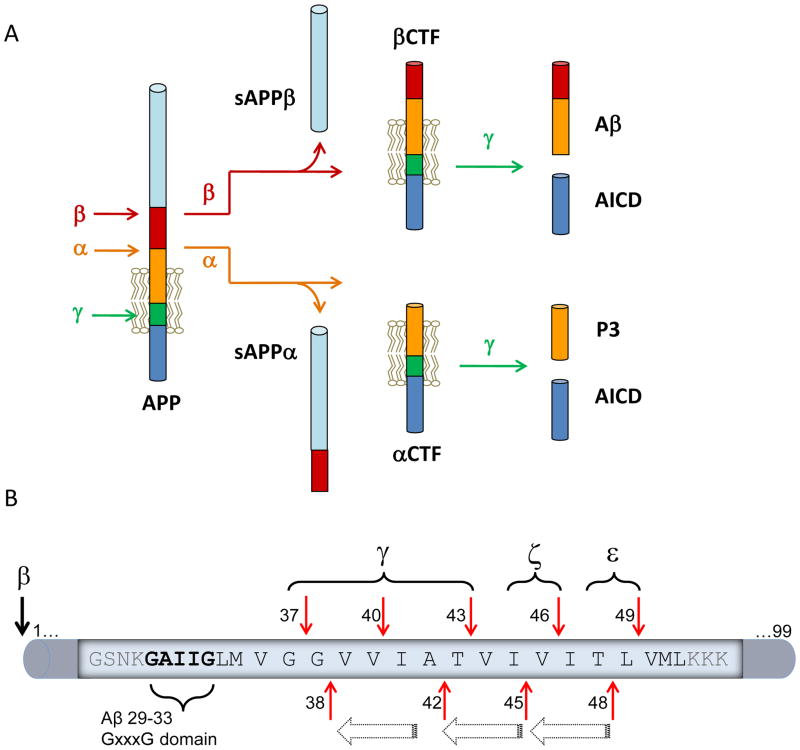
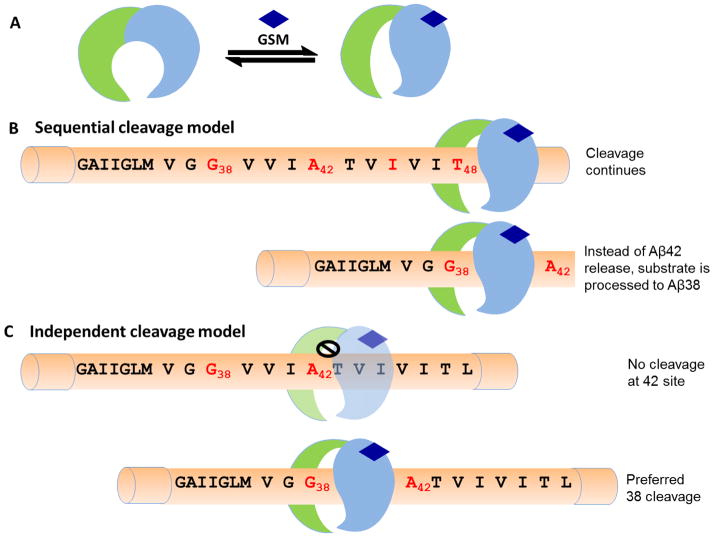
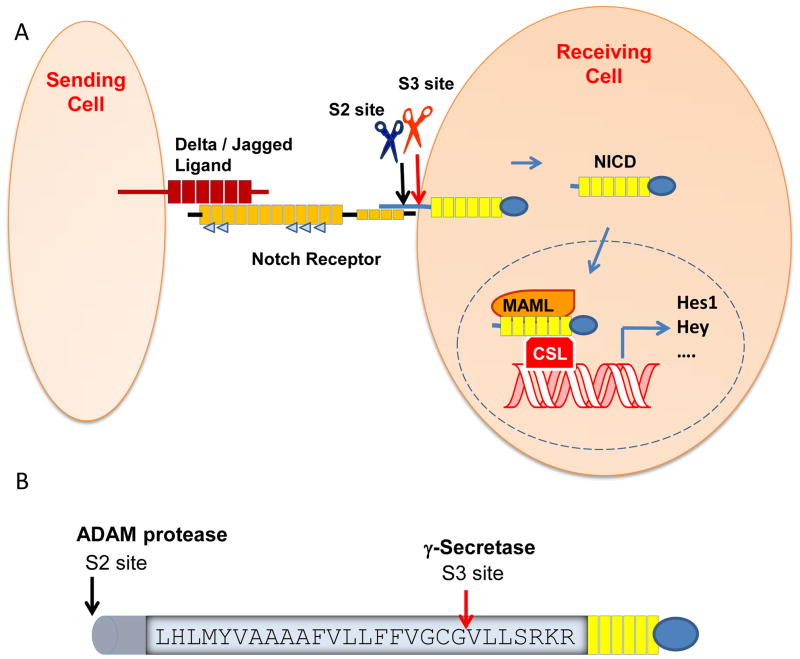
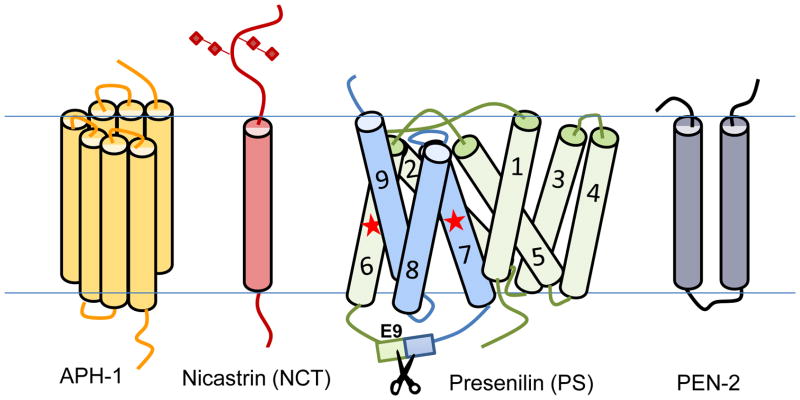
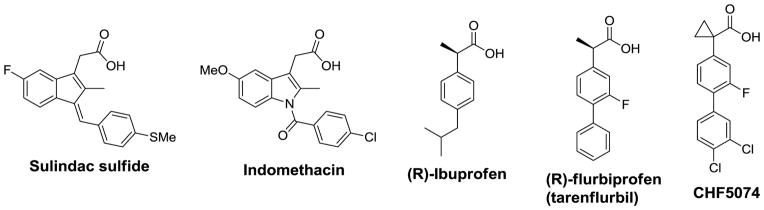
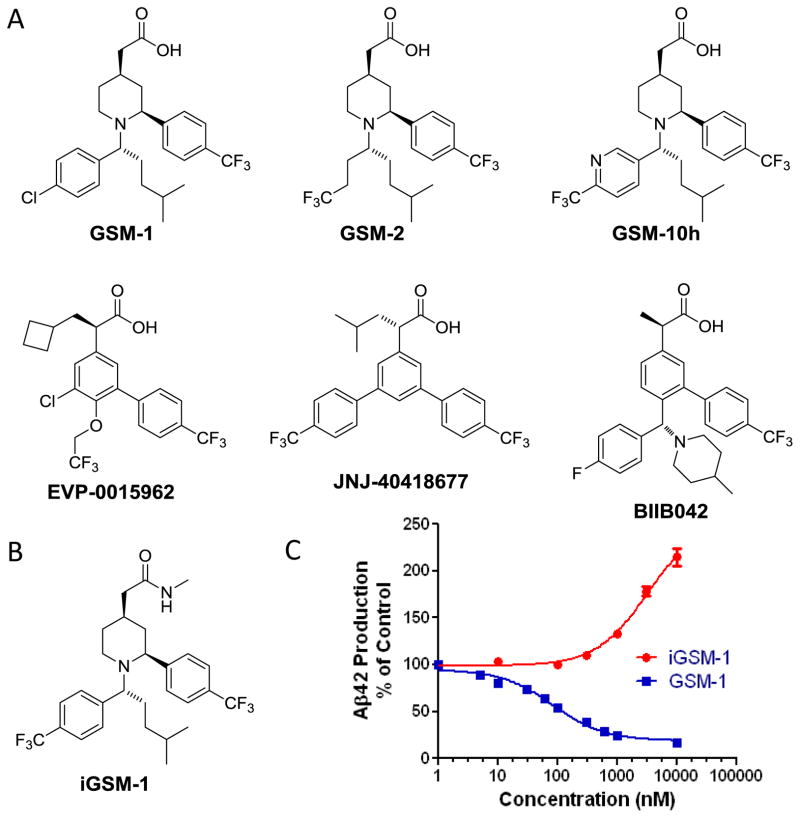
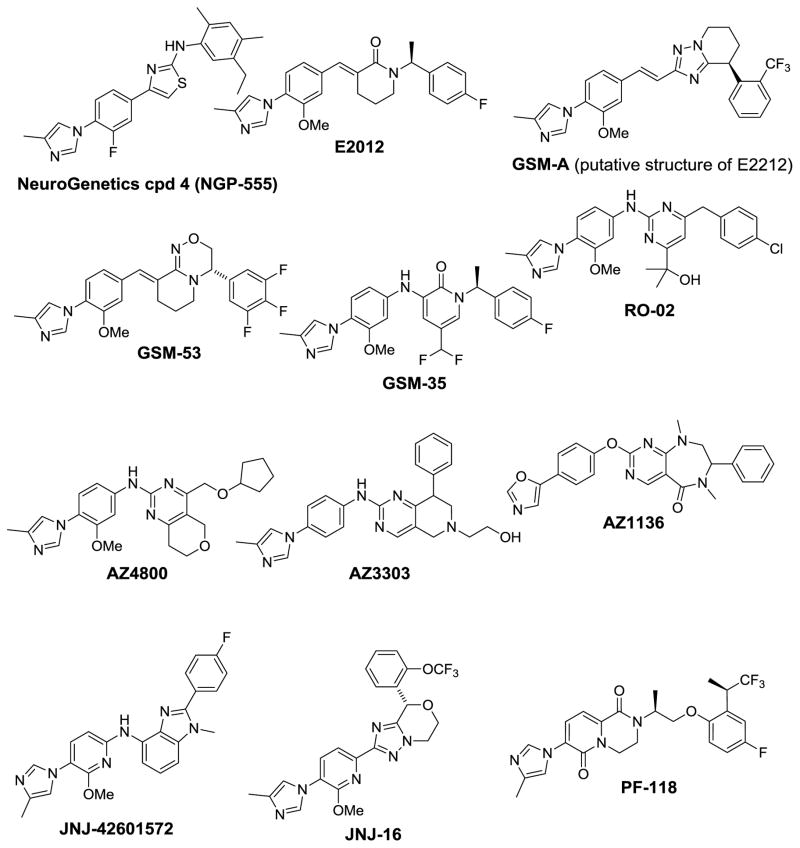
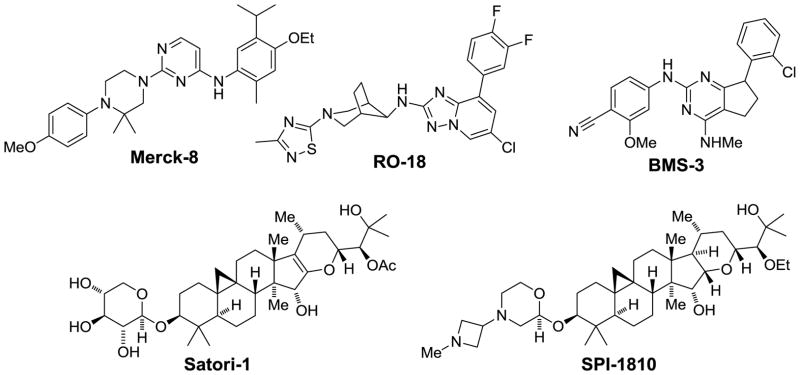
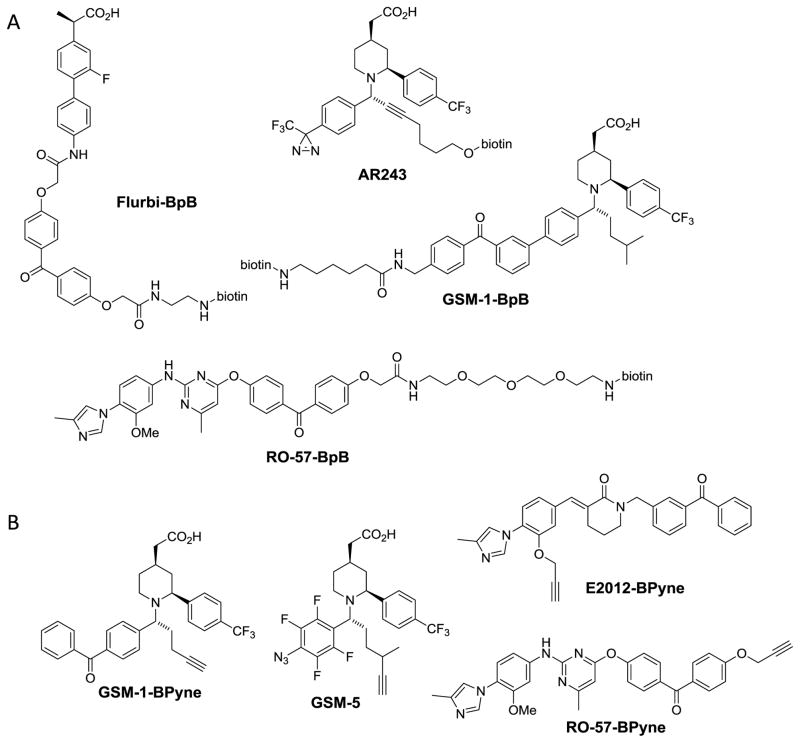
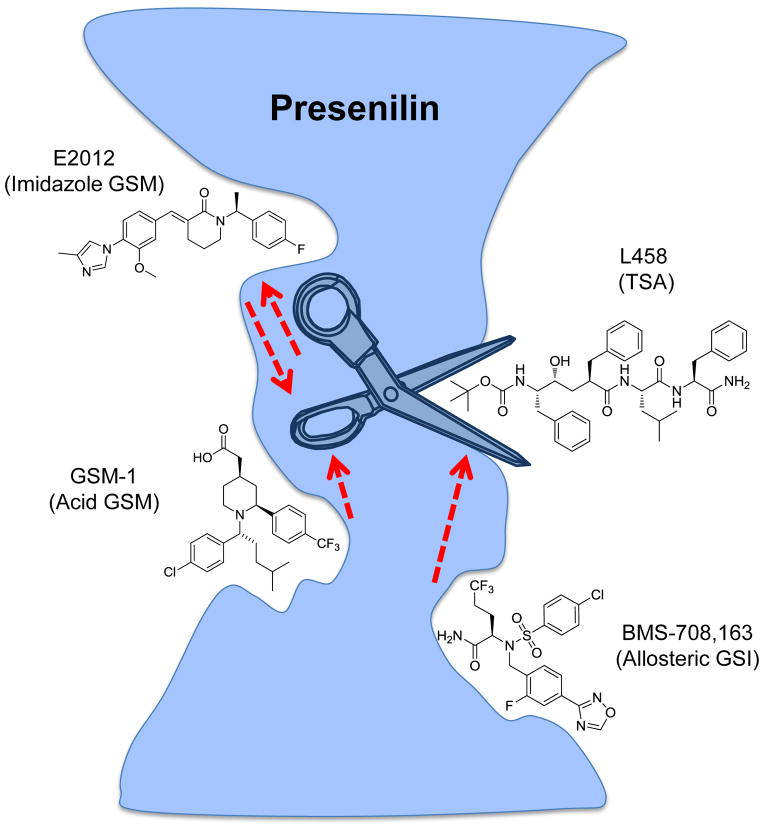
γ-Secretase is an aspartyl intramembranal protease composed of presenilin, Nicastrin, Aph1, and Pen2 with 19 transmembrane domains. γ-Secretase cleaves the amyloid precursor proteins (APP) to release Aβ peptides that likely play a causative role in the pathogenesis of Alzheimer's disease (AD). In addition, γ-secretase cleaves Notch and other type I membrane proteins. γ-Secretase inhibitors (GSIs) have been developed and used for clinical studies. However, clinical trials have shown adverse effects of GSIs that are potentially linked with nondiscriminatory inhibition of Notch signaling, overall APP processing, and other substrate cleavages. Therefore, these findings call for the development of disease-modifying agents that target γ-secretase activity to lower levels of Aβ42 production without blocking the overall processing of γ-secretase substrates. γ-Secretase modulators (GSMs) originally derived from nonsteroidal anti-inflammatory drugs (NSAIDs) display such characteristics and are the focus of this review. However, first-generation GSMs have limited potential because of the low potency and undesired neuropharmacokinetic properties. This generation of GSMs has been suggested to interact with the APP substrate, γ-secretase, or both. To improve the potency and brain availability, second-generation GSMs, including NSAID-derived carboxylic acid and non-NSAID-derived heterocyclic chemotypes, as well as natural product-derived GSMs have been developed. Animal studies of this generation of GSMs have shown encouraging preclinical profiles. Moreover, using potent GSM photoaffinity probes, multiple studies unambiguously have showed that both carboxylic acid and heterocyclic GSMs specifically target presenilin, the catalytic subunit of γ-secretase. In addition, two types of GSMs have distinct binding sites within the γ-secretase complex and exhibit different Aβ profiles. GSMs induce a conformational change of γ-secretase to achieve modulation. Various models are proposed and discussed. Despite the progress of GSM research, many outstanding issues remain to be investigated to achieve the ultimate goal of developing GSMs as effective AD therapies.
γ-分泌酶是一种天冬氨酸跨膜蛋白酶,由早老素、尼卡斯特林、 Aph1 和 Pen2 组成,具有 19 个跨膜结构域。γ-分泌酶切割淀粉样前体蛋白 (APP) 以释放 Aβ 肽,这些肽可能在阿尔茨海默病 (AD) 的发病机制中起因果作用。此外,γ-分泌酶还切割 Notch 和其他 I 型膜蛋白。已经开发出γ-分泌酶抑制剂 (GSIs) 并用于临床研究。然而,临床试验显示 GSI 的不良反应可能与 Notch 信号的非选择性抑制、APP 的整体加工以及其他底物的切割有关。因此,这些发现呼吁开发针对 γ-分泌酶活性的疾病修饰剂,以降低 Aβ42 产生的水平,而不阻断 γ-分泌酶底物的整体加工。γ-分泌酶调节剂 (GSMs) 最初源自非甾体抗炎药 (NSAIDs),具有这种特性,是本综述的重点。然而,由于效力低和不理想的神经药理学特性,第一代 GSMs 的潜力有限。这一代的 GSMs 被认为与 APP 底物、γ-分泌酶或两者相互作用。为了提高效力和脑可用性,已经开发了第二代 GSMs,包括 NSAID 衍生的羧酸和非 NSAID 衍生的杂环化学型,以及天然产物衍生的 GSMs。这一代 GSMs 的动物研究显示出令人鼓舞的临床前特征。此外,使用有效的 GSM 光亲和探针,多项研究明确表明,羧酸和杂环 GSMs 都特异性地靶向 γ-分泌酶的催化亚基早老素。此外,两种类型的 GSMs 在 γ-分泌酶复合物中有不同的结合位点,并表现出不同的 Aβ 谱。GSMs 通过诱导 γ-分泌酶构象变化来实现调节。提出并讨论了各种模型。尽管 GSM 研究取得了进展,但仍有许多悬而未决的问题需要研究,以实现将 GSMs 开发为有效 AD 治疗方法的最终目标。