Department of Plant Sciences, University of Tennessee, Knoxville, TN 37996, USA.
BMC Biotechnol. 2013 Apr 23;13:36. doi: 10.1186/1472-6750-13-36.
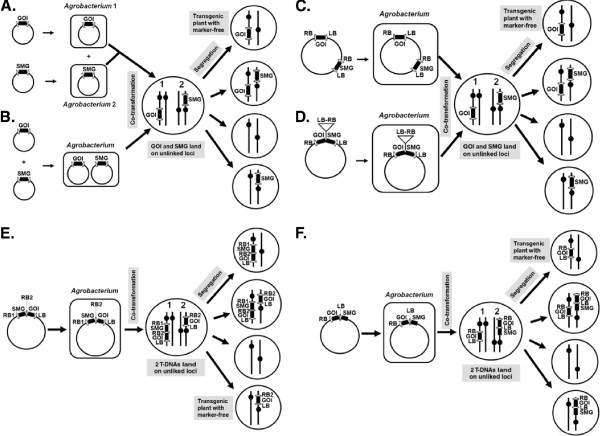
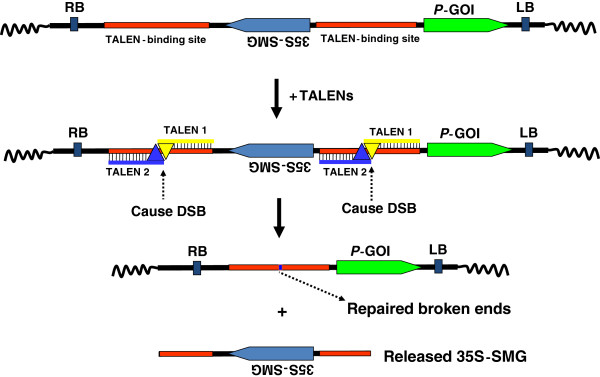
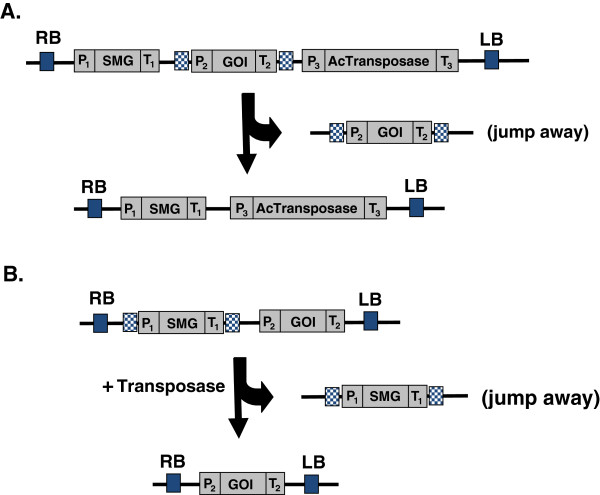
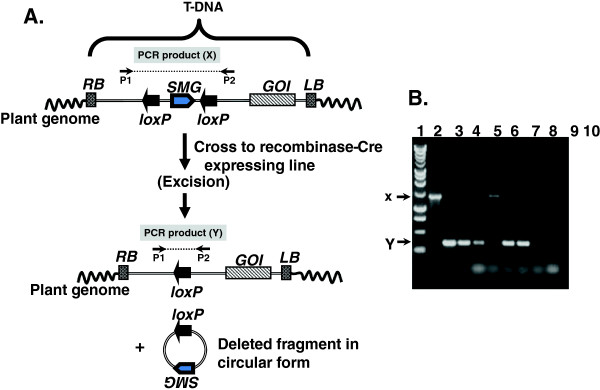
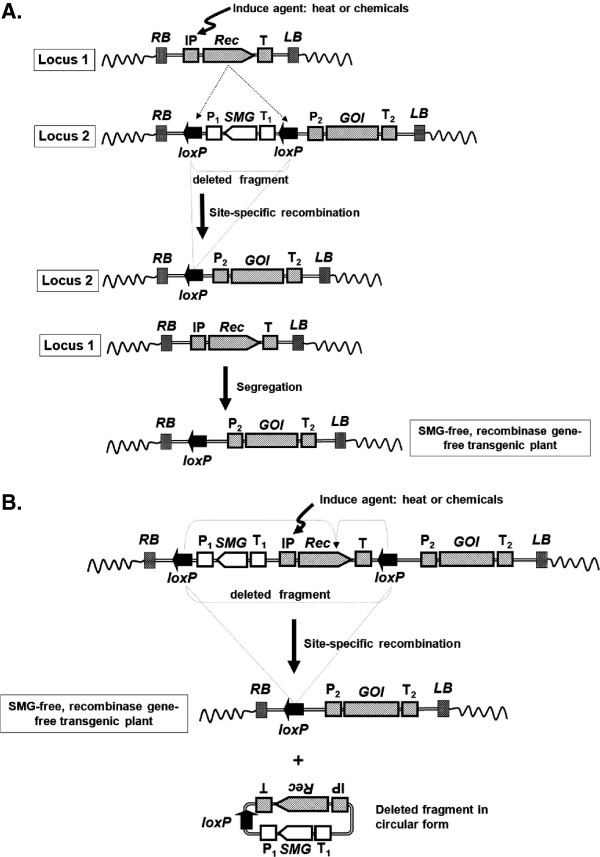
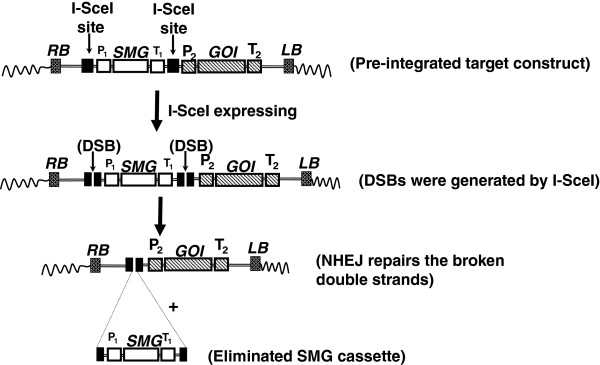
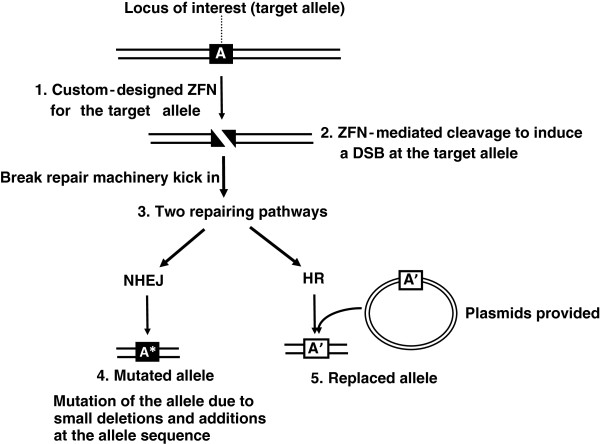
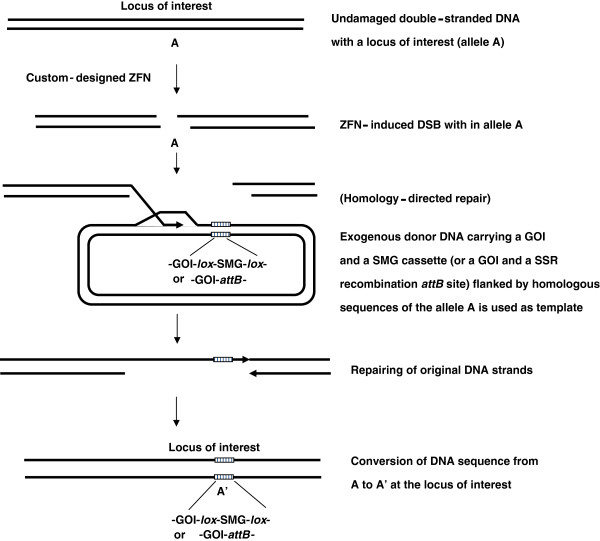
Selectable marker genes (SMGs) and selection agents are useful tools in the production of transgenic plants by selecting transformed cells from a matrix consisting of mostly untransformed cells. Most SMGs express protein products that confer antibiotic- or herbicide resistance traits, and typically reside in the end product of genetically-modified (GM) plants. The presence of these genes in GM plants, and subsequently in food, feed and the environment, are of concern and subject to special government regulation in many countries. The presence of SMGs in GM plants might also, in some cases, result in a metabolic burden for the host plants. Their use also prevents the re-use of the same SMG when a second transformation scheme is needed to be performed on the transgenic host. In recent years, several strategies have been developed to remove SMGs from GM products while retaining the transgenes of interest. This review describes the existing strategies for SMG removal, including the implementation of site specific recombination systems, TALENs and ZFNs. This review discusses the advantages and disadvantages of existing SMG-removal strategies and explores possible future research directions for SMG removal including emerging technologies for increased precision for genome modification.
可选择标记基因(SMGs)和选择剂是通过从主要由未转化细胞组成的基质中选择转化细胞来生产转基因植物的有用工具。大多数 SMGs 表达赋予抗生素或除草剂抗性特性的蛋白质产物,并且通常存在于遗传修饰(GM)植物的最终产物中。这些基因在转基因植物中存在,随后在食物、饲料和环境中存在,引起了许多国家的关注,并受到特别的政府监管。在某些情况下,SMGs 在宿主植物中的存在也可能导致宿主植物的代谢负担。当需要对转基因宿主进行第二次转化方案时,它们的使用也阻止了同一 SMG 的重复使用。近年来,已经开发了几种从 GM 产品中去除 SMG 而保留感兴趣的转基因的策略。本综述描述了现有的 SMG 去除策略,包括实施位点特异性重组系统、TALENs 和 ZFNs。本综述讨论了现有 SMG 去除策略的优缺点,并探讨了 SMG 去除的可能未来研究方向,包括用于提高基因组修饰精度的新兴技术。