Department of Neurosurgery, David Geffen School of Medicine, University of California, Los Angeles, CA, USA.
J Neuroinflammation. 2013 May 2;10:56. doi: 10.1186/1742-2094-10-56.
Rasmussen encephalitis (RE) is a rare complex inflammatory disease, primarily seen in young children, that is characterized by severe partial seizures and brain atrophy. Surgery is currently the only effective treatment option. To identify genes specifically associated with the immunopathology in RE, RNA transcripts of genes involved in inflammation and autoimmunity were measured in brain tissue from RE surgeries and compared with those in surgical specimens of cortical dysplasia (CD), a major cause of intractable pediatric epilepsy.
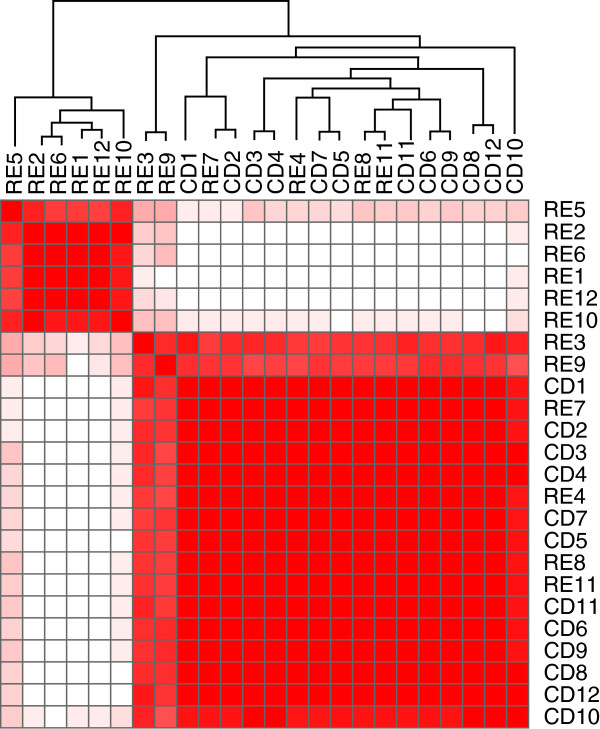
Quantitative polymerase chain reactions measured the relative expression of 84 genes related to inflammation and autoimmunity in 12 RE specimens and in the reference group of 12 CD surgical specimens. Data were analyzed by consensus clustering using the entire dataset, and by pairwise comparison of gene expression levels between the RE and CD cohorts using the Harrell-Davis distribution-free quantile estimator method.
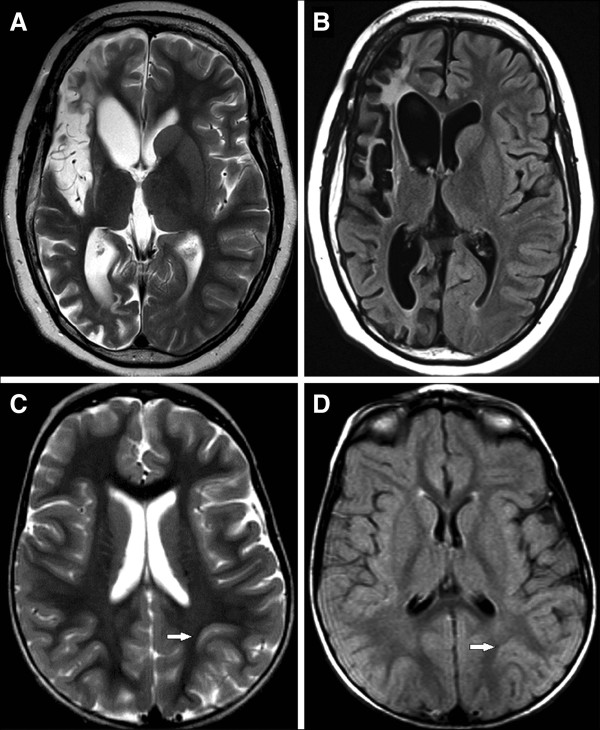
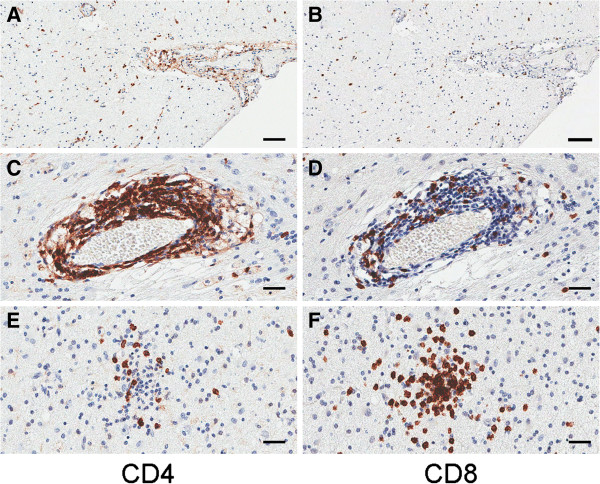
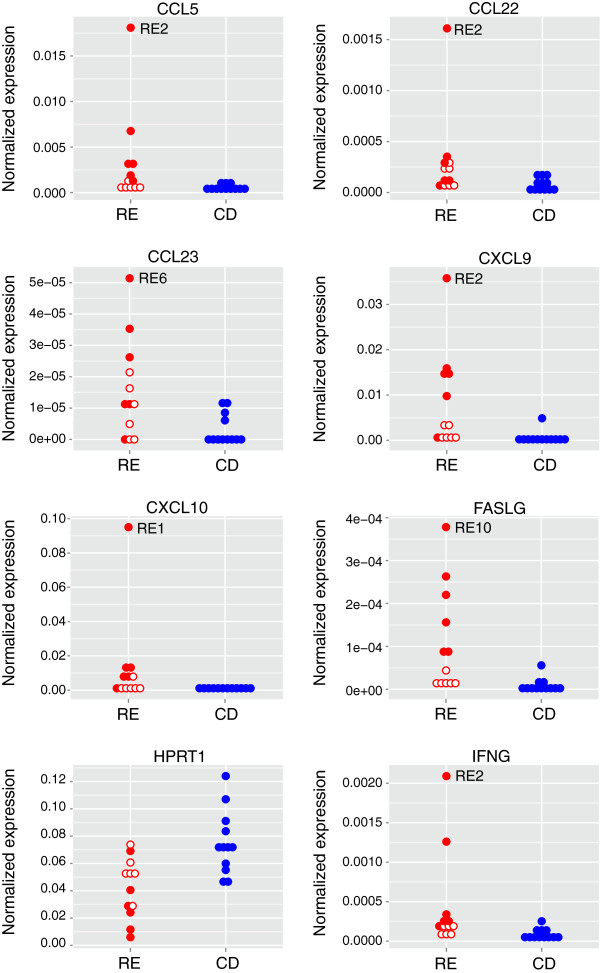
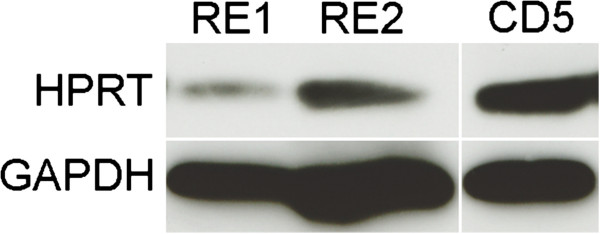
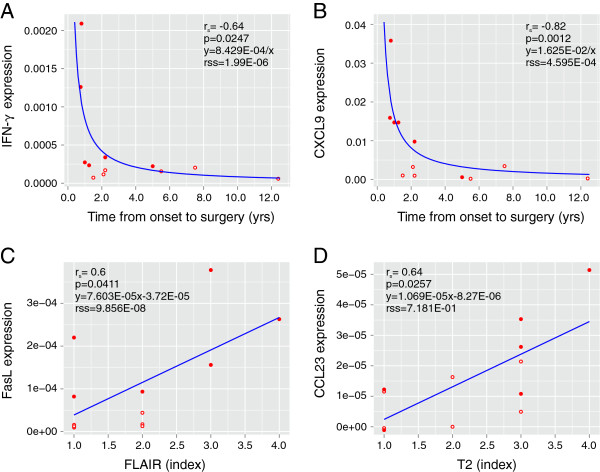
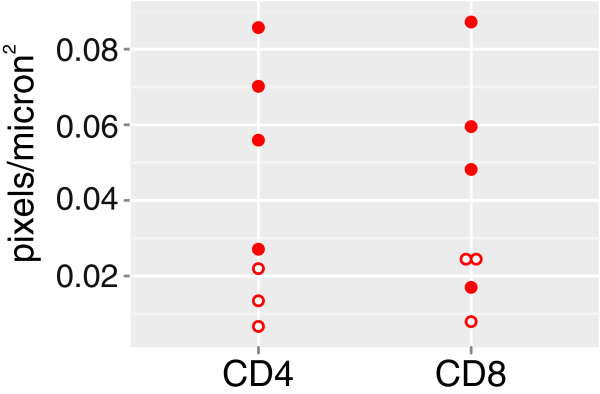
Consensus clustering identified six RE cases that were clearly distinguished from the CD cases and from other RE cases. Pairwise comparison showed that seven mRNAs encoding interferon-γ, CCL5, CCL22, CCL23, CXCL9, CXCL10, and Fas ligand were higher in the RE specimens compared with the CD specimens, whereas the mRNA encoding hypoxanthine-guanine phosphoribosyltransferase was reduced. Interferon-γ, CXCL5, CXCL9 and CXCL10 mRNA levels negatively correlated with time from seizure onset to surgery (P <0.05), whereas CCL23 and Fas ligand transcript levels positively correlated with the degree of tissue destruction and inflammation, respectively (P <0.05), as determined from magnetic resonance imaging (MRI) T2 and FLAIR images. Accumulation of CD4+ lymphocytes in leptomeninges and perivascular spaces was a prominent feature in RE specimens resected within a year of seizure onset.
Active disease is characterized by a Th1 immune response that appears to involve both CD8+ and CD4+ T cells. Our findings suggest therapeutic intervention targeting specific chemokine/chemokine receptors may be useful in early stage RE.
拉森姆脑炎(RE)是一种罕见的复杂炎症性疾病,主要发生在儿童期,其特征是严重的部分性癫痫发作和脑萎缩。手术是目前唯一有效的治疗选择。为了鉴定与 RE 免疫病理学相关的特定基因,我们测量了 RE 手术脑组织中涉及炎症和自身免疫的基因的 RNA 转录物,并将其与皮质发育不良(CD)手术标本进行比较,CD 是儿童难治性癫痫的主要原因。
定量聚合酶链反应测量了 12 例 RE 标本和 12 例 CD 手术标本中 84 个与炎症和自身免疫相关基因的相对表达。使用整个数据集进行共识聚类分析,并使用 Harrell-Davis 分布自由分位数估计器方法对 RE 和 CD 队列之间的基因表达水平进行成对比较。
共识聚类将 6 例 RE 病例与 CD 病例和其他 RE 病例明显区分开来。成对比较显示,与 CD 标本相比,RE 标本中编码干扰素-γ、CCL5、CCL22、CCL23、CXCL9、CXCL10 和 Fas 配体的 7 个 mRNA 更高,而编码次黄嘌呤鸟嘌呤磷酸核糖基转移酶的 mRNA 减少。干扰素-γ、CXCL5、CXCL9 和 CXCL10 mRNA 水平与从癫痫发作到手术的时间呈负相关(P<0.05),而 CCL23 和 Fas 配体转录水平与磁共振成像(MRI)T2 和 FLAIR 图像所示的组织破坏和炎症程度呈正相关(P<0.05)。在癫痫发作后一年内切除的 RE 标本中,CD4+淋巴细胞在软脑膜和血管周围空间的积聚是一个突出的特征。
活动期疾病的特征是 Th1 免疫反应,似乎涉及 CD8+和 CD4+T 细胞。我们的研究结果表明,针对特定趋化因子/趋化因子受体的治疗干预可能对早期 RE 有用。