Department of Radiation Oncology, Rutgers Cancer Institute of New Jersey, 195 Little Albany Street, New Brunswick, NJ 08903, USA.
Cancer Discov. 2013 Aug;3(8):894-907. doi: 10.1158/2159-8290.CD-13-0011. Epub 2013 May 6.
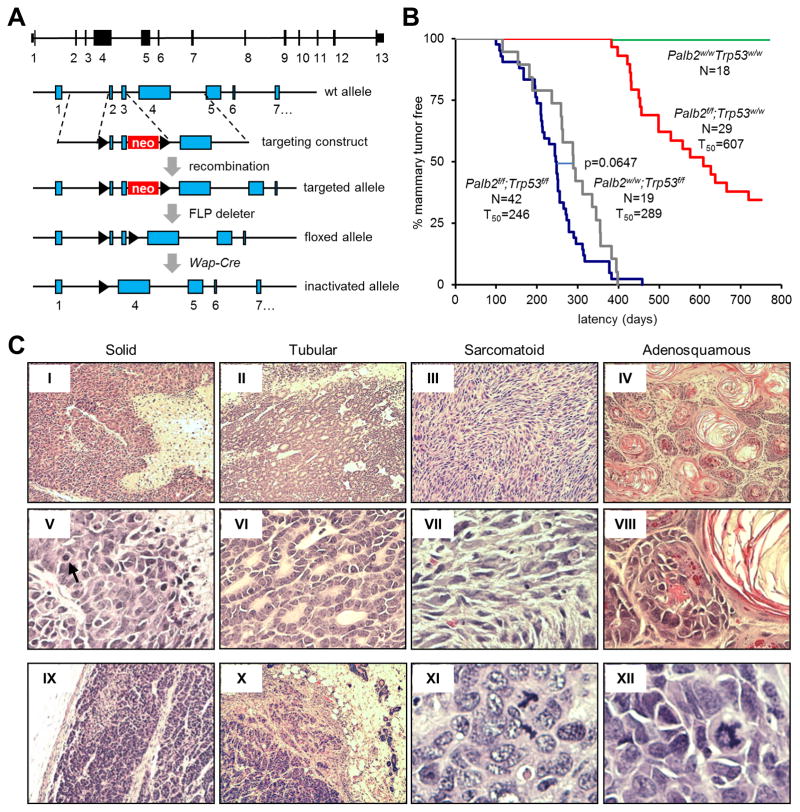
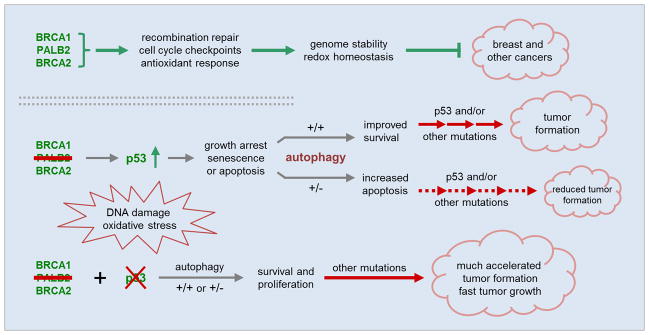
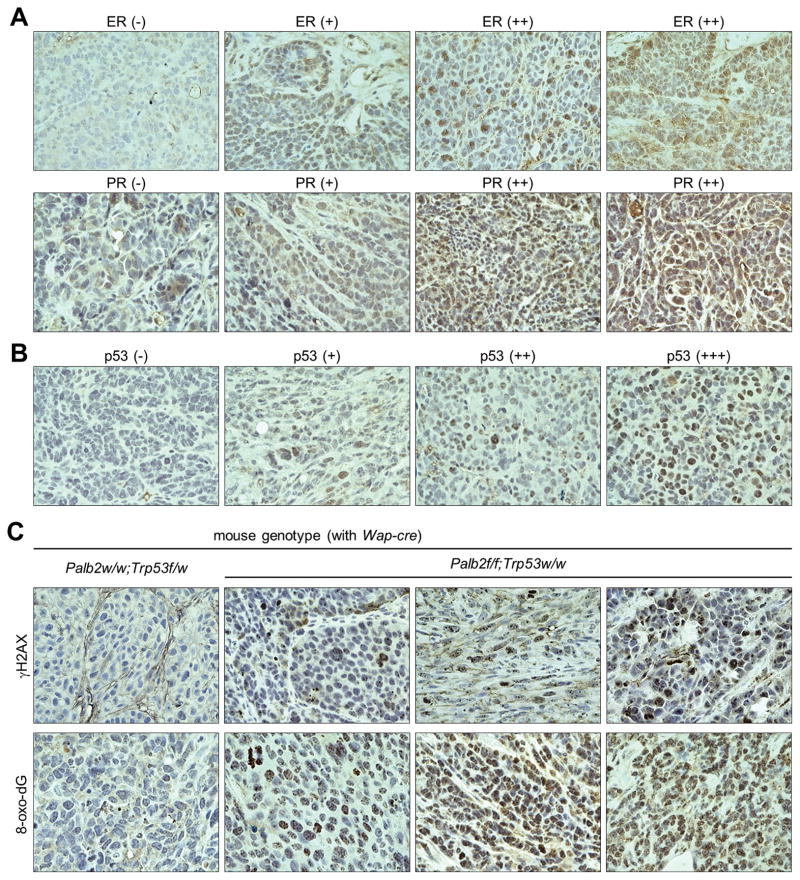
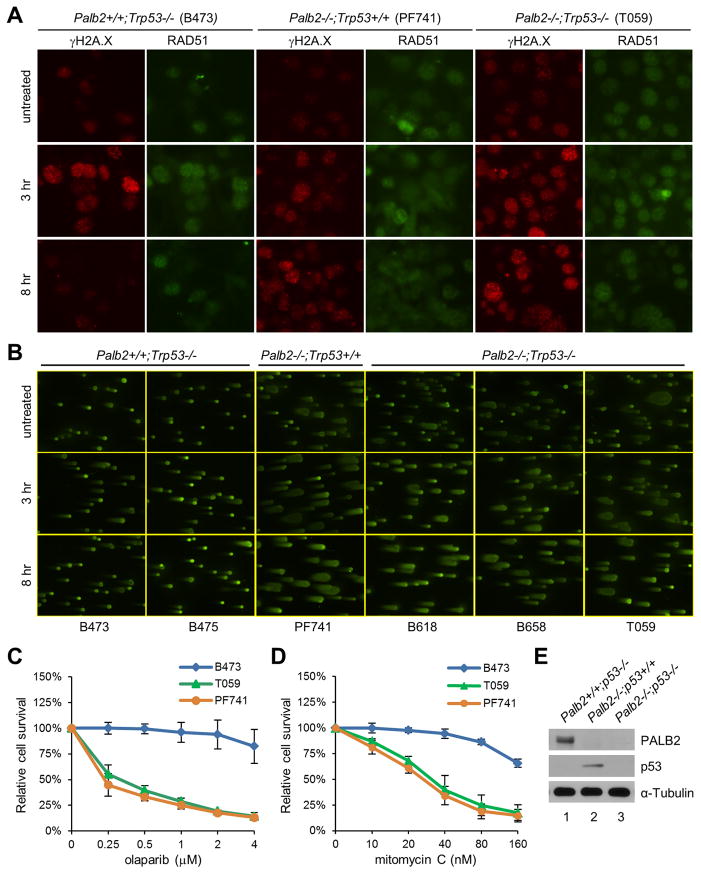
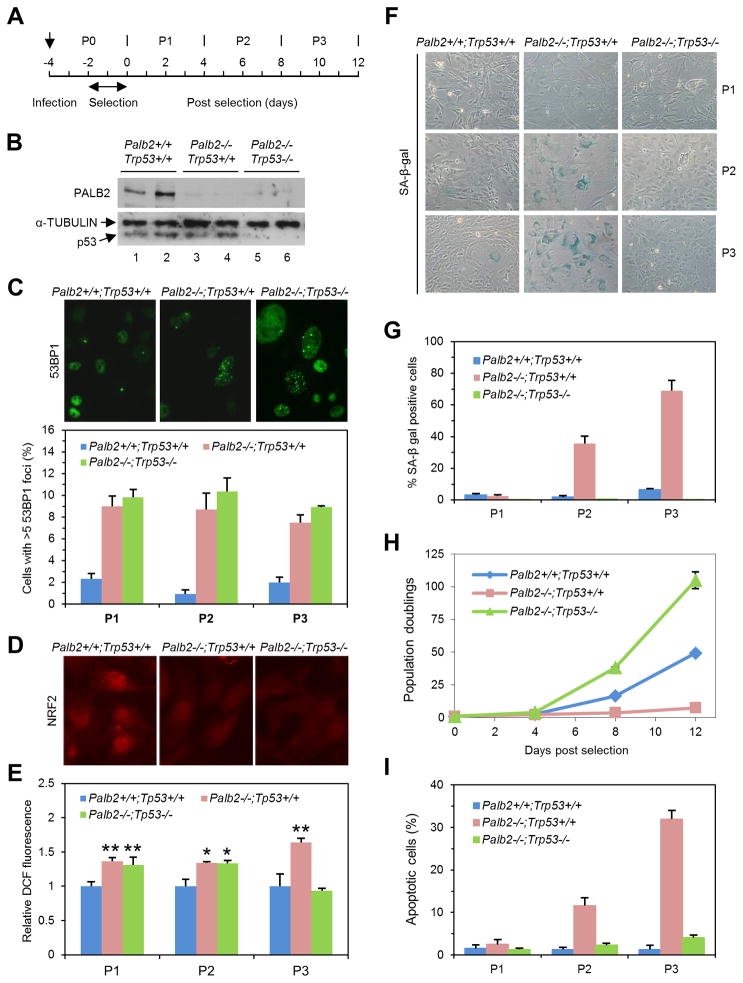
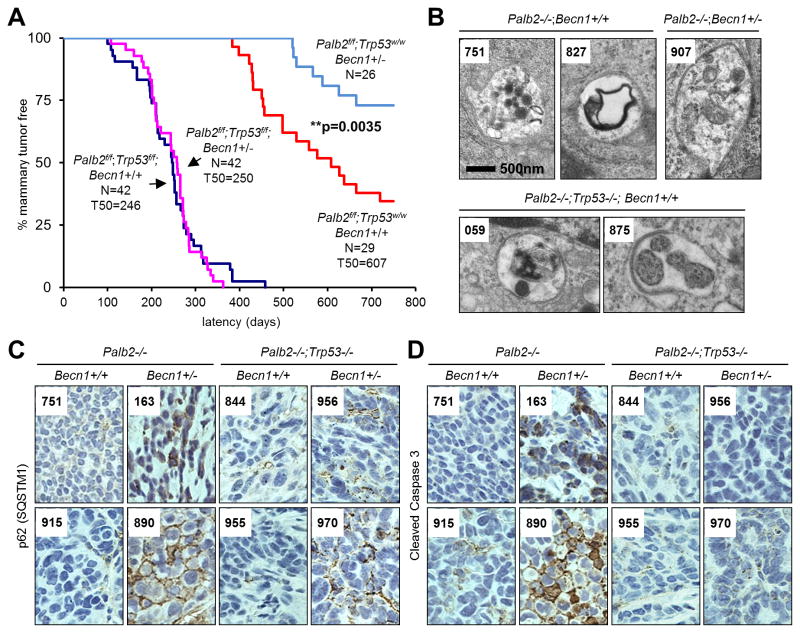
Hereditary breast cancers stem from germline mutations in susceptibility genes such as BRCA1, BRCA2, and PALB2, whose products function in the DNA damage response and redox regulation. Autophagy is an intracellular waste disposal and stress mitigation mechanism important for alleviating oxidative stress and DNA damage response activation; it can either suppress or promote cancer, but its role in breast cancer is unknown. Here, we show that similar to Brca1 and Brca2, ablation of Palb2 in the mouse mammary gland resulted in tumor development with long latency, and the tumors harbored mutations in Trp53. Interestingly, impaired autophagy, due to monoallelic loss of the essential autophagy gene Becn1, reduced Palb2-associated mammary tumorigenesis in a Trp53-wild-type but not conditionally null background. These results indicate that, in the face of DNA damage and oxidative stress elicited by PALB2 loss, p53 is a barrier to cancer development, whereas autophagy facilitates cell survival and tumorigenesis.
遗传性乳腺癌源于易感基因如 BRCA1、BRCA2 和 PALB2 的种系突变,其产物在 DNA 损伤反应和氧化还原调节中发挥作用。自噬是一种重要的细胞内废物处理和应激缓解机制,可缓解氧化应激和 DNA 损伤反应激活;它既能抑制也能促进癌症,但在乳腺癌中的作用尚不清楚。在这里,我们发现与 Brca1 和 Brca2 类似,Palb2 在小鼠乳腺中的缺失导致潜伏期长的肿瘤发生,并且肿瘤中存在 Trp53 突变。有趣的是,由于必需自噬基因 Becn1 的单等位基因缺失导致自噬受损,减少了 Palb2 相关的 Trp53 野生型而非条件性缺失背景下的乳腺肿瘤发生。这些结果表明,面对 PALB2 缺失引起的 DNA 损伤和氧化应激,p53 是癌症发展的障碍,而自噬促进细胞存活和肿瘤发生。